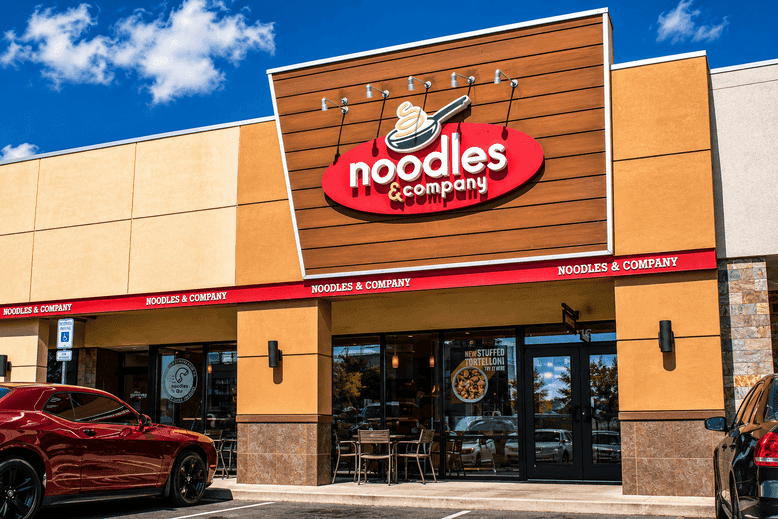
Noodles & Company Surges with Record Sales
Noodles & Company achieves historic sales growth and operational turnaround in 2026, sharing critical lessons for restaurant owners on boosting traffic, innovation, and team culture.
news
Jul 27, 2026
Noodles & Company achieves historic sales growth and operational turnaround in 2026, sharing critical lessons for restaurant owners on boosting traffic, innovation, and team culture.
Jul 27, 2026
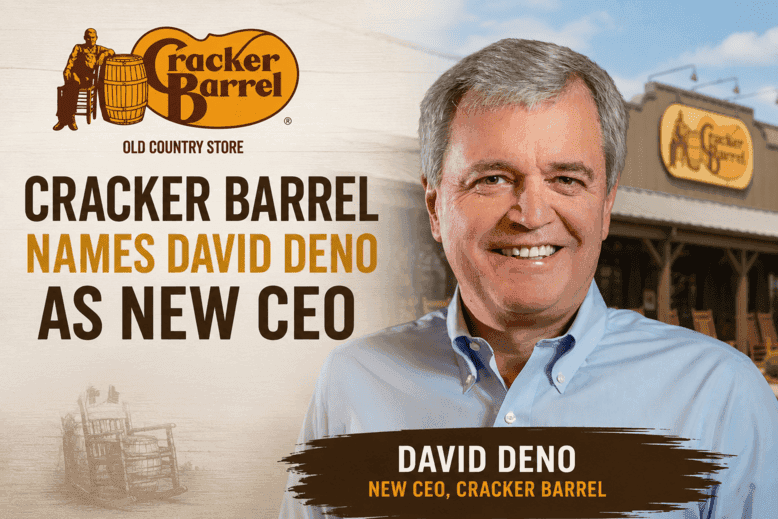
Veteran restaurant executive David Deno assumes the helm at Cracker Barrel, signaling a pivotal moment for the brand’s revitalization. Learn what this means for operators, staff, and industry leaders.
Jul 27, 2026
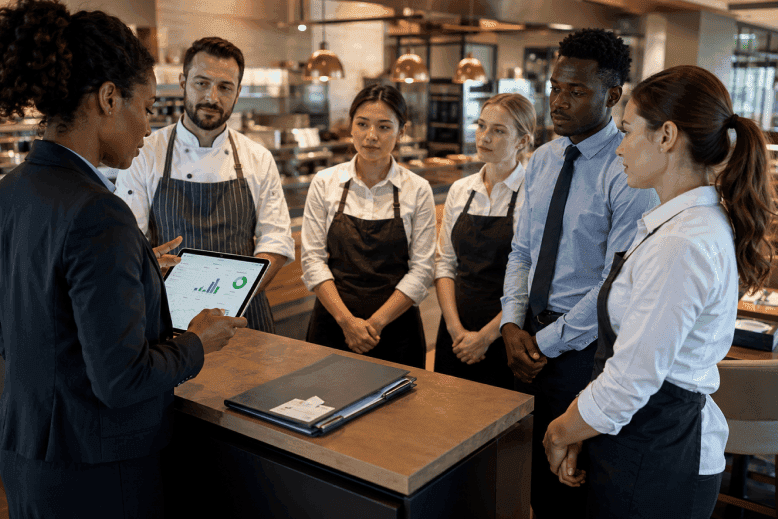
Stay compliant with key restaurant labor regulations in Summer 2026, including minimum wage increases, scheduling laws, and retirement requirements.
Jul 24, 2026
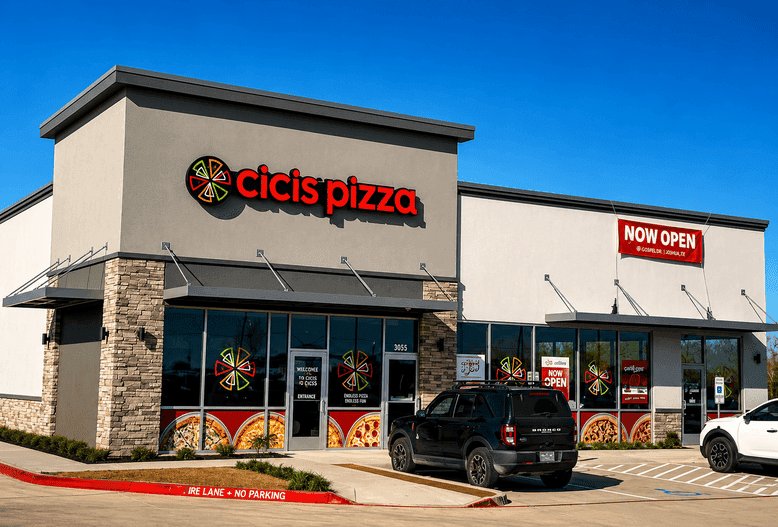
Cicis Pizza’s systemwide sales have surged over 50%, fueled by digital innovation, modern operations, and a revamped franchise strategy. Learn what restaurant owners can take away from Cicis’ transformation.
Jul 24, 2026
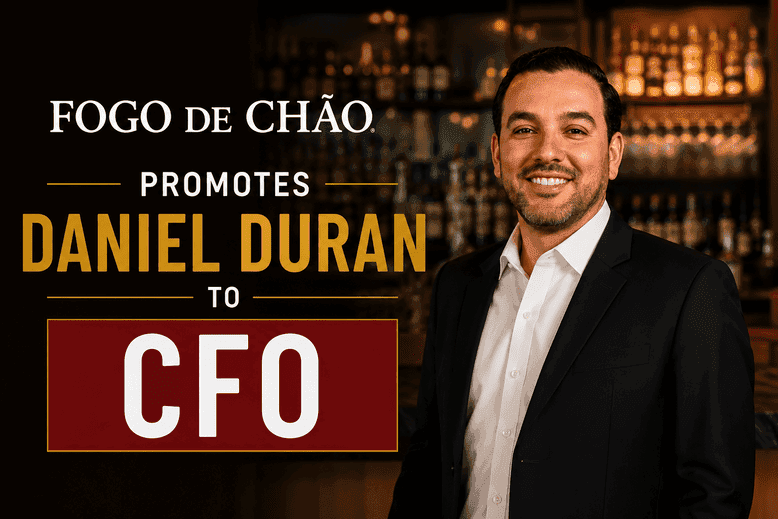
Fogo de Chão has announced Daniel Duran as its new CFO, marking a strategic leadership transition designed to enhance global growth and financial innovation for the renowned restaurant brand.
Jul 24, 2026

Learn how to calculate, benchmark, track, and improve restaurant payroll percentage while balancing staffing costs, sales, service, and profitability effectively.
Jul 24, 2026

Discover how restaurant apps help owners manage labor, payroll, inventory, food safety, reporting, and back-office operations more efficiently every day.
Jul 24, 2026
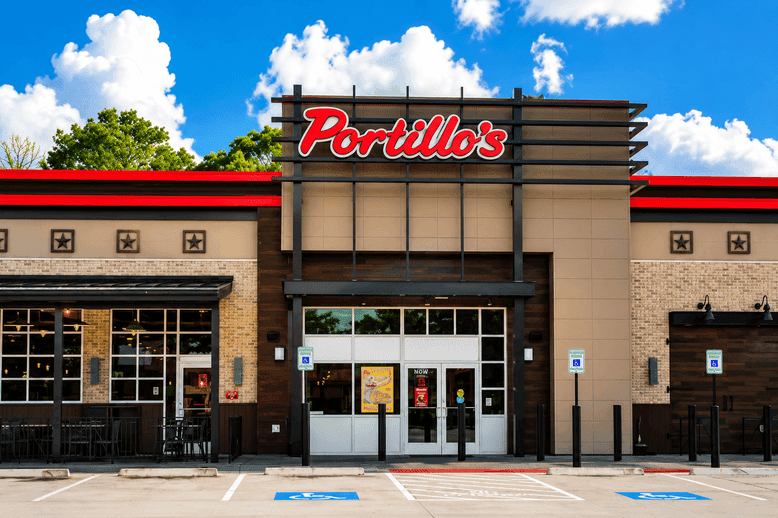
Portillo’s welcomes industry veteran Christopher Hansen as Executive Chef and Senior Director of Culinary Innovation to steer menu strategy and fuel national growth.
Jul 23, 2026
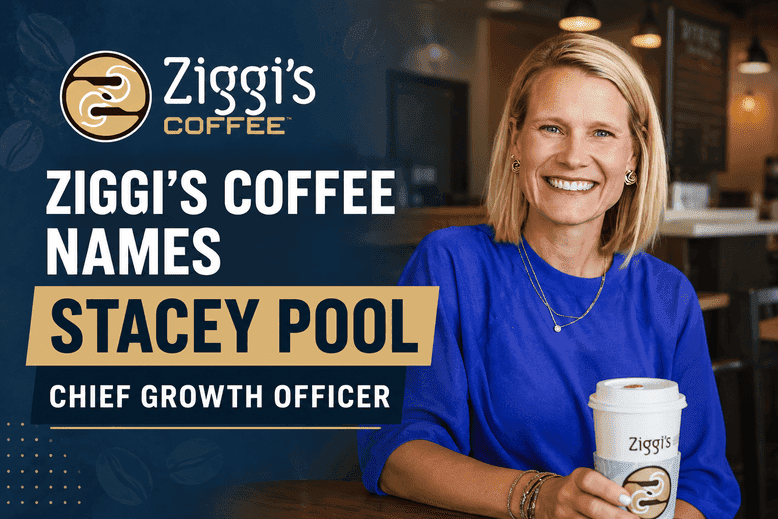
Ziggi’s Coffee welcomes Stacey Pool as Chief Growth Officer to spearhead national expansion and enhance franchise profitability as the brand celebrates a decade of franchising success.
Jul 23, 2026
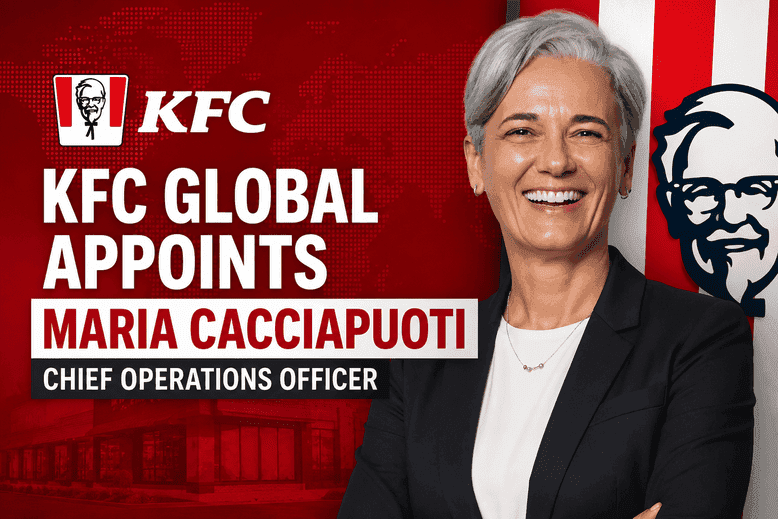
KFC Global has selected experienced leader Maria Cacciapuoti as its new Chief Operations Officer. Discover how her extensive expertise will help shape KFC’s global operations and franchise partnerships.
Jul 23, 2026
The upcoming operational and marketing trends for the restaurant industry in 2025. Learn how operators can adapt to the changing landscape and stay ahead of the competition.

Photo by Sergio Arteaga

Photo by Sergio Arteaga
One of the critical aspects that restaurant operators will need to focus on in 2025 is adapting to the shifts in consumer behavior. With the impact of high inflation leading to reduced spending on dining out, operators must understand the changing preferences of their target audience. This includes catering to the demand for value-driven options, offering discounts, and enhancing the overall dining experience to attract and retain customers.
The integration of technology will continue to play a significant role in restaurant operations in 2025. From online ordering and delivery services to digital payment systems and customer relationship management tools, operators must embrace technology solutions to streamline processes, enhance efficiency, and meet the expectations of tech-savvy consumers. Implementing smart kitchen systems and data analytics can also provide valuable insights for decision-making and improving operational performance.
As environmental awareness grows, restaurants are expected to prioritize sustainable practices and green initiatives in 2025. From reducing food waste and adopting eco-friendly packaging to sourcing locally and promoting plant-based menu items, incorporating sustainability into operations can not only attract environmentally conscious consumers but also contribute to long-term cost savings and brand reputation. Many restaurants have already implemented successful green practices, setting a trend for others to follow.
Personalization and customization will be key drivers of customer satisfaction in 2025. By leveraging customer data and preferences, operators can offer personalized menu recommendations, loyalty rewards, and tailored promotions. Implementing order customization options and interactive menu experiences can enhance the overall dining journey, leading to increased customer loyalty and positive word-of-mouth marketing. Restaurants that excel in providing customized offerings are likely to stand out in a competitive market.
Investing in employee training and engagement will be crucial for restaurant operators in 2025. Well-trained and motivated staff can significantly impact the overall customer experience and operational efficiency. By focusing on continuous training programs, fostering a positive work culture, and recognizing employee contributions, restaurants can improve service quality, reduce turnover rates, and build a strong team that is dedicated to delivering exceptional dining experiences.