
Restaurant Technology Trends in 2026
Explore restaurant technology trends in 2026, including AI, automation, digital ordering, workforce tools, connected kitchens, personalization, and profitability strategies today.
Technology
Aug 28, 2026
Explore restaurant technology trends in 2026, including AI, automation, digital ordering, workforce tools, connected kitchens, personalization, and profitability strategies today.
Aug 28, 2026
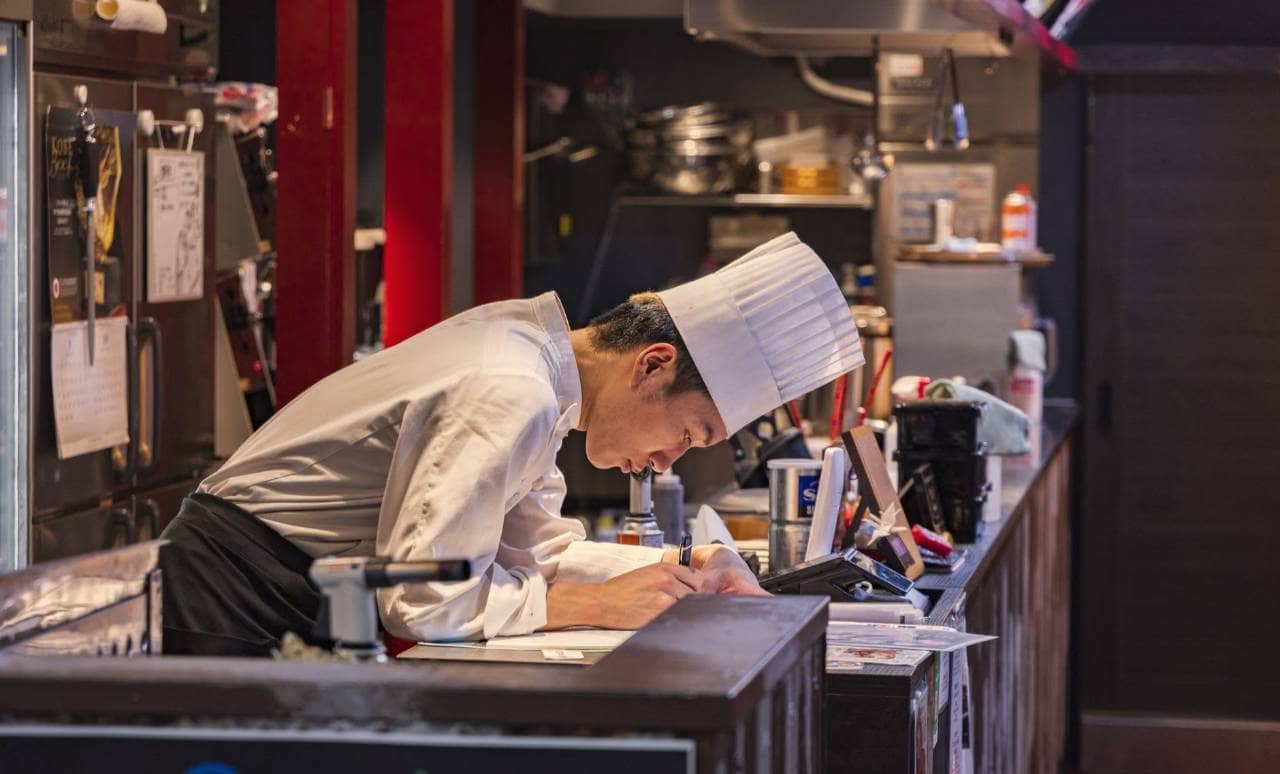
Learn how to calculate restaurant cost of goods using inventory, purchases, COGS percentage, variance reviews, and regular tracking for profitability.
Aug 31, 2026
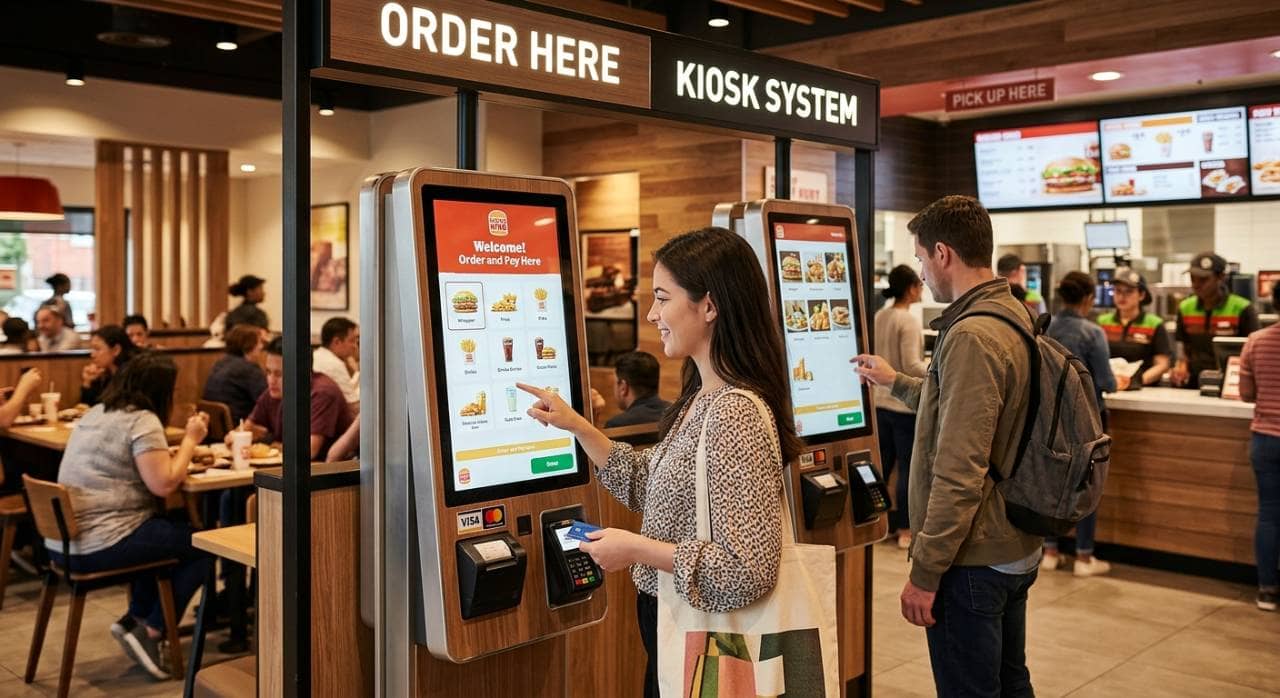
Understand how to evaluate a Kiosk system using key criteria including features, POS integration, hardware, pricing, customer experience, and support.
Aug 31, 2026
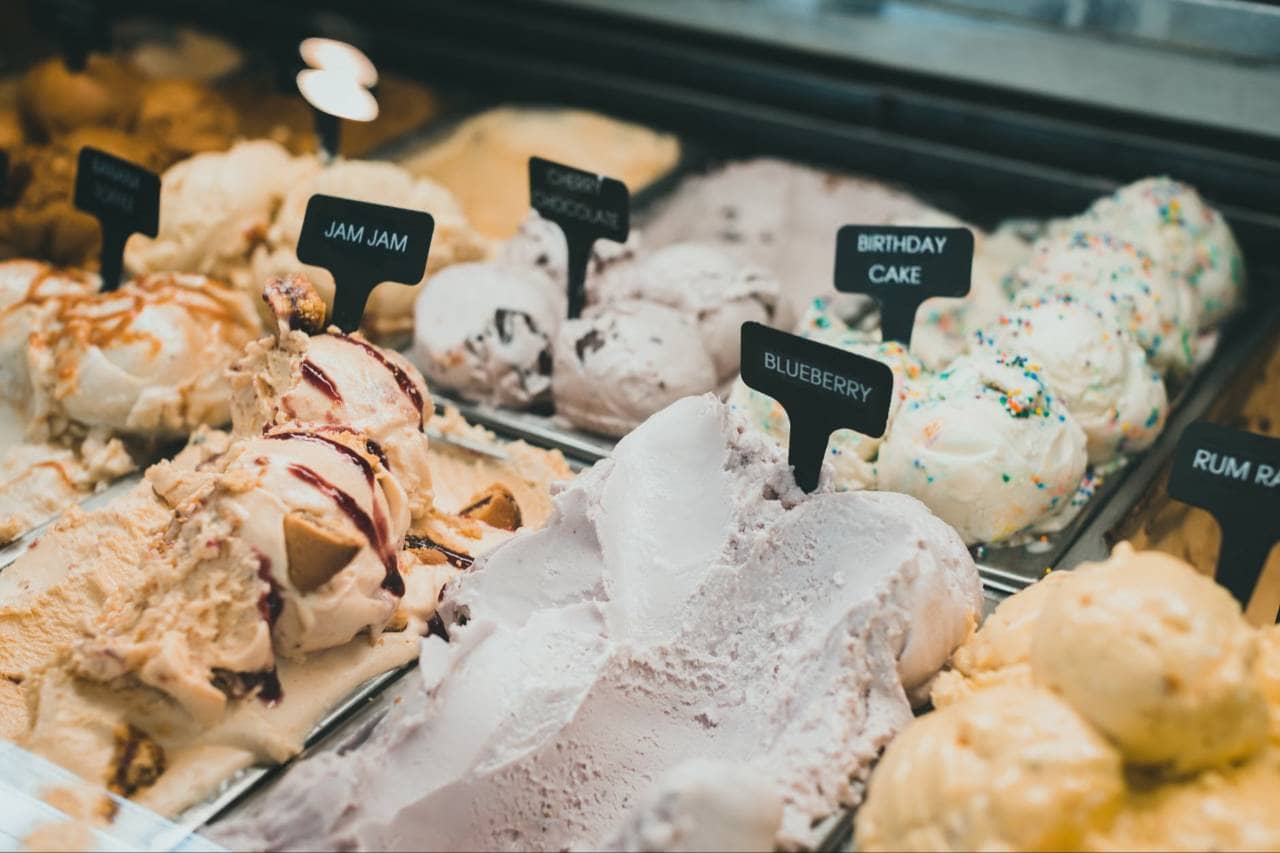
Learn the startup costs of opening an ice cream shop, including rent, equipment, renovations, permits, inventory, labor, marketing, and reserves.
Aug 28, 2026

A restaurant P&L statement reveals sales, expenses, and profits, helping owners manage costs, improve margins, and plan finances more effectively.
Aug 26, 2026
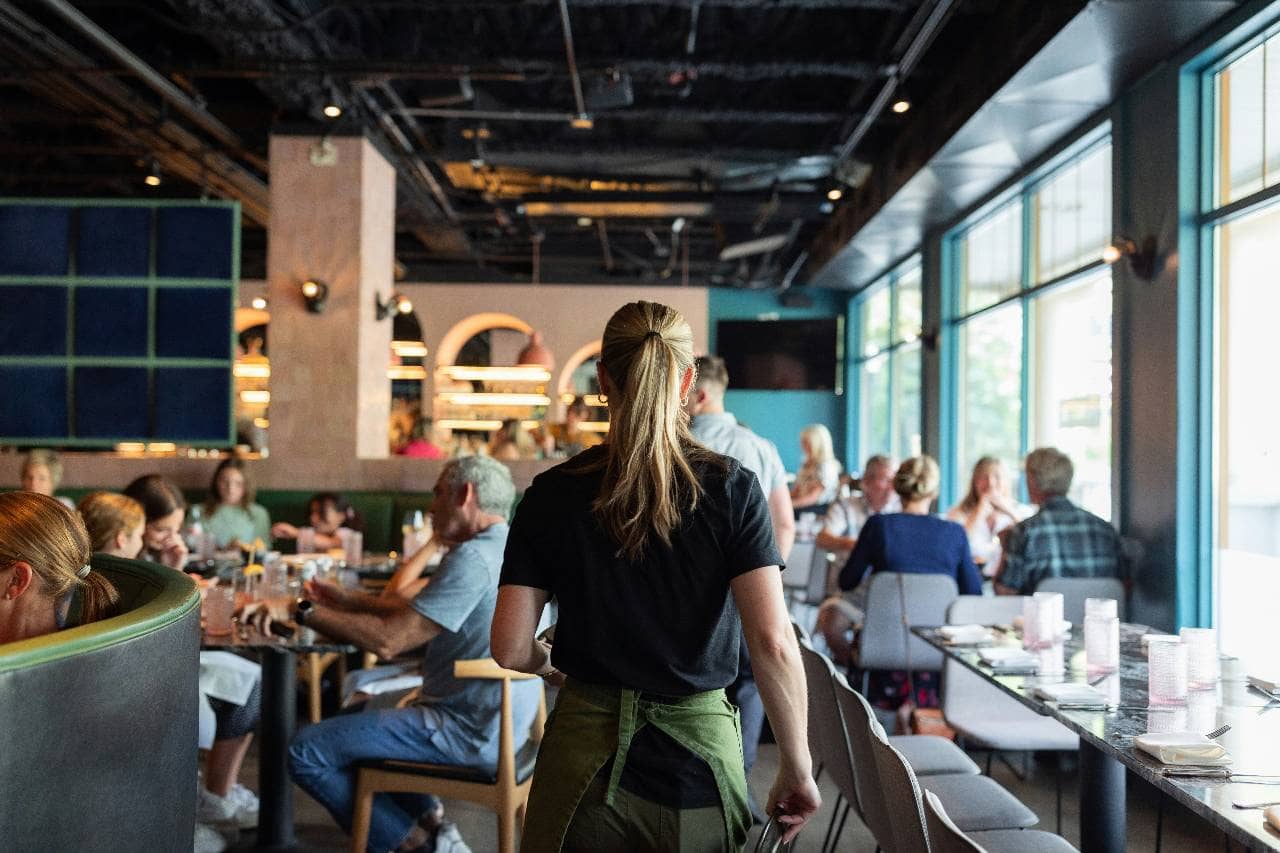
Learn practical ways to reduce labour costs through smarter scheduling, forecasting, productivity, cross-training, automation, overtime control, and performance monitoring strategies.
Aug 26, 2026
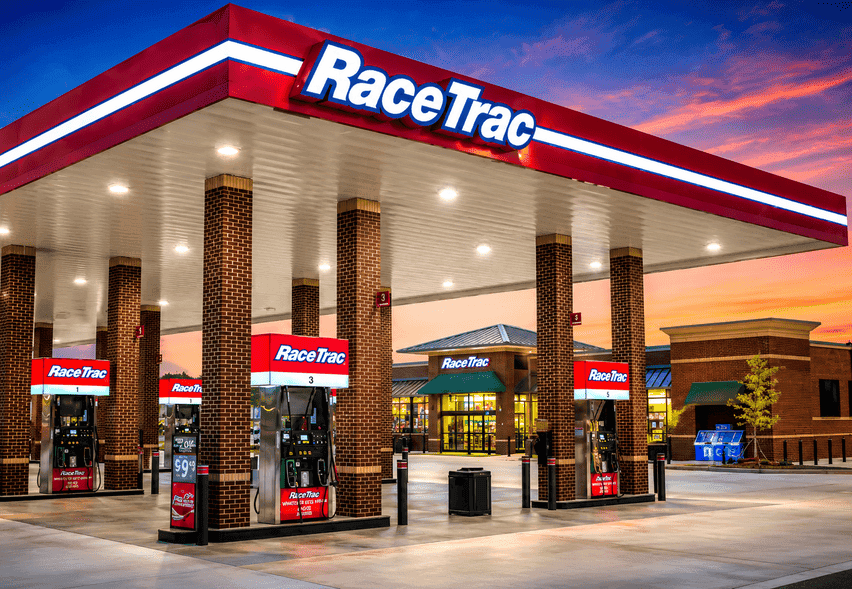
RaceTrac has appointed Jill Pemberton as chief financial officer, succeeding Karla Ahlert, who moves into the newly created role of chief administrative officer.
Aug 26, 2026

Create a practical restaurant marketing plan by setting goals, targeting customers, choosing channels, budgeting wisely, scheduling campaigns, and measuring results.
Aug 24, 2026

Levain Bakery appoints Lorna Sommerville and Taya Stenson as co-CEOs, blending operational and marketing expertise to power national expansion and innovation while staying rooted in its brand values.
Aug 25, 2026

A payroll advance policy helps restaurant owners define eligibility, limits, repayment, documentation, approval procedures, and compliance requirements for employee advances.
Aug 24, 2026

Unlock Exclusive Access To Webinars, Events, And The Latest News For Free!
Explore how leading fast-food chains like McDonald’s, Chipotle, and Yum Brands are leveraging AI technology to enhance operations, customer experiences, and drive growth.

Photo by Jas Rolyn

Photo by Jas Rolyn
Fast food companies are increasingly turning to AI technology to revolutionize their operations and navigate challenging market conditions. The integration of AI tools and solutions has become a strategic imperative for industry leaders like McDonald’s, Chipotle, and Yum Brands in enhancing efficiency, optimizing processes, and improving overall business performance.

Photo by Jas Rolyn
McDonald’s, a pioneer in AI adoption, has deployed edge computing in its U.S. restaurants to leverage AI and IoT capabilities effectively. This move, driven by CEO Chris Kempczinski's vision, aims to enhance customer experiences, streamline processes, and drive cost savings. By integrating AI to predict equipment servicing needs and alerting shift managers, McDonald’s is at the forefront of utilizing technology to improve internal systems and operational efficiency.

Photo by Jas Rolyn
Yum Brands, the parent company of Taco Bell, Pizza Hut, and KFC, has harnessed AI to gain a competitive edge in personalized advertising and marketing. Through innovative technologies like Byte Kitchen and Fleet, Yum Brands is simplifying restaurant operations and enhancing team member experiences. By utilizing AI assistant Byte Coach, Yum Brands is driving informed decision-making across its vast network of restaurants, paving the way for improved efficiency and customer service.

Photo by Jas Rolyn
Despite facing market headwinds, Chipotle remains committed to technology investments to enhance customer engagement and drive growth. By deploying AI assistants to enhance platform engagement, Chipotle has seen significant improvements in customer interactions. CEO Scott Boatwright’s strategic vision of leveraging technology to improve operational efficiencies and culinary standards underscores Chipotle's commitment to innovation in the face of adversity.