
Restaurant Technology Trends in 2026
Explore restaurant technology trends in 2026, including AI, automation, digital ordering, workforce tools, connected kitchens, personalization, and profitability strategies today.
Technology
Aug 28, 2026
Explore restaurant technology trends in 2026, including AI, automation, digital ordering, workforce tools, connected kitchens, personalization, and profitability strategies today.
Aug 28, 2026
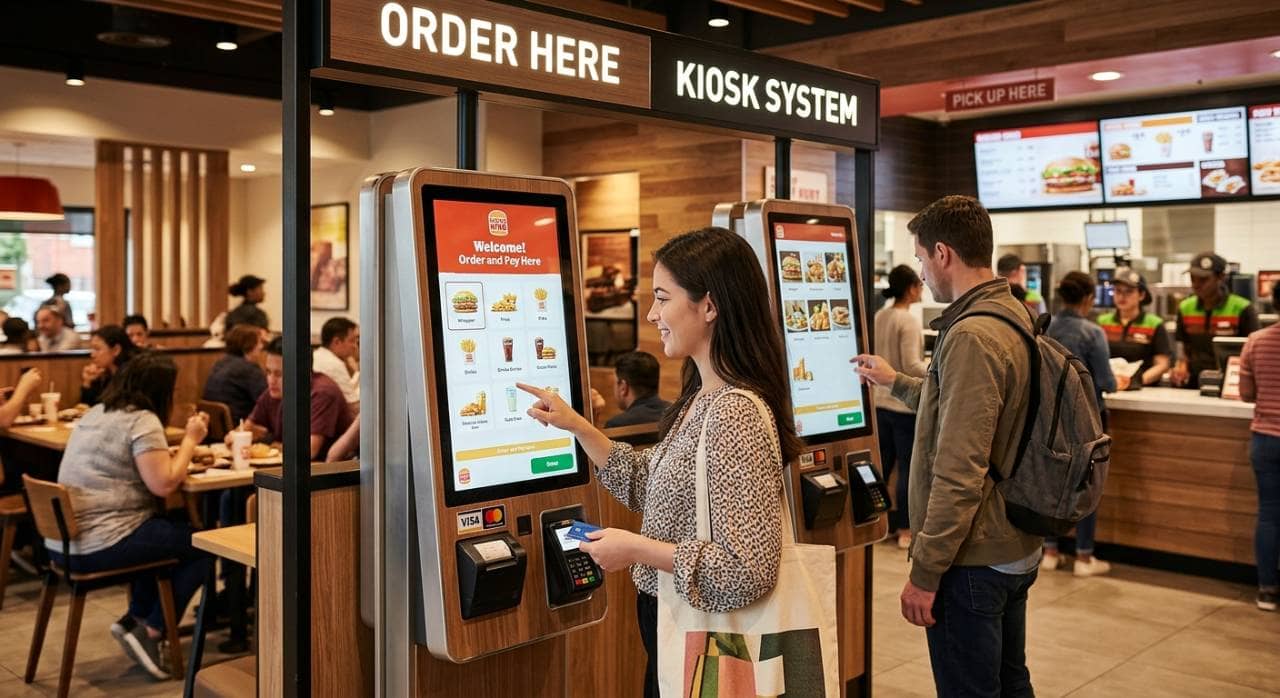
Understand how to evaluate a Kiosk system using key criteria including features, POS integration, hardware, pricing, customer experience, and support.
Aug 31, 2026
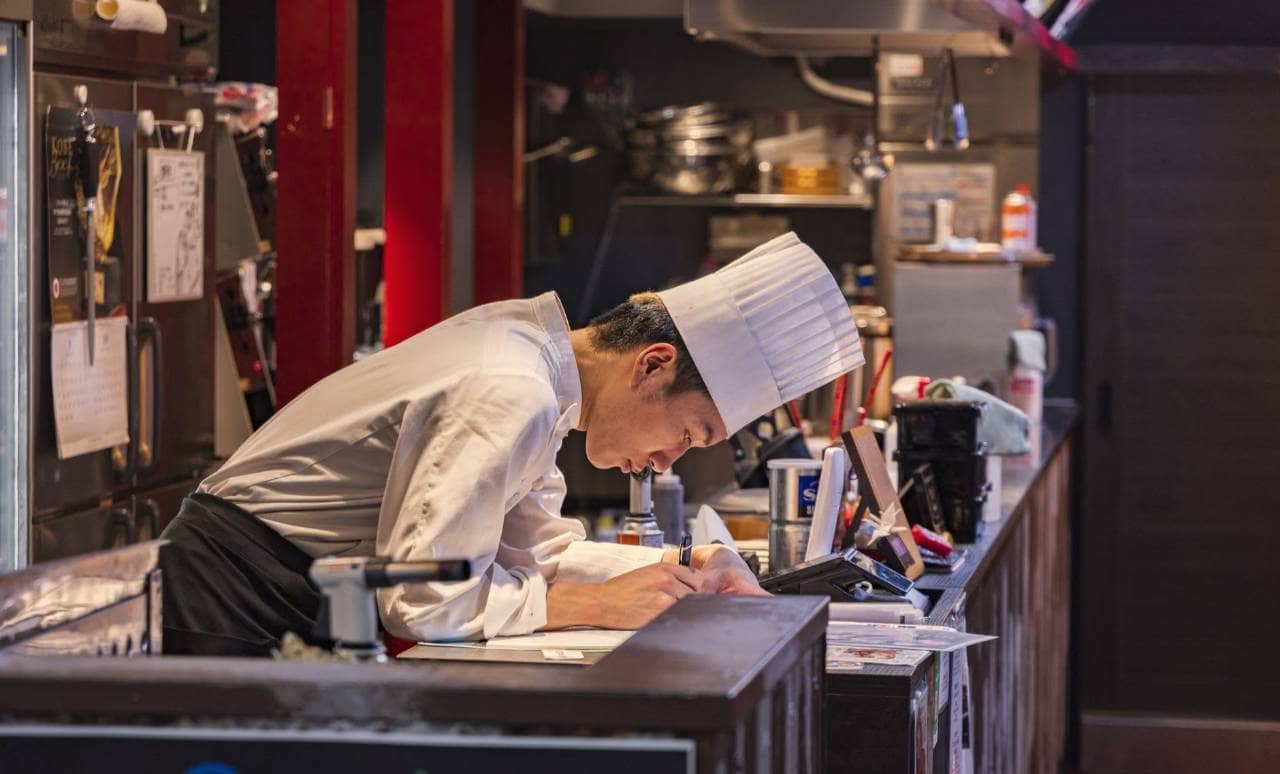
Learn how to calculate restaurant cost of goods using inventory, purchases, COGS percentage, variance reviews, and regular tracking for profitability.
Aug 31, 2026

Learn the startup costs of opening an ice cream shop, including rent, equipment, renovations, permits, inventory, labor, marketing, and reserves.
Aug 28, 2026

A restaurant P&L statement reveals sales, expenses, and profits, helping owners manage costs, improve margins, and plan finances more effectively.
Aug 26, 2026

Learn practical ways to reduce labour costs through smarter scheduling, forecasting, productivity, cross-training, automation, overtime control, and performance monitoring strategies.
Aug 26, 2026

RaceTrac has appointed Jill Pemberton as chief financial officer, succeeding Karla Ahlert, who moves into the newly created role of chief administrative officer.
Aug 26, 2026

Create a practical restaurant marketing plan by setting goals, targeting customers, choosing channels, budgeting wisely, scheduling campaigns, and measuring results.
Aug 24, 2026

Levain Bakery appoints Lorna Sommerville and Taya Stenson as co-CEOs, blending operational and marketing expertise to power national expansion and innovation while staying rooted in its brand values.
Aug 25, 2026

A payroll advance policy helps restaurant owners define eligibility, limits, repayment, documentation, approval procedures, and compliance requirements for employee advances.
Aug 24, 2026

Unlock Exclusive Access To Webinars, Events, And The Latest News For Free!
Explore the implications of the recent settlement between Seattle's regulatory authorities and Uber Eats on gig workers' rights and pay transparency.

Photo by Pim de Boer

Photo by Pim de Boer
Seattle’s regulatory authorities have actively enforced independent contractor and minimum pay laws to protect gig workers' rights since their inception. These laws emerged as part of a wave of regulations following the COVID-19 pandemic, compelling app-based delivery aggregators to adjust their pay structures and business operations.
The laws in Seattle faced strong opposition from app-based delivery aggregators like DoorDash and Uber Eats. Seattle's ABWMP, in particular, encountered significant lobbying efforts from DoorDash. After the laws were implemented, both DoorDash and Uber Eats introduced new fees in the market, reflecting the challenges posed by the regulatory changes.

Photo by Pim de Boer
Seattle authorities specifically accused Uber Eats of misleading practices, including failing to inform workers about the accurate application of Boost Multipliers to their earnings. Moreover, the city alleged that Uber Eats sometimes paid workers less than the amounts indicated in pre-work offers, violating the ICP rule that mandates transparent pay rates before gig commencement.
In response to the settlement, Uber Eats expressed a commitment to enhancing transparency for couriers regarding their pay and earning opportunities. The company aims to provide clear and dependable information to workers, acknowledging the importance of fair compensation and reliable earnings in Seattle's highly regulated gig economy market.
Peter Kuel, the President of the Drivers Union, emphasized the significance of the settlement in upholding gig workers' rights. He highlighted the importance of regulatory changes in combatting systematic underpayment of gig workers. Kuel's statement underscores the crucial role of legislation and worker advocacy in ensuring fairness and just treatment in the gig economy sector.