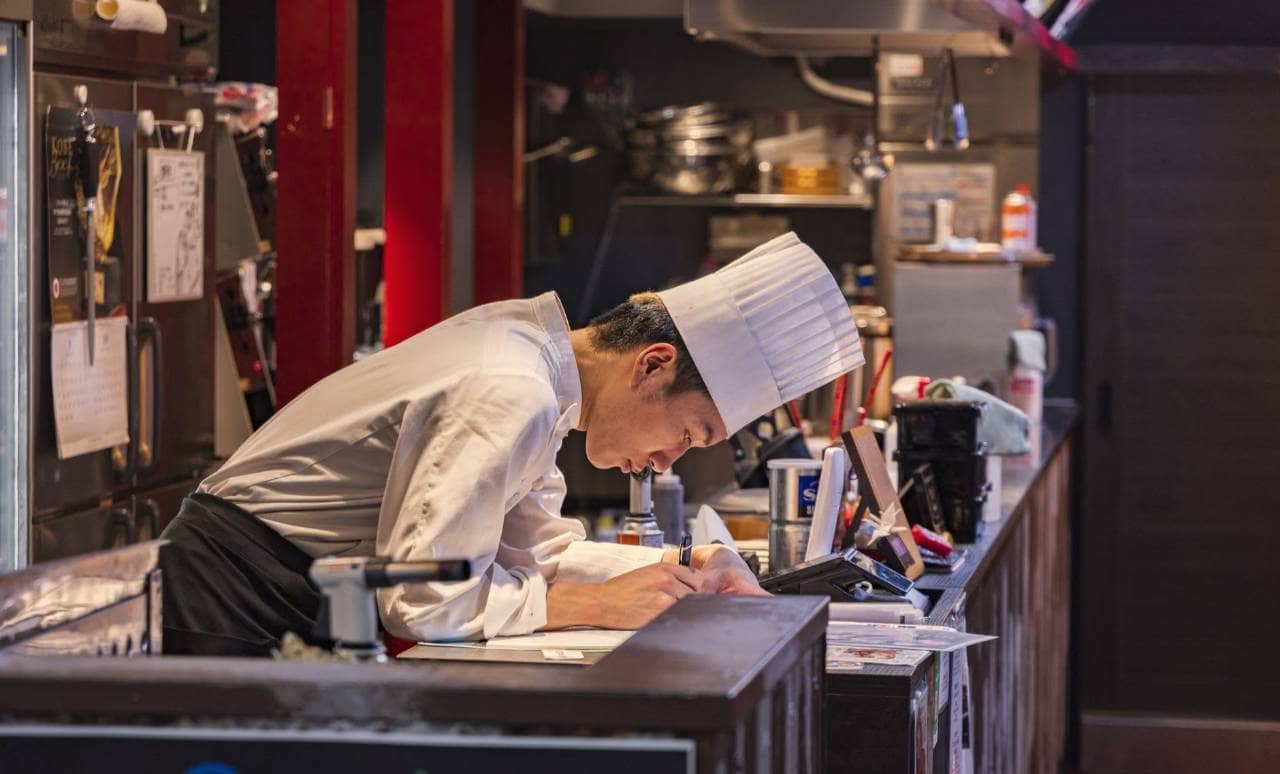
How to Calculate Cost of Goods Sold for a Restaurant
Learn how to calculate restaurant cost of goods using inventory, purchases, COGS percentage, variance reviews, and regular tracking for profitability.
Accounting
Aug 31, 2026
Learn how to calculate restaurant cost of goods using inventory, purchases, COGS percentage, variance reviews, and regular tracking for profitability.
Aug 31, 2026
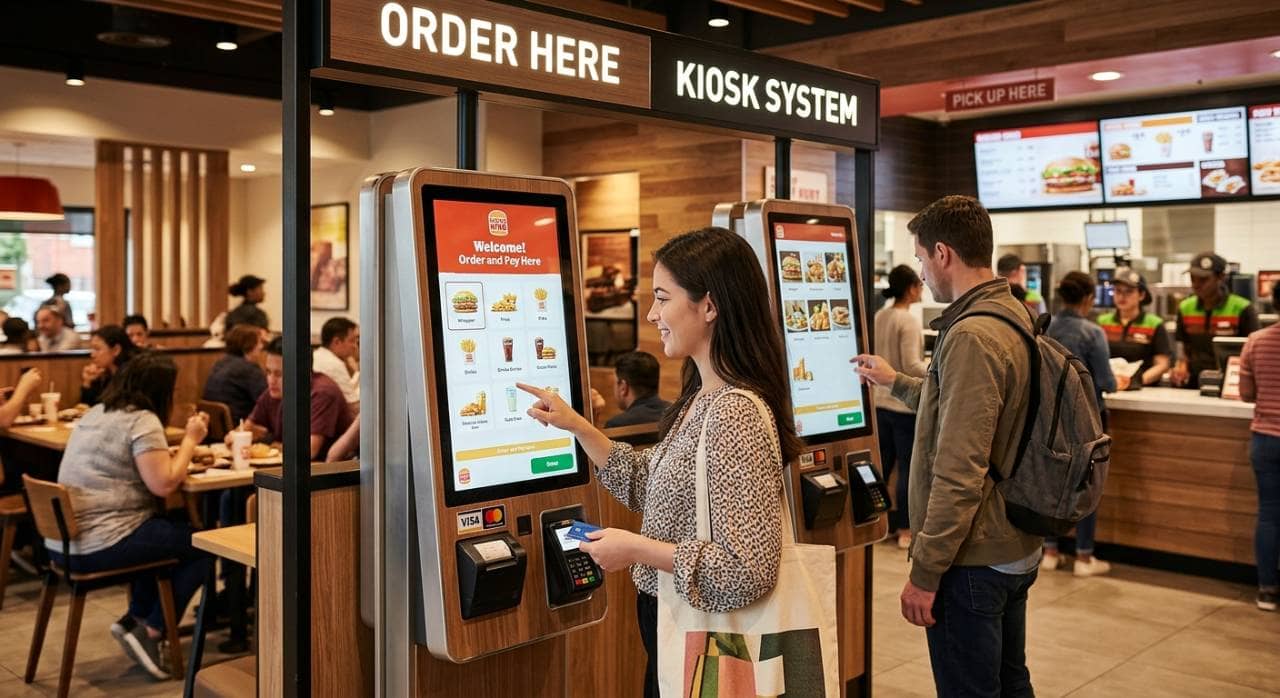
Understand how to evaluate a Kiosk system using key criteria including features, POS integration, hardware, pricing, customer experience, and support.
Aug 31, 2026

Explore restaurant technology trends in 2026, including AI, automation, digital ordering, workforce tools, connected kitchens, personalization, and profitability strategies today.
Aug 28, 2026
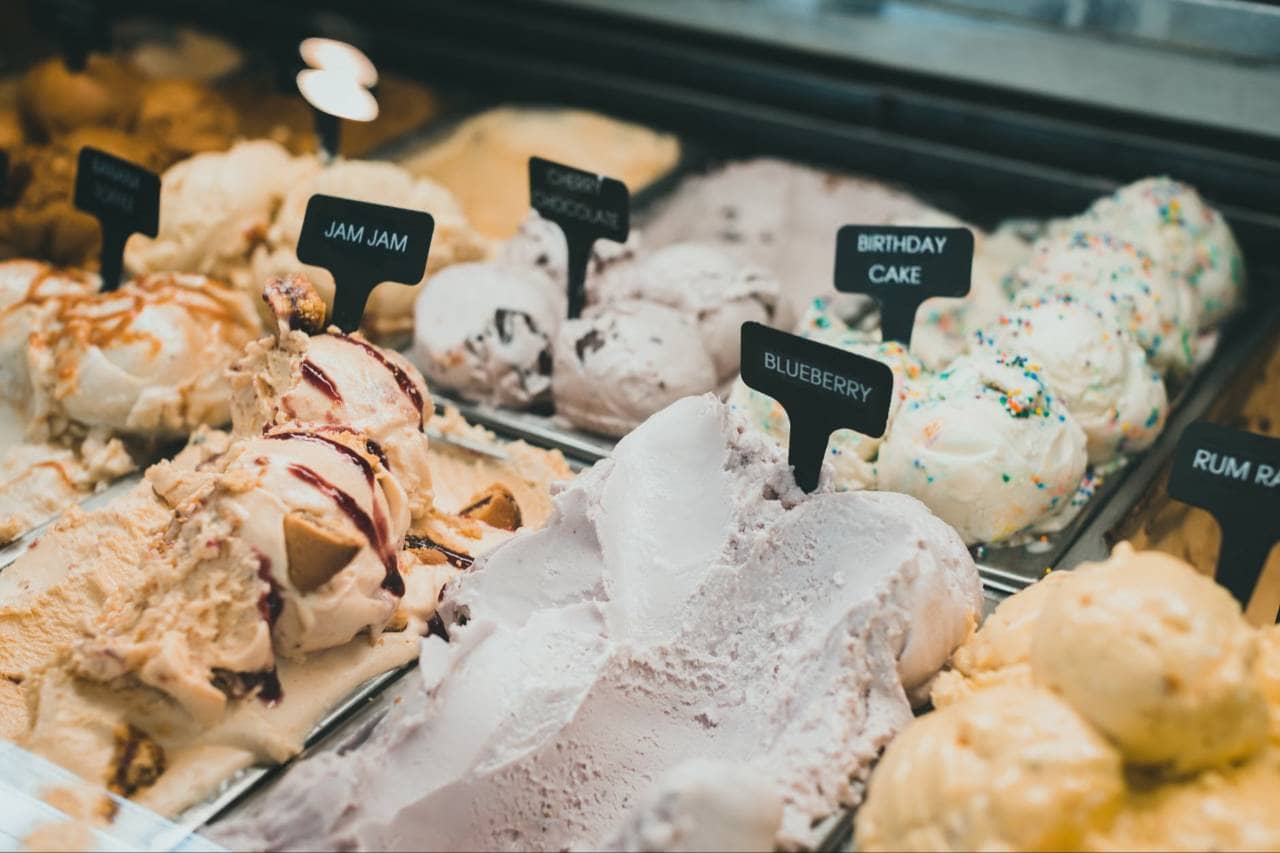
Learn the startup costs of opening an ice cream shop, including rent, equipment, renovations, permits, inventory, labor, marketing, and reserves.
Aug 28, 2026

A restaurant P&L statement reveals sales, expenses, and profits, helping owners manage costs, improve margins, and plan finances more effectively.
Aug 26, 2026
RaceTrac has appointed Jill Pemberton as chief financial officer, succeeding Karla Ahlert, who moves into the newly created role of chief administrative officer.
Aug 26, 2026
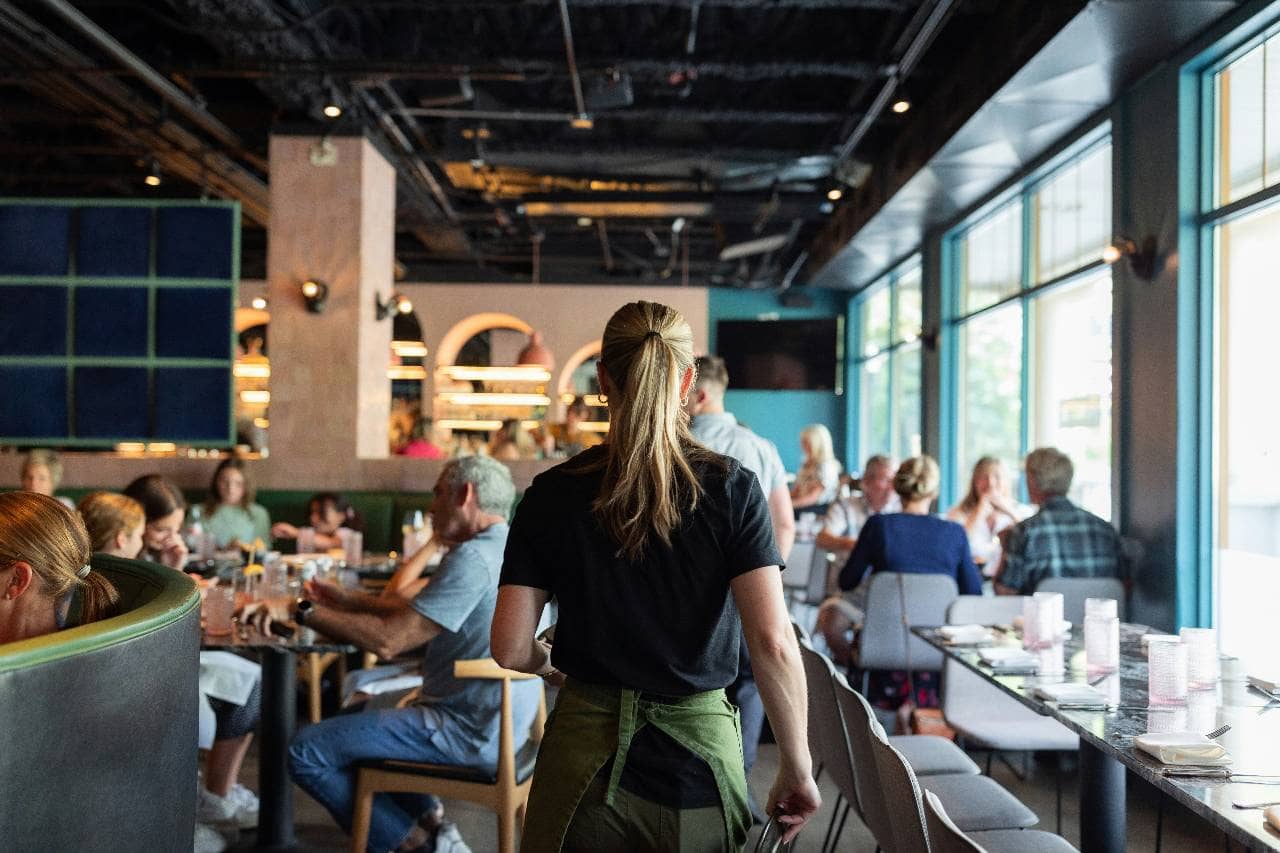
Learn practical ways to reduce labour costs through smarter scheduling, forecasting, productivity, cross-training, automation, overtime control, and performance monitoring strategies.
Aug 26, 2026
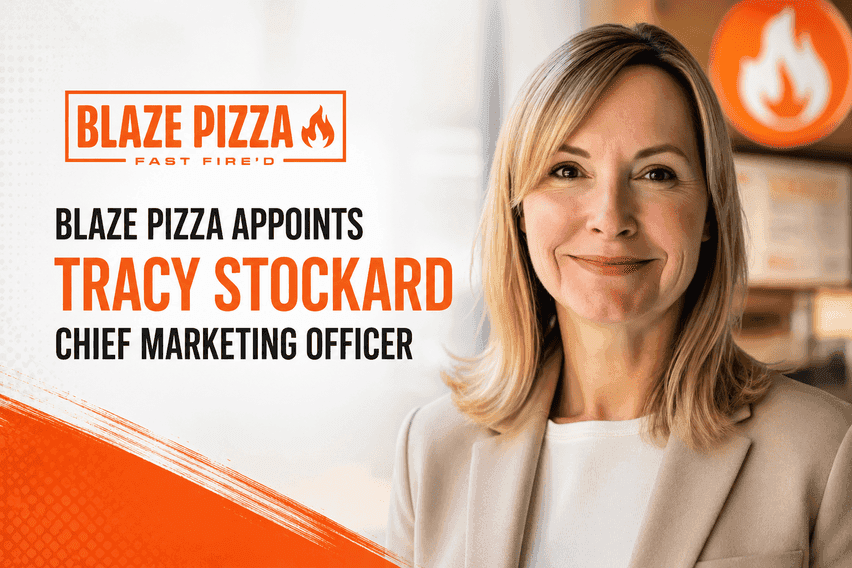
Blaze Pizza welcomes Tracy Stockard as Chief Marketing Officer, bringing decades of brand and franchise experience to drive strategic growth and guest engagement.
Aug 25, 2026

Levain Bakery appoints Lorna Sommerville and Taya Stenson as co-CEOs, blending operational and marketing expertise to power national expansion and innovation while staying rooted in its brand values.
Aug 25, 2026

Create a practical restaurant marketing plan by setting goals, targeting customers, choosing channels, budgeting wisely, scheduling campaigns, and measuring results.
Aug 24, 2026

Unlock Exclusive Access To Webinars, Events, And The Latest News For Free!
Discover how Starbucks revamped its menu by simplifying and introducing flat fees for customization, along with insights into its pricing strategy.
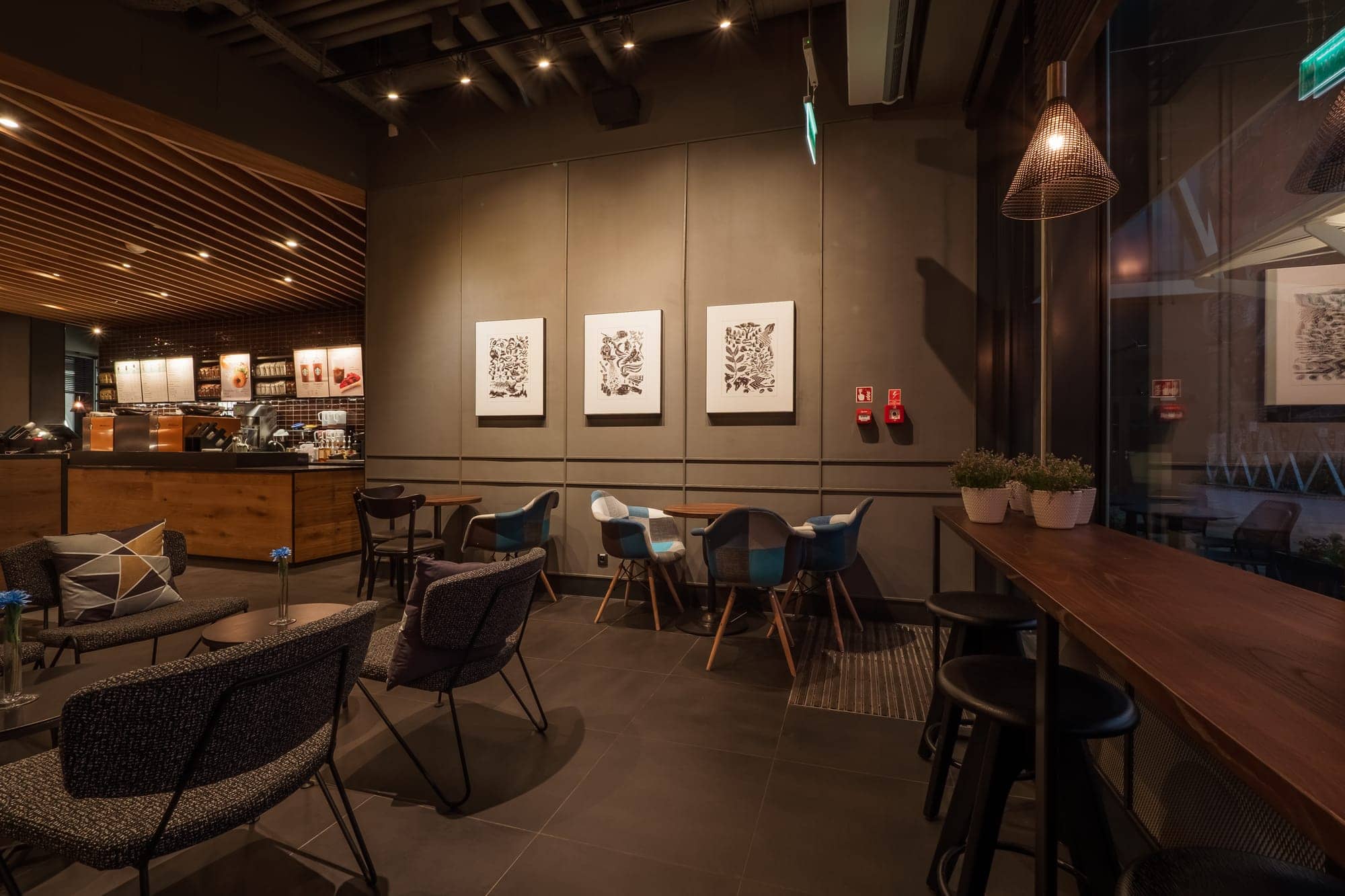
Upon CEO Brian Niccol's joining Starbucks, the brand initiated a significant shift in its pricing and customization strategies. Recognizing the ineffectiveness of discounts in driving traffic, Starbucks aimed to streamline its pricing system. Niccol emphasized the need for transparency, as customers were often surprised by the additional charges for customizations. In response, Starbucks introduced a flat fee for adding sauces or syrup modifiers, simplifying the pricing structure and enhancing clarity for consumers.

In a bid to reduce complexity and improve operational efficiency, Starbucks made decisive moves to declutter its menu. By removing less popular drinks and planning to slim down the menu by 30%, the brand aimed to offer a more focused selection of beverages. This strategic menu simplification not only reduces wait times for customers but also allows baristas to execute orders more swiftly, enhancing overall service quality.
.jpg&w=3840&q=70)
Customers often crafted elaborate drink orders with complex modifiers, leading to challenges in execution and compromising the drink quality. To address this, Starbucks implemented more 'guardrails' for customizations. By guiding customers towards more structured modifications, the chain ensures a smoother ordering process and maintains the integrity of the beverages. This shift also aligns with Niccol's vision of constructing drinks in the most optimal way, focusing on enhancing the overall drink experience.
As part of the revamped pricing strategy, Starbucks introduced additional fees for certain customizations. Customers now incur charges when adding products like chai concentrate, matcha powder, or dried fruit to their orders. By adjusting pricing based on the added components, Starbucks aims to reflect the actual costs associated with these premium additions. For instance, the pricing discrepancy for adding matcha powder to matcha drinks showcases a nuanced approach to pricing based on product type and quantity.