.png&w=3840&q=70)
Wendy's Top Franchisee Bankruptcy Exposes Growth Risks
Meritage Hospitality's Chapter 11 filing pulls 5% of Wendy's U.S. stores into bankruptcy, exposing cracks in franchising's bigger-is-safer bet.
Franchising
Sep 21, 2026
Meritage Hospitality's Chapter 11 filing pulls 5% of Wendy's U.S. stores into bankruptcy, exposing cracks in franchising's bigger-is-safer bet.
Sep 21, 2026
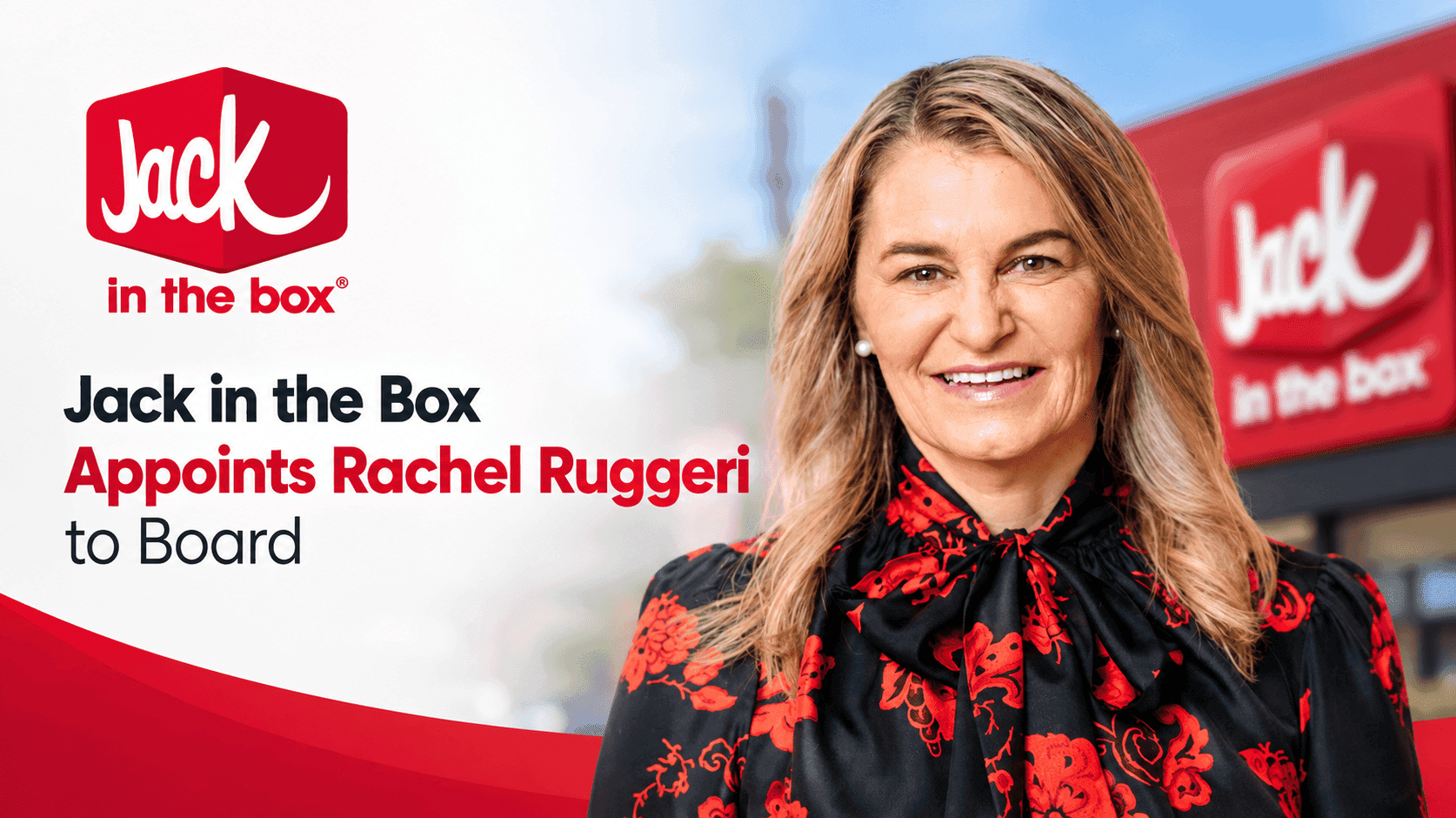
Jack in the Box names Rachel Ruggeri to its board as Michael Murphy retires, amid a CEO transition and deal with investor GreenWood.
Sep 21, 2026
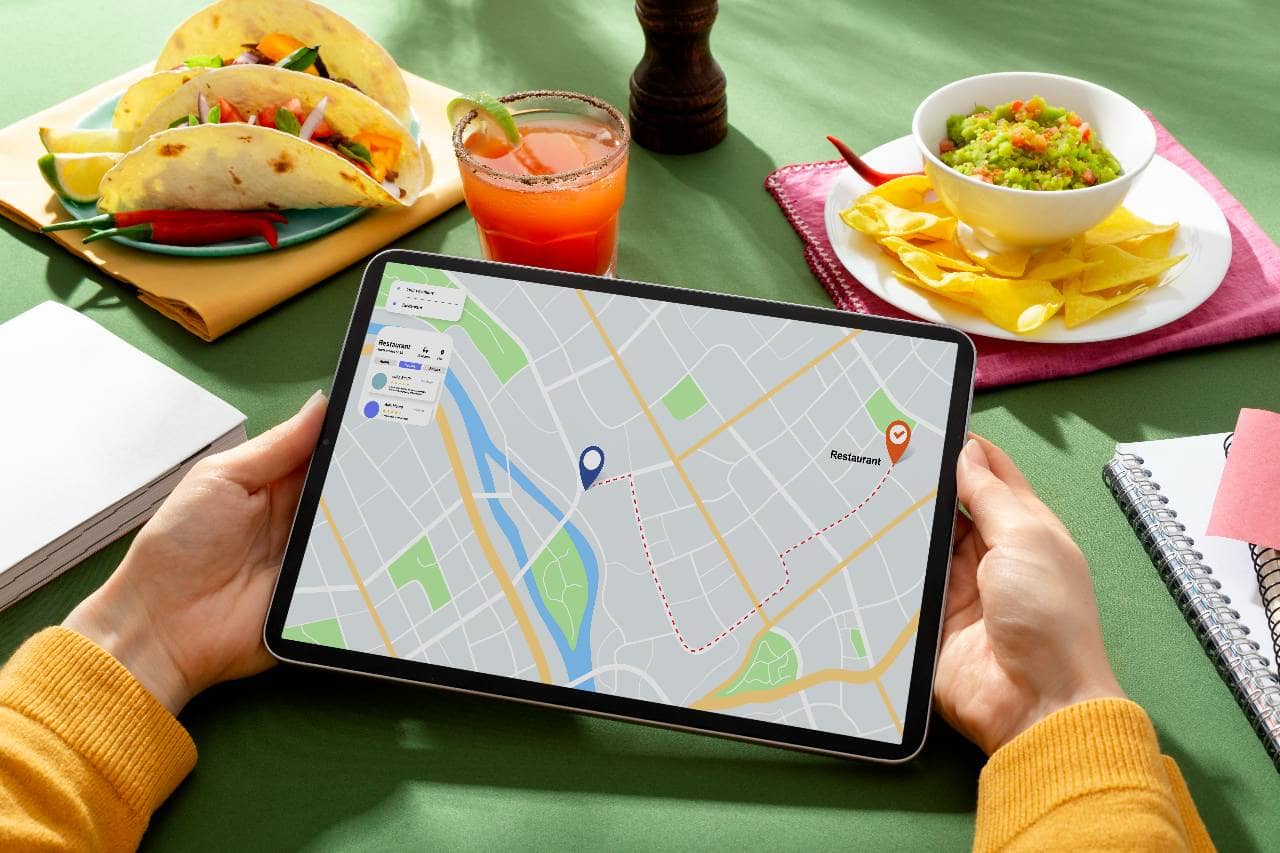
Improve restaurant Google Maps rankings by optimizing your business profile, selecting accurate categories, gathering reviews, adding photos, and strengthening local relevance signals.
Sep 21, 2026

Restaurant inventory tracking helps owners monitor stock, control food costs, reduce waste, improve purchasing, and make informed operational decisions.
Sep 21, 2026
Understand how to forecast restaurant revenue and expenses with methods for sales projection, cost scaling, fixed-cost planning, and risk buffering.
Sep 18, 2026
Restaurant owners can significantly reduce restaurant costs by leveraging technology across inventory, labor, procurement, forecasting, and administrative operations for better profit margins.
Sep 18, 2026

everbowl names Anna Gabele Brand President and Natalie Trzcinski COO, pulling both from Jack in the Box to guide its next growth phase.
Sep 18, 2026

Mountain Mike's Pizza hires Jack in the Box veteran Sheena Dougher as CMO to drive national growth while preserving its regional brand identity.
Sep 17, 2026
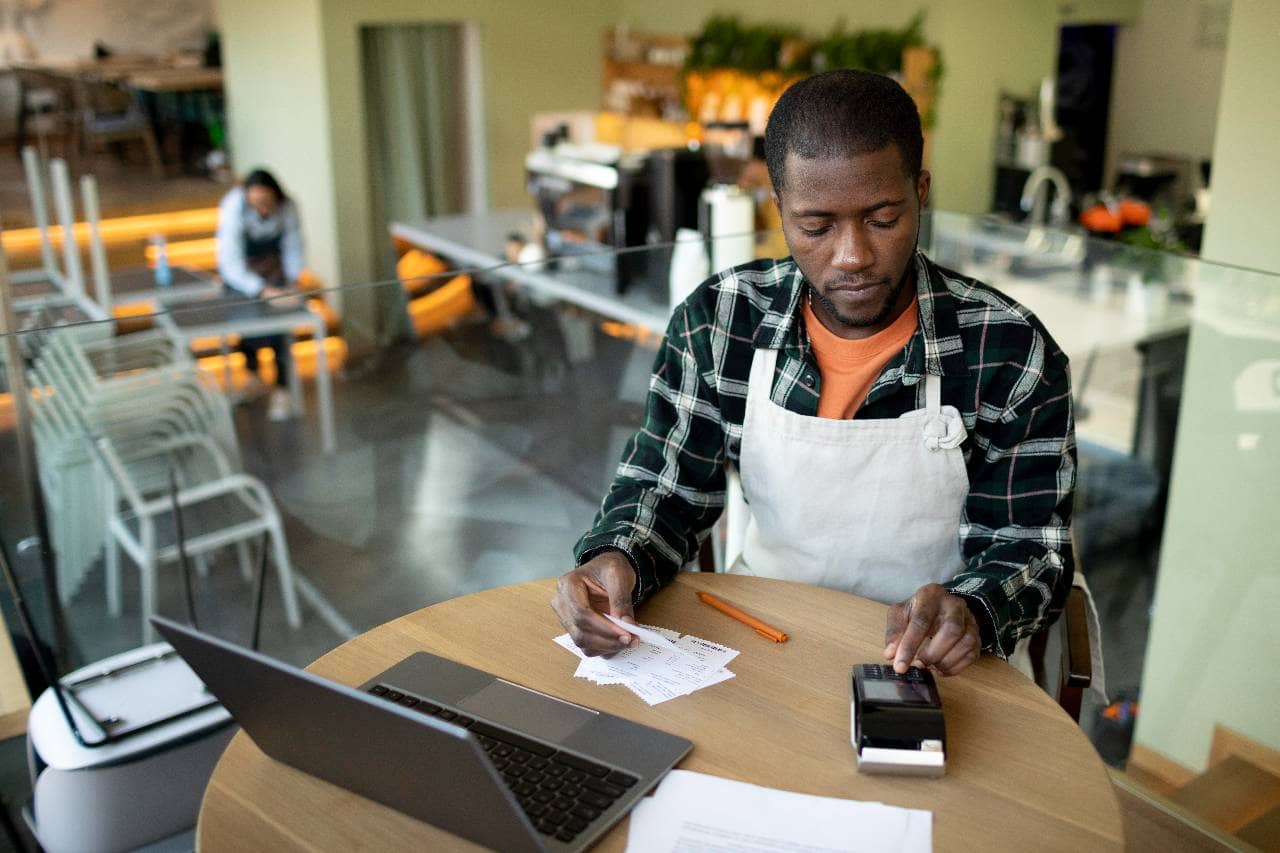
From fixed costs to contribution margin, learn exactly how to calculate your restaurant's break even point with confidence.
Sep 16, 2026

DoorDash pays $425M for Wonder's campus dining platform and a stake in Wonder, betting on robotic kitchens and institutional foodservice growth.
Sep 16, 2026

Unlock Exclusive Access To Webinars, Events, And The Latest News For Free!
Starbucks is hiring more than 300 coffeehouse coaches nationwide following a successful 62-store pilot, as the coffee giant works to double store leadership capacity and fill 90% of retail leadership roles through internal promotions.
.png&w=3840&q=70)
Starbucks has begun nationwide hiring for a newly created coffeehouse coach position, following a successful pilot across 62 US stores. The coffee giant expects to fill more than 300 positions within the next month and thousands more before the end of the year, as part of a broader effort to double coffeehouse leadership in most US stores by next year and fill 90% of retail leadership roles through internal promotions. The full-time role is designed to provide additional leadership coverage throughout the day, support partner development in real time, and create greater consistency in store operations- addressing a gap that store leaders have long identified as one of their most persistent operational challenges. For Starbucks, which is in the middle of its "Back to Starbucks" turnaround under CEO Brian Niccol, the investment in floor-level leadership represents a tangible expression of the belief that better execution starts with better people support.
The coffeehouse coach concept was first unveiled during Starbucks' Leadership Experience event in Las Vegas last year, where more than 14,000 store leaders gathered to hear about the company's direction. Since then, the brand has tested the role across six US markets, and the results have been sufficiently positive to justify a national rollout. Pilot stores showed a meaningful relationship between expanded leadership coverage and improved store execution, with more than 90% of coffeehouse coach positions filled through internal promotions- a figure that speaks directly to the programme's role as a talent development tool as much as an operational one. The decision to move from pilot to nationwide deployment within months of those results reflects the urgency with which Starbucks is approaching the people investment side of its turnaround strategy.
The coffeehouse coach is not a shift supervisor and is not intended to replicate what shift supervisors already do. The role sits in a distinct space between the existing barista and coffeehouse leader positions, providing a level of leadership presence and contextual authority that has previously been absent in many stores. The practical impact is twofold. First, it ensures that a senior leadership presence is available throughout the week- including on days when the coffeehouse leader is off- without placing the full weight of that responsibility on shift supervisors who may not yet have the experience or authority to handle every situation. Second, it frees coffeehouse leaders from the tension between floor time and administrative responsibilities, allowing them to focus on planning and partner development without sacrificing coverage.
Jazzy, a coffeehouse leader in Chicago who participated in the pilot, put the operational impact in plain terms. "One thing that I can say that wasn't possible before- I have a higher level of leadership in the building seven days a week," she said. "On the days that I'm off, Michelle is there. On the days that she's off, I'm there. We try to stagger our shifts so that we can make sure that we're supporting our team all dayparts and we don't miss anybody." She also addressed the challenge of balancing administrative responsibilities with floor presence- a tension that many store leaders across the industry recognise as one of the most draining aspects of the job. "Having a coffeehouse coach, not only am I able to complete these tasks, but we're aligned when it comes to our roles. She knows everything that a coffeehouse leader's responsibilities are, and she can execute them when I'm not there."
Beyond the operational and development benefits, Jazzy pointed to something less quantifiable but arguably just as important- the impact on customer relationships. With a consistent additional leadership presence in the store, regular customers have begun building genuine connections with the coffeehouse coach in the same way they have with other familiar faces behind the counter. "I love the fact that I have so many regulars and they say things like, 'Oh, I told Michelle yesterday, everything worked out for my daughter's wedding planning,'" Jazzy said. "It feels good to know that they're comfortable with having another person of leadership in the building and they're building those relationships with them too." For a brand that has made the restoration of the in-store experience a cornerstone of its turnaround, that kind of human connection is precisely what the programme is designed to cultivate.
One of the most significant dimensions of the coffeehouse coach role is what it represents for baristas who want to move into leadership but have not previously had a clear or accessible entry point. The position is explicitly designed as a first step into management- a role that develops leadership skills in a real-world context while providing the store with genuine operational value. More than 90% of pilot positions were filled by internal candidates, suggesting that the appetite for this kind of structured progression already exists within Starbucks' partner base. "If you have the will you can develop the skill," Jazzy said. "One thing that I look for in any type of leadership is just having the people skills- being able to get out there and talk to people." For a company aiming to fill nine in ten leadership roles from within, building that pipeline at the store level is not just a talent strategy- it is the foundation of sustainable long-term growth.
