Mountain Mike's Pizza Names Sheena Dougher CMO
Mountain Mike's Pizza hires Jack in the Box veteran Sheena Dougher as CMO to drive national growth while preserving its regional brand identity.
Franchising
Sep 17, 2026
Mountain Mike's Pizza hires Jack in the Box veteran Sheena Dougher as CMO to drive national growth while preserving its regional brand identity.
Sep 17, 2026

From fixed costs to contribution margin, learn exactly how to calculate your restaurant's break even point with confidence.
Sep 16, 2026

DoorDash pays $425M for Wonder's campus dining platform and a stake in Wonder, betting on robotic kitchens and institutional foodservice growth.
Sep 16, 2026
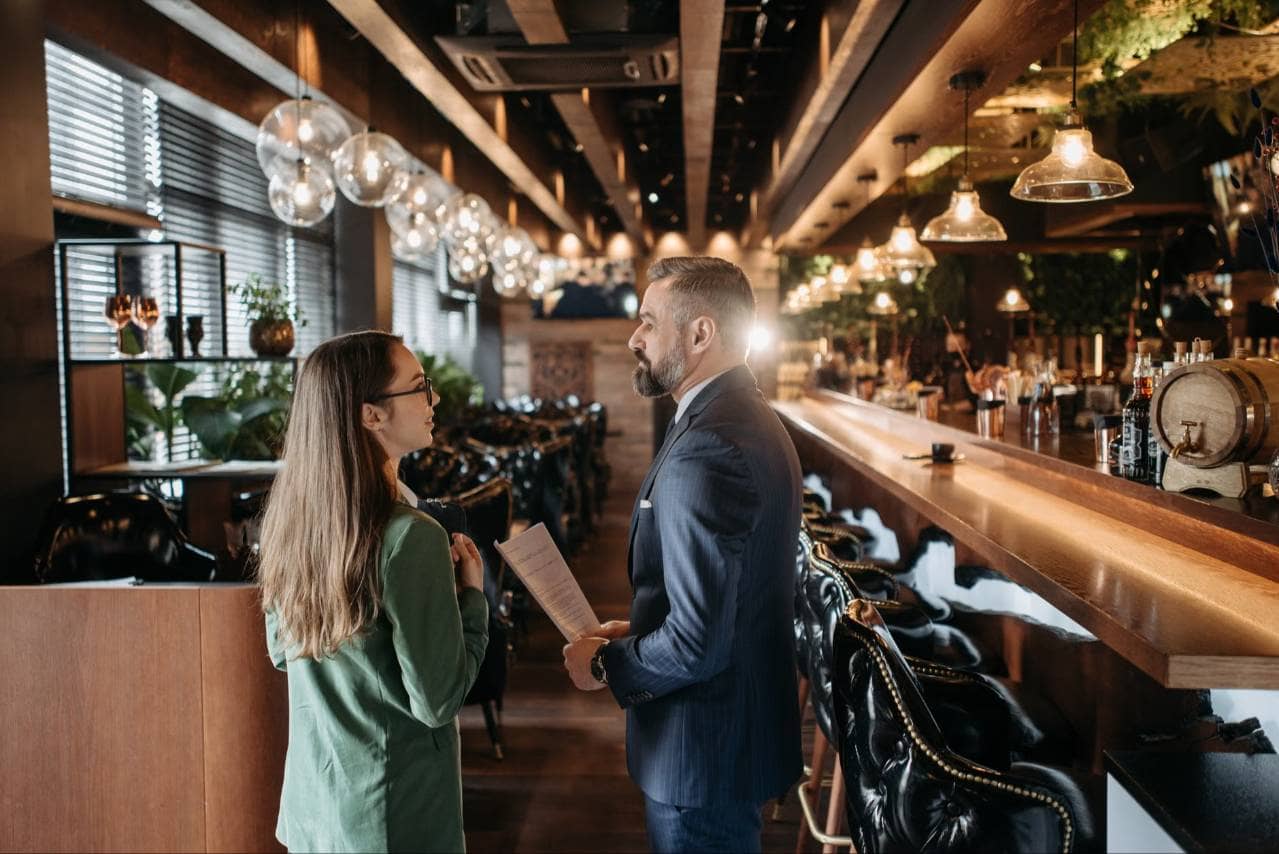
Discover the most common reasons restaurants fail, including inconsistent food quality and pricing mistakes, plus practical ways to avoid them.
Sep 16, 2026
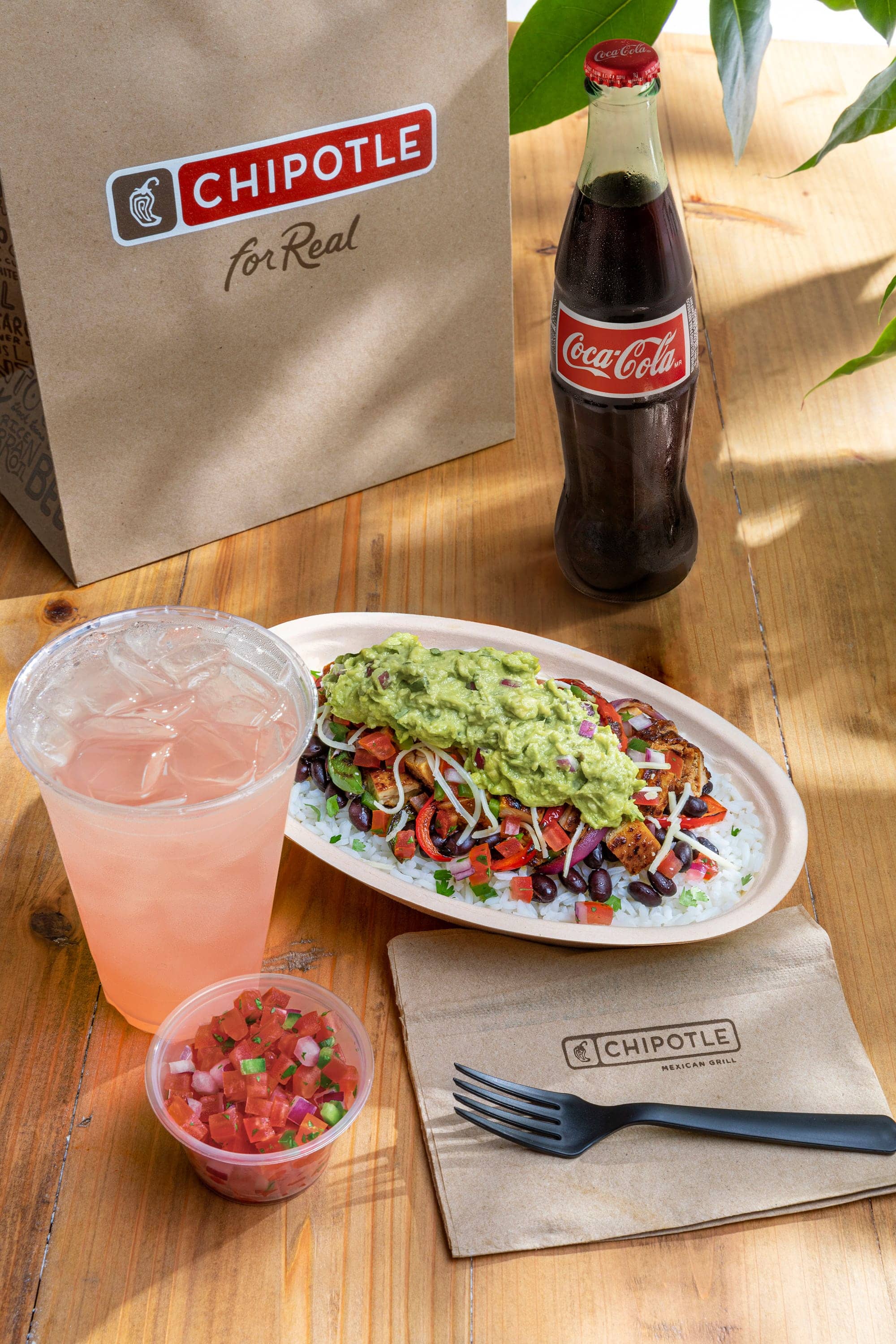
Chipotle names former KFC global CEO Sabir Sami to its board as the chain expands into Mexico, Saudi Arabia, and South Korea.
Sep 15, 2026

LeBron James joins Mike's Red Tacos as an investor, backing the birria chain led by Blaze Pizza and Dave's Hot Chicken veteran Bill Phelps.
Sep 15, 2026

Practical payroll compliance checklist for restaurant owners covering wage rules, tips, overtime, taxes, deductions, and recordkeeping to reduce legal risk.
Sep 14, 2026
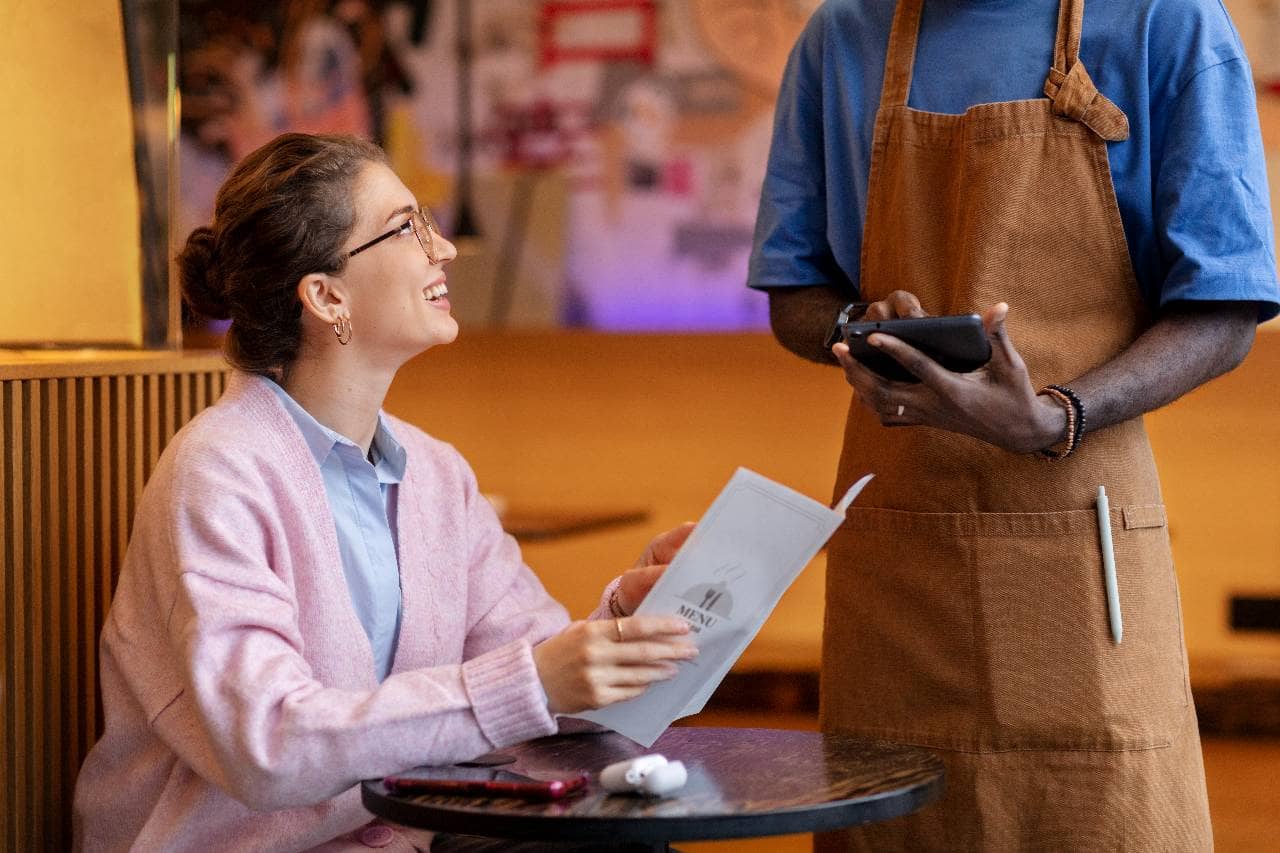
Discover practical promotion ideas - time-based deals, loyalty programs, local partnerships, and digital marketing - to boost restaurant foot traffic consistently.
Sep 14, 2026
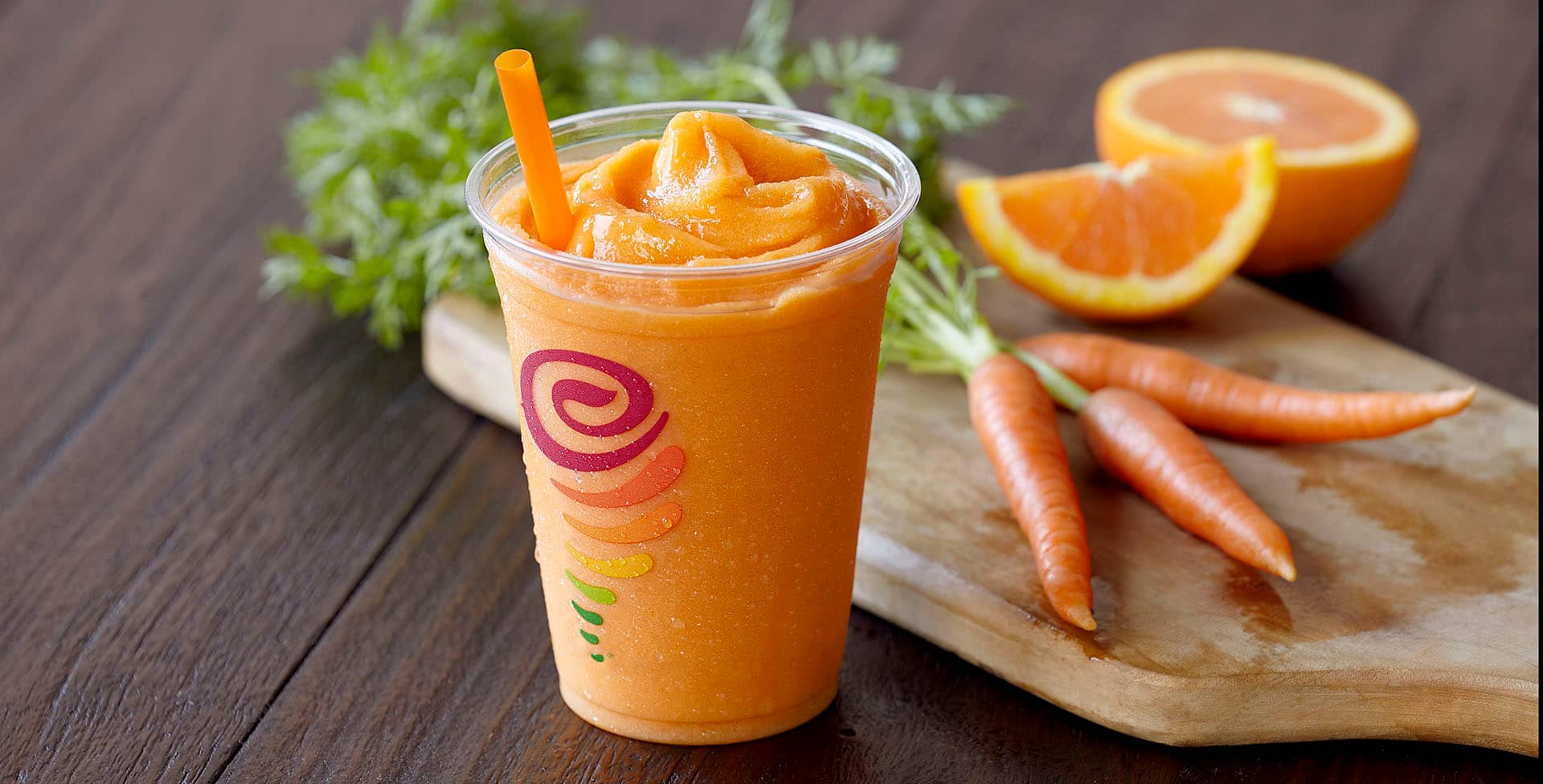
Lucy Brady joins Jamba as president to lead digital-first growth strategy. GoTo Foods restructures leadership to strengthen franchise platform capabilities.
Sep 14, 2026
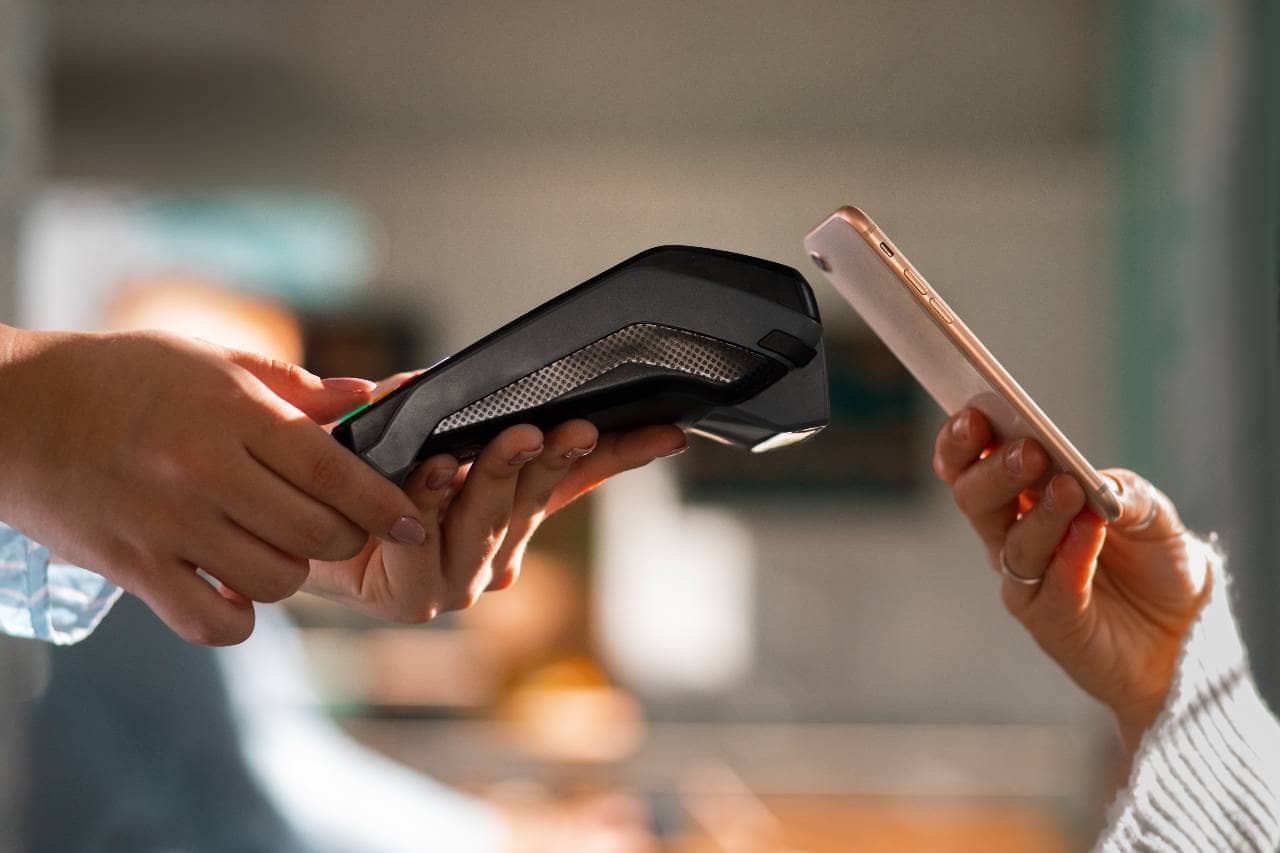
Contactless payment offers restaurants faster transactions, better security, and improved customer experience, making it a valuable, worthwhile technology investment today.
Sep 11, 2026

Unlock Exclusive Access To Webinars, Events, And The Latest News For Free!
Brian Niccol’s “Back to Starbucks” plan leans on speed, simplicity, and a revived third place. Early results and industry parallels show a disciplined turnaround taking shape.

Photo by engin akyurt
When Brian Niccol took the helm at Starbucks on "September 9, 2024," the brand’s two biggest markets, the U.S. and China, were sliding. Traffic and sales were down. Analysts pointed to weakening demand, a tired in-store experience, and a menu that wasn’t sparking much joy on the food side. That’s a rough trio for a company built on buzz, pace, and a welcoming third place. In response, Niccol hit go on a “Back to Starbucks” plan designed to bring lapsed customers home and put coffee back in the driver’s seat. The blueprint mixes urgency with restraint. Rather than chase shiny objects, the plan calls for a coffee-first identity, cleaner operations, and stores that feel both welcoming and efficient. Early indicators are starting to flicker: operational tweaks are visible on the floor, and shareholder reaction suggests confidence that a real reset is underway. It’s not victory lap time yet, but the ground is shifting. The takeaway is simple: fix what guests feel first. Starbucks is spotlighting the basics, speed, warmth, and focus, because that’s how you win back mornings, afternoons, and everything in between. It’s the classic back-to-basics move, executed with a clock running. Analysis: The timing and scope show a high-stakes handoff with pressure to deliver quick wins while repairing core experience gaps; the launch of a “Back to Starbucks” plan signals a direct response to the specific issues cited.
Investor frustration set the table. Activist investor Elliott Management called Niccol’s appointment a "transformational step forward," while Howard Schultz underscored the moment, describing him as "the leader Starbucks needs at a pivotal moment." That pairing, activist pressure and founder-level endorsement, gave Niccol both urgency and cover to act. No mixed signals from the top. His track record didn’t hurt. At Chipotle, Niccol stepped into post-crisis turbulence and got very practical very fast. He greenlit Chipotlane mobile pickup lanes that now account for "around 80 percent" of new stores and generate "15 percent" more sales. Analysts clocked the stock rising "some 773 percent" under his watch. That’s not a vibe; that’s a playbook. This history sets expectations for Starbucks: speed where it counts, convenience that doesn’t dilute the brand, and operational levers that move sales without reinventing the concept. Shareholders saw a leader who understands throughput and hospitality can actually lift each other. For a coffee chain with line dynamics that define the daypart, that’s a big win. Analysis: Activist backing, board alignment, and quantifiable results from Chipotle give Niccol immediate legitimacy; the Chipotlane metrics preview an operator inclined to improve speed and revenue while protecting core use cases.

The immediate moves leaned into Starbucks’ DNA. The company re-centered on coffee and set a clear speed target, order-to-hand-off times "under four minutes", supported by simpler menus and sharpened workflows. On the feel side, ceramic cups, condiment bars, and free refills came back to life, reviving the "third place" experience that made Starbucks a habit for millions. The signal: hospitality isn’t a museum piece; it’s an operating choice. The scorecard started to nudge in the right direction. Within months, same-store sales declined "4 percent" versus an expected "4.6 percent," framing stabilization against a tough backdrop. Since Niccol’s appointment, shares rose "nearly 30 percent," a sign that investors see the early plays landing. Not perfect, but in the right direction, and visible to guests. This is a simple equation: speed reduces friction; warm cues keep you hanging around. Blending both is harder than it looks, but when it clicks, the line moves faster and the brand feels more itself. Starbucks is betting it doesn’t need gimmicks, just a clean, confident coffeehouse that respects your time. Analysis: The plan balances symbolic restorations with measurable service goals, suggesting the company views experience and efficiency as mutually reinforcing levers rather than trade-offs.

To hit speed targets consistently, Starbucks started clearing the runway. In early 2025, the company announced a "30 percent" reduction in both food and beverage SKUs to "clear the noise" and enable faster execution. Simplification frees up baristas to focus on the drinks guests order most and opens capacity for meaningful innovation instead of menu clutter. It’s operational housekeeping with a revenue purpose. Structure got a trim, too. Starbucks eliminated about "1,100" corporate roles to reduce redundancies and flatten the org, while protecting store-level staffing and customer-facing investments. Later in 2025, Niccol detailed another "900" non-retail reductions and the closure of underperforming locations, projecting a net "1 percent" decline in company-operated North American units by the end of fiscal 2025. Even as the footprint tightens, the company committed to uplifting "over 1,000" locations with richer, warmer designs and signaled growth will be sustained in fiscal 2026. This is the classic one-two: simplify, then reinvest where the guest feels it. Cutting SKUs and layers speeds decisions. Refreshing stores makes the coffee taste better emotionally. That balance matters when you’re chasing throughput and loyalty at the same time. Analysis: SKU rationalization, headcount restructuring, targeted closures, and selective reinvestment follow a well-worn turnaround cadence, streamline the system, then direct resources to high-impact assets while setting up the next fiscal year.
The human side of the reset is just as deliberate. Starbucks rolled out the Green Apron Service initiative, backed by smart queue technology and increased in-store staffing. The goal: improve throughput while leaving room for real interactions. That’s where hospitality earns its keep. Assistant managers were added, and “host” roles appeared on the floor, guiding traffic and smoothing edges during crunch times. The company reports sequential monthly traffic improvements in recent quarters, with a notable rebound among non-Rewards customers. That detail matters. It suggests the fixes are reaching beyond the loyal base and pulling back the casually curious, people who may have drifted due to clunky waits or a thinner vibe. When your non-Rewards traffic wakes up, you’ve got momentum. Intentionally staffing for speed and connection is a smart trade. Tech sets the pace; people seal the experience. Done right, the line moves, the coffee lands hot, and the store still feels like a place you want to be. For a coffee-first brand, that’s worth the trip. Analysis: Blending technology with targeted labor investments is designed to stabilize service quality; early gains among non-Rewards guests indicate the changes are resonating with a broader audience.
Starbucks isn’t the only operator working from a tighter, execution-first script. Chains like Potbelly, Chili’s, and BJ’s Restaurants have leaned on focused operations and clear messaging to rebuild momentum. Chili’s, under Kevin Hochman since 2022, posted record-setting results in the fiscal year ending June 25, 2025, with "transaction growth of 22 percent" and more than doubled net income, fueling corporate bonuses at "200 percent of target rates." Reporting links those results to aggressive value marketing and sharp social media engagement. Potbelly, led by Bob Wright, has pushed fundamentals higher and strengthened revenue per unit while building a franchise pipeline. BJ’s Restaurants, after promoting Lyle Tick to CEO in June, rolled out menu tweaks and operational tools that delivered early positives. The common thread: boards are recruiting leaders who can "paint the plane while flying it", operators with industry fluency and the emotional intelligence to shepherd teams through change. In that light, Starbucks’ mix of simplification, store refreshes, and a service model tuned for both pace and warmth looks right on trend. This is a sector learning to prioritize measurable, guest-facing improvements over grand gestures. It’s operational rigor, not flash. Analysis: Cross-chain results reinforce the value of execution-centric leadership; Starbucks’ approach maps closely to what has driven recent wins elsewhere.
Encouraging signals don’t end the story. Starbucks has reported sequential traffic improvements and a comp decline of "4 percent" versus "4.6 percent" expected, solid green shoots, but durability across multiple quarters isn’t established here. The path includes more complexity: a projected net "1 percent" unit decline in North America through fiscal 2025 as underperforming stores close, even as "over 1,000" locations get a design lift. There’s also a measurement gap to watch. The Green Apron Service, added assistant managers, and “host” roles are built to improve throughput and experience, but this material offers limited quantification of sustained sales or margin impacts. That doesn’t undercut the direction; it just sets the bar for the next wave of reporting. Turnarounds aren’t tidy. They move in steps: fix the line, refresh the room, clarify the menu, win back the walk-ins, then prove it sticks. Starbucks has cleared the first hurdles with visible changes and stabilized comps. The next chapter is about consistency. Analysis: Momentum is evident, yet longer-term outcomes remain to be proven; visibility around closures and precise returns on service investments will shape confidence moving forward.

So what’s the playbook in plain terms? Starbucks under Niccol is pursuing a focused rebuild rooted in speed, simplicity, and the coffeehouse experience. Cuts of "30 percent" in SKUs, corporate streamlining of "1,100" roles followed by "900" more non-retail reductions, targeted closures, and a net "1 percent" unit pullback are being balanced with the uplift of "over 1,000" stores. Since Niccol’s appointment, shares are up "nearly 30 percent," suggesting the market is tentatively on board with the course. The lesson stretches beyond Starbucks: fix the fundamentals, clarify the offering, and reinvest where the guest feels it most. When you align service time, product focus, and store design, you restore trust one visit at a time. That’s how you reclaim lapsed guests without chasing fads. Boards across the industry are betting on leaders who can do this while carrying teams with them. The road ahead points to fiscal 2026 as a growth horizon, with the near term focused on consistency and measurable guest wins. If non-Rewards customers keep coming back, the signs get stronger. Not flashy, just effective. And in this business, that’s the big win you want. Analysis: The disciplined sequence, rebuild speed, simplify assortments, refresh the third place, offers a credible path to durable recovery; sustained gains among non-Rewards guests would validate the strategy.