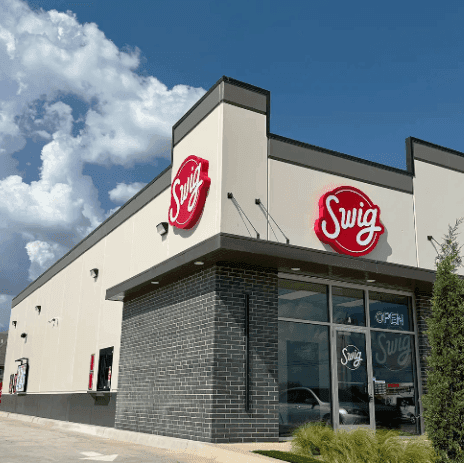
Swig Expands to Denver with 11-Unit Franchise Deal
Swig signs franchise agreement for 11 South Denver locations, marking Colorado entry and validating its national expansion strategy.
Franchising
Sep 8, 2026
Swig signs franchise agreement for 11 South Denver locations, marking Colorado entry and validating its national expansion strategy.
Sep 8, 2026
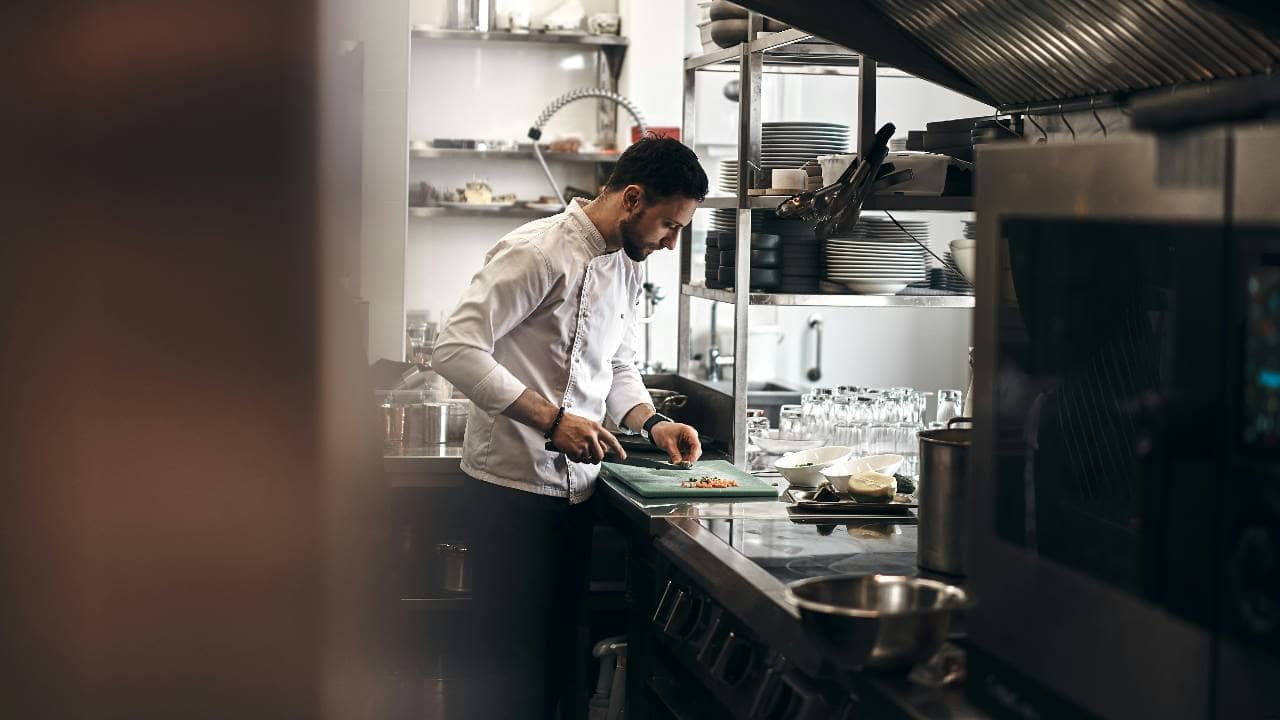
Complete guide helping restaurant owners choose essential kitchen equipment - covering cooking, refrigeration, prep, sanitation, ventilation, safety, and long-term maintenance planning.
Sep 7, 2026
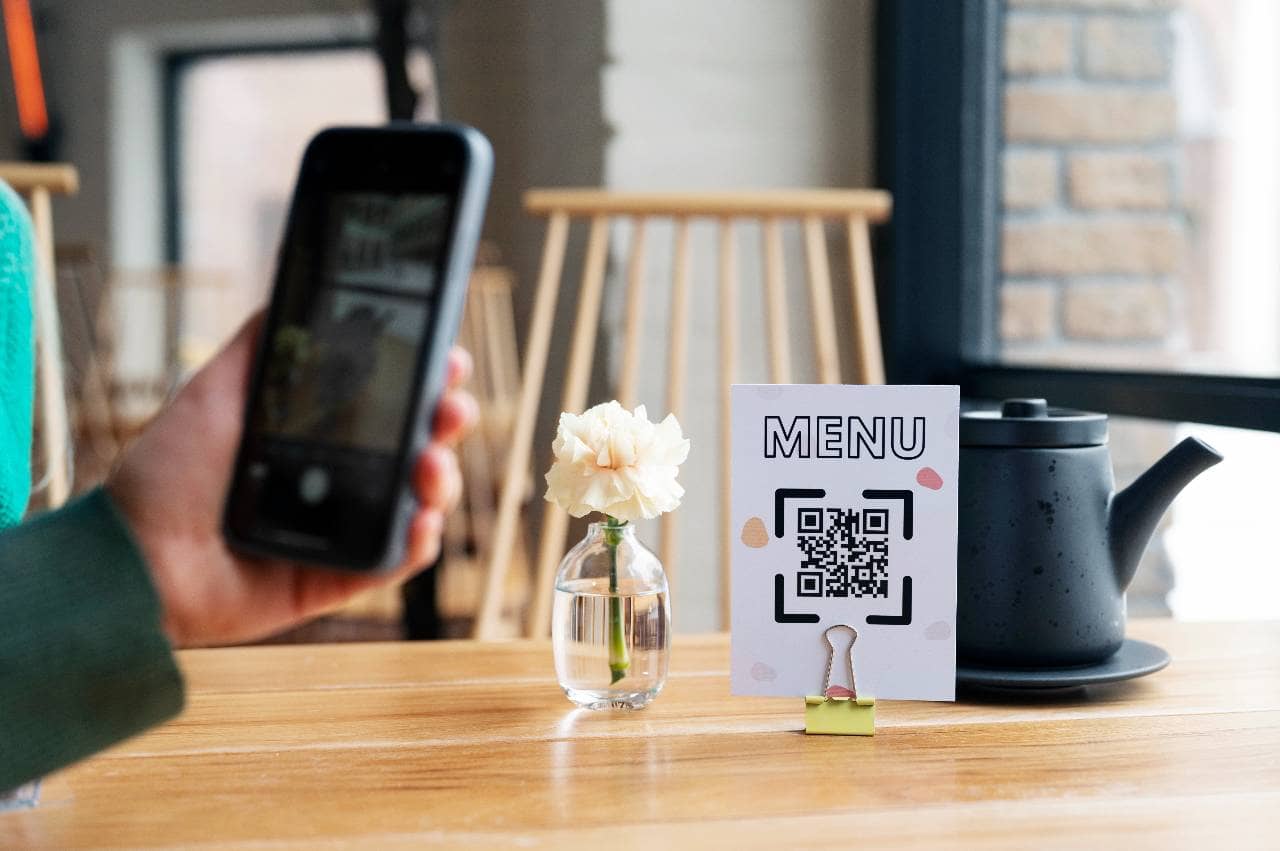
QR code menus let restaurants replace paper menus digitally, enabling instant updates, contactless browsing, ordering, and payment through simple smartphone scanning.
Sep 7, 2026

Avoiding common restaurant payroll mistakes - misclassification, tip credit errors, overtime miscalculations - protects businesses from costly penalties, back pay, and compliance risks.
Sep 4, 2026
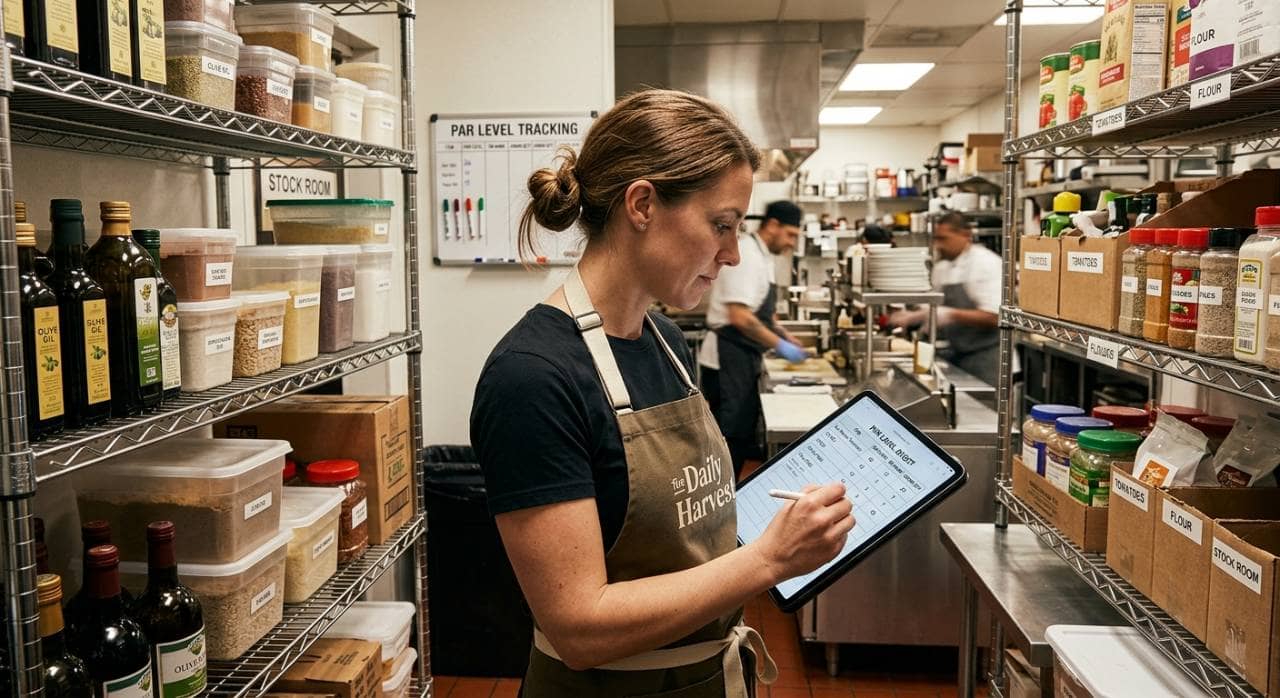
Learn to calculate par levels for restaurant food, beverages, and packaging inventory, preventing stockouts and waste through proper formulas.
Sep 4, 2026
Caribou Coffee appoints Zane Thomas-Rogers as Chief Operations Officer to strengthen execution across its expanding coffeehouse network.
Sep 4, 2026
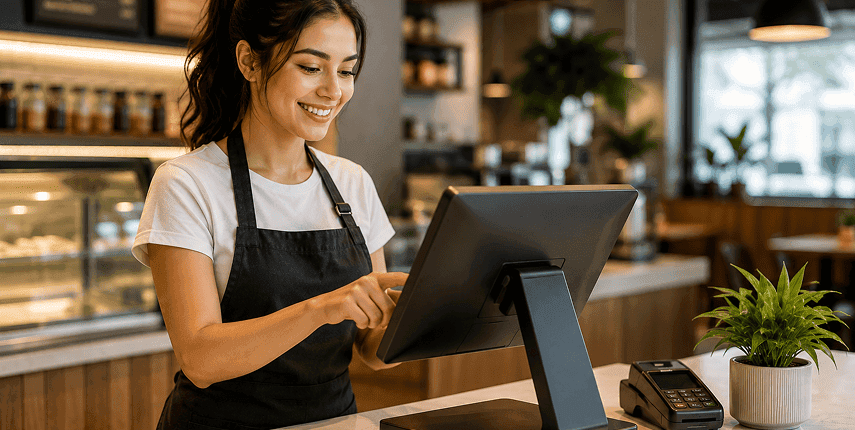
Compare the top 10 restaurant POS systems in the USA for 2026. Explore features, pricing, pros, cons, and the best POS options for every restaurant type.
Jul 1, 2026

Learn how to handle restaurant payroll yourself, from calculating hours and wages to managing tips, taxes, and final paychecks.
Sep 2, 2026
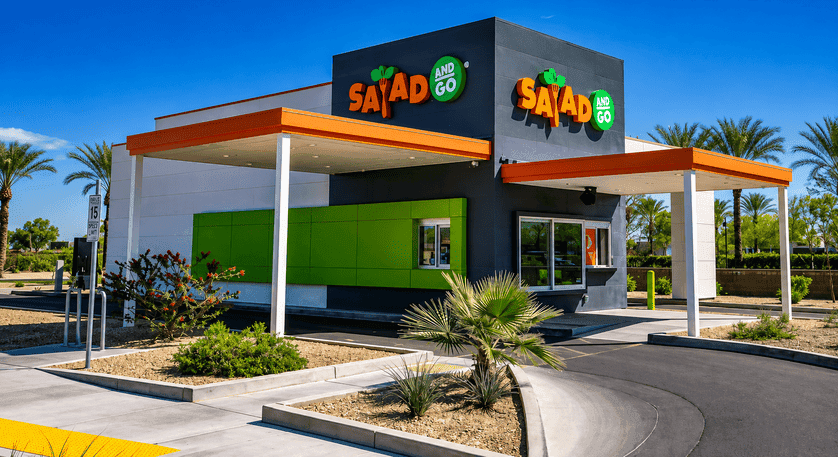
7 Brew has acquired 73 former Salad and Go locations, surpassing Dutch Bros with a $143M bid, signaling a major shift in the competitive landscape for drive-thru brands.
Sep 2, 2026
Restaurant labor management helps owners optimize staffing, control labor costs, improve productivity, monitor overtime, and maintain efficient restaurant operations.
Sep 2, 2026

Unlock Exclusive Access To Webinars, Events, And The Latest News For Free!
Swig signs franchise agreement for 11 South Denver locations, marking Colorado entry and validating its national expansion strategy.
Swig has signed a franchise agreement to open 11 locations across South Denver, marking the brand's formal entry into Colorado and signaling confidence that the customizable beverage concept has transcended regional novelty status. Denver Day Makers LLC will lead the rollout, with the first location opening in mid-2027. The deal reflects broader acceleration: Swig now operates more than 150 locations across 16 states and has simultaneously committed to 25 units in Southern Florida and 10 units in Colorado Springs through separate franchise agreements. What once emerged from a single drive-thru in St. George, Utah, in 2010 has matured into a category leader attracting experienced multi-unit operators.

The dirty soda category, which Swig pioneered by blending fountain sodas with flavored syrups, cream, and other enhancers, has moved from regional curiosity to mainstream beverage phenomenon. Dirty soda menu penetration currently sits at 2% but grows at a rate of 42%, while traditional soda remains flat. The average price point of $5.50 has climbed 6% quarter after quarter, demonstrating that consumers will pay for customization and novelty.
Young Millennials and Gen Z drive the trend, with 60% of males and 40% of females engaging with dirty soda posts across online platforms. Social media conversations related to dirty soda have increased by more than 270% year-over-year. The market is estimated to exceed $70 million with continued upward trajectory.
The partnership with Denver Day Makers reflects Swig's disciplined approach to franchise selection. Rather than pursuing rapid unit acquisition, the brand prioritizes operators with proven operational capability and regional market knowledge. Denver Day Makers brings extensive commercial real estate experience, including a track record in developing retail shopping centers and student housing communities, positioning the group to identify prime South Denver locations aligned with Swig's demographic targets.
This operator profile mirrors Swig's recent partnership strategy: the Florida franchise agreement partners James Laskaris, who operates 80 Dunkin' locations, 11 Baskin-Robbins restaurants, and multiple Zaxby's and Jimmy John's units alongside business partners Spiro Laskaris and Stephen Attard.
CEO Alex Dunn framed the intentionality: "Swig created the dirty soda category by building a brand consumers genuinely connect with. As we expand, we're intentional about partnering with experienced operators who share our long-term vision and know how to execute at a high level. Denver Day Makers brings the development expertise and operational discipline that will help strengthen our presence in Colorado."

Swig's franchise model is engineered for scalability and operational efficiency. The drive-thru-centric footprint operates in spaces as compact as 800 to 850 square feet, eliminating the complex kitchen infrastructure that burdens traditional quick-service franchisees with substantial build-out costs and labor requirements. This streamlined footprint enables operators to reduce capital expenditure, lower operational complexity, and efficiently manage labor across multiple locations.
Current franchise requirements specify a minimum of 10 Swig locations with the ability to build 2 to 3 new stores annually, positioning the 11-unit Denver agreement as typical of Swig's recent multi-unit commitments.
Todd Smith, President of Swig, characterized the expansion as validation of this model: "Demand for the Swig franchise opportunity continues to grow as experienced operators recognize the strength and scalability of our business model. This agreement demonstrates the continued momentum of our development strategy as we expand into high-growth markets across the country."
Performance data reveals that Swig's national expansion strategy is succeeding beyond initial projections. Locations outside Utah are performing roughly 40% to 50% better than stores within the state, according to Andrew K. Smith, managing director and co-founder of Savory Fund, the restaurant-focused private equity firm backing Swig's expansion. This performance gap signals that the concept has moved well beyond its Mountain West roots.
The chain now operates in 23 states and expects to reach about 200 locations by the end of 2026. Smith frames Swig as the "Starbucksification of soda, teas, and lemonades," drawing a parallel to how coffee consumption evolved in America from routine at-home activity to premium, highly customizable purchase.

Major beverage and quick-service operators are actively entering the customizable drink space, potentially fragmenting demand and compressing margins through volume competition. McDonald's, Chick-Fil-A, Applebee's, and Crumbl have adapted and offered their own versions to appeal to a growing consumer base, particularly Gen Z. Category penetration remains at only 2% of restaurant menus nationally, indicating substantial growth runway.
However, rapid expansion into similar demographic profiles raises questions about market saturation at the local level. While out-of-state locations outperform Utah operations by a significant margin, market-by-market performance variation remains undocumented. The transition from founder-led, culturally rooted Utah success to franchised national brand introduces operational consistency risks as the 11-unit Denver rollout scales across unfamiliar regional markets.

The Denver expansion embodies Swig's evolution from regional phenomenon to disciplined national franchise competitor. Success in Denver will serve as a proof point for Swig's replicability in mature, competitive beverage markets where established chains already maintain strong customer bases. The brand's selective partnership approach suggests confidence in long-term demand sustainability over short-term unit growth.
As the dirty soda category gains mainstream acceptance and retail product extensions reach mass distribution, Swig's advantage rests increasingly on execution excellence, local market expertise, and the strength of franchise partnerships. The company's stated goal of achieving 1,000 locations by 2030 depends on consistent replication of this partnership model and demonstrated ability to compete across diverse regional markets while maintaining the brand experience and operational discipline that generated 40-to-50 percent performance premiums outside Utah.