
California Penalizes Dickey's for Franchise Disclosure Violations
California shifts to public enforcement strategy against Dickey's for deceptive franchise disclosures, signaling stricter state-level franchise oversight.
Franchising
Sep 10, 2026
California shifts to public enforcement strategy against Dickey's for deceptive franchise disclosures, signaling stricter state-level franchise oversight.
Sep 10, 2026
Paul Brown temporarily steps away from Inspire Brands as Scott Murphy assumes interim CEO role during confidential IPO filing process targeting late 2026.
Sep 10, 2026
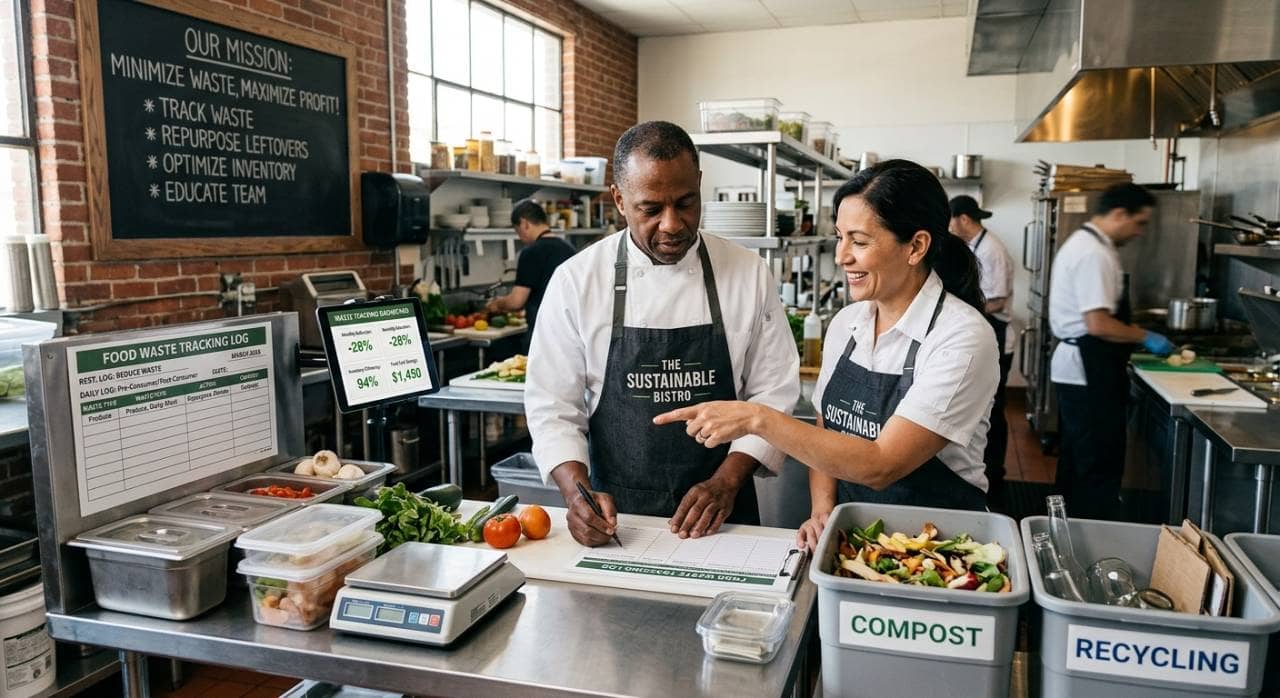
Learn how to reduce food waste in restaurants through smarter purchasing, storage, preparation, and service strategies that cut costs.
Sep 9, 2026
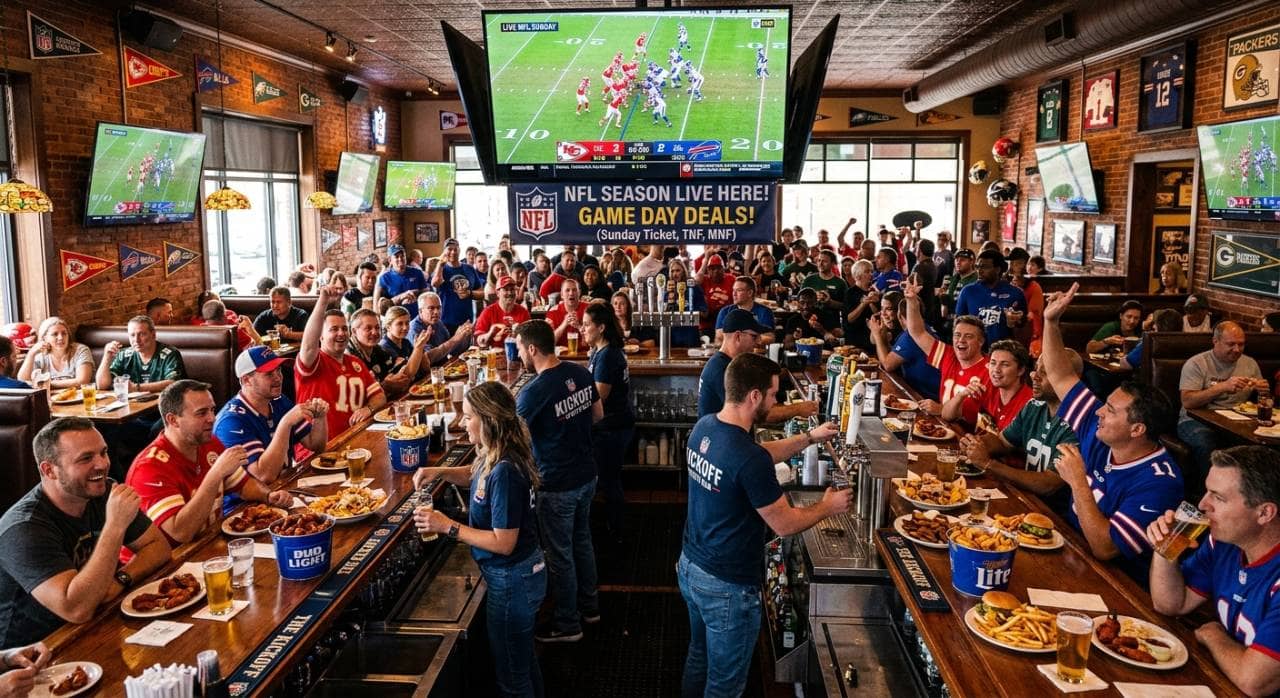
Prepare your restaurant for NFL season with smart menu planning, staffing, marketing, technology, and atmosphere strategies that boost season-long revenue.
Sep 9, 2026
Swig signs franchise agreement for 11 South Denver locations, marking Colorado entry and validating its national expansion strategy.
Sep 8, 2026
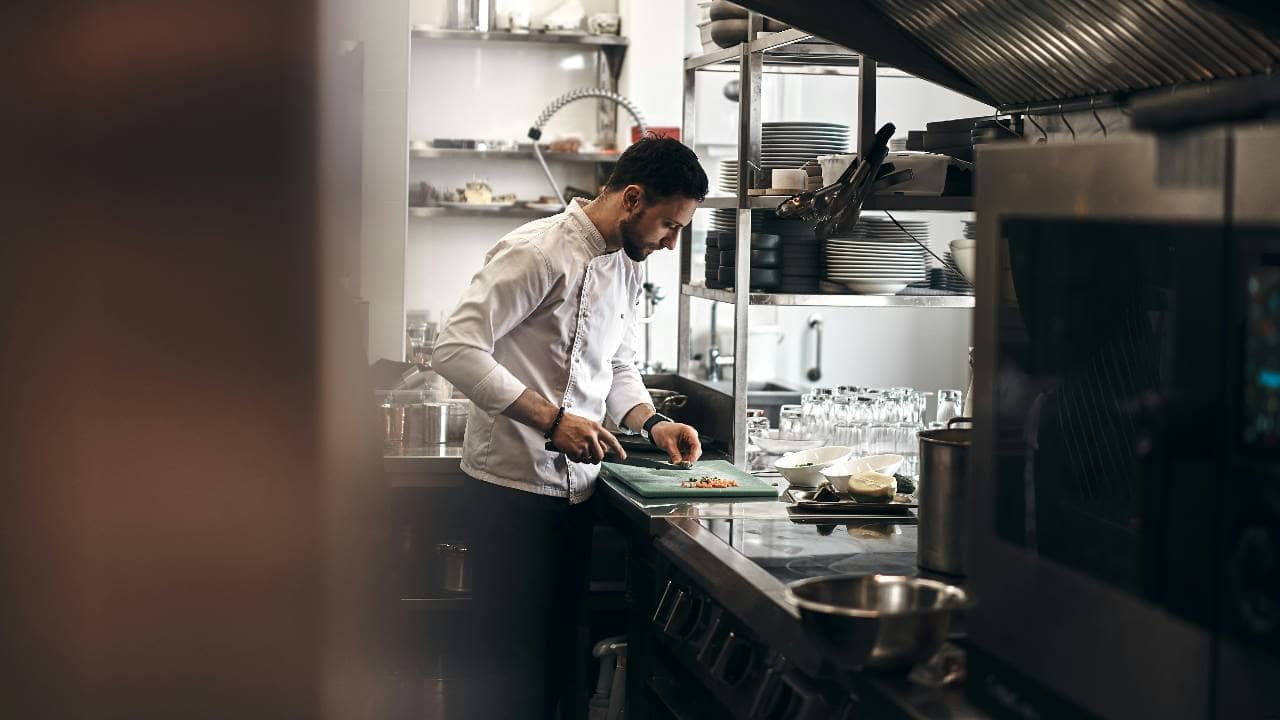
Complete guide helping restaurant owners choose essential kitchen equipment - covering cooking, refrigeration, prep, sanitation, ventilation, safety, and long-term maintenance planning.
Sep 7, 2026
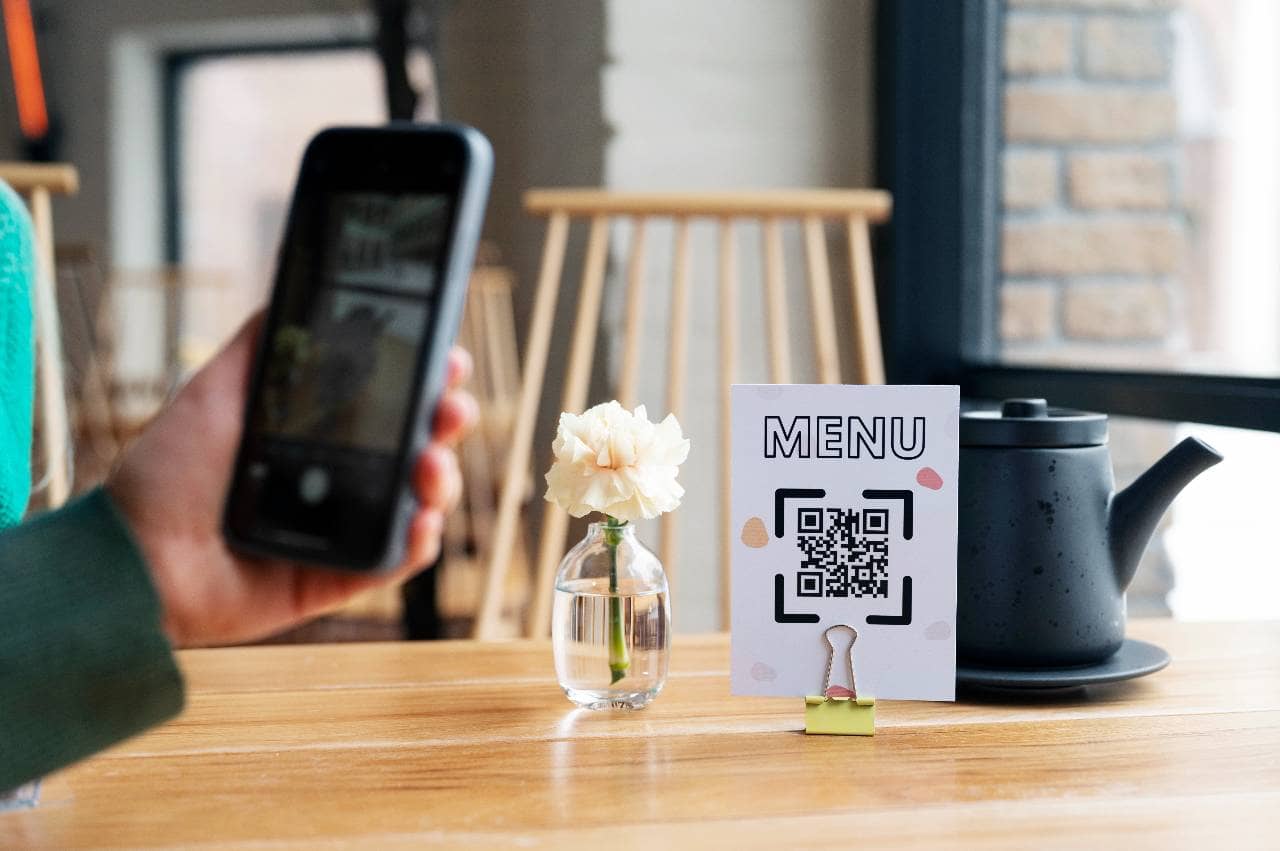
QR code menus let restaurants replace paper menus digitally, enabling instant updates, contactless browsing, ordering, and payment through simple smartphone scanning.
Sep 7, 2026

Avoiding common restaurant payroll mistakes - misclassification, tip credit errors, overtime miscalculations - protects businesses from costly penalties, back pay, and compliance risks.
Sep 4, 2026
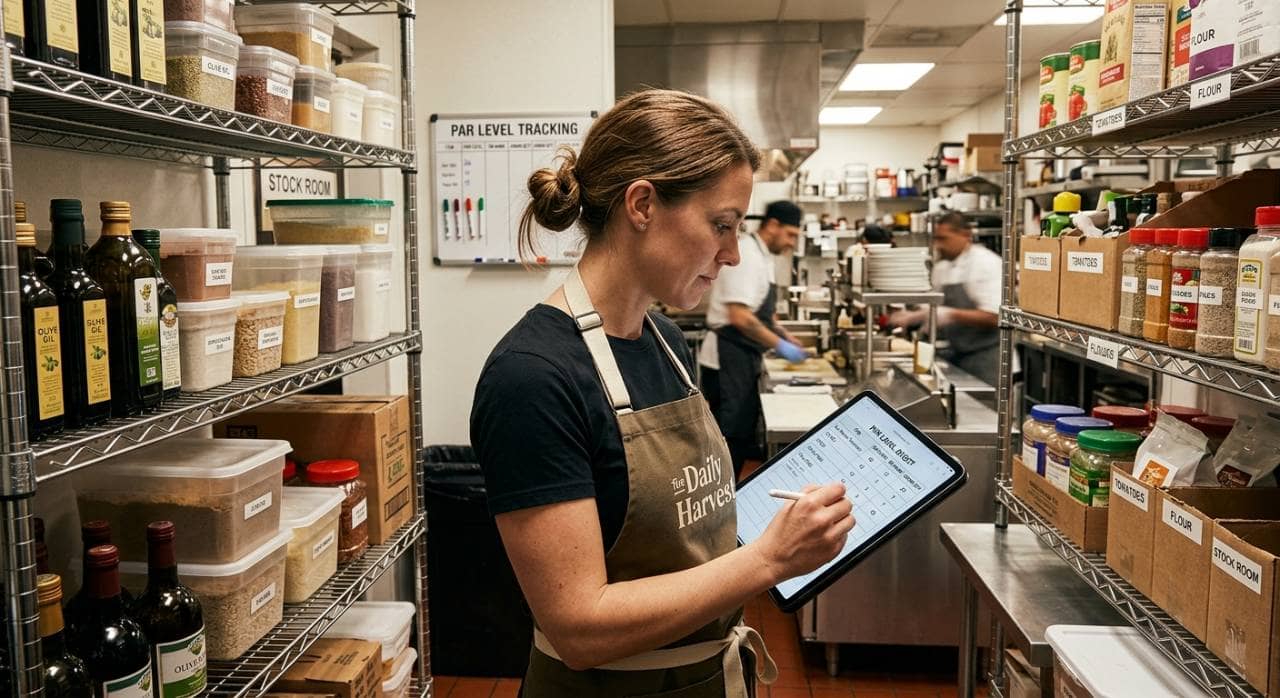
Learn to calculate par levels for restaurant food, beverages, and packaging inventory, preventing stockouts and waste through proper formulas.
Sep 4, 2026
Caribou Coffee appoints Zane Thomas-Rogers as Chief Operations Officer to strengthen execution across its expanding coffeehouse network.
Sep 4, 2026

Unlock Exclusive Access To Webinars, Events, And The Latest News For Free!
A thoughtful look at how wine and cheese pairings elevate modern dining through terroir, texture, and mindful sourcing.

Photo by Melissa Walker Horn
Wine and cheese pairing has long been a refined ritual, a craft that turns a simple bite into a small story told through flavor. In restaurants, wine bars, and catered events, pairing is treated not as an afterthought but as a deliberate craft that can elevate the entire dining narrative. The guiding idea is balance: flavors, textures, and aromas must complement one another to create a cohesive tasting moment. For guests seeking sustainability and nourishment, a thoughtful pairing becomes a quiet, nourishing conversation on the plate. This is how a menu moves from a list of items to a carefully composed moment of care. It invites us to slow down, listen to the ingredients, and choose with intention:
Delicate cheeses tend to align with lighter wines, while bold cheeses demand more robust partners. Creamy Brie shines with a buttery Chardonnay, and Parmesan often meets its match in a tannic wine like Barolo. A diagonal of sweetness and saltiness emerges: semi-sweet Riesling can balance tangy Gorgonzola, while a dry Champagne offsets Camembert’s sweetness. Mozzarella’s mild creaminess pairs well with Sauvignon Blanc or Pinot Grigio; Feta shines with rosé, while Ricotta brightens with Prosecco. Camembert links with Beaujolais, Asiago with Orvieto or Soave, and Manchego with sherry or oaked Chardonnay. Texture matters too: creamy cheeses invite gentle edges in wine, firmer varieties invite structure. These cues inform menu design, wine lists, and events, creating a balanced, nourishing dining experience grounded in authenticity and sustainability.
From a chef’s vantage point, the pairing puzzle begins with texture and terroir. Mozzarella’s mild, creamy character thrives with light to mid-bodied wines like Sauvignon Blanc or Pinot Grigio, and is commonly served with olive oil, tomato, or basil. Feta benefits from rosé when paired with cucumber, tomato, and red onion, while ricotta shines with Prosecco and harmonizes with honey, strawberries, and jam. French Brie is often paired with California Merlot or Chardonnay, accompanied by green apples, pears, fig jam, or honey, whereas Camembert’s earthy notes find harmony in Beaujolais and can be presented with cantaloupe, pecans, and baguette. These region- and texture-driven cues form the backbone of menus that feel authentic yet fresh.
