
everbowl Hires Two Jack in the Box Veterans
everbowl names Anna Gabele Brand President and Natalie Trzcinski COO, pulling both from Jack in the Box to guide its next growth phase.
Franchising
Sep 18, 2026
everbowl names Anna Gabele Brand President and Natalie Trzcinski COO, pulling both from Jack in the Box to guide its next growth phase.
Sep 18, 2026

Mountain Mike's Pizza hires Jack in the Box veteran Sheena Dougher as CMO to drive national growth while preserving its regional brand identity.
Sep 17, 2026

From fixed costs to contribution margin, learn exactly how to calculate your restaurant's break even point with confidence.
Sep 16, 2026

DoorDash pays $425M for Wonder's campus dining platform and a stake in Wonder, betting on robotic kitchens and institutional foodservice growth.
Sep 16, 2026

Discover the most common reasons restaurants fail, including inconsistent food quality and pricing mistakes, plus practical ways to avoid them.
Sep 16, 2026
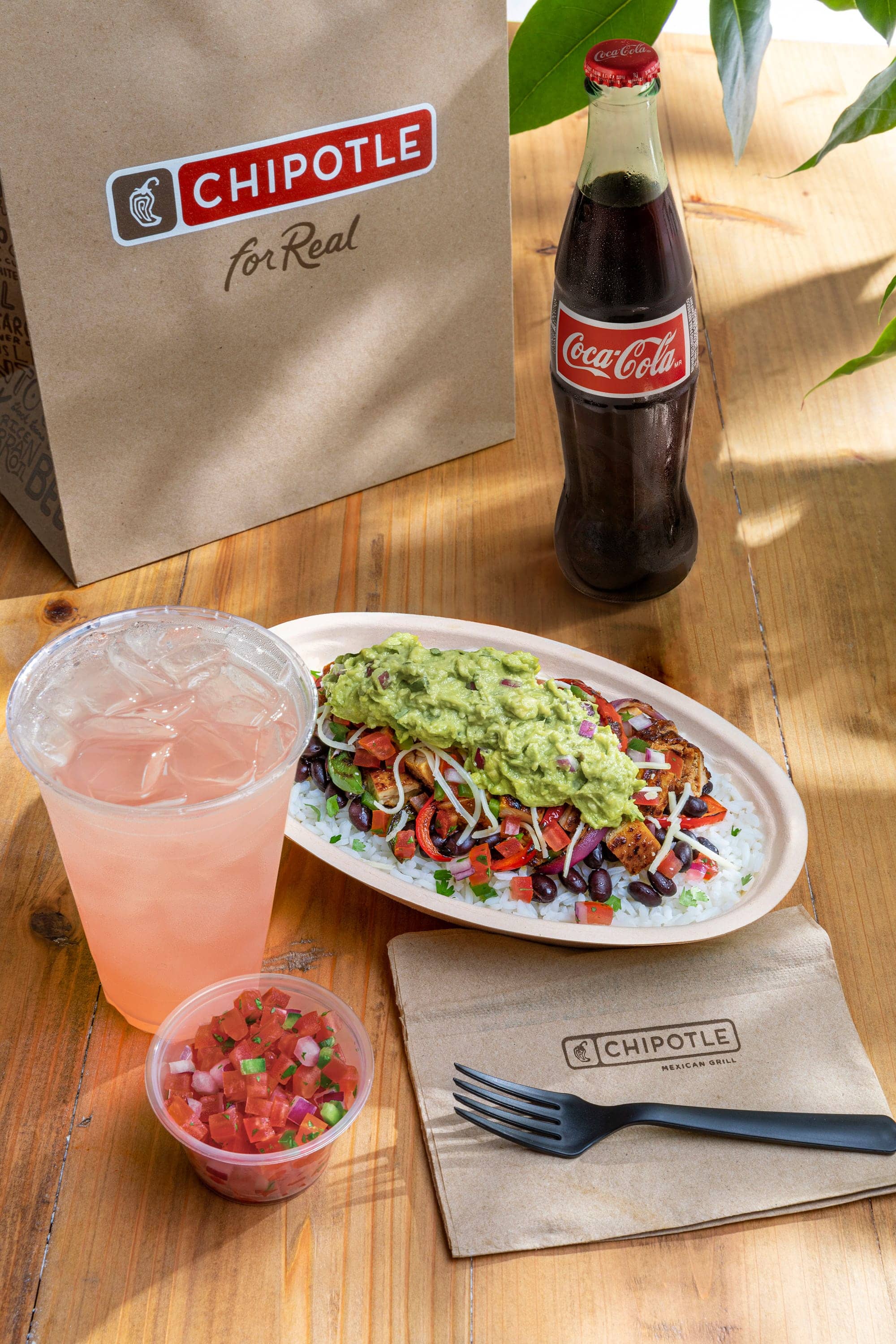
Chipotle names former KFC global CEO Sabir Sami to its board as the chain expands into Mexico, Saudi Arabia, and South Korea.
Sep 15, 2026

LeBron James joins Mike's Red Tacos as an investor, backing the birria chain led by Blaze Pizza and Dave's Hot Chicken veteran Bill Phelps.
Sep 15, 2026

Discover practical promotion ideas - time-based deals, loyalty programs, local partnerships, and digital marketing - to boost restaurant foot traffic consistently.
Sep 14, 2026

Practical payroll compliance checklist for restaurant owners covering wage rules, tips, overtime, taxes, deductions, and recordkeeping to reduce legal risk.
Sep 14, 2026

Lucy Brady joins Jamba as president to lead digital-first growth strategy. GoTo Foods restructures leadership to strengthen franchise platform capabilities.
Sep 14, 2026

Unlock Exclusive Access To Webinars, Events, And The Latest News For Free!
Learn how to calculate restaurant labor cost, track key percentages, and optimize staffing to improve efficiency, control expenses, and boost profitability.

Labor is one of the biggest costs in running a restaurant, right behind food and rent. On average, it can take up 25% to 35% of your total sales. If you don't keep track of it carefully, small mistakes - like too many people on one shift, unexpected overtime, or paying for slow hours - can quickly add up and hurt your profits. Knowing how to calculate labor cost helps you see exactly where your money is going. It gives you a clear picture of how much you spend on wages, taxes, and benefits compared to what your restaurant earns. When you understand this number, you can build smarter schedules, manage busy and slow times better, and spot areas where you're losing money.
Before you can calculate labor cost, you need to know what's included. Many restaurant owners think it's just hourly wages or salaries, but labor cost covers much more. It includes every expense related to the people who help run your restaurant day to day. 1. Direct Labor - These are the employees who work directly with customers or food. This includes cooks, servers, cashiers, bartenders, and dishwashers. Their hourly pay and overtime count toward your labor cost. 2. Indirect Labor - These are roles that support the restaurant but don't directly serve guests, such as managers, HR staff, or bookkeepers. Their pay should also be included, as they are part of the operation's labor expense. 3. Extra Costs - Wages are only the starting point. You also need to include - - Payroll taxes (Social Security, Medicare, unemployment) - Health insurance and other benefits - Paid time off and sick leave - Training and onboarding expenses - Bonuses and incentives Every dollar spent on staffing, even behind the scenes, is part of your true labor cost. Understanding what's included helps you avoid underestimating your expenses and gives you a more accurate view of your restaurant's financial health. With this full picture, you'll be ready to calculate your total labor cost confidently in the next step.
Once you know what counts as labor cost, the first step is to add everything together. Your goal is to find out exactly how much you're spending on employees each pay period - not just what shows up in their paychecks. Start with the basic formula - Total Labor Cost = Gross Wages + Payroll Taxes + Benefits + Other Employee Expenses Let's break that down. 1. Gross wages include hourly pay, salaries, and overtime. Make sure to use gross pay (before taxes are taken out), not net pay. 2. Payroll taxes cover Social Security, Medicare, and unemployment taxes that you, as the employer, must pay. 3. Benefits include health insurance, retirement contributions, and paid time off. 4. Other expenses can include uniforms, training, meals, or even staff parties - small costs that still count toward labor. If you use payroll software, you can usually download a report that lists all these details. If not, you can pull the data from timecards, pay stubs, and your accounting records. Taking the time to gather these numbers accurately will help you see your real staffing costs. Once you've calculated your total labor cost for a week or month, you can move on to comparing it with your restaurant's sales to find your labor cost percentage - the key to understanding your efficiency and profitability.
Once you know your total labor cost, the next step is to see how it compares to your restaurant's sales. This helps you measure how efficiently you're using labor to generate revenue. The calculation is simple - Labor Cost % = (Total Labor Cost / Total Sales) x 100 For example, if your total labor cost for the week is $7,000 and your total sales are $25,000, your labor cost percentage is (7,000 / 25,000) x 100 = 28%. This number tells you that 28 cents of every sales dollar go toward labor. It's one of the most important performance indicators for any restaurant. The ideal percentage depends on your type of restaurant- 1. Quick Service (QSR) - 25%-30% 2. Fast Casual - 28%-32% 3. Full-Service - 30%-35% If your percentage is higher than these ranges, it could mean you're overstaffed, your scheduling isn't matching demand, or your sales are lower than expected. On the other hand, a very low percentage might signal that you're understaffed, risking slower service or employee burnout. When calculating this percentage, make sure to use net sales - the amount after removing discounts and taxes - to keep results accurate. Many POS systems or scheduling tools can automate this process, saving you time and helping you monitor changes weekly. Tracking your labor cost percentage regularly lets you adjust your staffing and improve efficiency before small problems become costly.

Once you've calculated your overall labor cost percentage, the next step is to break it down further. Analyzing labor cost by department or role helps you see where your money is going and identify areas that might be draining resources. Start by grouping your staff into categories such as kitchen, front of house, and management. For each group, calculate their share of total labor cost. For example, if your cooks and prep staff account for 45% of total labor while servers make up 35%, that tells you most of your expenses are in the back of house. You can also measure sales per labor hour (SPLH) to track productivity. The formula is - Sales per Labor Hour = Total Sales / Total Hours Worked. If your restaurant earned $20,000 last week and your team worked 500 hours, your SPLH is $40. This means every hour of labor generated $40 in sales. Comparing SPLH between roles helps you spot inefficiencies and plan better schedules. Creating a simple spreadsheet or using a POS-integrated labor dashboard can make this process easier. These tools allow you to visualize how each department performs, compare shifts, and find trends like high overtime or low productivity. By analyzing labor by department, you move from general awareness to targeted action. It's not just about knowing that costs are high - it's about knowing where and why they're high so you can make smart adjustments that improve both service and profit.
Labor cost doesn't stay the same each week - it shifts based on several factors inside and outside your restaurant. Understanding these influences helps you stay ahead of rising expenses and plan more effectively. 1. Overtime and Scheduling Gaps One of the most common reasons labor costs climb is unplanned overtime. When schedules aren't matched to sales trends, staff may work longer hours than needed. Tracking hours closely and setting clear limits can help control this. 2. Turnover and Training Restaurants with high employee turnover spend more on hiring and training. Every time someone leaves, you lose productivity and pay for recruiting, onboarding, and retraining. Building a stable team saves money in the long run. 3. Seasonality and Demand Changes Busy seasons, holidays, or local events can cause labor costs to spike. On slow weeks, overstaffing can lead to wasted labor hours. Reviewing last year's data helps you predict and staff according to demand. 4. Compliance and Labor Laws Mistakes with breaks, overtime pay, or misclassified employees can result in fines or back pay. Staying compliant avoids unexpected costs and protects your business reputation. 5. Inefficient Workflows When staff spend too much time on manual tasks - like hand-writing orders or double-entering data - it adds to labor hours without increasing output. Technology and better systems reduce that waste. By identifying these factors early, you can make small operational changes that prevent big financial impacts later.
Once you understand what drives your labor cost, the next goal is to control it without cutting quality or hours. Optimizing labor isn't about reducing staff - it's about making sure every hour worked supports your business goals. 1. Forecast Sales and Schedule Smarter Use your sales history to predict busy and slow times. Schedule more people during peak hours and scale back when traffic drops. A good rule is to review last year's data and weather trends to match staffing with actual demand. 2. Cross-Train Employees Train your team to handle multiple roles - like servers helping with takeout orders or cooks assisting with prep. Cross-training keeps operations flexible and reduces the need to bring in extra staff during unexpected rushes. 3. Monitor Overtime Closely Overtime can quickly inflate labor costs. Set clear approval rules for extra hours and use scheduling tools that alert managers before overtime happens. Preventing it is much cheaper than paying for it. 4. Use Technology to Track in Real Time POS systems and scheduling software can show your labor cost percentage as the day goes on. If labor cost rises above your target, managers can adjust staffing on the spot. 5. Improve Efficiency Streamline workflows to save time - organize prep stations, standardize opening and closing tasks, and use checklists to reduce wasted minutes. By combining smart scheduling, employee flexibility, and real-time data, you can keep labor costs under control while maintaining great service and a happy team.

Calculating labor cost is only the first step - what truly matters is what you do with the numbers. When you know your labor cost percentage and understand what drives it, you gain control over one of your biggest expenses. This knowledge turns staffing from a guessing game into a strategic decision that protects both profits and people. Start by reviewing your labor cost weekly or biweekly instead of waiting until the end of the month. This helps you spot changes early - like higher overtime or lower productivity - and fix them before they grow into major issues. Use your POS or scheduling system to track real-time data, compare shifts, and measure how staffing levels affect sales and service. Make it a habit to discuss labor reports with your managers. Encourage them to look beyond numbers and think about causes - Was a slow day overstaffed? Did a busy night run short? These insights help your team make small but effective changes that improve efficiency. Finally, remember that managing labor cost doesn't mean cutting corners. It's about finding balance - enough staff to deliver great service, but not so many that you're losing profit. When every hour worked adds value, your restaurant runs smoother, employees stay motivated, and your bottom line grows stronger.
