How to Calculate Cost of Goods Sold for a Restaurant
Learn how to calculate restaurant cost of goods using inventory, purchases, COGS percentage, variance reviews, and regular tracking for profitability.
Accounting
Aug 31, 2026
Learn how to calculate restaurant cost of goods using inventory, purchases, COGS percentage, variance reviews, and regular tracking for profitability.
Aug 31, 2026
Understand how to evaluate a Kiosk system using key criteria including features, POS integration, hardware, pricing, customer experience, and support.
Aug 31, 2026

Explore restaurant technology trends in 2026, including AI, automation, digital ordering, workforce tools, connected kitchens, personalization, and profitability strategies today.
Aug 28, 2026

Learn the startup costs of opening an ice cream shop, including rent, equipment, renovations, permits, inventory, labor, marketing, and reserves.
Aug 28, 2026

A restaurant P&L statement reveals sales, expenses, and profits, helping owners manage costs, improve margins, and plan finances more effectively.
Aug 26, 2026
RaceTrac has appointed Jill Pemberton as chief financial officer, succeeding Karla Ahlert, who moves into the newly created role of chief administrative officer.
Aug 26, 2026
Learn practical ways to reduce labour costs through smarter scheduling, forecasting, productivity, cross-training, automation, overtime control, and performance monitoring strategies.
Aug 26, 2026
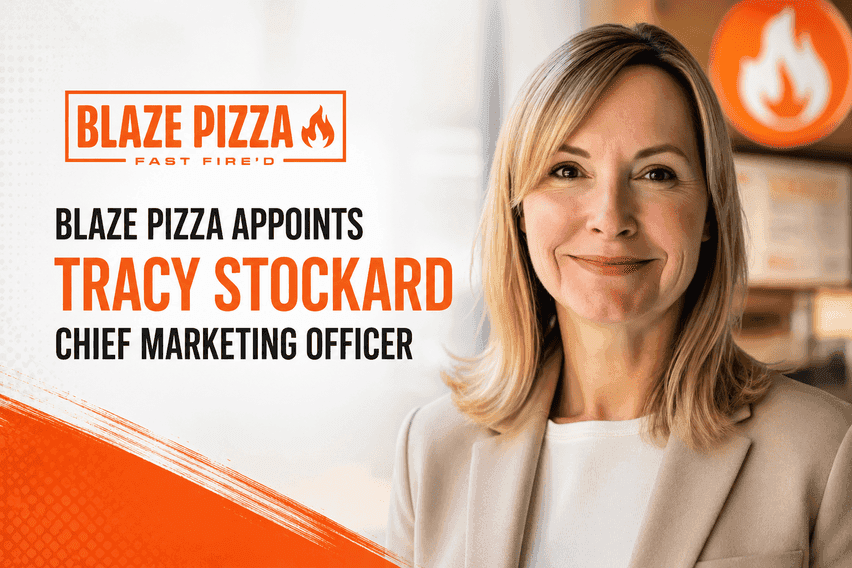
Blaze Pizza welcomes Tracy Stockard as Chief Marketing Officer, bringing decades of brand and franchise experience to drive strategic growth and guest engagement.
Aug 25, 2026

Levain Bakery appoints Lorna Sommerville and Taya Stenson as co-CEOs, blending operational and marketing expertise to power national expansion and innovation while staying rooted in its brand values.
Aug 25, 2026

Create a practical restaurant marketing plan by setting goals, targeting customers, choosing channels, budgeting wisely, scheduling campaigns, and measuring results.
Aug 24, 2026

Unlock Exclusive Access To Webinars, Events, And The Latest News For Free!
Explore the strategies and challenges faced by fast-casual dining chains in the competitive landscape of the restaurant industry.

Photo by Possessed Photography
Franchising is a popular strategy for fast-casual dining chains to expand their footprint rapidly. Mixon Foods' consideration of co-branding opportunities with Woworks' other brands, such as Frutta Bowls and Barberitos, highlights the trend of leveraging existing networks to grow. Woworks' success in opening five co-branded locations last year and securing a 10-unit deal in Alabama demonstrates the potential of synergistic partnerships in driving growth.
While traditional franchising can help brands like Saladworks regain momentum in unit growth, challenges persist. Despite signing 25 franchise agreements by September 2024, the actual restaurant openings have not materialized yet. This gap between agreements and execution underscores the importance of operational readiness and support for franchisees. Competing with rapidly expanding chains like Sweetgreen, Salad and Go, and Just Salad, Saladworks faces intense competition and the need to differentiate to attract customers and franchisees alike.
In the fiercely competitive landscape of fast-casual dining, financial performance plays a crucial role in determining success. While Sweetgreen boasts an average unit volume of $2.9 million as of Q1 and plans to open 40 new units this year, Saladworks' average net sales were lower at $815,081 and $944,270 for strip mall and pad site locations respectively. This disparity in financial metrics underscores the need for Saladworks to enhance its operational efficiency and customer experience to compete effectively.

Photo by Possessed Photography
Securing funding for expansion and investing in innovation are vital components of sustaining growth in the fast-casual dining segment. Just Salad's recent acquisition of $200 million in new funding exemplifies the industry trend of attracting significant investments to support expansion initiatives, enhance consumer experiences, and adopt new technologies. Such investments are crucial for staying competitive and meeting the evolving needs of customers in the dynamic restaurant industry landscape.