Mountain Mike's Pizza Names Sheena Dougher CMO
Mountain Mike's Pizza hires Jack in the Box veteran Sheena Dougher as CMO to drive national growth while preserving its regional brand identity.
Franchising
Sep 17, 2026
Mountain Mike's Pizza hires Jack in the Box veteran Sheena Dougher as CMO to drive national growth while preserving its regional brand identity.
Sep 17, 2026
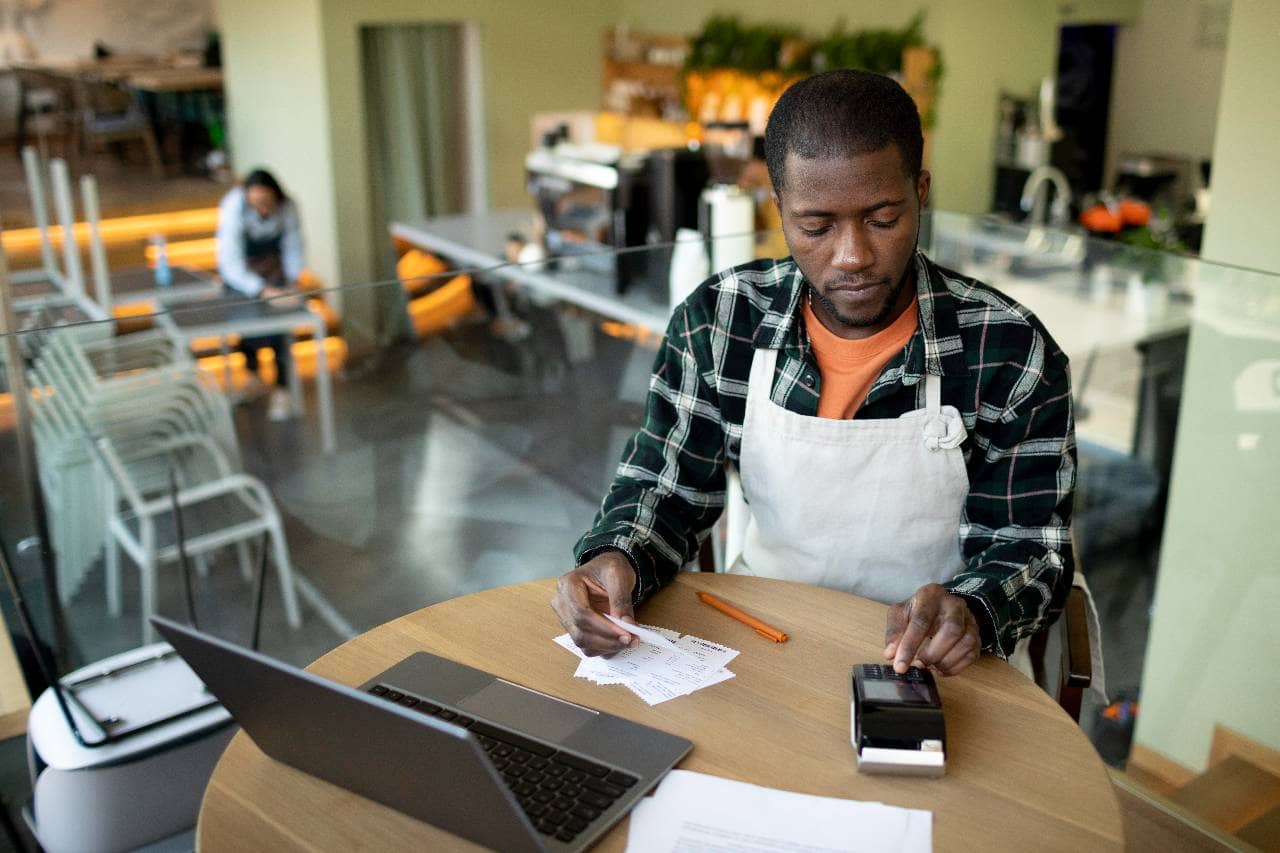
From fixed costs to contribution margin, learn exactly how to calculate your restaurant's break even point with confidence.
Sep 16, 2026

DoorDash pays $425M for Wonder's campus dining platform and a stake in Wonder, betting on robotic kitchens and institutional foodservice growth.
Sep 16, 2026
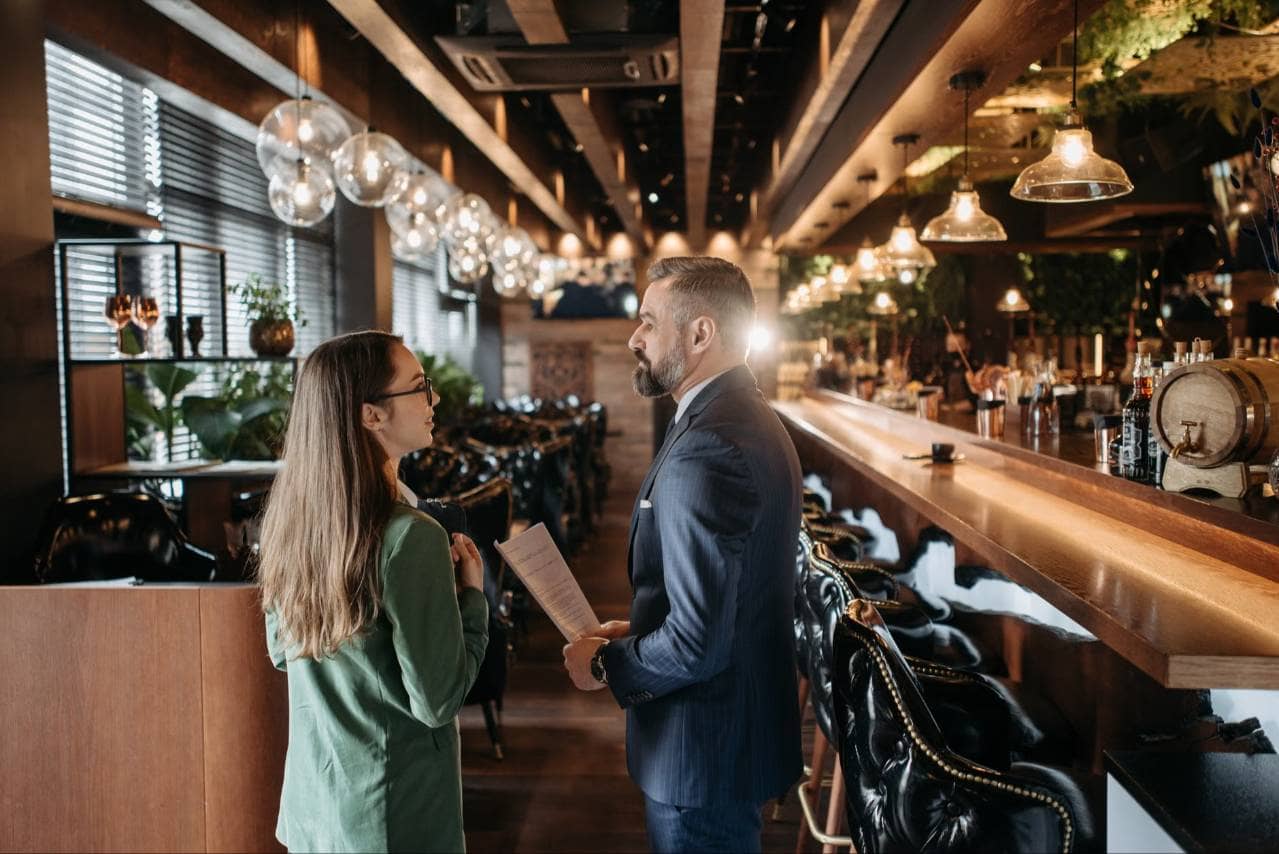
Discover the most common reasons restaurants fail, including inconsistent food quality and pricing mistakes, plus practical ways to avoid them.
Sep 16, 2026
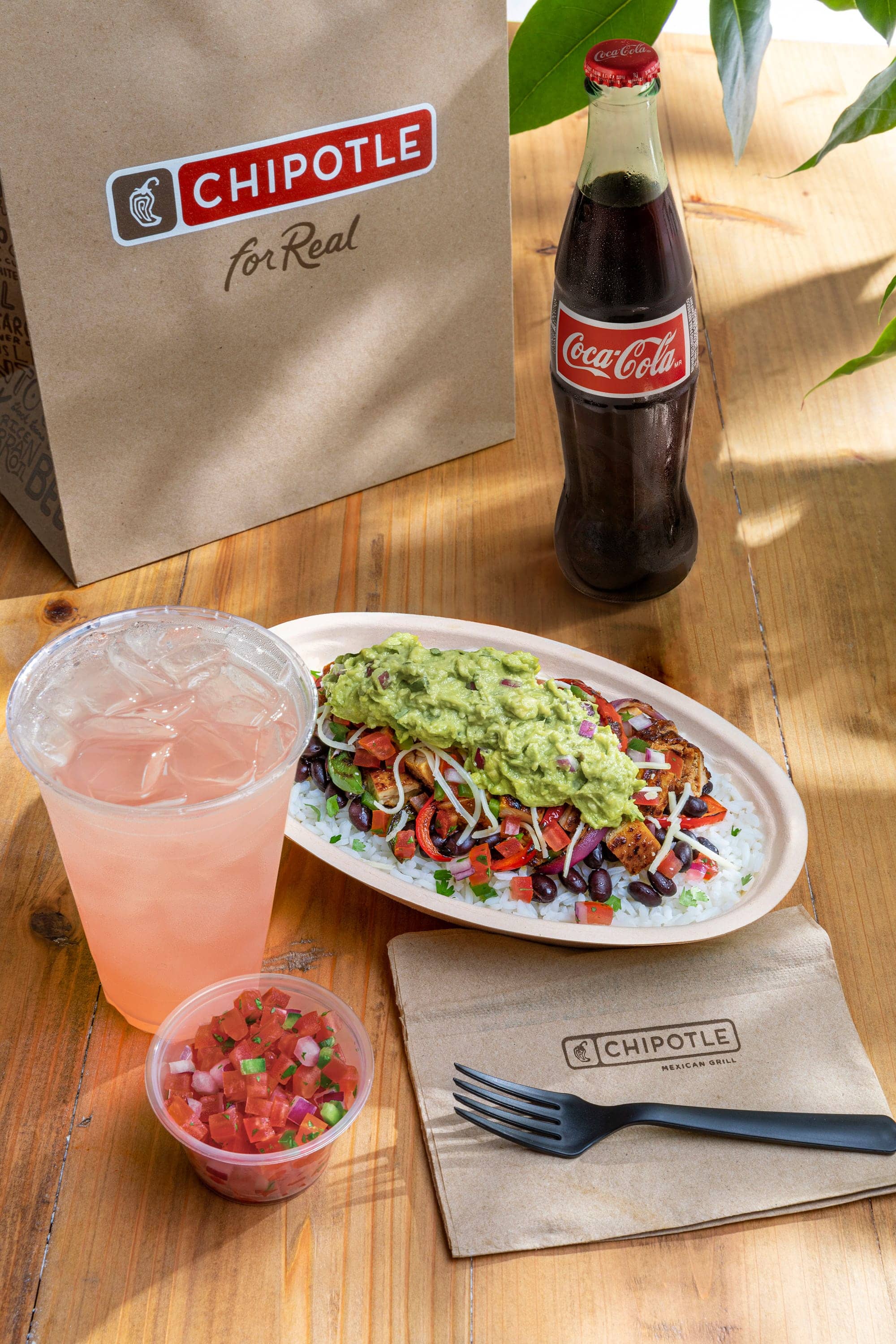
Chipotle names former KFC global CEO Sabir Sami to its board as the chain expands into Mexico, Saudi Arabia, and South Korea.
Sep 15, 2026

LeBron James joins Mike's Red Tacos as an investor, backing the birria chain led by Blaze Pizza and Dave's Hot Chicken veteran Bill Phelps.
Sep 15, 2026
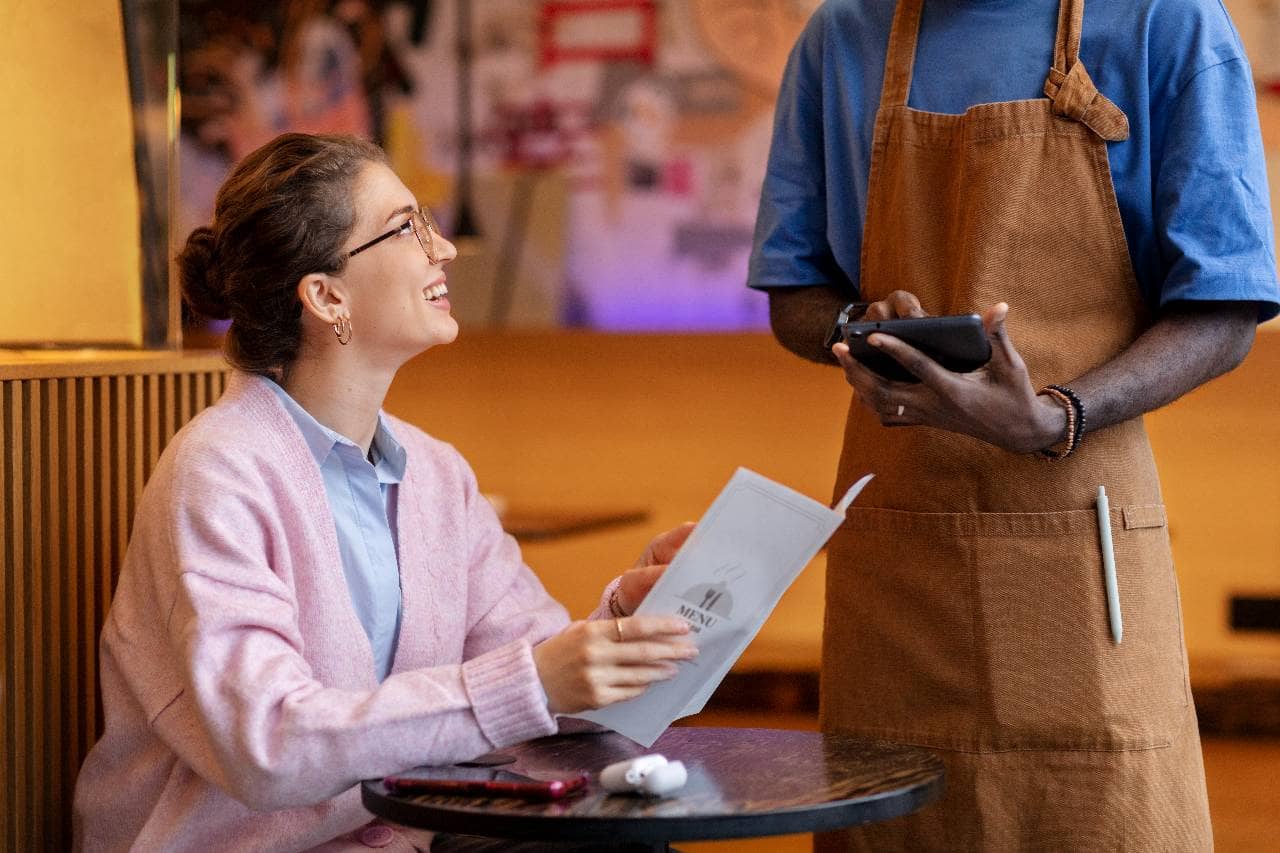
Discover practical promotion ideas - time-based deals, loyalty programs, local partnerships, and digital marketing - to boost restaurant foot traffic consistently.
Sep 14, 2026

Practical payroll compliance checklist for restaurant owners covering wage rules, tips, overtime, taxes, deductions, and recordkeeping to reduce legal risk.
Sep 14, 2026
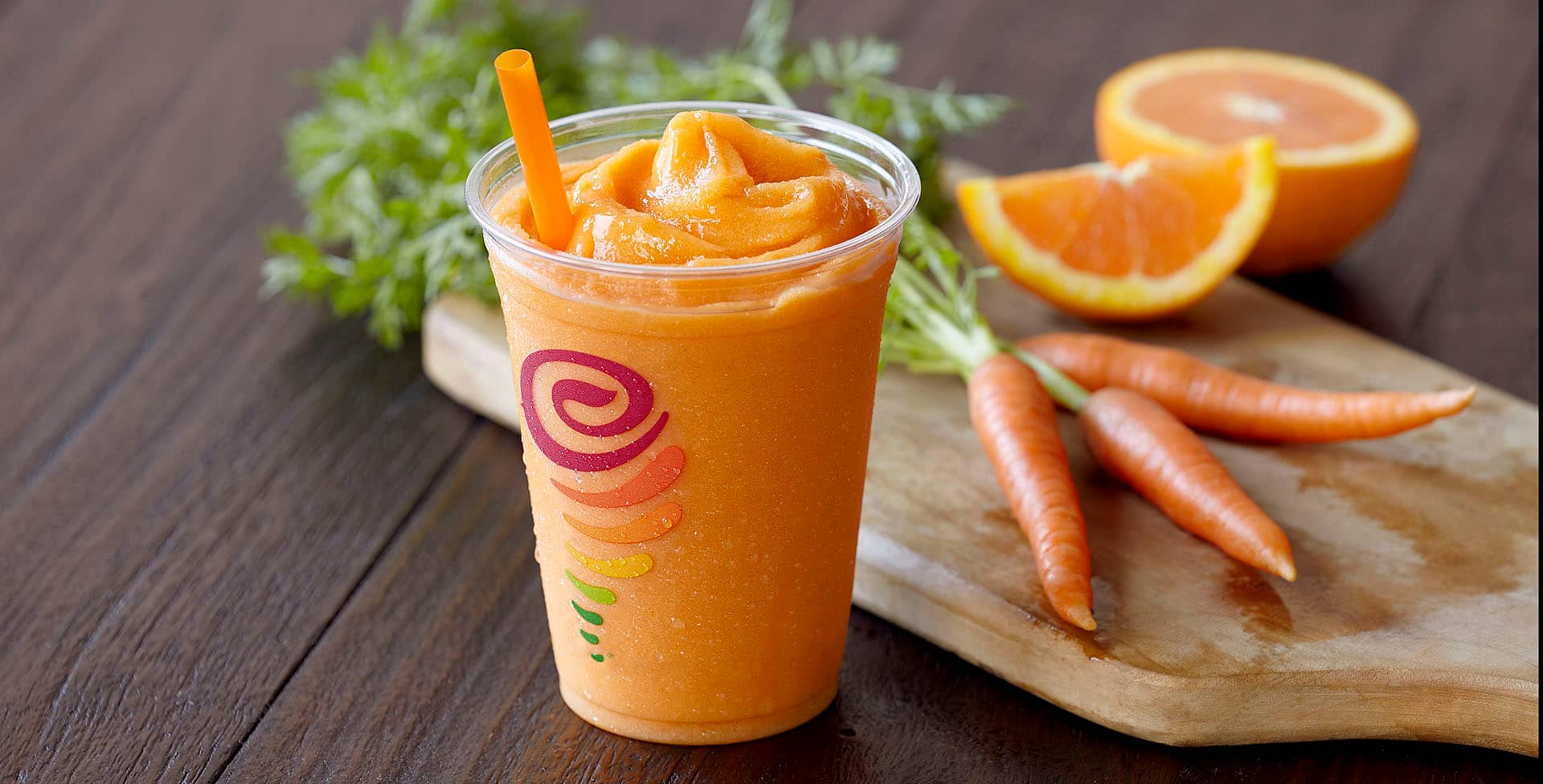
Lucy Brady joins Jamba as president to lead digital-first growth strategy. GoTo Foods restructures leadership to strengthen franchise platform capabilities.
Sep 14, 2026
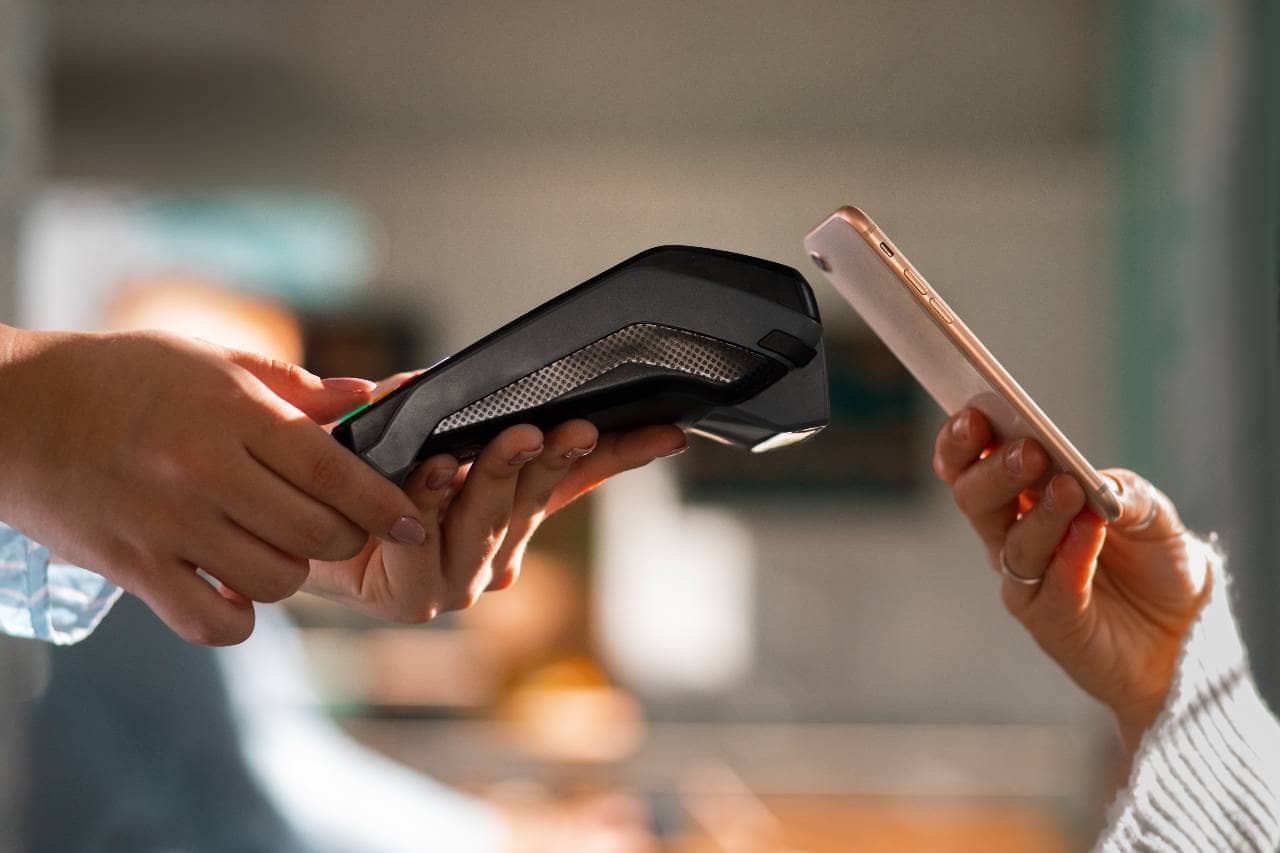
Contactless payment offers restaurants faster transactions, better security, and improved customer experience, making it a valuable, worthwhile technology investment today.
Sep 11, 2026

Unlock Exclusive Access To Webinars, Events, And The Latest News For Free!
Exploring how AI is revolutionizing robotics and machine learning.

Photo by Gabriele Malaspina
The integration of artificial intelligence into robotics and machine learning has brought about a revolution in automation and intelligent systems. AI technologies such as neural networks, deep learning, and natural language processing have empowered robots and machines to perform complex tasks with efficiency and precision.
AI has enhanced the capabilities of robots by enabling them to analyze and respond to real-time data, adapt to changing environments, and even learn from experience. This integration has led to the development of autonomous robots that can navigate and interact with their surroundings autonomously.

Photo by Gabriele Malaspina
Machine learning algorithms play a crucial role in robotics by allowing machines to acquire new skills and improve their performance over time. Reinforcement learning, a subset of machine learning, is used to train robots to achieve specific goals through trial and error, mimicking the way humans learn.

Photo by Gabriele Malaspina
The applications of AI in robotics and machine learning are vast and diverse. From industrial automation and autonomous vehicles to healthcare and agriculture, AI-powered robots are transforming industries and streamlining processes. For example, in healthcare, robots equipped with AI algorithms can assist in surgery, patient care, and drug discovery.

Photo by Gabriele Malaspina
Despite the advancements in AI, robotics, and machine learning, there are still challenges to overcome. Ethical considerations, job displacement, and bias in AI algorithms are some of the concerns that need to be addressed. However, the future looks promising with continued research and innovation driving the integration of AI into robotics and machine learning.

Photo by Gabriele Malaspina