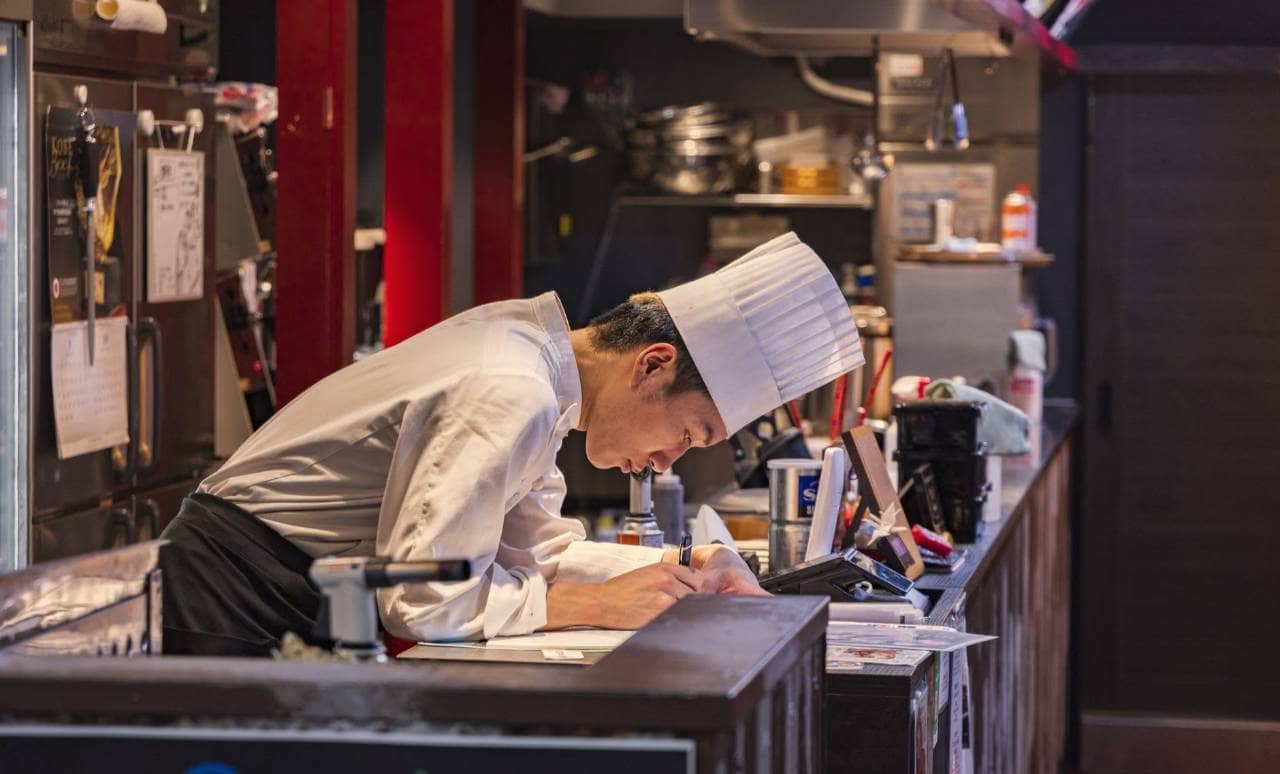
How to Calculate Cost of Goods Sold for a Restaurant
Learn how to calculate restaurant cost of goods using inventory, purchases, COGS percentage, variance reviews, and regular tracking for profitability.
Accounting
Aug 31, 2026
Learn how to calculate restaurant cost of goods using inventory, purchases, COGS percentage, variance reviews, and regular tracking for profitability.
Aug 31, 2026

Explore restaurant technology trends in 2026, including AI, automation, digital ordering, workforce tools, connected kitchens, personalization, and profitability strategies today.
Aug 28, 2026
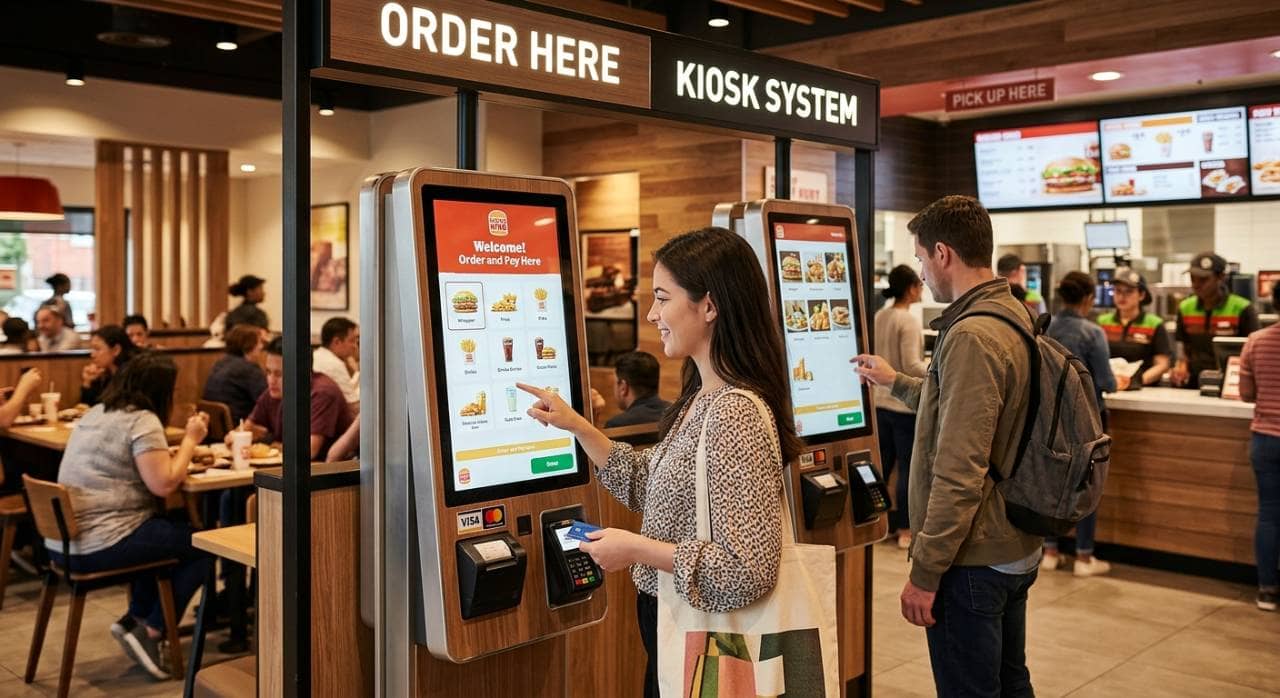
Understand how to evaluate a Kiosk system using key criteria including features, POS integration, hardware, pricing, customer experience, and support.
Aug 31, 2026

Learn the startup costs of opening an ice cream shop, including rent, equipment, renovations, permits, inventory, labor, marketing, and reserves.
Aug 28, 2026
RaceTrac has appointed Jill Pemberton as chief financial officer, succeeding Karla Ahlert, who moves into the newly created role of chief administrative officer.
Aug 26, 2026

A restaurant P&L statement reveals sales, expenses, and profits, helping owners manage costs, improve margins, and plan finances more effectively.
Aug 26, 2026
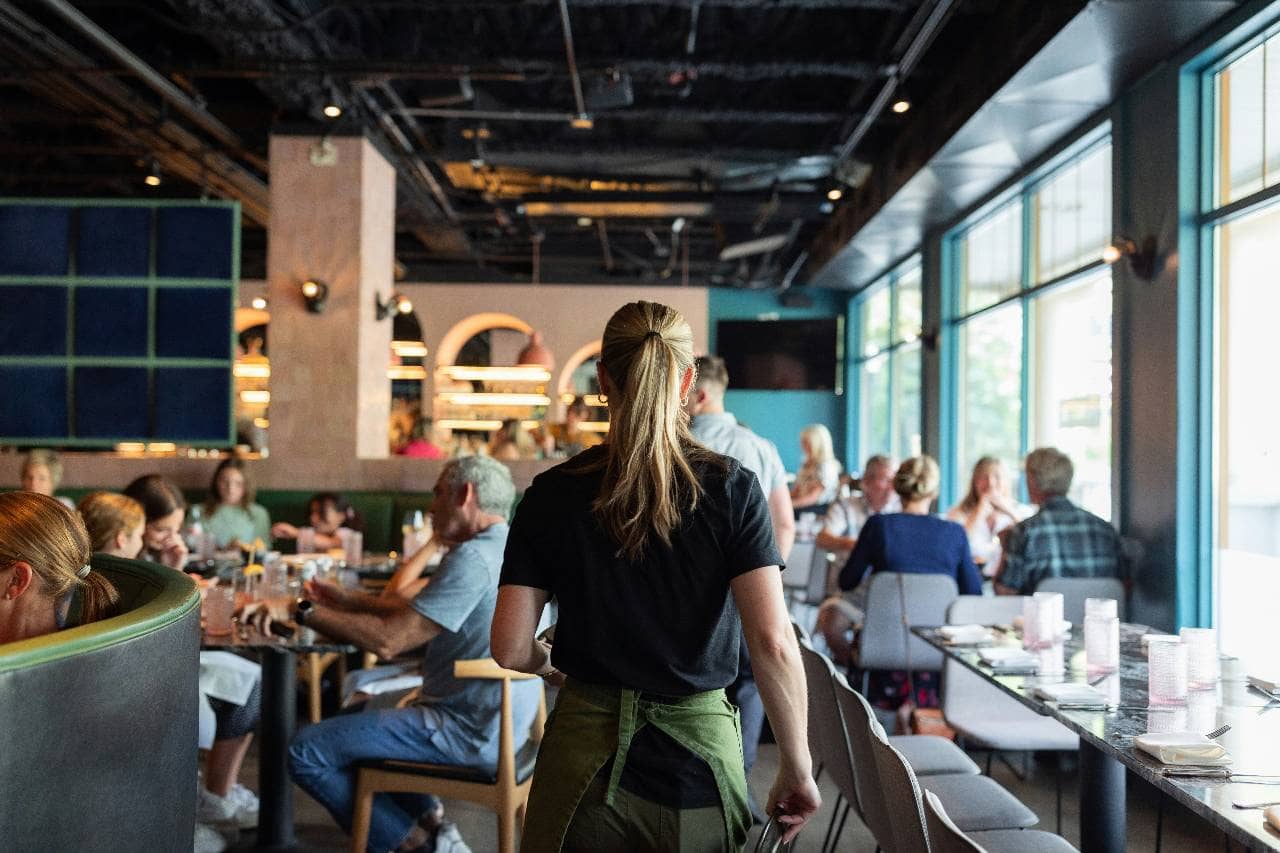
Learn practical ways to reduce labour costs through smarter scheduling, forecasting, productivity, cross-training, automation, overtime control, and performance monitoring strategies.
Aug 26, 2026

Levain Bakery appoints Lorna Sommerville and Taya Stenson as co-CEOs, blending operational and marketing expertise to power national expansion and innovation while staying rooted in its brand values.
Aug 25, 2026

Create a practical restaurant marketing plan by setting goals, targeting customers, choosing channels, budgeting wisely, scheduling campaigns, and measuring results.
Aug 24, 2026

A payroll advance policy helps restaurant owners define eligibility, limits, repayment, documentation, approval procedures, and compliance requirements for employee advances.
Aug 24, 2026

Unlock Exclusive Access To Webinars, Events, And The Latest News For Free!
Explore how bankruptcy is affecting the casual dining industry, with insights into restaurant closures, financial restructuring, and the challenges faced by popular chains.

Photo by Don Starkey
Casual dining chains like Bravo Brio, Bertucci’s, and Bar Louie have been grappling with a myriad of challenges that have led to bankruptcy filings and the need for financial restructuring. High operating costs, declining consumer spending, and unfavorable economic conditions have contributed to the struggles faced by these chains. Additionally, the shifting landscape of the restaurant industry, with an increasing emphasis on delivery and changing consumer preferences, has posed additional hurdles for traditional dine-in establishments.
Bankruptcy processes offer struggling restaurant chains the opportunity to close underperforming locations, renegotiate debt agreements, and streamline operational expenses. By filing for bankruptcy, companies can reevaluate their business models, adjust their strategies, and work towards achieving long-term financial stability. While bankruptcy may come with temporary setbacks and closures, it can ultimately pave the way for a more sustainable and resilient operation in the future.
Casual dining chains often cite rising input costs, such as food and labor expenses, as significant factors contributing to their financial distress. Additionally, challenges related to consumer confidence, economic downturns, and unexpected events like the COVID-19 pandemic have further strained the profitability of these establishments. The inability to adapt quickly to changing market dynamics and evolving consumer preferences has also played a role in the financial struggles faced by many casual dining chains.
The casual dining sector is undergoing a period of transformation, with traditional chains facing increasing competition from fast-casual concepts, delivery services, and home meal kits. To stay relevant and competitive, restaurant chains must innovate, enhance their digital presence, and offer unique dining experiences to attract customers. While bankruptcy may signal a challenging time for these establishments, it also presents an opportunity for reinvention and strategic growth. By addressing underlying issues and embracing change, casual dining chains can emerge stronger and more resilient in the post-bankruptcy landscape.