How to Calculate Cost of Goods Sold for a Restaurant
Learn how to calculate restaurant cost of goods using inventory, purchases, COGS percentage, variance reviews, and regular tracking for profitability.
Accounting
Aug 31, 2026
Learn how to calculate restaurant cost of goods using inventory, purchases, COGS percentage, variance reviews, and regular tracking for profitability.
Aug 31, 2026

Explore restaurant technology trends in 2026, including AI, automation, digital ordering, workforce tools, connected kitchens, personalization, and profitability strategies today.
Aug 28, 2026
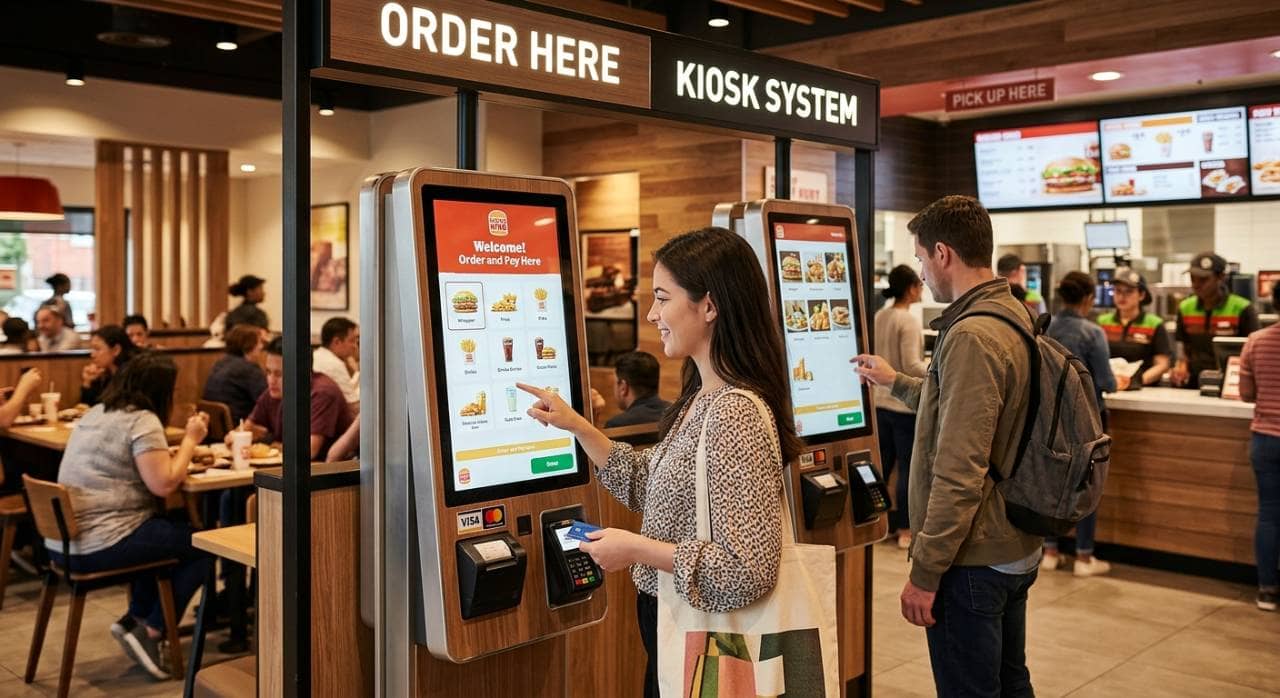
Understand how to evaluate a Kiosk system using key criteria including features, POS integration, hardware, pricing, customer experience, and support.
Aug 31, 2026
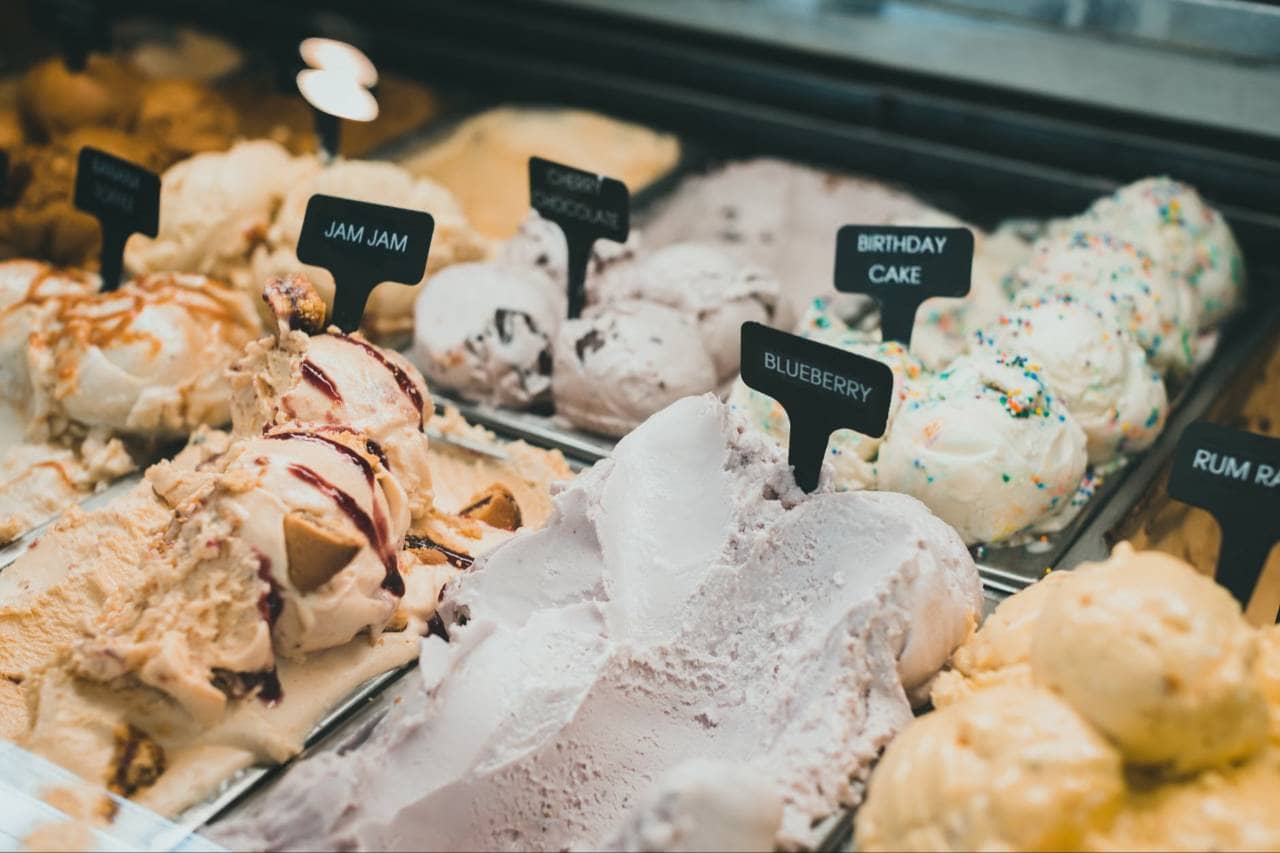
Learn the startup costs of opening an ice cream shop, including rent, equipment, renovations, permits, inventory, labor, marketing, and reserves.
Aug 28, 2026

A restaurant P&L statement reveals sales, expenses, and profits, helping owners manage costs, improve margins, and plan finances more effectively.
Aug 26, 2026
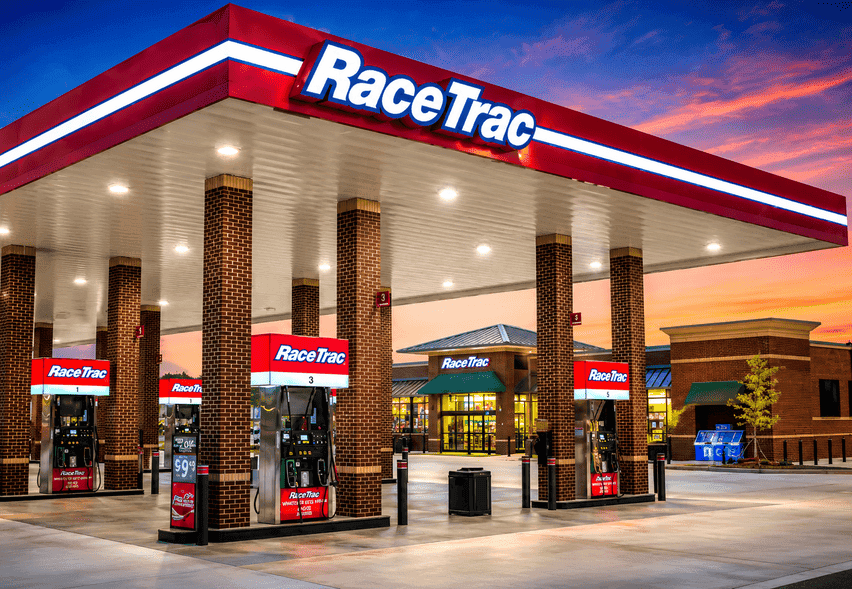
RaceTrac has appointed Jill Pemberton as chief financial officer, succeeding Karla Ahlert, who moves into the newly created role of chief administrative officer.
Aug 26, 2026
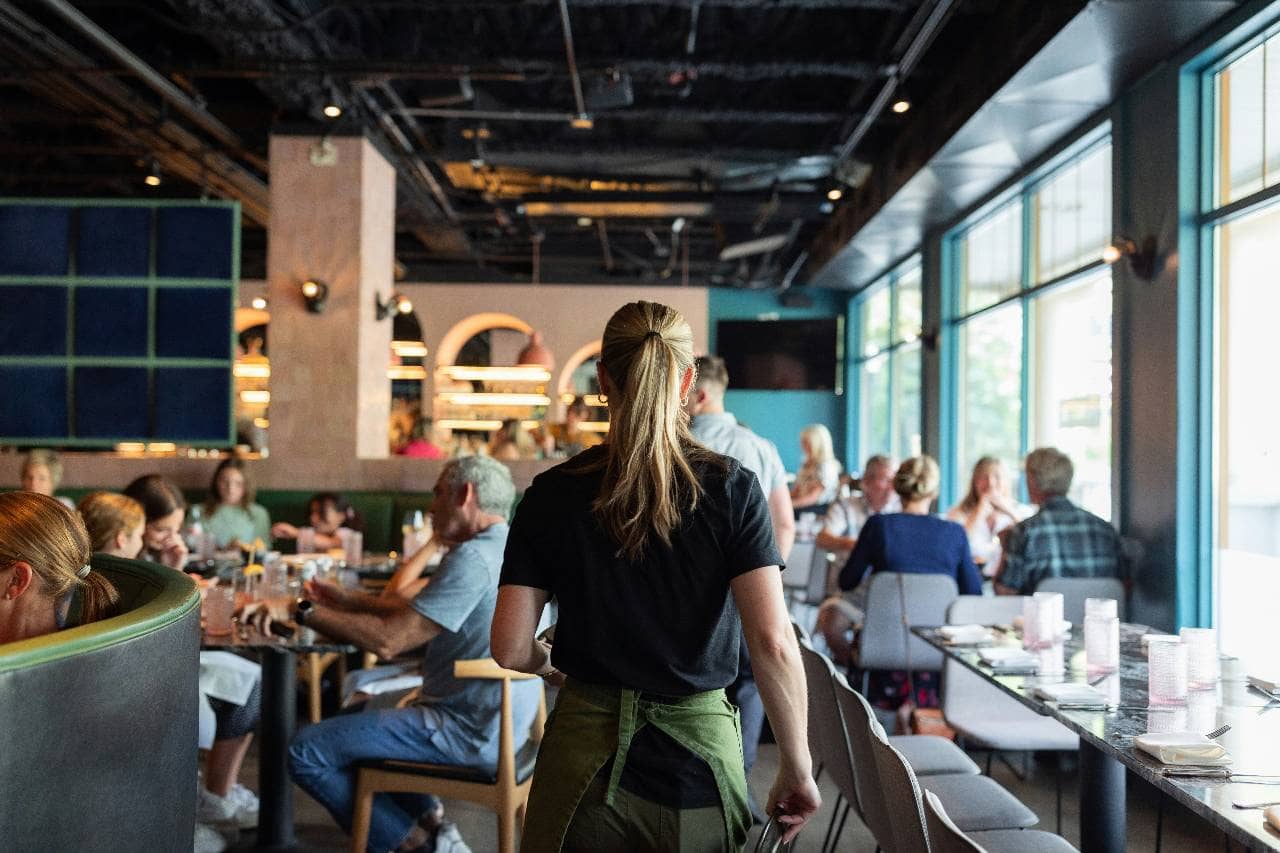
Learn practical ways to reduce labour costs through smarter scheduling, forecasting, productivity, cross-training, automation, overtime control, and performance monitoring strategies.
Aug 26, 2026
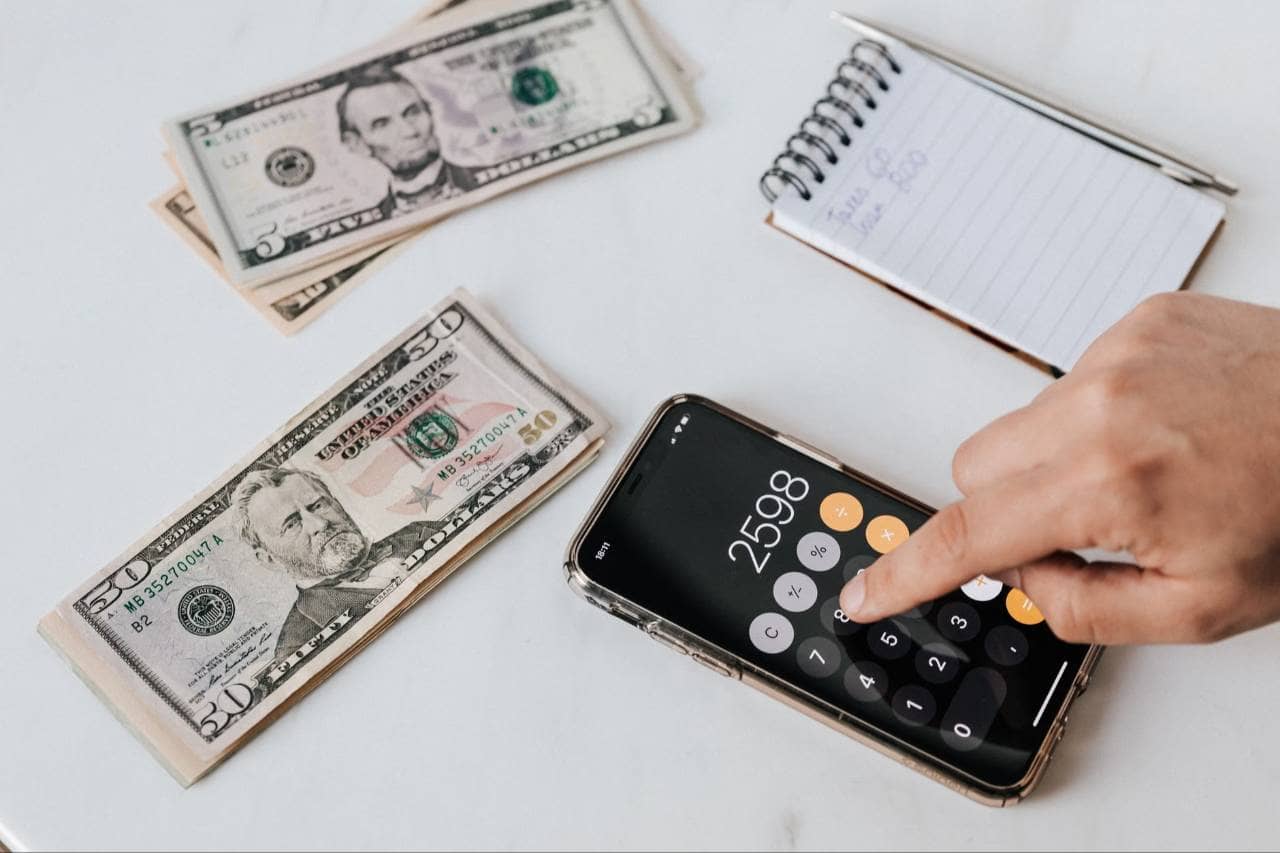
A payroll advance policy helps restaurant owners define eligibility, limits, repayment, documentation, approval procedures, and compliance requirements for employee advances.
Aug 24, 2026

Create a practical restaurant marketing plan by setting goals, targeting customers, choosing channels, budgeting wisely, scheduling campaigns, and measuring results.
Aug 24, 2026
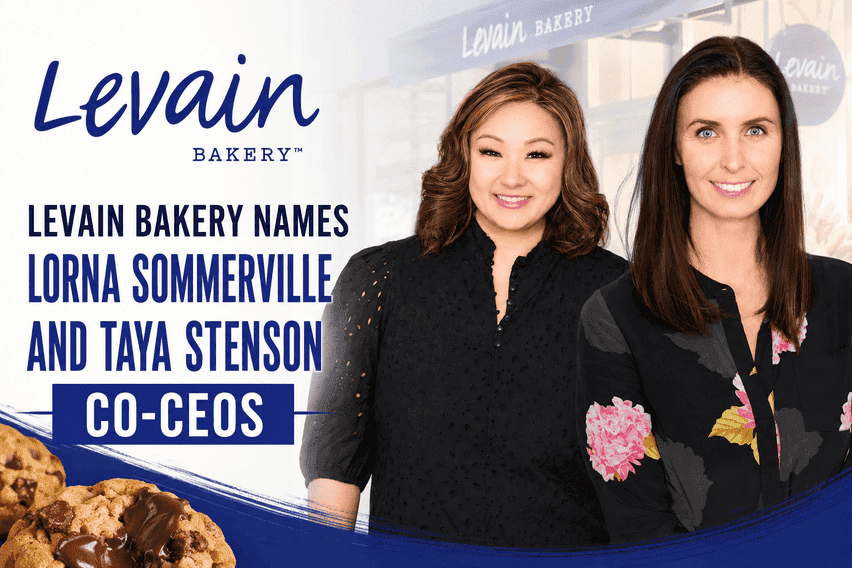
Levain Bakery appoints Lorna Sommerville and Taya Stenson as co-CEOs, blending operational and marketing expertise to power national expansion and innovation while staying rooted in its brand values.
Aug 25, 2026

Unlock Exclusive Access To Webinars, Events, And The Latest News For Free!
Explore the growing trend of food-focused convenience store designs, with a focus on Kent, 7-Eleven, and GPM Investments. Learn how these retailers are innovating their operations to meet customer demands.
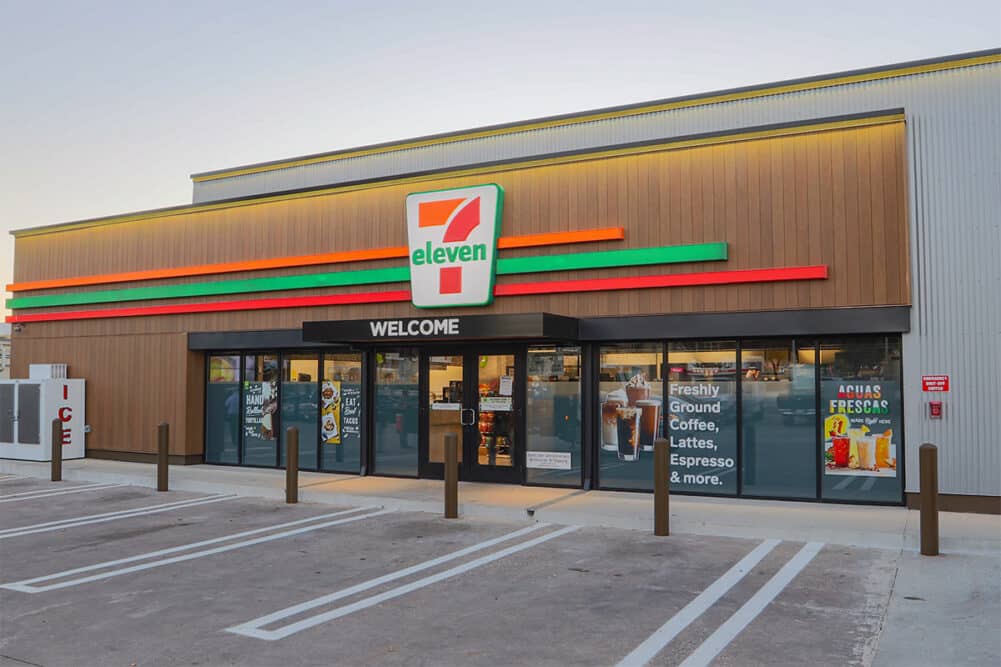
Kent, a leading mid-size retailer in the U.S., has embraced the trend of food-focused convenience stores by creating an 'all-in-one destination' concept. This approach involves integrating made-to-order kitchens and drive-thrus into their locations, with a particular focus on their Kwik Eats Deli. The menu at Kwik Eats Deli covers a wide range of offerings, catering to all dayparts from breakfast to dinner. Customers can enjoy items like breakfast burritos, skillets, burgers, pizza, and chicken sandwiches, providing a diverse and satisfying food selection.
In addition to enhancing their food offerings, Kent has also made significant investments in car wash services, a staple in the convenience store industry. With around a dozen car wash locations already in operation, Kent ensures that these facilities are open 24 hours a day to cater to customers' varying schedules. Some locations even have staff on-site during specific hours, enhancing the overall customer experience. By combining food and car wash services, Kent aims to create a comprehensive destination for consumers seeking convenience and quality.
While the exact locations of Kent's first food-focused stores remain undisclosed, the retailer is strategically positioning its new sites. For instance, the upcoming store in Midland, Texas, will be situated in close proximity to other key competitors like 7-Eleven and FEMSA-owned gas stations. This strategic placement allows Kent to tap into existing foot traffic while offering a differentiated experience to attract more customers. By analyzing market dynamics and competitor locations, Kent aims to maximize its reach and visibility in the convenience store landscape.
Kent's foray into food-focused convenience stores mirrors a broader industry trend where retailers are revamping their operations to prioritize foodservice. Notable competitors like 7-Eleven have announced ambitious plans to open hundreds of food-centric stores, indicating a shift towards catering to evolving consumer preferences. GPM Investments has also joined the fray with its Fas Craves foodservice program, highlighting the competitive nature of the convenience store sector. As consumer demand for fresh and convenient food options continues to rise, retailers are adapting their strategies to capture this growing market segment.