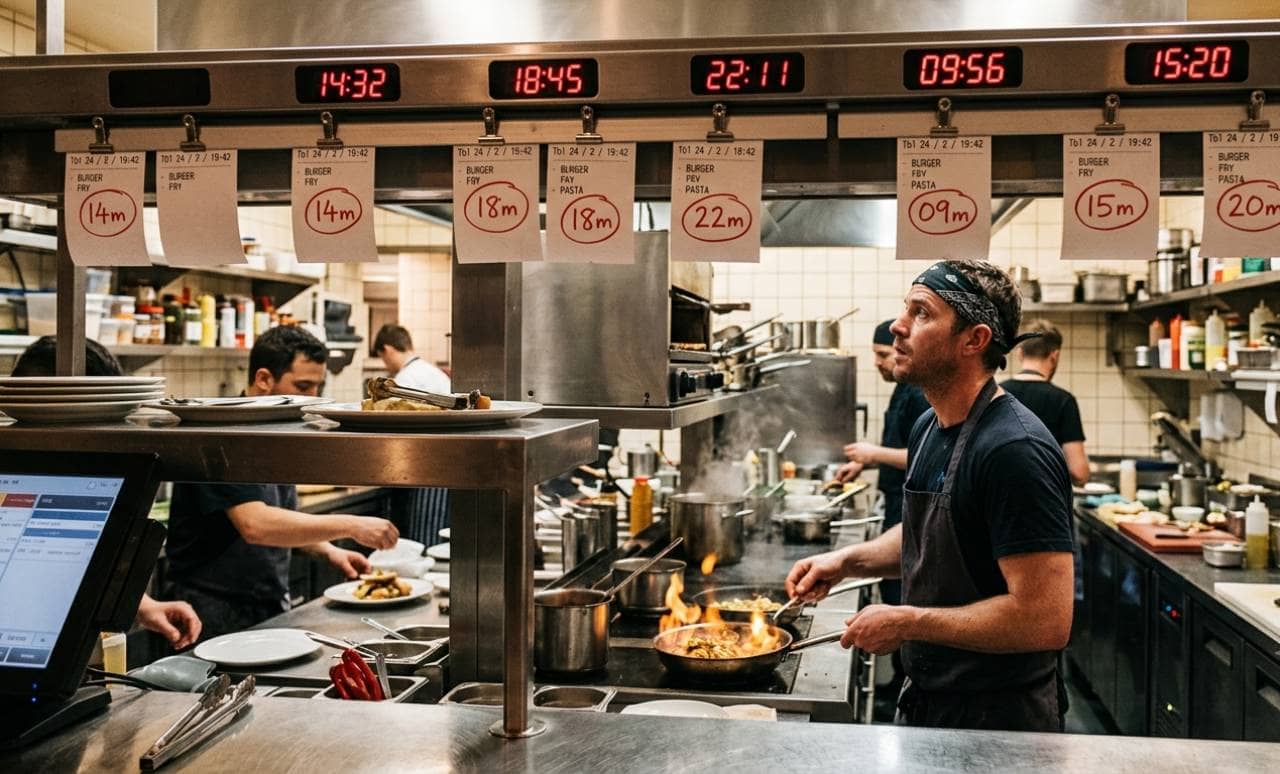
How to Calculate Food Costs and Increase Restaurant Profit
Learn how to calculate food cost, control margins, reduce waste, price menu items, and use technology to improve restaurant profit.
Apr 29, 2026
Learn how to calculate food cost, control margins, reduce waste, price menu items, and use technology to improve restaurant profit.
Apr 29, 2026
Explore high-traffic Texas markets where restaurants can succeed by matching concepts, customer behavior, visibility, and daily demand.
Apr 30, 2026
Photo by Unseen Histories on Unsplash
A look at how U.S. brands expand through multi-unit deals, cross-border partnerships, and seasoned operators in 2026.
Apr 29, 2026
Photo by Erik Mclean on Unsplash
McDonald’s unveils six beverages across 14,000 restaurants on May 6, expanding McCafé with Refresher and crafted sodas and a new store-level beverage specialist role.
Apr 29, 2026
Explore marketing strategies for food businesses using reviews, professional photos, SEO, social media, partnerships, events, and catering.
Apr 28, 2026
Learn how to write a coffee shop business plan that covers concept, location, menu, finances, branding, marketing, and risk planning.
Apr 27, 2026
Photo by shen wenjie on Unsplash
Holiday-driven menu drops fuse nostalgia with wellness, turning menus into living calendars for fast-casual brands.
Apr 28, 2026
Photo by Abdul Raheem Kannath on Unsplash
Susannah Frost named Chick-fil-A President, joining Cliff Robinson as COO to guide domestic expansion and international growth.
Apr 28, 2026
Photo by Moon Bhuyan on Unsplash
Ghost pepper-led promotions redefine autumn menus as chains blend heat, storytelling, and seasonal collaborations to drive foot traffic.
Apr 28, 2026
Photo by Noah Martinez on Unsplash
CAVA rolls out Garlic Ranch Pita Chips with a Steak + Harissa Bowl and a refreshed Rewards program, tying flavor innovation to personalized guest experiences.
Apr 28, 2026
Learn about the growing trend of snacking in the food industry and how restaurants are capitalizing on consumer preferences.
Photo by Artur Rutkowski on Unsplash
In a rapidly evolving food landscape, consumer habits are shifting, leading to a significant impact on the restaurant industry. Despite a slowdown in traditional dining experiences, there has been a notable rise in snacking behavior among consumers. This change is evident in the increasing demand for quick, convenient, and affordable snack options over elaborate meals. The trend towards snacking represents a shift towards more flexible and spontaneous eating patterns, reflecting a desire for convenience and variety.
Restaurants are strategically leveraging the growing demand for snacks to drive sales and enhance customer engagement. By offering a diverse range of snack options, including indulgent treats and innovative flavors, establishments can cater to consumers seeking quick and satisfying food experiences. The success of snack-focused brands like Cold Stone Creamery, Wetzel’s Pretzel’s, and SweetFrog highlights the value of providing craveable and experiential snack offerings that resonate with modern consumers.
The psychological drivers behind consumer snacking behavior are multifaceted. During challenging economic times, individuals often turn to affordable indulgences as a way to treat themselves amidst financial constraints. The allure of snacks lies in their ability to offer a moment of indulgence and pleasure, serving as a comforting escape from everyday stressors. As the cost of traditional meals rises, consumers are increasingly opting for cost-effective snack alternatives to satisfy their cravings while still enjoying the experience of dining out.
Research indicates a significant growth trajectory for the snacking category within the food industry. Projections from market intelligence sources forecast a substantial increase in snacking market value, reaching $559.2 billion by 2028. This growth is driven by various factors, including evolving consumer preferences, changing dining habits, and a desire for self-indulgence. With younger generations redefining consumption patterns and prioritizing convenience, the demand for snack options is expected to continue expanding at a rapid pace, presenting lucrative opportunities for restaurants.