Wendy’s New Playbook for Traffic & Quality
With traffic and sales slipping, Wendy’s new CEO Bob Wright sets a bold multi-pronged plan to restore food quality, brand value, and operational execution.
News
Aug 10, 2026
With traffic and sales slipping, Wendy’s new CEO Bob Wright sets a bold multi-pronged plan to restore food quality, brand value, and operational execution.
Aug 10, 2026
Explore practical ways to manage restaurant overhead costs while protecting service quality, employee productivity, food standards, and long-term profitability goals.
Aug 7, 2026
Get more restaurant reviews by creating memorable experiences, asking customers at the right time, simplifying feedback, and monitoring review performance.
Aug 7, 2026
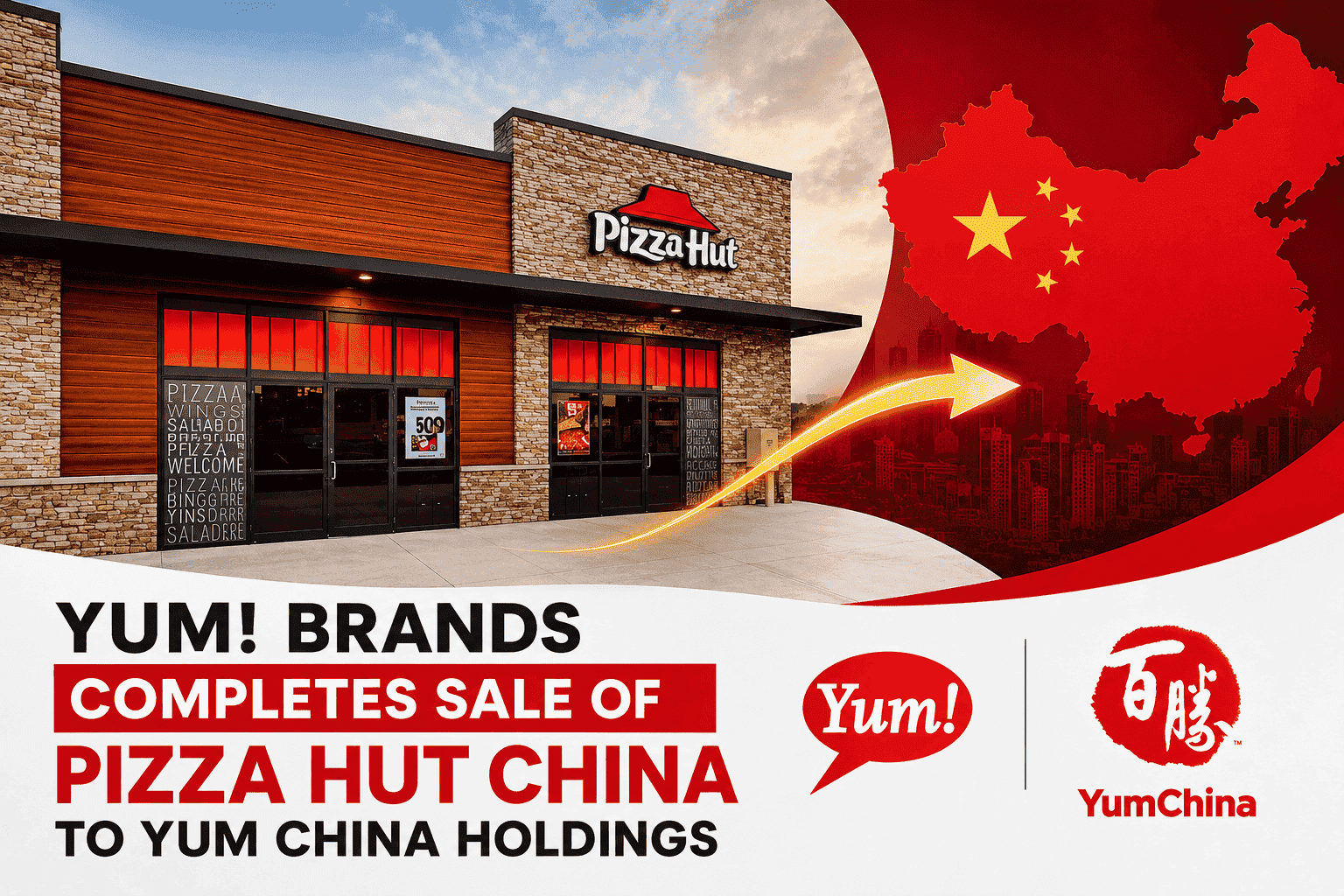
Yum! Brands has finalized a $1.2B deal to transfer Pizza Hut China to Yum China Holdings, signaling big strategic moves for both global franchisors and operators.
Aug 7, 2026
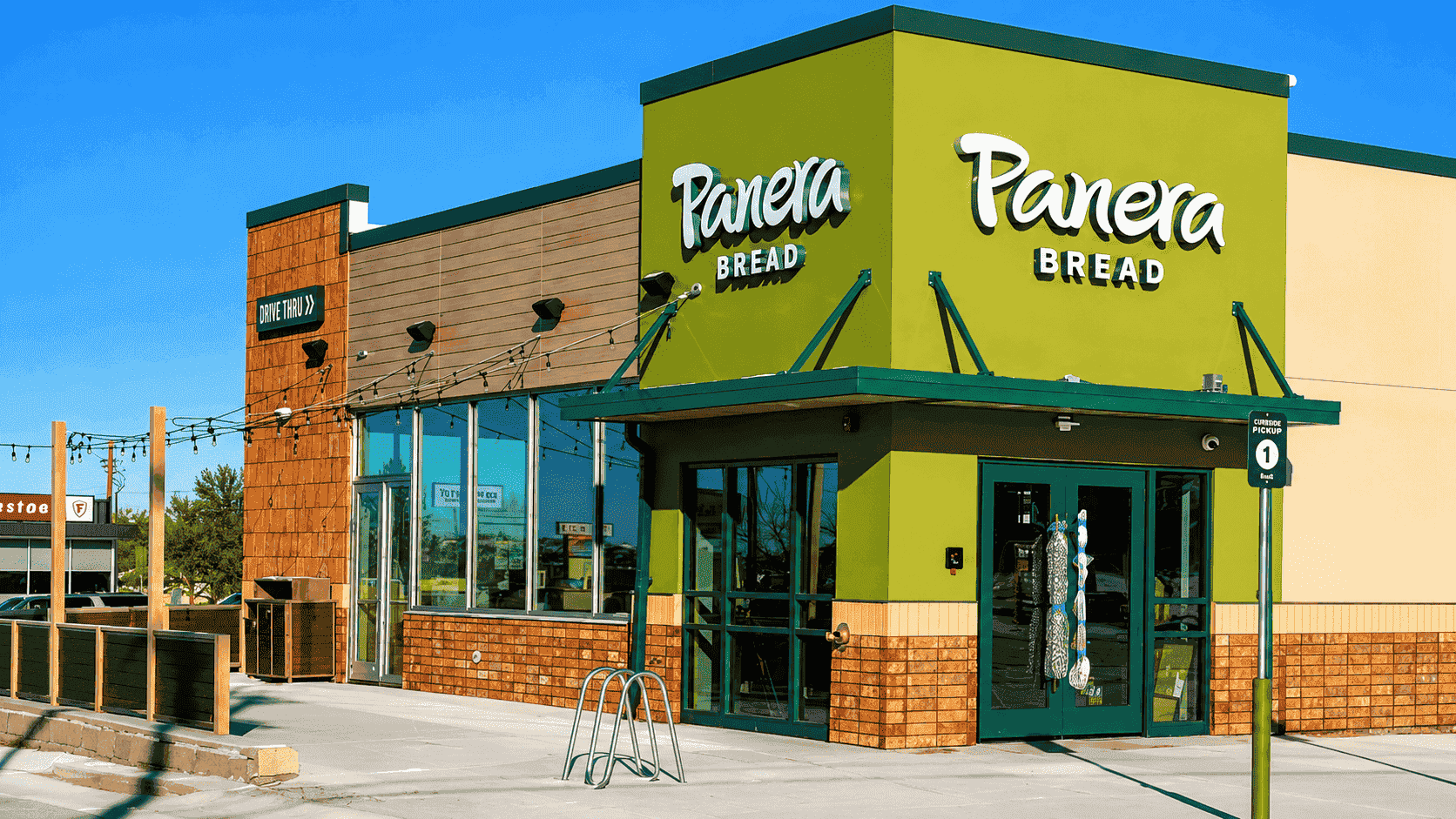
Panera Bread appoints industry veteran Andy Rebhun as Chief Marketing Officer, ushering in a new era of brand growth and consumer engagement.
Aug 7, 2026
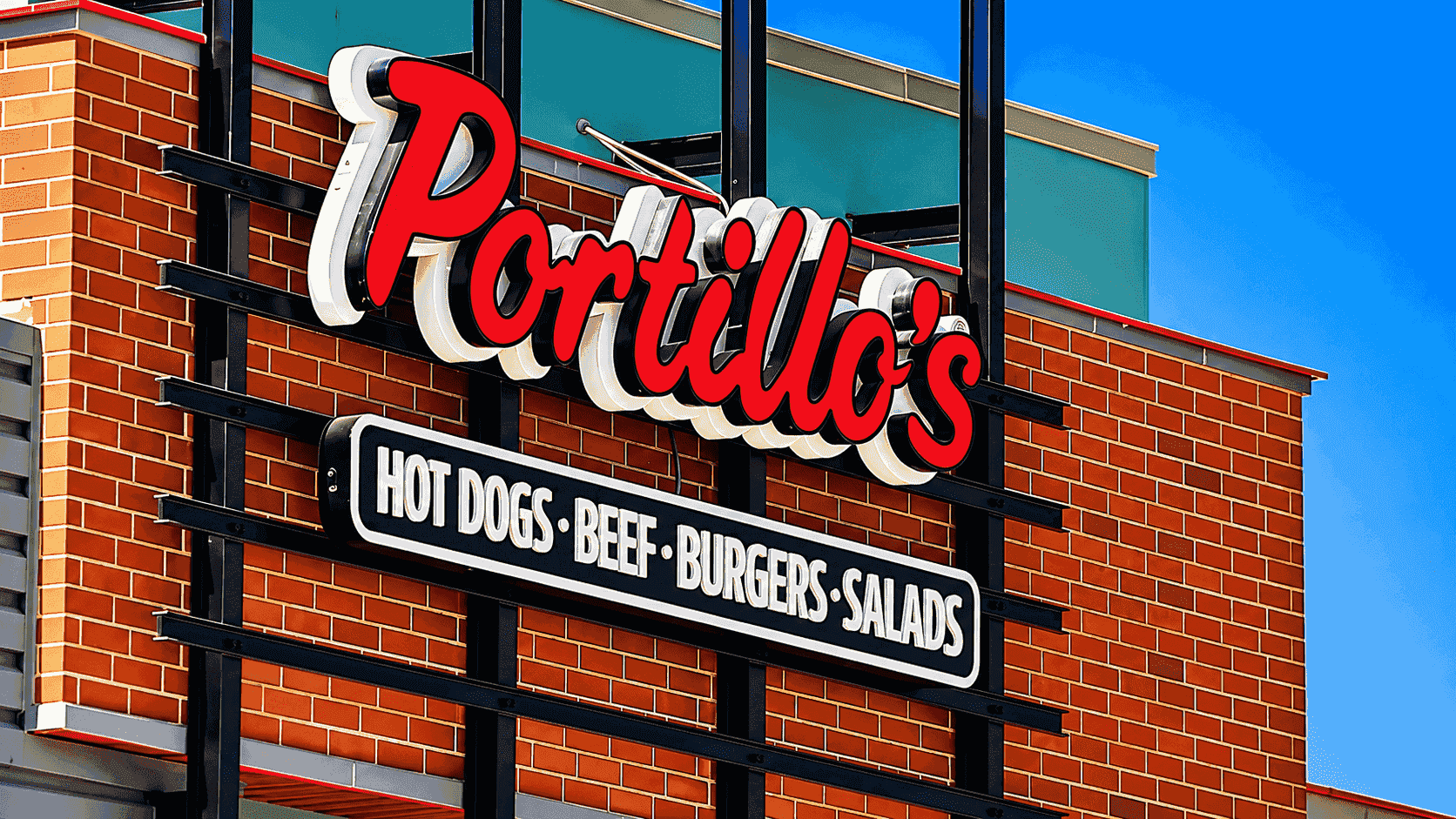
Portillo’s trims 18% of its corporate staff in a bid to refocus resources on restaurant excellence and navigate operational challenges. Discover what the changes mean for the chain’s future.
Aug 7, 2026
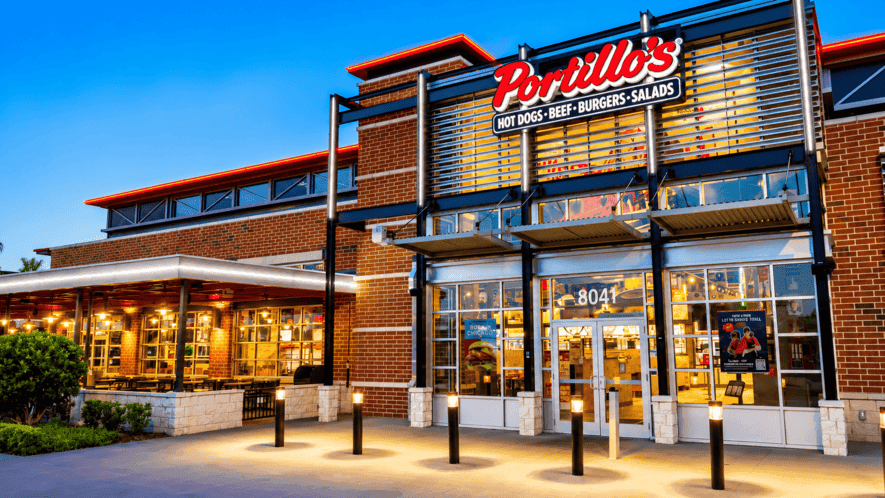
Portillo’s trims corporate and field roles by 18% in a strategic shake-up to support future growth after soft traffic and sales. Read what this means for multi-unit operators.
Aug 6, 2026
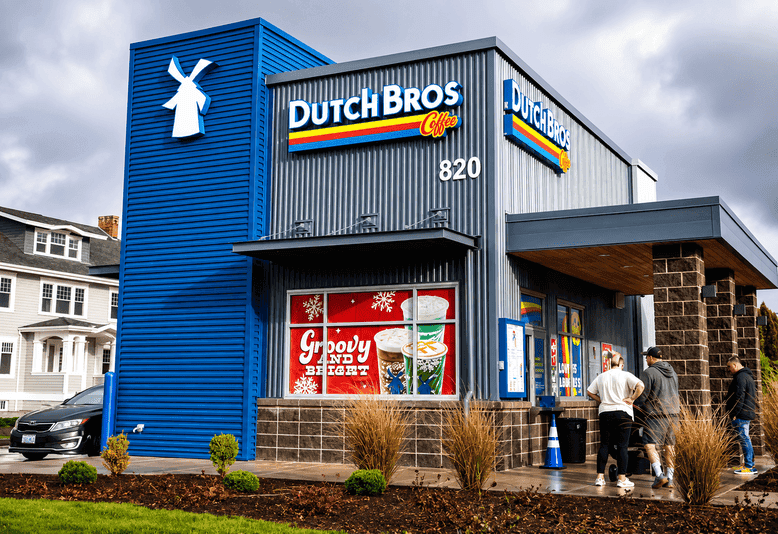
Dutch Bros invests $105 million to acquire Salad and Go’s closed locations, targeting rapid expansion in key southern markets. Learn what this means for multi-unit restaurant owners and operators.
Aug 6, 2026
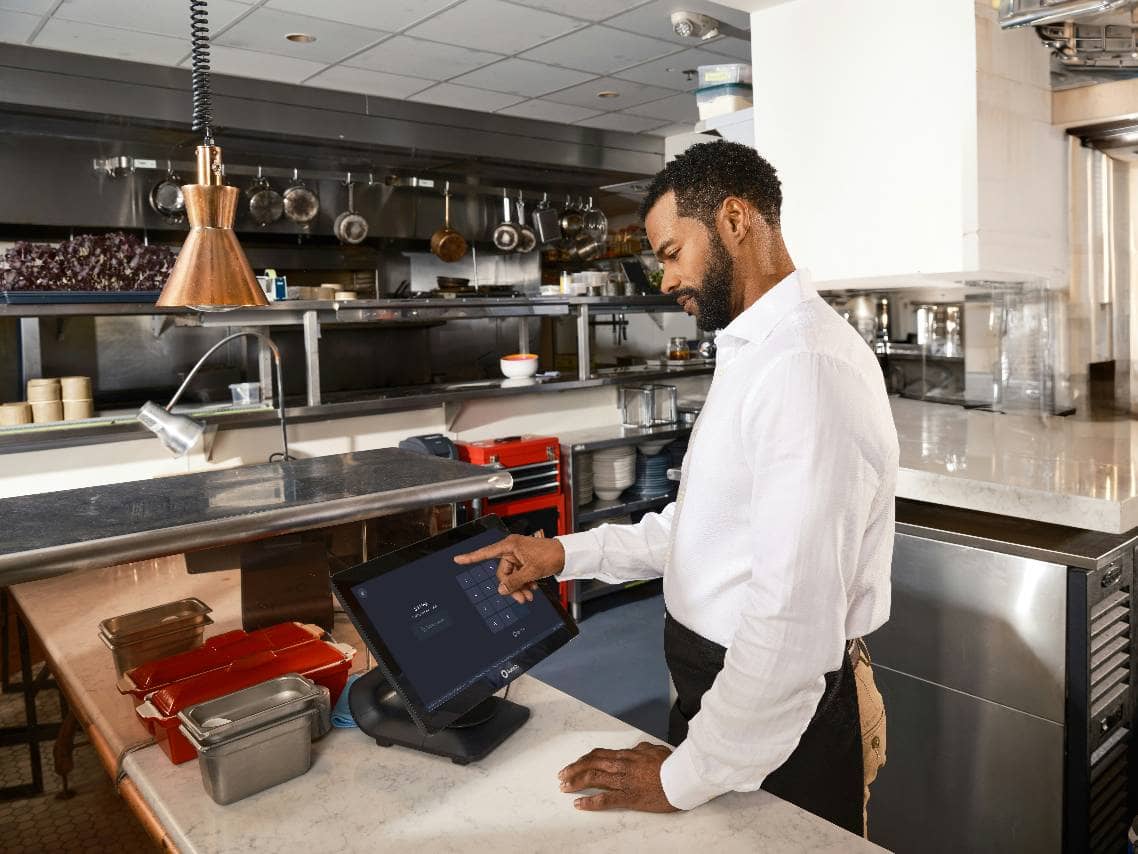
Scheduling software helps restaurants save time, control labor costs, improve communication, prevent conflicts, support compliance, and make smarter staffing decisions.
Aug 5, 2026

Portillo’s announces industry veteran Kevin Kalicak as its new CFO and Treasurer, underscoring the brand’s growth strategy and financial vision.
Aug 5, 2026
Explore how the restaurant industry is embracing smaller store footprints to enhance operational efficiency, reduce costs, and meet evolving real estate needs.

Photo by Luca Cavallin

Photo by Luca Cavallin
Recent announcements by prominent restaurant chains like Jamba, &pizza, Little General, and Checker's & Rally's signal a wider industry trend towards adopting standardized, smaller store formats. These strategic decisions to reduce store sizes have been driven by the need for cost optimization, increased operational efficiency, and flexibility in real estate requirements.

Photo by Luca Cavallin
The shift to smaller store footprints is underpinned by a focus on operational efficiency. By streamlining workflows and maximizing space utilization, restaurants can create smoother environments that enhance operations and improve staff productivity. Optimizing kitchen layouts, reducing unused areas, and reorganizing storage spaces are key strategies employed to make the most of limited square footage.

Photo by Luca Cavallin
One of the significant benefits of transitioning to smaller store footprints is the increased flexibility in real estate needs. By lowering land requirements, cutting construction costs, and enhancing operational efficiencies, restaurants can create models that are more accessible for business ownership. This adaptability to changing market dynamics and consumer preferences is essential for long-term success.
While reducing store sizes can lead to operational efficiencies, there is a potential tradeoff with sales. Shrinking kitchens may constrain production capacity, impacting the ability to meet customer demand during peak hours. However, restaurants are exploring innovative ways to redesign real estate prototypes without compromising kitchen capabilities, ensuring a balance between space optimization and revenue generation.