
8 Steps in the Restaurant Payroll Process
Learn the eight essential steps of the restaurant payroll process, from tracking hours and calculating wages to payments and recordkeeping.
Payroll
Aug 17, 2026
Learn the eight essential steps of the restaurant payroll process, from tracking hours and calculating wages to payments and recordkeeping.
Aug 17, 2026
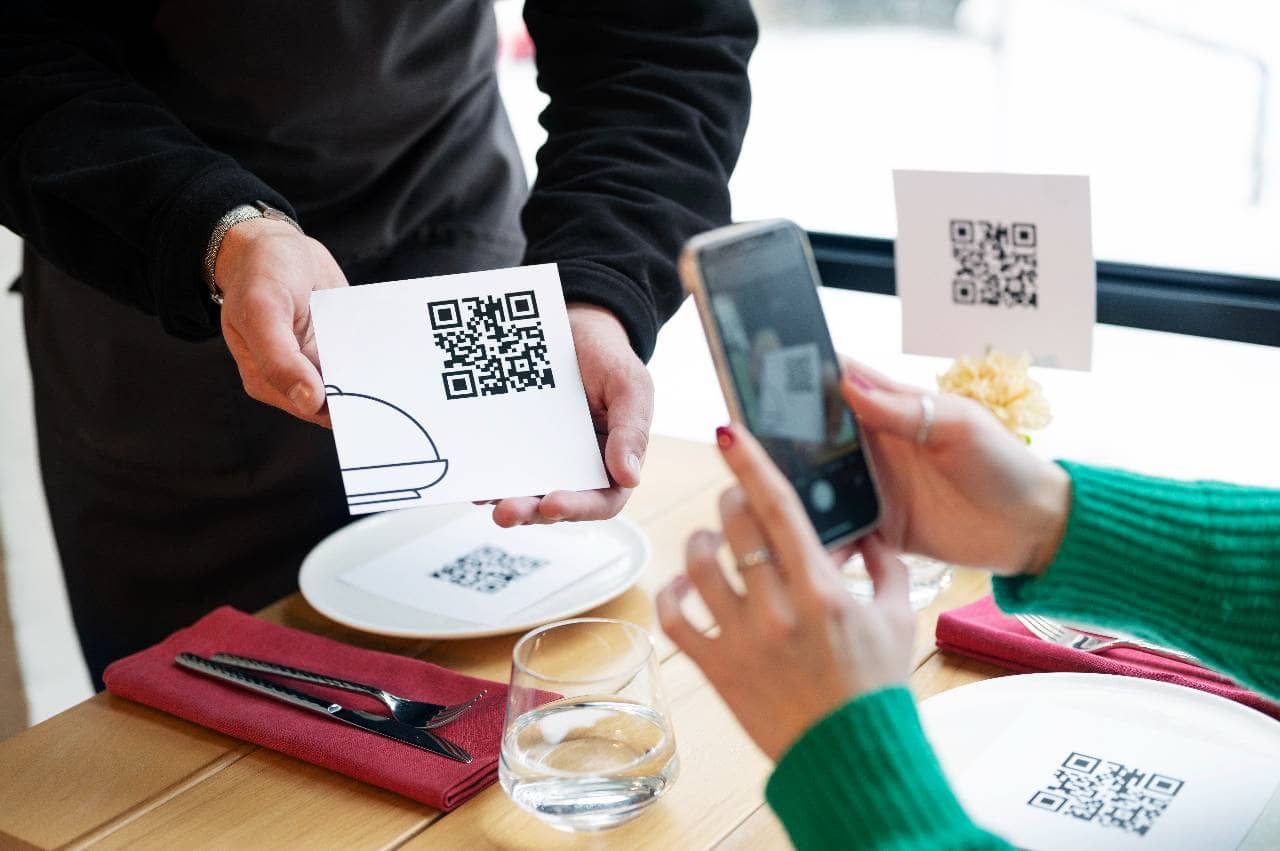
Explore the main types of ordering technology restaurants use to improve accuracy, speed, payments, customer convenience, and operational efficiency daily.
Aug 17, 2026
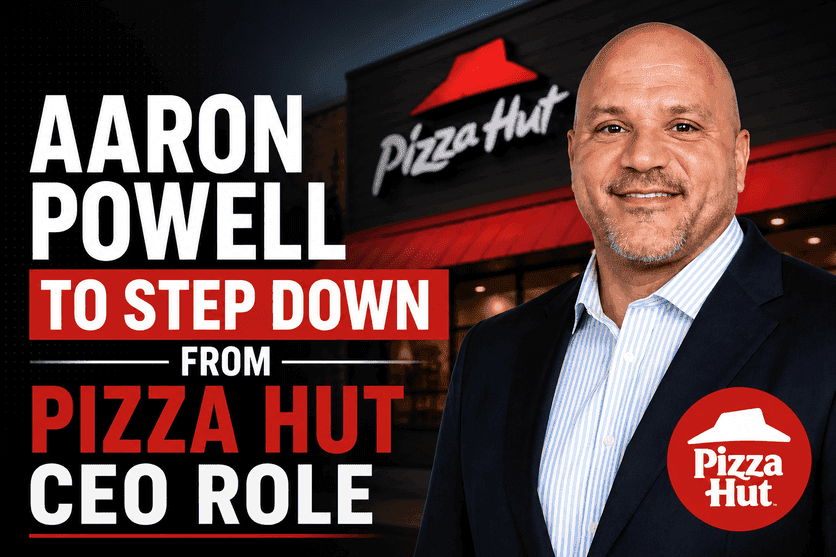
The transition of Pizza Hut's CEO, Aaron Powell, marks a pivotal moment for the chain and offers valuable leadership lessons for restaurant owners. Here’s what this executive change could mean for your business.
Aug 17, 2026

Discover how restaurant SMS marketing works, from building subscriber lists and creating campaigns to improving engagement and measuring marketing performance.
Aug 14, 2026
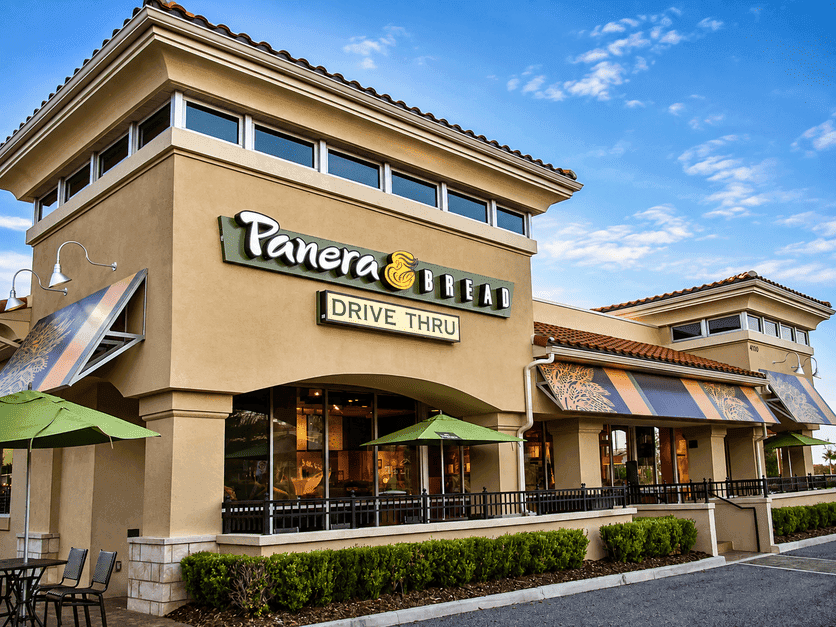
Panera Bread welcomes Andrew Rebhun as its new CMO to spearhead strategic brand growth and transformation, bolstering its vision for 2028.
Aug 17, 2026
Learn how to manage cash flow in your restaurant by tracking finances, controlling costs, forecasting needs, and building cash reserves.
Aug 14, 2026
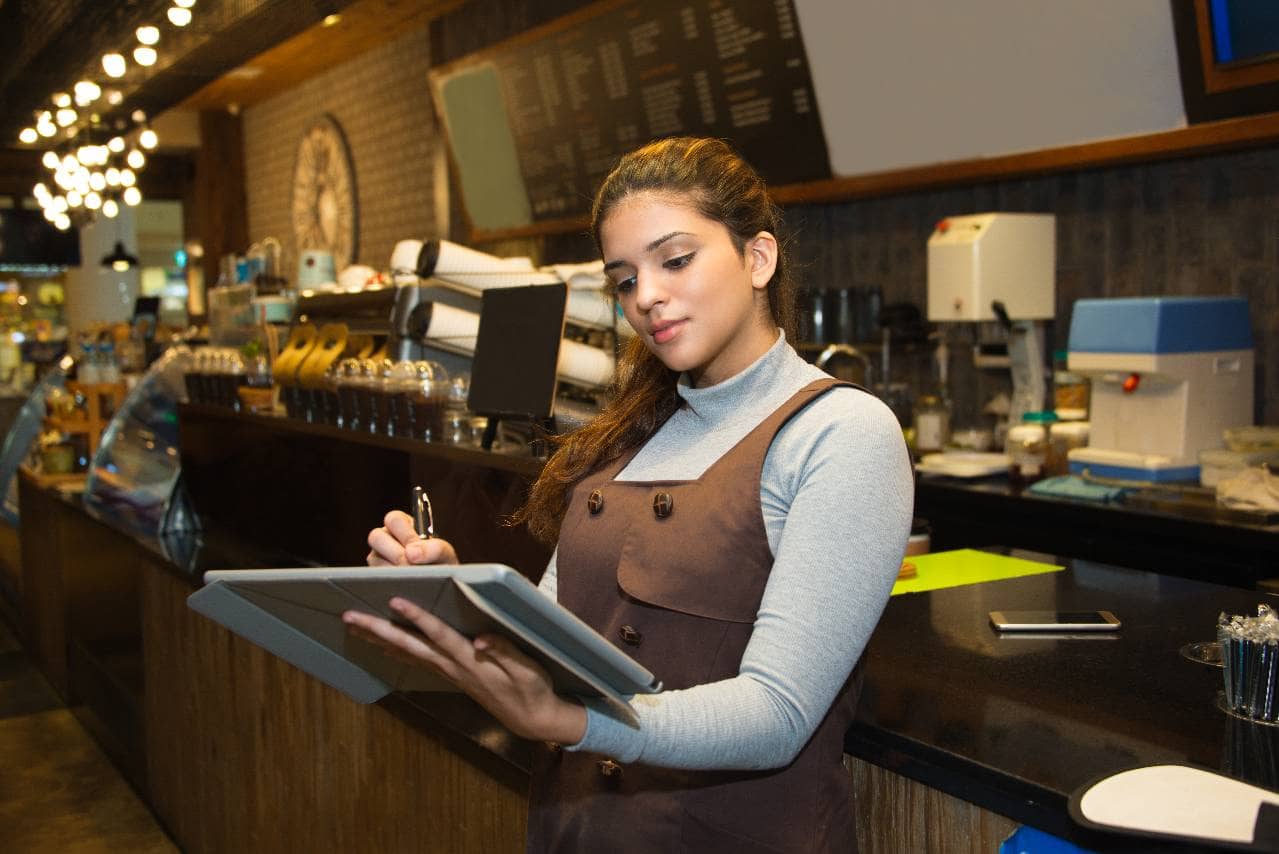
Streamline restaurant back office operations by standardizing workflows, automating repetitive tasks, integrating systems, centralizing data, and improving accountability and efficiency.
Aug 12, 2026
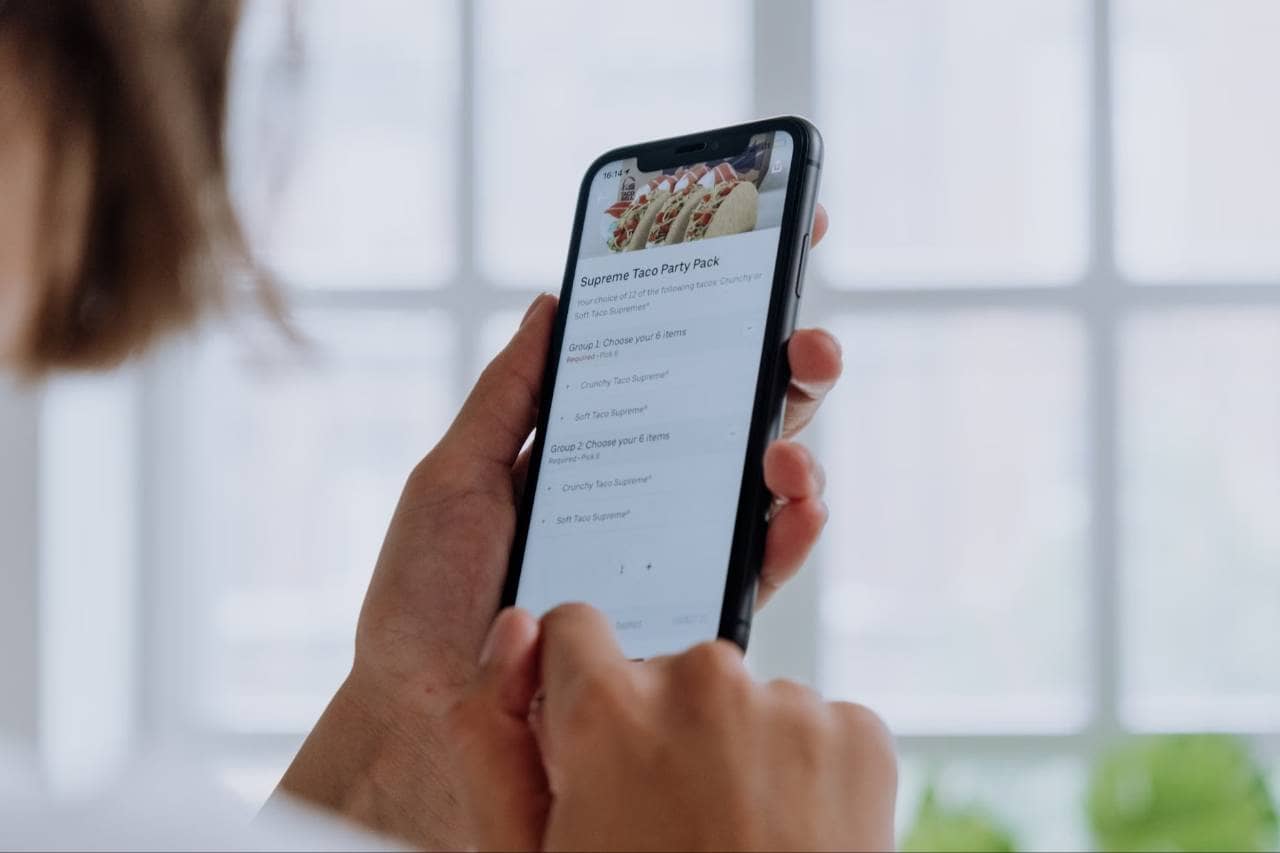
Increase online orders by simplifying checkout, optimizing menus, improving Google visibility, promoting ordering channels, and encouraging customers to order again.
Aug 12, 2026
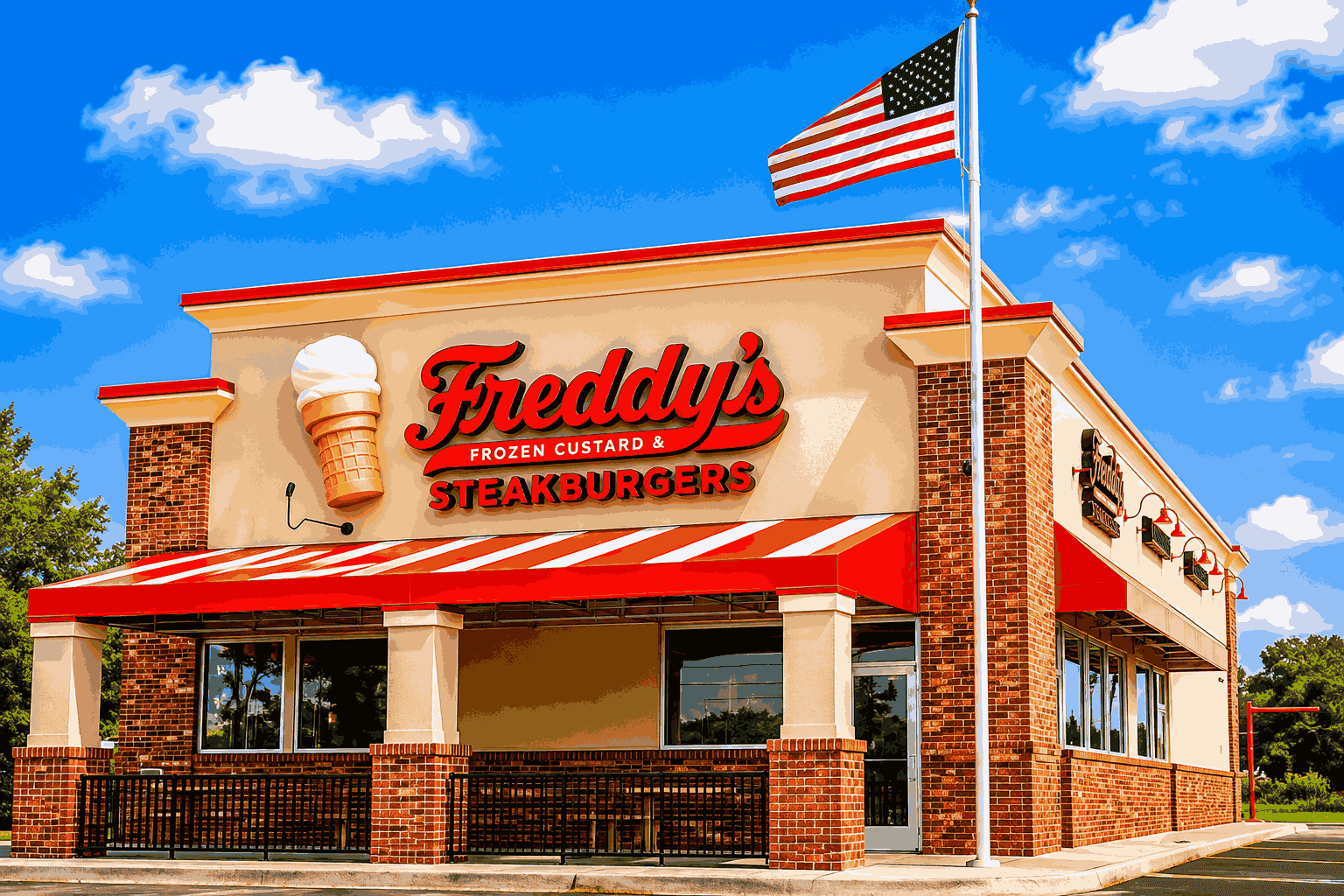
Freddy’s Frozen Custard & Steakburgers promotes Rick Petralia to Executive Chef & VP of Training & Innovation, signaling a strategic focus on culinary excellence and franchisee support.
Aug 12, 2026
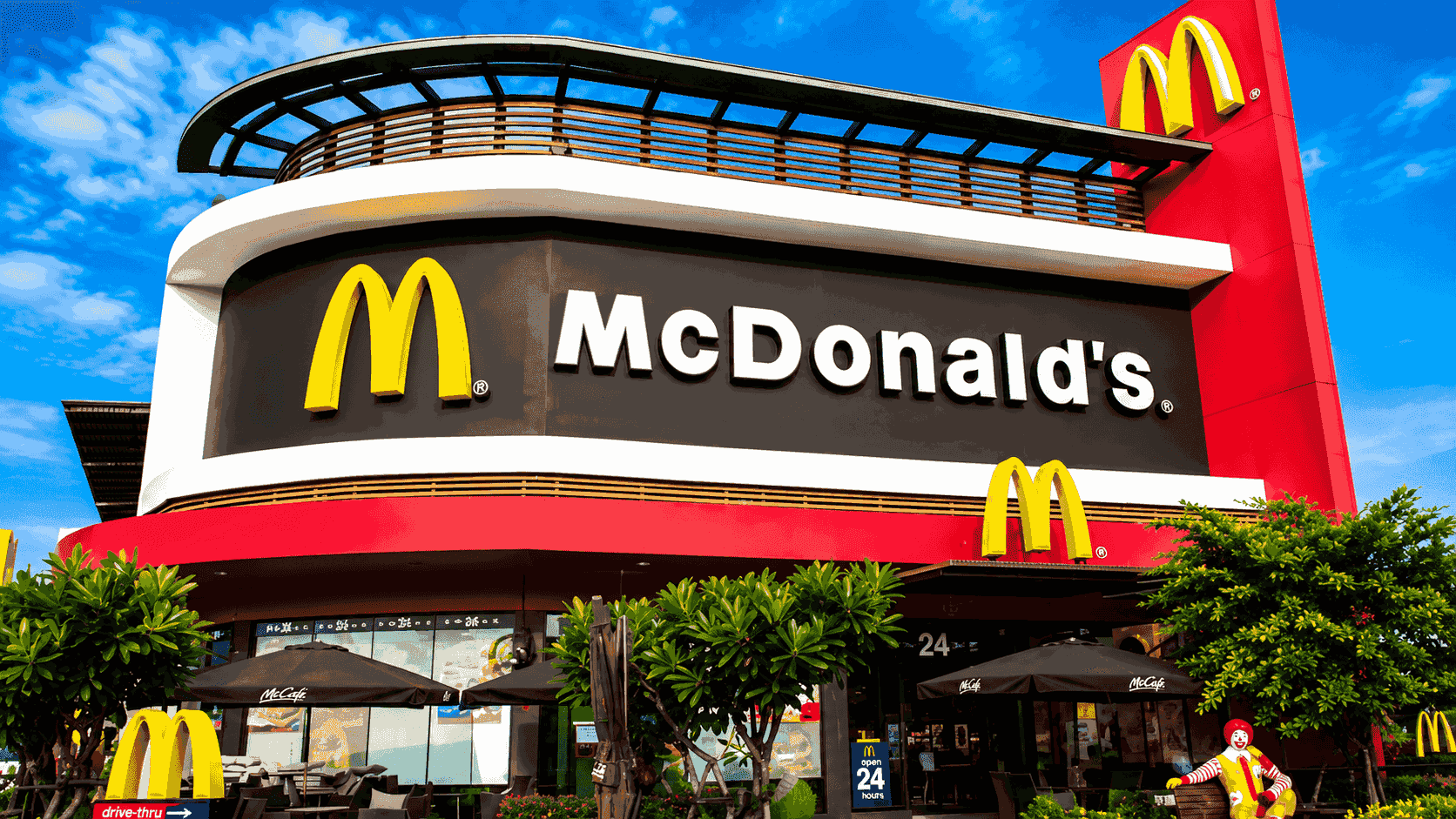
McDonald’s USA has appointed Patrick Gerber as chief restaurant officer, leveraging his decades of global experience to boost operations, food quality, and customer satisfaction in the U.S. market.
Aug 11, 2026

Unlock Exclusive Access To Webinars, Events, And The Latest News For Free!
Explore how top restaurant brands like McDonald’s, Wingstop, Raising Cane’s, Chipotle, and Starbucks are attracting Gen Z consumers and leveraging marketing strategies to tap into their spending power.

Photo by Marco Chilese

Photo by Marco Chilese
McDonald’s success in attracting Gen Z consumers stems from strategic brand collaborations and engaging viral campaigns. By partnering with popular brands like Genshin Impact and Crocs, McDonald’s stays relevant and resonates with the younger demographic. The chain's $5 Meal Deal and innovative offerings like the Grandma McFlurry and Collector’s Meal have also contributed to its appeal among Gen Z.

Photo by Marco Chilese
Wingstop's rise in Gen Z popularity can be attributed to its focus on digital channels and menu innovation. With a significant portion of sales coming from digital platforms, Wingstop has embraced the digital native generation effectively. The introduction of chicken sandwiches and strategic partnerships like becoming the Official Partner of the NBA have propelled its brand awareness among younger consumers.
Raising Cane’s success in appealing to Gen Z lies in its simplicity and focus on the popular chicken category. The chain's strategic partnerships with celebrities like Post Malone and Snoop Dogg have helped elevate its brand and increase awareness. By expanding into flagship locations and offering a straightforward menu, Raising Cane’s has positioned itself as a go-to choice for young consumers.

Photo by Marco Chilese
Chipotle's strategy of engaging with Gen Z through gaming partnerships and influencer collaborations has significantly boosted its magnetism among the demographic. By aligning with popular gaming titles like Tekken 8 and collaborating with social media influencers and Olympians, Chipotle has stayed relevant and appealing to younger consumers. Promotions tied to events like fantasy football have further enhanced its brand visibility.
Despite facing setbacks, Starbucks aims to re-establish itself as a favored destination for Gen Z consumers. With declining same-store sales and evolving consumer preferences, the brand has recognized the need for a marketing overhaul. By shifting focus to brand experience and everyday value, Starbucks is working towards creating a more engaging and less transactional environment to attract younger audiences.
Understanding the significance of user-generated content (UGC) is vital for brands targeting Gen Z. Younger audiences value authenticity and genuineness in content, making UGC a powerful tool for influencing their purchasing decisions. Platforms like TikTok play a crucial role, with brands leveraging UGC to connect with Gen Z on a more personal level.

Photo by Marco Chilese
As Gen Z continues to shape consumer trends and spending habits, brands must adapt their marketing strategies to resonate with this influential demographic. Embracing digital channels, fostering authentic brand experiences, and staying attuned to evolving preferences are key to capturing Gen Z's attention and loyalty in the competitive restaurant landscape.