California Penalizes Dickey's for Franchise Disclosure Violations
California shifts to public enforcement strategy against Dickey's for deceptive franchise disclosures, signaling stricter state-level franchise oversight.
Franchising
Sep 10, 2026
California shifts to public enforcement strategy against Dickey's for deceptive franchise disclosures, signaling stricter state-level franchise oversight.
Sep 10, 2026
Paul Brown temporarily steps away from Inspire Brands as Scott Murphy assumes interim CEO role during confidential IPO filing process targeting late 2026.
Sep 10, 2026
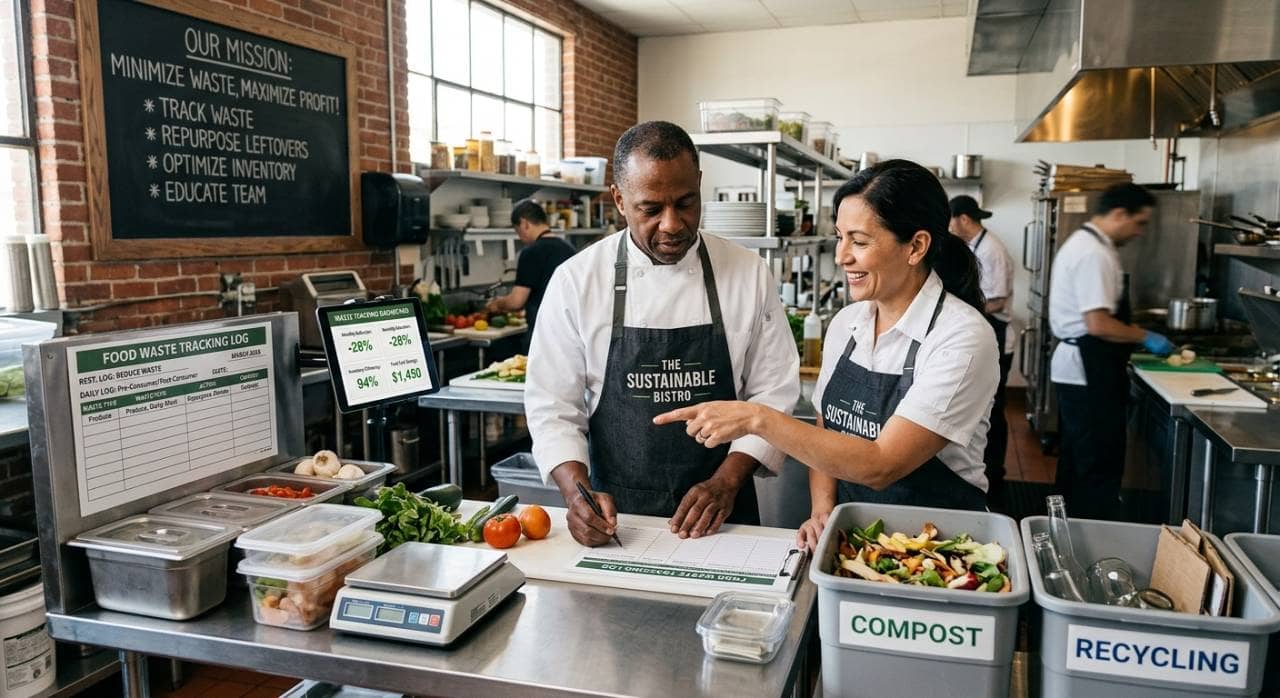
Learn how to reduce food waste in restaurants through smarter purchasing, storage, preparation, and service strategies that cut costs.
Sep 9, 2026
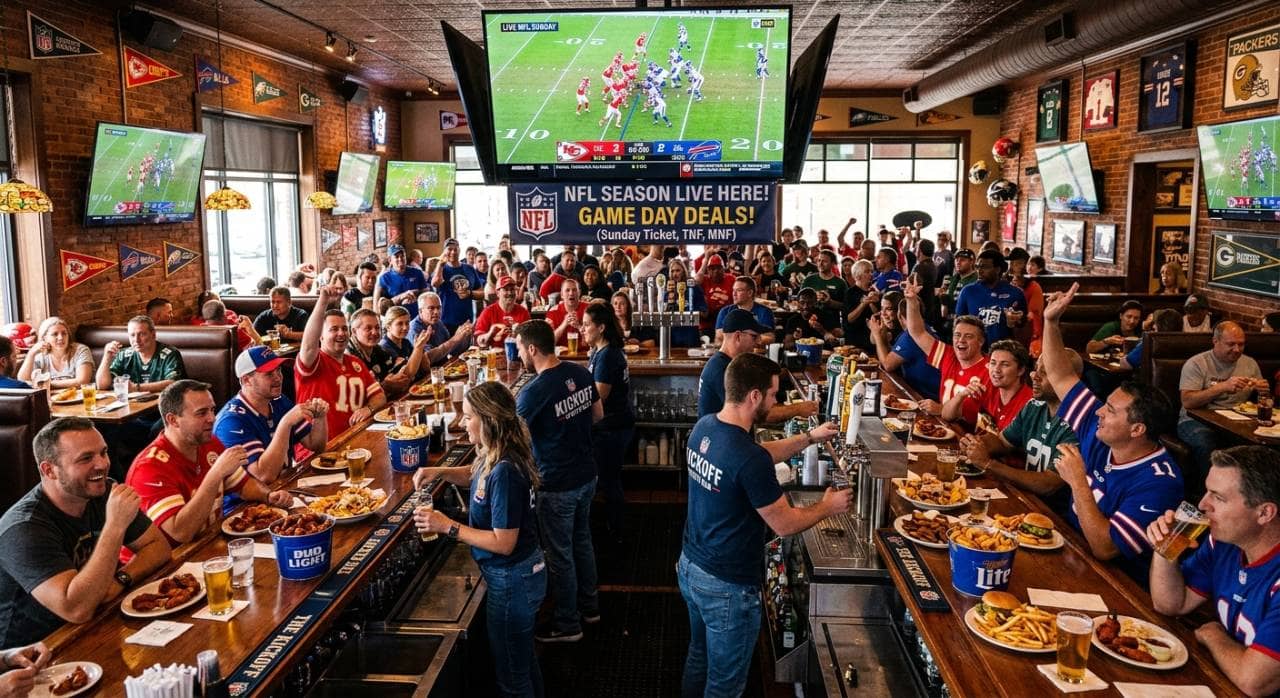
Prepare your restaurant for NFL season with smart menu planning, staffing, marketing, technology, and atmosphere strategies that boost season-long revenue.
Sep 9, 2026
Swig signs franchise agreement for 11 South Denver locations, marking Colorado entry and validating its national expansion strategy.
Sep 8, 2026
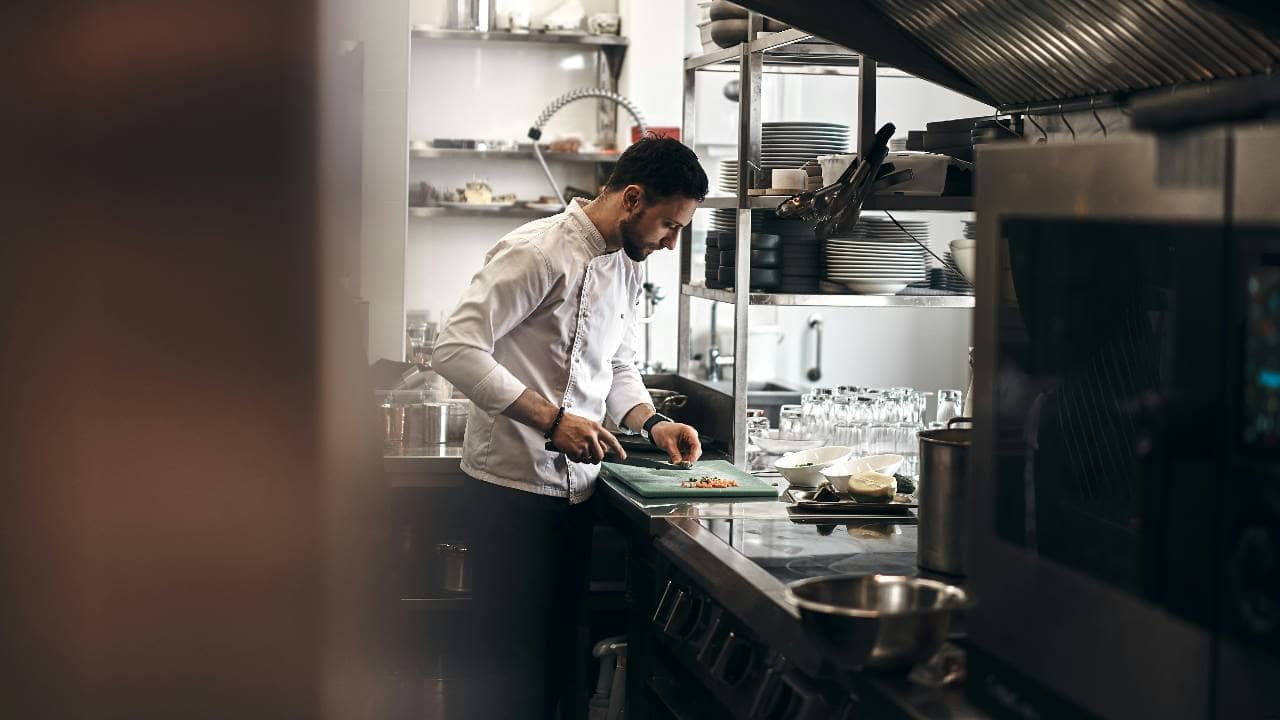
Complete guide helping restaurant owners choose essential kitchen equipment - covering cooking, refrigeration, prep, sanitation, ventilation, safety, and long-term maintenance planning.
Sep 7, 2026
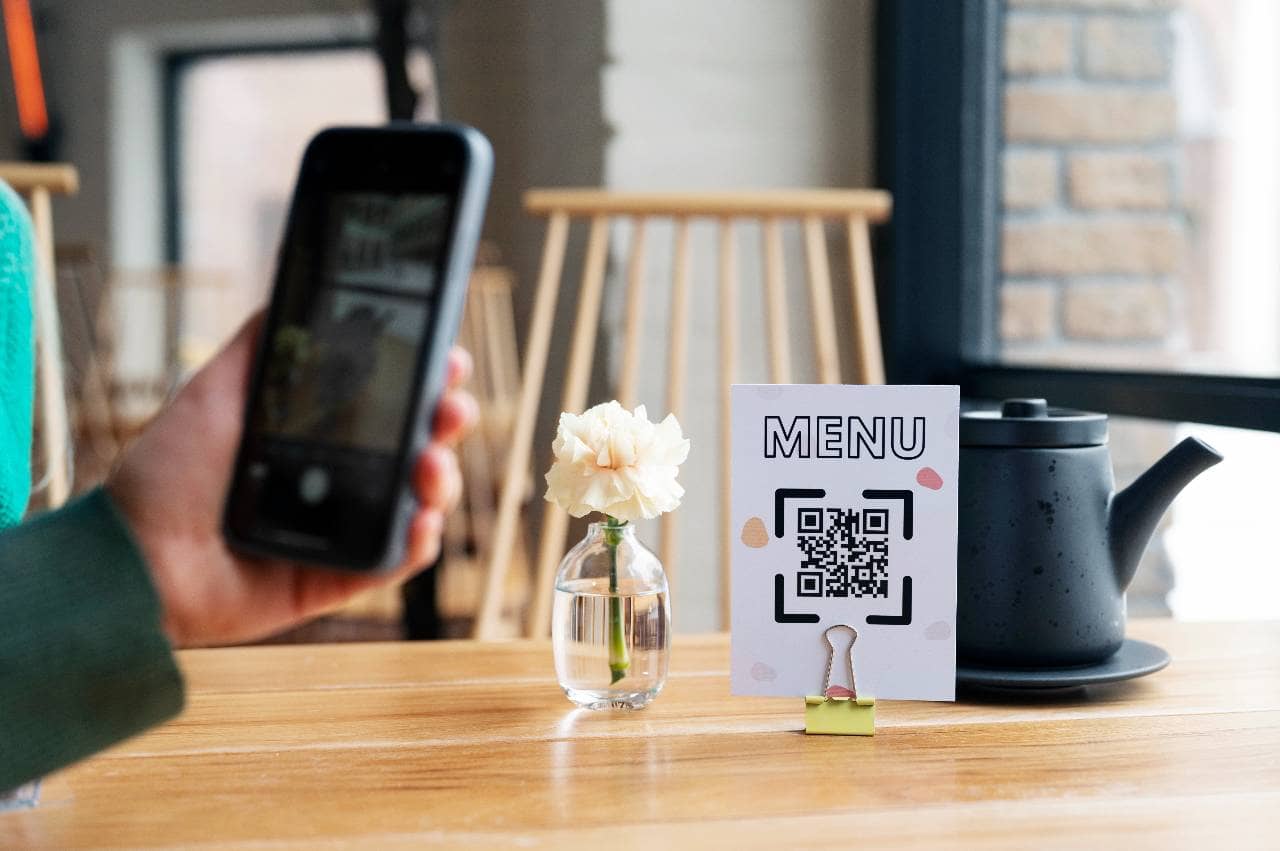
QR code menus let restaurants replace paper menus digitally, enabling instant updates, contactless browsing, ordering, and payment through simple smartphone scanning.
Sep 7, 2026

Avoiding common restaurant payroll mistakes - misclassification, tip credit errors, overtime miscalculations - protects businesses from costly penalties, back pay, and compliance risks.
Sep 4, 2026
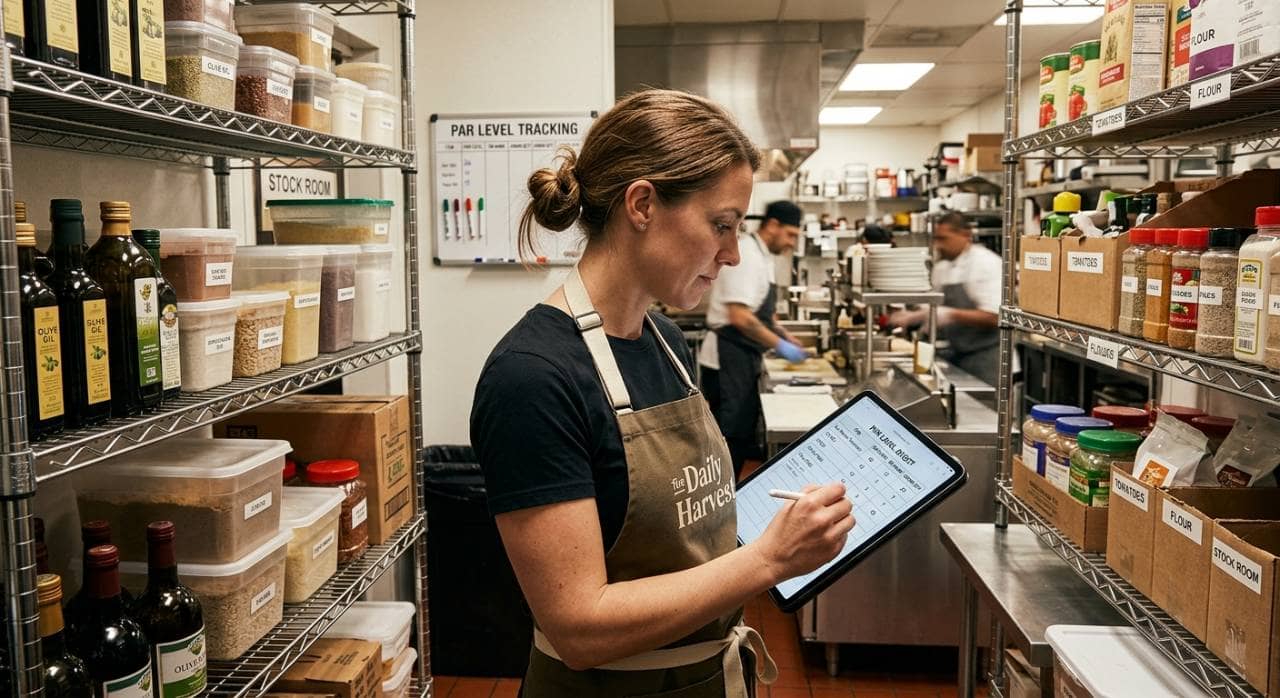
Learn to calculate par levels for restaurant food, beverages, and packaging inventory, preventing stockouts and waste through proper formulas.
Sep 4, 2026
Caribou Coffee appoints Zane Thomas-Rogers as Chief Operations Officer to strengthen execution across its expanding coffeehouse network.
Sep 4, 2026

Unlock Exclusive Access To Webinars, Events, And The Latest News For Free!
How guest behavior, data, and POS analytics turn table-side discoveries into profitable, scalable menu strategy for restaurants in 2026.

Photo by Tyler Thomas
A diner at Southern Luv BBQ kept ordering pulled pork, mac and cheese, and jalapeños as separate items, then mixing them at the table. Curiosity won out. “I walked over and asked him what he was doing,” recalls founder Essi Tadrus. After several visits with the same ritual, that homespun mash-up jumped from one guest’s habit to a core menu category: mac bowls. One table, one pattern, one spark that reshaped a business.
Operators chasing repeat visits are learning to translate moments like that into strategy, not folklore. The National Restaurant Association’s 2026 State of the Restaurant Industry report forecasts total U.S. restaurant and foodservice sales to reach $1.55 trillion this year, fueled by digital ordering, AI, and data analytics that sharpen operations and personalize experiences. Comment cards and online reviews offer a slice of the picture, but the richest signals often arrive in real time.
HungerRush surveyed 1,000 U.S. consumers in April 2025 and found diners rank speed, accuracy, and the ability to personalize orders as their top expectations at quick-service and fast-casual concepts. Technomic research shows that 61 percent of consumers now want more self-service kiosks to control their orders and 78 percent express interest in personalized menu recommendations based on their past choices. Even frustrations, like long ticket times, inconsistent portions, or fuzzy item descriptions, function as early alarms that steer teams toward fixes before loyalty erodes.
The tools to capture and decode those signals have grown more sophisticated. Industry Research & Consulting estimates the global restaurant POS market at $256.2 billion in 2026, with a path to $413.7 billion by 2035 at a 7.09 percent compound annual growth rate. Within that ecosystem, 6sense data shows that Square commands 27.75 percent market share, Toast holds 24.00 percent, and Retail Sales Manager accounts for 10.79 percent, placing Lightspeed Restaurant among the leading five providers that power analytics-driven menu decisions.
When a unified POS and payments system is in place, transaction records become a live dashboard of modifications, reorders, and sales velocity. The result is a tighter feedback loop that lets operators refine menus in step with kitchen capacity and brand goals.

Even with powerful dashboards, the floor still teaches. “It costs you a lot more to lose a guest,” says Tadrus, a crisp reminder that speed of response matters when diners flag concerns or ask for tweaks. At the 2025 National Restaurant Association Show in Chicago, Donna Hood Crecca, principal at Technomic, underscored that a menu item hitting two to three of the key elements, unique, global flavor, unexpected, is more likely to pique interest and spur engagement. Questions about preparation, comments on portion size, or a request for an extra sauce can be the breadcrumbs that lead to a signature.

The economics support this discipline. A recent Cornell Hotel and Restaurant Administration Quarterly analysis found that structured menu engineering can lift profits by roughly 10 percent without changing a single recipe. Psychology matters too. Removing dollar signs, adding descriptive labels, or dropping decimals produced uplifts of 8.15 percent, 27 percent, and 7.2 percent in check averages, respectively. Even so, the National Restaurant Association reports that 42 percent of operators reported unprofitability in 2025 and face slim capacity to raise prices further. That puts real pressure on design choices that balance demand with food costs, labor, and equipment, rather than turning every guest request into a permanent fixture that clogs the line.

Guest-driven creations are scaling well beyond one barbecue counter. Build-your-own bowls are now routine from fast-casual to white tablecloth dining, with digital platforms amplifying choice. A December 2025 Yum Brands trend report notes that 75 percent of Gen Z diners customize their orders, and 31 percent of custom requests cater to small groups of two. Toast data shows single-diner reservations surged 22 percent in Q3 2025, a clear signal that menus must flex for both groups and solos. In parallel, global comfort remains ascendant, from smash burgers to Caribbean curry bowls, mirroring the flavor escapism forecast by the National Restaurant Association’s What’s Hot Culinary Forecast for 2026. Creativity that starts with the guest can quickly turn into brand differentiation and new revenue streams.

There are traps to avoid. A pocket of superfans can look like broad demand, and voice prompts at kiosks only capture feedback from guests who are comfortable with the technology. Fragmented data compounds the risk. Industry voices point to divergent data models across platforms, with Toast, Square, and Clover structuring orders and modifiers differently, which muddies analytics and slows integrations. The smart move is to triangulate live signals with periodic formal research and to share findings across teams so that menu changes rest on more than a loud anecdote.

The operators who turn listening into a habit, and who back it with clean data and kitchen-ready execution, pull ahead. Build systems that flag recurring requests, circulate insights, and measure outcomes. When voice-of-customer patterns line up with sales metrics and production realities, new items feel inevitable rather than experimental. That is how today’s table discoveries become tomorrow’s breakout hits.