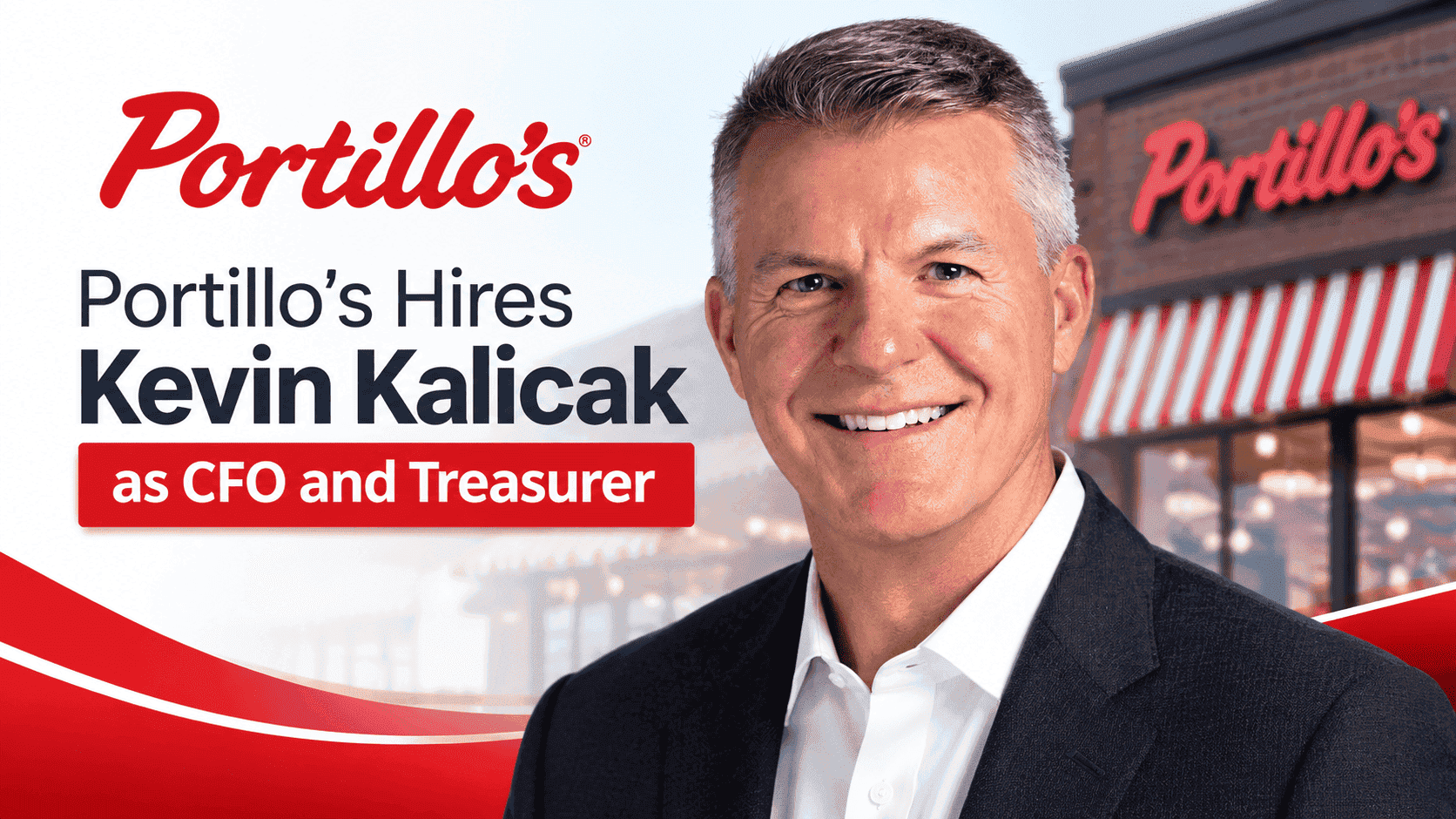
Portillo’s Appoints Kevin Kalicak Finance Chief
Portillo’s announces industry veteran Kevin Kalicak as its new CFO and Treasurer, underscoring the brand’s growth strategy and financial vision.
News
Aug 5, 2026
Portillo’s announces industry veteran Kevin Kalicak as its new CFO and Treasurer, underscoring the brand’s growth strategy and financial vision.
Aug 5, 2026
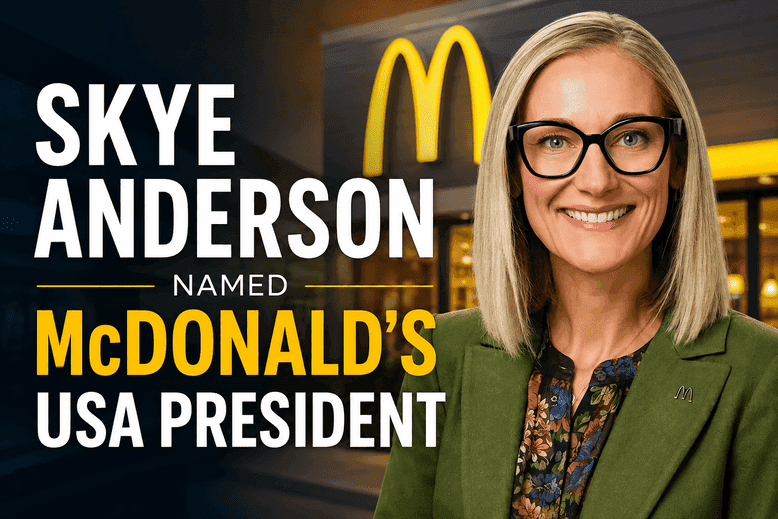
Skye Anderson will lead McDonald's USA as its new president, stepping in to accelerate growth and revive sales. Learn how her leadership could shape the future of the restaurant industry.
Aug 4, 2026

Explore restaurant payment processing and learn how payments are authorized, settled, secured, reconciled, refunded, disputed, and deposited into business accounts.
Aug 3, 2026
Dave & Buster’s announces Tarun Lal’s retirement as CEO, welcoming Darin Harper to the helm as the brand continues its Back-to-Basics strategy and growth initiatives.
Aug 4, 2026

Checkers & Rally’s welcomes Peter Busse as Chief Development Officer, signaling a new era of strategic expansion and franchise support for the quick-service brand.
Aug 4, 2026
Fast-growing chain HTeaO names franchise veteran Brian Wise as CEO, fueling the brand’s ambitious growth plans and franchisee-first strategy.
Aug 4, 2026

Restaurant owners can use this guide to evaluate employee benefits, estimate expenses, define eligibility, manage enrollment, and strengthen staff retention.
Aug 3, 2026
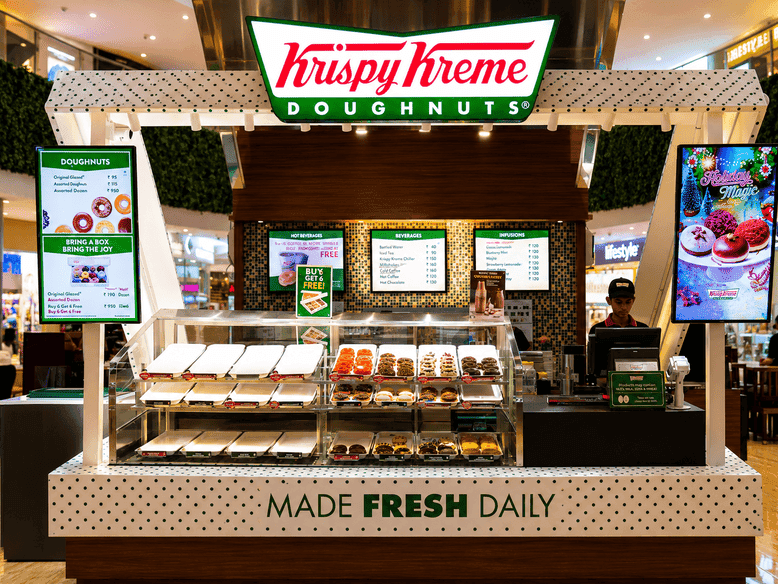
Krispy Kreme announces two key internal promotions, naming Suk Nicholas as Chief Commercial Officer and Lori Suess as Chief People Officer. These appointments signal a continued commitment to innovative growth and people-first strategy.
Aug 3, 2026
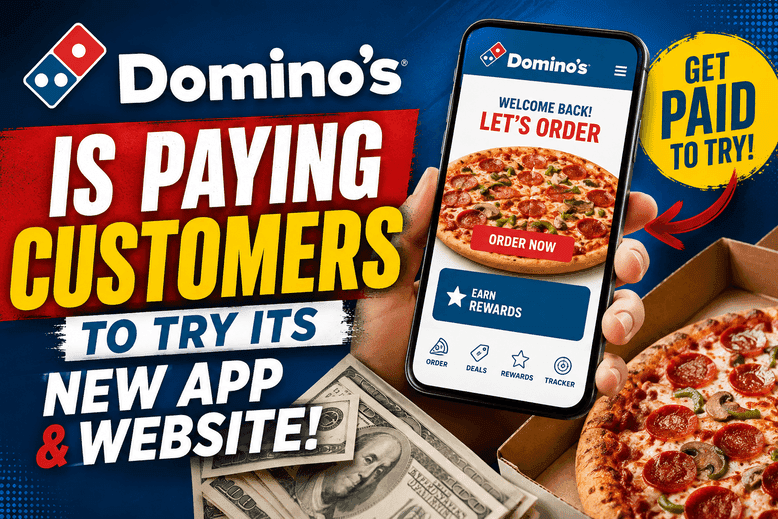
Domino's launches a bold campaign offering $5 off digital orders in exchange for customer feedback on its revamped app and website - signaling a new era of guest engagement for restaurant operators.
Aug 3, 2026

This guide explains restaurant accounting, covering revenue, expenses, payroll, inventory, taxes, financial statements, cash flow, and strategies for improving profitability.
Jul 31, 2026
Explore the recent changes in White Castle's leadership structure, its transition to non-family members in key roles, and the impact of family ownership on the company's success and innovation.
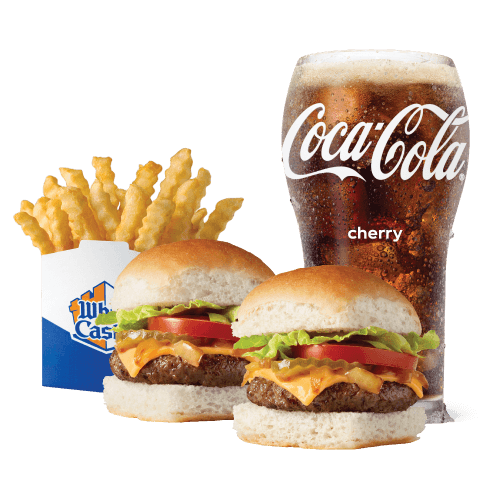
White Castle, known for its family-owned legacy, made a significant move by appointing Anthony Joseph as the first non-family member to hold the position of president. This decision marked a pivotal moment in the company's history, signaling a shift towards embracing external perspectives in leadership roles.
CEO Lisa Ingram's emphasis on long-term planning and the absence of a fifth-generation family member ready for presidency underlines the importance of succession planning in family businesses. Ingram's strategic decision to ensure an emergency succession plan reflects a commitment to safeguarding the company's future.

White Castle's history of bringing in external leadership, such as COO Jeff Carper a decade ago, demonstrates a willingness to integrate fresh perspectives into the organization. Joseph's role expansion into day-to-day operations showcases the company's openness to diversifying its leadership structure for growth.
Anthony Joseph's experience and vision for overcoming industry challenges highlight the benefits of incorporating non-family members into key roles while leveraging the company's unique brand equity. The blend of family heritage and external expertise positions White Castle to tackle market obstacles effectively.
Ingram's belief in the significance of family ownership and a non-franchise model as the core of White Castle's success emphasizes the control over customer experience and operational quality. This ownership model propels the company to maintain a distinct market position and foster deep connections with customers.
White Castle's strategic goals for 2025 revolve around expansion in key markets like Arizona and Florida, alongside a dedicated focus on innovation in loyalty programs, product offerings, and digital platforms. The introduction of the French Toast slider sandwich reflects the company's commitment to evolving its menu offerings.
In response to industry volatility, White Castle prioritizes creating a supportive work environment through enhanced benefits, updated administrative systems, and employee-centric initiatives. A strong organizational culture is essential in navigating challenges and fostering employee engagement for sustained success.

As White Castle embraces leadership evolution and innovation, the company strikes a delicate balance between its rich family heritage and the need for strategic adaptation in a competitive industry landscape. The synergy of tradition and forward-thinking initiatives positions White Castle for continued growth and relevance in the market.