
8 Steps in the Restaurant Payroll Process
Learn the eight essential steps of the restaurant payroll process, from tracking hours and calculating wages to payments and recordkeeping.
Payroll
Aug 17, 2026
Learn the eight essential steps of the restaurant payroll process, from tracking hours and calculating wages to payments and recordkeeping.
Aug 17, 2026

Explore the main types of ordering technology restaurants use to improve accuracy, speed, payments, customer convenience, and operational efficiency daily.
Aug 17, 2026
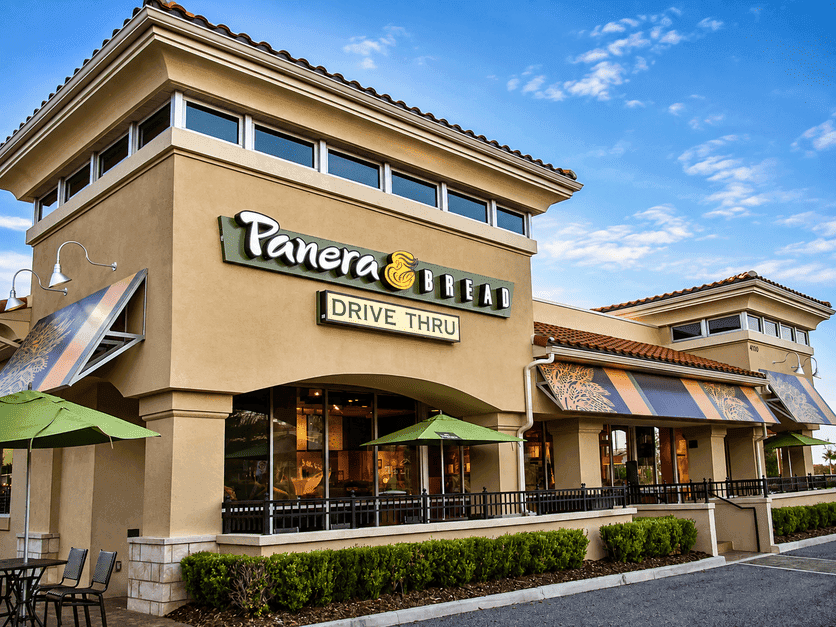
Panera Bread welcomes Andrew Rebhun as its new CMO to spearhead strategic brand growth and transformation, bolstering its vision for 2028.
Aug 17, 2026
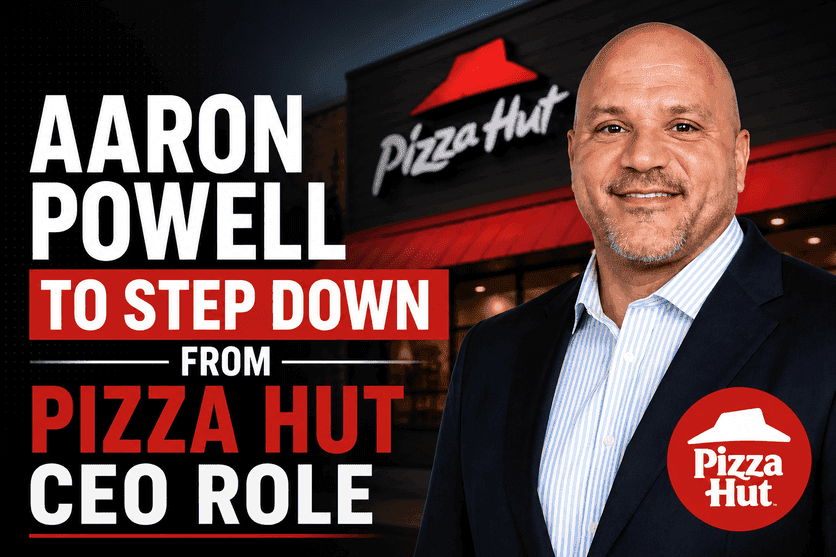
The transition of Pizza Hut's CEO, Aaron Powell, marks a pivotal moment for the chain and offers valuable leadership lessons for restaurant owners. Here’s what this executive change could mean for your business.
Aug 17, 2026

Discover how restaurant SMS marketing works, from building subscriber lists and creating campaigns to improving engagement and measuring marketing performance.
Aug 14, 2026

Learn how to manage cash flow in your restaurant by tracking finances, controlling costs, forecasting needs, and building cash reserves.
Aug 14, 2026

Increase online orders by simplifying checkout, optimizing menus, improving Google visibility, promoting ordering channels, and encouraging customers to order again.
Aug 12, 2026

Streamline restaurant back office operations by standardizing workflows, automating repetitive tasks, integrating systems, centralizing data, and improving accountability and efficiency.
Aug 12, 2026
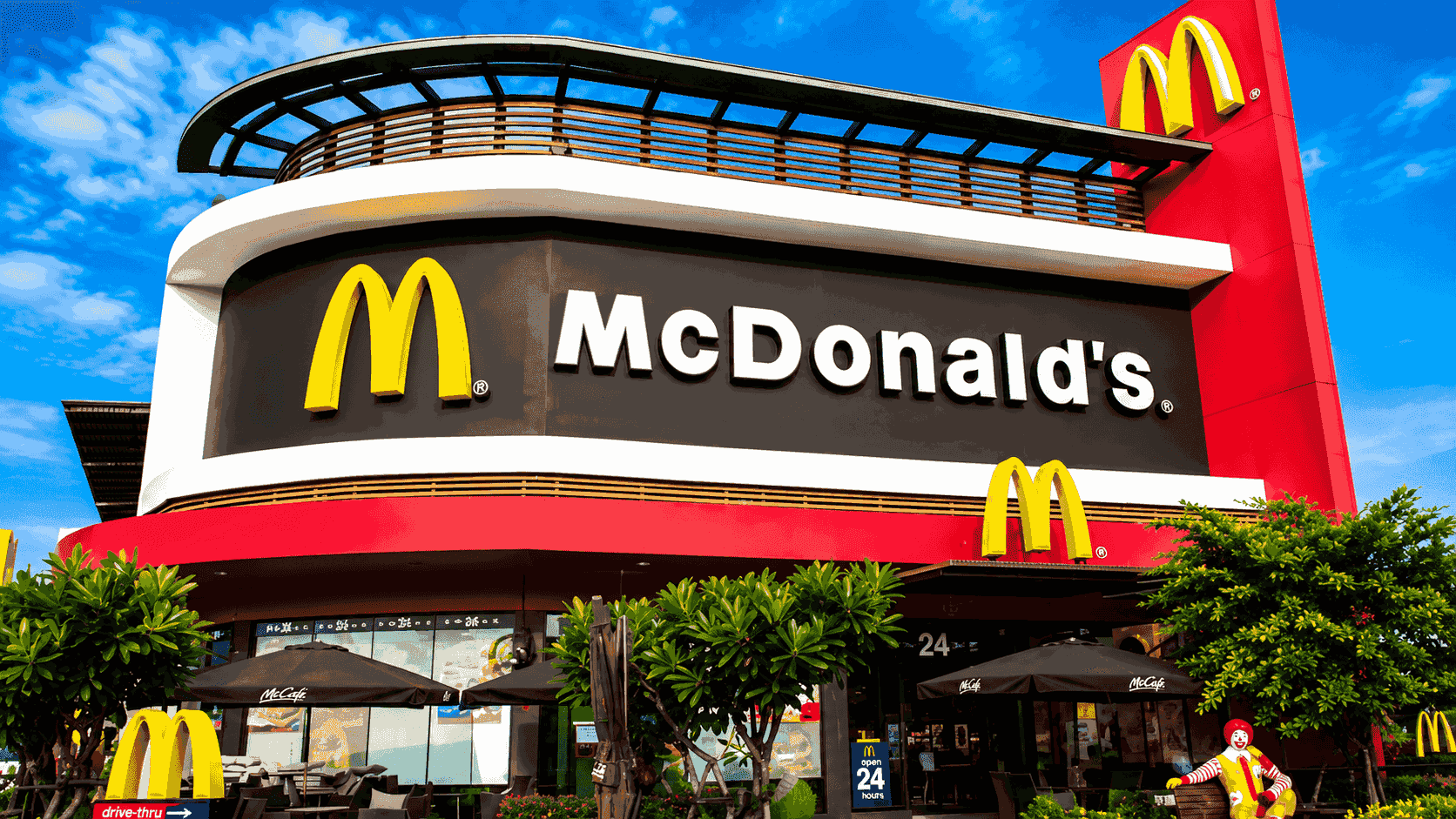
McDonald’s USA has appointed Patrick Gerber as chief restaurant officer, leveraging his decades of global experience to boost operations, food quality, and customer satisfaction in the U.S. market.
Aug 11, 2026
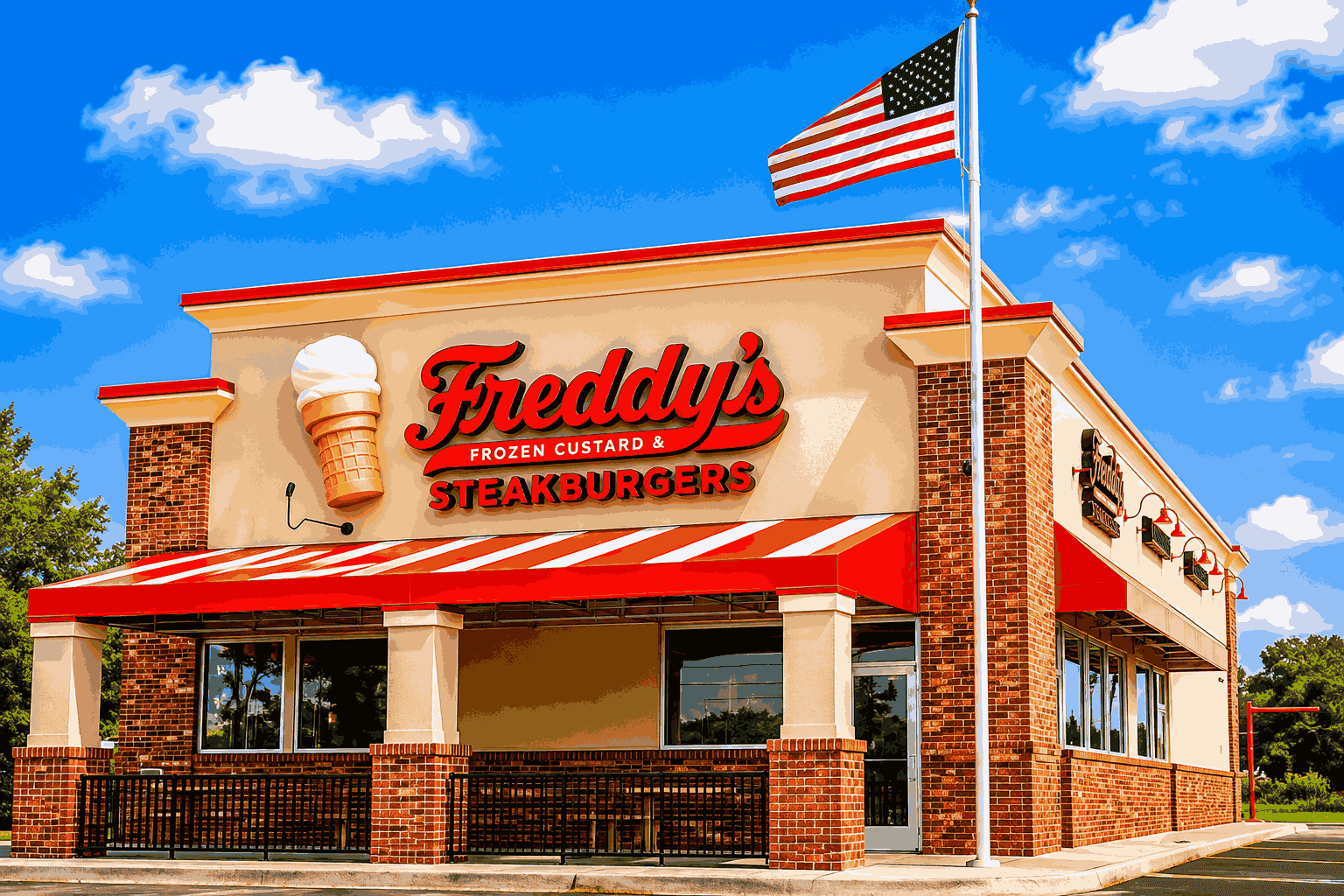
Freddy’s Frozen Custard & Steakburgers promotes Rick Petralia to Executive Chef & VP of Training & Innovation, signaling a strategic focus on culinary excellence and franchisee support.
Aug 12, 2026

Unlock Exclusive Access To Webinars, Events, And The Latest News For Free!
Yum Brands begins a strategic review of Pizza Hut, signaling potential separation as U.S. headwinds outweigh global scale. KFC shows modest growth while peers offer a divestiture playbook.

Photo by Alan Hardman
Yum Brands has kicked off a strategic review with a clear trigger: Pizza Hut has notably trailed publicly traded competitors that posted momentum in the U.S. Papa John’s and Domino’s have stacked quarters of positive same-store sales growth over the past two years; Pizza Hut hasn’t kept pace. The tone from leadership reflects that urgency. As CEO Chris Turner put it, “Pizza Hut’s performance indicates the need to take additional action to help the brand realize its full value, which may be better executed outside of Yum! Brands.” That line does more than raise eyebrows, it widens the lane of what’s possible. Yum’s messaging also emphasizes that Pizza Hut isn’t a weak hand so much as an underperforming one. In the company’s words, the brand carries “strong brand equity, significant scale, and an experienced global franchise base.” That’s the safety net, and it matters in a category where consumer value, speed, and delivery dynamics can swing quarterly results. While Pizza Hut and KFC U.S. have both weighed on recent results, KFC U.S. posted “modest 2% same‑store sales growth in Q3.” That small but positive mark acts like a proof point that disciplined tweaks can show up in the numbers, big win when the street is watching closely. Analysis: By opening the door to options beyond the current portfolio while underscoring brand assets, Yum signals seriousness without panic, setting expectations for either a sharpened turnaround or a structural move.

Scale isn’t the problem; exposure is. Pizza Hut operates approximately 19,872 global units, with about 68 percent located outside the U.S. That still leaves roughly 6,350 American stores, and a revenue mix that leans heavier at home than you might expect. About 42 percent of Pizza Hut’s sales come from the U.S., compared with KFC’s 14 percent U.S. reliance. That asymmetry turned into a real drag in the latest quarter. Pizza Hut’s international same-store sales rose 2 percent, yet that uptick was “more than offset by weaker U.S. performance.” The battleground is stateside, where competitive intensity, consumer pullbacks, aggressive promotional tactics, and delivery aggregator pressures stack up. When almost half of your sales are tied to a market feeling those crosswinds, the math gets tough fast, and that’s before you get to the reality that rivals have been banking positive U.S. comps. The message is straightforward: U.S. dynamics disproportionately shape Pizza Hut’s financial profile. A global footprint can’t fully balance a domestic shortfall when the revenue mix is this U.S.-heavy. That’s why the review keeps zooming in on the American playbook, because that’s where the needle moves. Analysis: The numbers make the case for a U.S.-centric fix; with 42 percent of sales at risk to domestic headwinds, turning the U.S. trendline is the essential first bite.
Yum frames the strategic review as both corrective and opportunistic, about fixing operational weaknesses and “unlocking latent value.” The language is deliberate: management is “exploring options that place Pizza Hut outside of the Yum portfolio,” if that’s where the brand can best recover and thrive. The implication is that structure can either constrain or catalyze execution, and leadership is testing which side of that line Pizza Hut sits on. Even so, the path forward reads like a dual-track plan. First, stabilize U.S. performance with targeted actions that speak to local realities, pricing intensity, shifting demand, and those aggregator pressures. Second, keep evaluating whether Pizza Hut’s full value might surface better as a stand-alone or differently structured asset. Inside the same house, KFC U.S.’s “modest 2% same‑store sales growth in Q3” suggests that even incremental operational wins can add up in a challenging environment. The opportunity is in the blend of discipline and flexibility: sharpen the U.S. play, preserve global scale, and keep optionality on the table. That’s not flashy, but it’s the kind of steady execution that turns quarters into trendlines. Analysis: A two-path strategy, near-term U.S. stabilization plus structural optionality, maximizes levers without committing too early to a single destination.

The tone from the top is unusually direct. Turner’s statement, “Pizza Hut’s performance indicates the need to take additional action to help the brand realize its full value, which may be better executed outside of Yum! Brands”, says the quiet part out loud: if traditional fixes don’t land, separation sits squarely on the table. That candor is matched by a reminder that this isn’t a distressed asset. The release spotlights Pizza Hut’s “strong brand equity, significant scale, and an experienced global franchise base.” That one-two punch, unvarnished results and sturdy fundamentals, aims to keep stakeholders steady while Yum tests every option. It also helps in any negotiation scenario. By demonstrating both urgency and confidence, management maintains leverage whether the path is a sharpened turnaround or external deal-making. The internal comparison point remains instructive: KFC U.S.’s “modest 2% same‑store sales growth in Q3” shows that targeted changes can start to bend the curve. This calibrated communication sets a clear expectation: expect action, and expect it to be grounded in brand strengths. That blend keeps franchisees and investors engaged without overselling what comes next. Analysis: The company pairs hard truths with asset-first framing to preserve strategic flexibility and bargaining power, smart positioning in a sensitive transition.

There’s a relevant case study in the neighborhood. Jack in the Box announced the sale of Del Taco to franchisee Yadav Enterprises for $115 million, far below the approximately $575 million it paid in 2022. The deal, expected to close by January 2026, was pitched as a pillar of the “Jack on Track” plan to simplify operations, reduce debt, and refocus on the core brand. As CEO Lance Tucker put it, the divestiture was “an important step in returning to simplicity.” It’s a cautionary tale and a practical guide. When speed and simplification are the goals, valuations can compress. That doesn’t mean divestiture is the wrong move, just that the price of clarity can be steep in the short term. For Pizza Hut, any move that prioritizes portfolio clarity will have to weigh those trade-offs against the long-game benefits of sharper execution and cleaner capital allocation. The headline here isn’t only the valuation gap; it’s the willingness to accept a markdown to set up a cleaner operating story. If the market believes the streamlined parent and the separated brand both get better focus, that’s often worth the trip. Analysis: Peer experience shows that portfolio streamlining can accelerate strategy but may require valuation concessions, useful guardrails if Yum pursues a separation path.

The industry map is tilting toward asset-light models, monetizing non-core pieces, and tightening balance sheets. Yum’s framing lands squarely in that mainstream. This review isn’t just a diagnostic; it explicitly asks whether Pizza Hut’s “full value” might be realized outside the current structure. That’s a powerful reframing, turning underperformance into an opportunity to test market appetite for stand-alone value creation versus parent-led restructuring. By positioning Pizza Hut within a familiar playbook, Yum lowers the temperature. Investors have seen this movie: identify what drags the portfolio, set clear options, and communicate the case for either knitting the asset tighter into the core or giving it room to run elsewhere. The key is to keep the focus on leverageable assets, brand equity, scale, and experienced franchisees, so that whatever shape the outcome takes, it starts on solid footing. In other words, this isn’t just about fixing comps. It’s about picking the structure that best converts those brand assets into sustained performance. That clarity helps everyone keep score. Analysis: Aligning the review with prevailing sector strategies normalizes potential outcomes and spotlights the assets that can power a successful reset, inside or outside the portfolio.

Plenty remains off the menu. Yum hasn’t shared a timetable for the review, potential deal structures, valuation ranges, or counterparties. One certainty: Pizza Hut’s international comps rose by 2 percent but were “more than offset by weaker U.S. performance,” underscoring how much the domestic playbook matters. And while KFC U.S.’s “modest 2% same‑store sales growth in Q3” hints at tactics that can move results, it’s not yet clear if those translate neatly to Pizza Hut’s category dynamics. The next phase will hinge on the same tension threaded through the company’s statements: underperformance versus latent strength. Despite Pizza Hut’s 19,872-unit scale and wide international reach, about 42 percent of sales are domestic, where competitive pricing, aggregator pressure, and consumer pullbacks hit hardest. Reasserting U.S. relevance while preserving global momentum is the challenge. That’s the scorecard investors and franchisees will watch, especially with rivals chalking up positive same-store sales in the U.S. The lesson is crisp: know where your exposure lives, and align your structure to the market that defines your results. A U.S.-centric turnaround inside Yum or a separation that unlocks execution focus can both work, if they sharpen the brand’s edge where it counts. Get that right, and the path to a steady comp cadence looks a lot more like a big win than a gamble. Analysis: The absence of specifics places the onus on execution updates; success will be judged against rival U.S. comp momentum and the brand’s ability to convert scale into domestic traction.