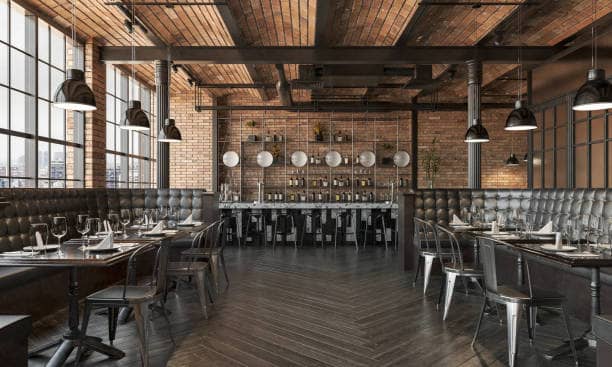
Jay Spongberg Named President, COO of WKS Restaurant Group
WKS Restaurant Group promotes Jay Spongberg to president and COO after he helped grow the company from 65 to 382 restaurants over 16 years.
News
Sep 23, 2026
WKS Restaurant Group promotes Jay Spongberg to president and COO after he helped grow the company from 65 to 382 restaurants over 16 years.
Sep 23, 2026

Smokey Mo's BBQ names Von Dawson, a Dine Brands veteran, as VP of Franchise Development to lead its Texas expansion strategy.
Sep 23, 2026
.png&w=3840&q=70)
Meritage Hospitality's Chapter 11 filing pulls 5% of Wendy's U.S. stores into bankruptcy, exposing cracks in franchising's bigger-is-safer bet.
Sep 21, 2026
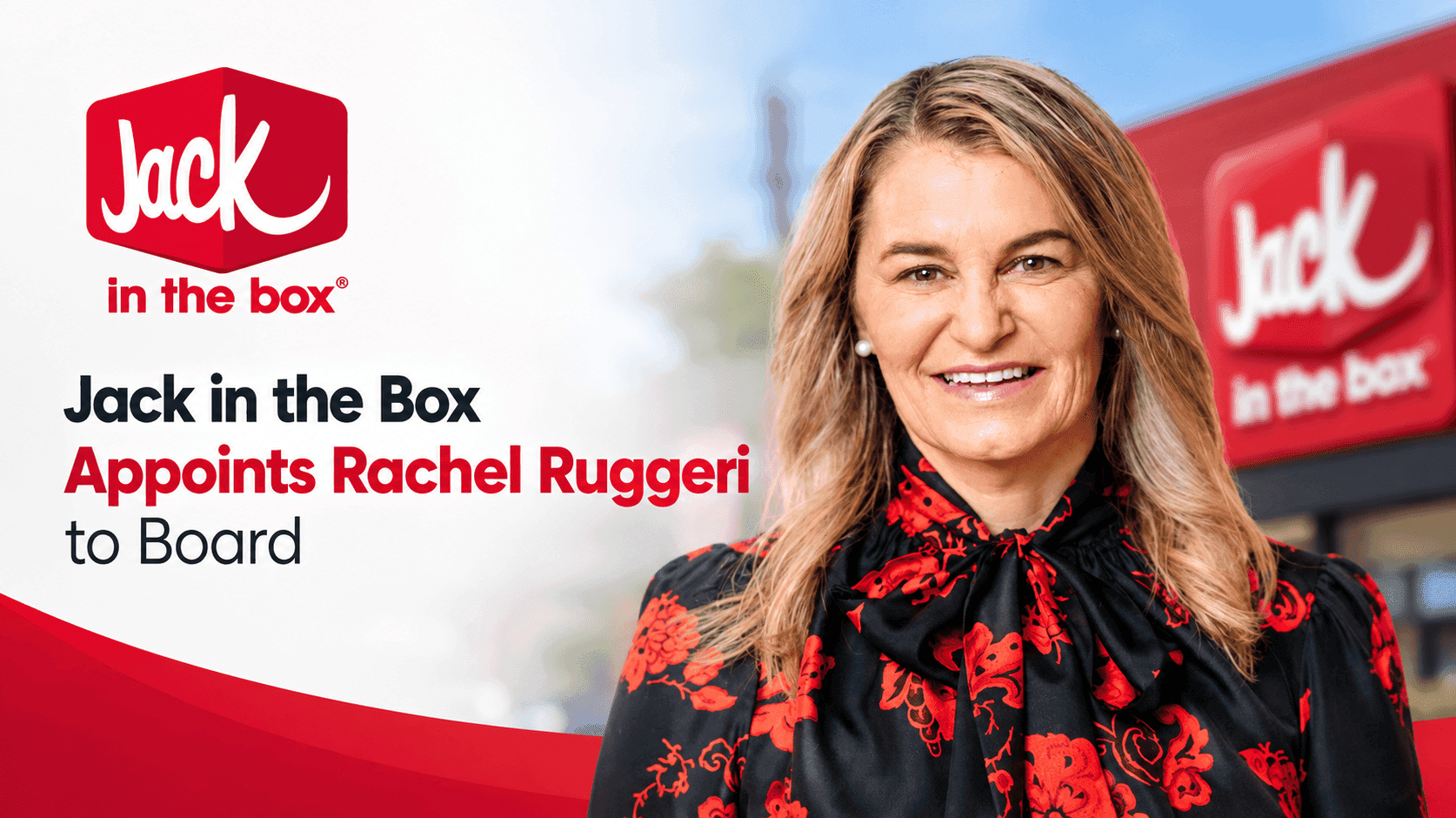
Jack in the Box names Rachel Ruggeri to its board as Michael Murphy retires, amid a CEO transition and deal with investor GreenWood.
Sep 21, 2026

Restaurant inventory tracking helps owners monitor stock, control food costs, reduce waste, improve purchasing, and make informed operational decisions.
Sep 21, 2026
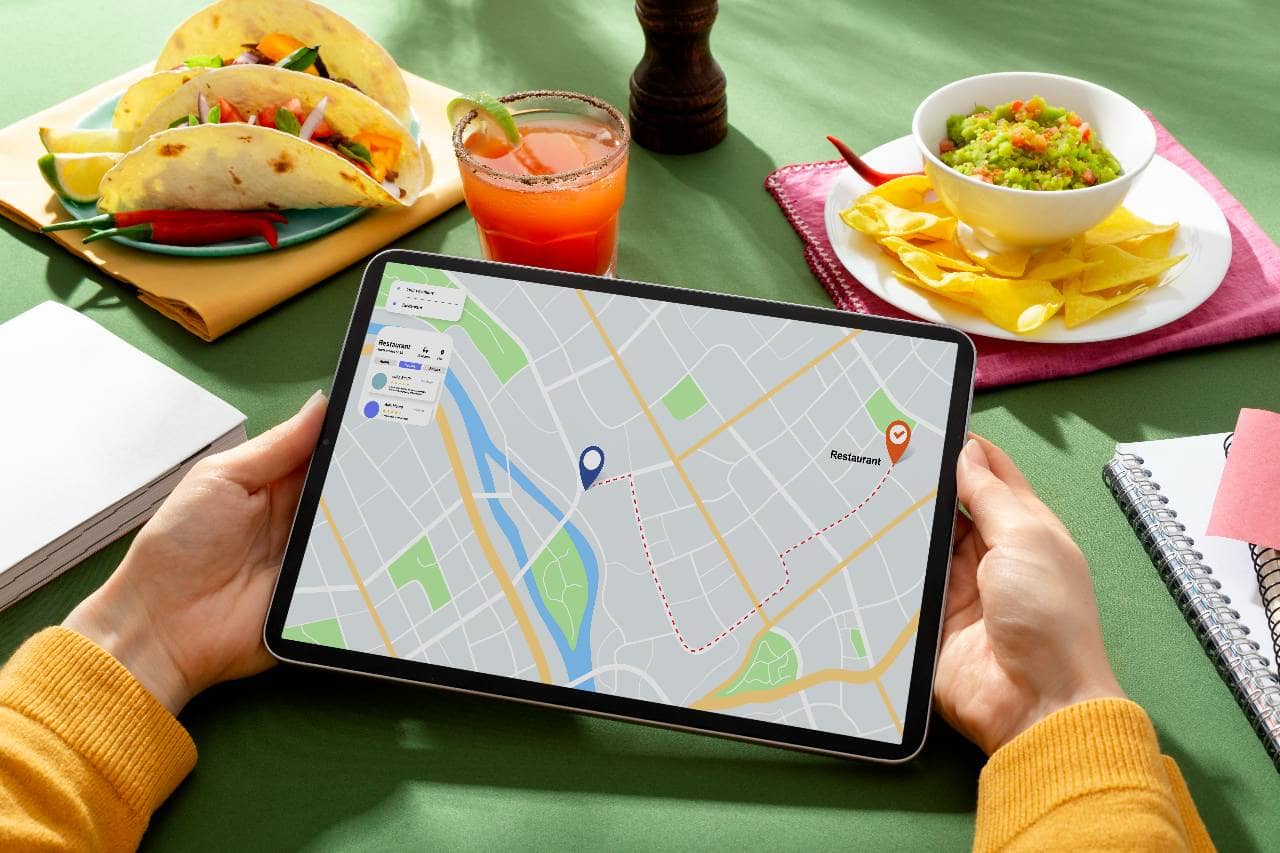
Improve restaurant Google Maps rankings by optimizing your business profile, selecting accurate categories, gathering reviews, adding photos, and strengthening local relevance signals.
Sep 21, 2026

Restaurant owners can significantly reduce restaurant costs by leveraging technology across inventory, labor, procurement, forecasting, and administrative operations for better profit margins.
Sep 18, 2026

Understand how to forecast restaurant revenue and expenses with methods for sales projection, cost scaling, fixed-cost planning, and risk buffering.
Sep 18, 2026

everbowl names Anna Gabele Brand President and Natalie Trzcinski COO, pulling both from Jack in the Box to guide its next growth phase.
Sep 18, 2026

Mountain Mike's Pizza hires Jack in the Box veteran Sheena Dougher as CMO to drive national growth while preserving its regional brand identity.
Sep 17, 2026

Unlock Exclusive Access To Webinars, Events, And The Latest News For Free!
Discover how Starbucks is revitalizing its brand through strategic initiatives like Green Apron Service and store-level enhancements to enhance customer experience and drive operational efficiency.
.jpg&w=3840&q=70)
Starbucks, a renowned coffee giant, faced a challenging trend of declining same-store sales in recent quarters. To combat this, CEO Brian Niccol introduced the Back to Starbucks turnaround plan, which he believes is starting to yield positive results, surpassing internal expectations. One key strategy in this revival plan is the acceleration of a new operations model called Green Apron Service, emphasizing consistent customer interactions and scalable standards.
Green Apron Service represents a significant shift in Starbucks' operational approach. With an investment of $500 million in labor allocation, this model aims to enhance customer connections by focusing on five key moments. Cathy Smith, Starbucks' CFO, highlighted the importance of repeatable and consistent standards in this deployment. The emphasis on connection points with customers showcases a strategic move to elevate the overall customer experience.
Apart from operational adjustments, Starbucks is also focusing on store-level enhancements to improve customer engagement. The company plans to invest in store design changes costing $150,000 per location to introduce more warmth and texture. Additionally, the development of new prototypes with lower build costs and innovative customer-focused designs signifies Starbucks' commitment to enhancing its physical locations.
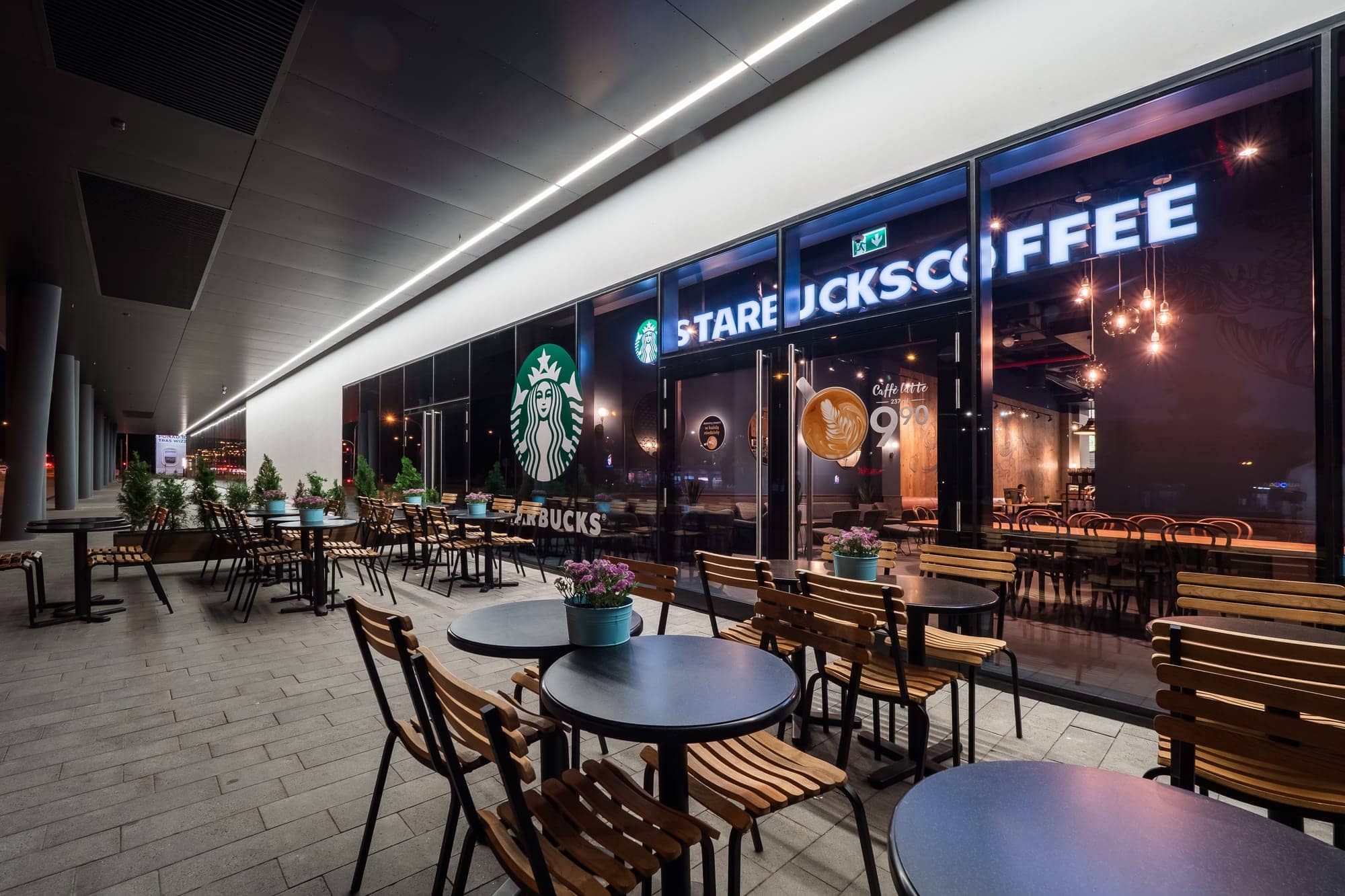
Niccol emphasized Starbucks' intent to evaluate its North American portfolio by the end of the fiscal year to optimize profitability and ensure the alignment of coffeehouses with customer needs. The introduction of new standalone prototypes and smaller format stores indicates a strategic move towards unlocking growth opportunities in diverse markets. These changes aim to offer an exceptional customer experience while improving operational efficiency.
Positive indicators from operational metrics, such as reduced barista turnover and improved transaction rates, show the early success of Starbucks' strategic shifts. In response to the significant investment in labor and renovations, the company is exploring ways to adjust its cost structure effectively. This includes executive compensation realignments and cost-cutting measures to navigate the current challenges in the restaurant industry.
Starbucks' recent initiatives and changes, coupled with challenges faced by other industry players like Chipotle, reflect the broader landscape of the restaurant sector. While the decline in same-store sales is a concern, the strategic adjustments and focus on customer experience provide a strong foundation for Starbucks' future growth. The brand's emphasis on innovation and operational excellence sets a promising trajectory for sustainable success.