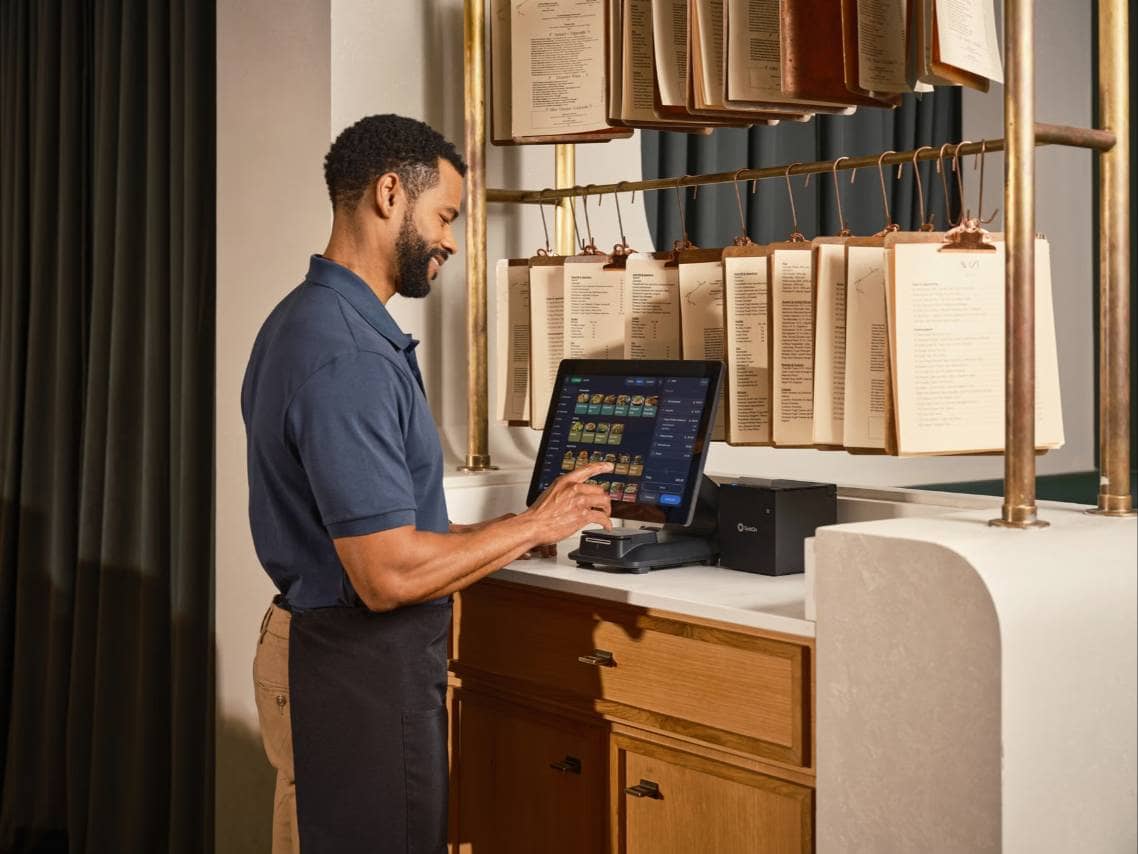
10 Must-Have Restaurant Technology Tools
Discover ten essential technology tools that help restaurant owners streamline operations, control costs, improve accuracy, and support better daily decisions.
Technology
Jul 31, 2026
Discover ten essential technology tools that help restaurant owners streamline operations, control costs, improve accuracy, and support better daily decisions.
Jul 31, 2026
Jersey Mike’s $1 billion IPO highlights big ambitions in franchising and international expansion, although shares dipped on debut. Restaurant owners take note - here’s what the move means for growth strategies ahead.
Jul 31, 2026
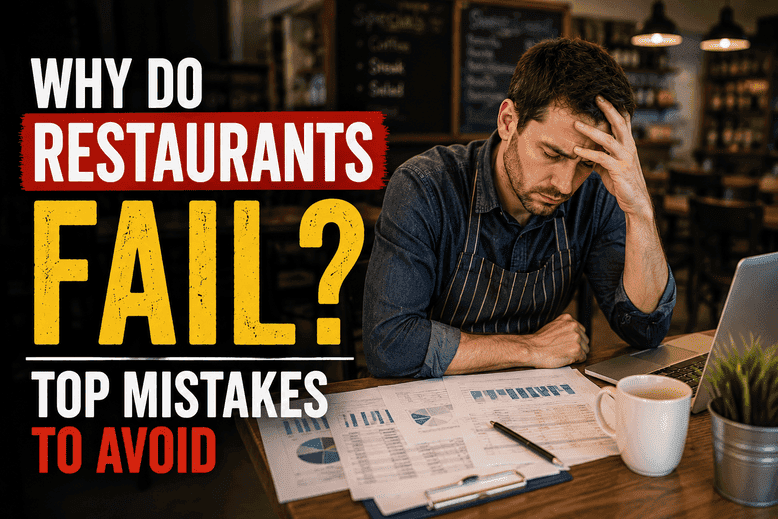
Every restaurant owner knows the industry is challenging, but failure is rarely caused by a single issue. From labor management and food costs to cash flow and technology decisions, here's what separates struggling restaurants from successful ones.
Jul 31, 2026
Discover how Chipotle’s Recipe for Growth is driving record sales, operational excellence, and digital innovation - insights for every restaurant leader.
Jul 30, 2026

Learn food cost management strategies to control inventory, reduce waste, improve purchasing, standardize portions, optimize pricing, and protect restaurant profits.
Jul 29, 2026

Grow your restaurant's email marketing list using websites, QR codes, loyalty programs, social media, incentives, events, and customer signups effectively.
Jul 29, 2026
DoorDash is changing how it calculates delivery and service fees, with longer-distance orders likely to cost more and shorter, larger orders set to stay the same or decrease.
Jul 29, 2026

Whataburger welcomes financial veteran Ryan Moore as its new CFO, signaling a strategic focus on national expansion and sustainable growth for the iconic brand.
Jul 29, 2026
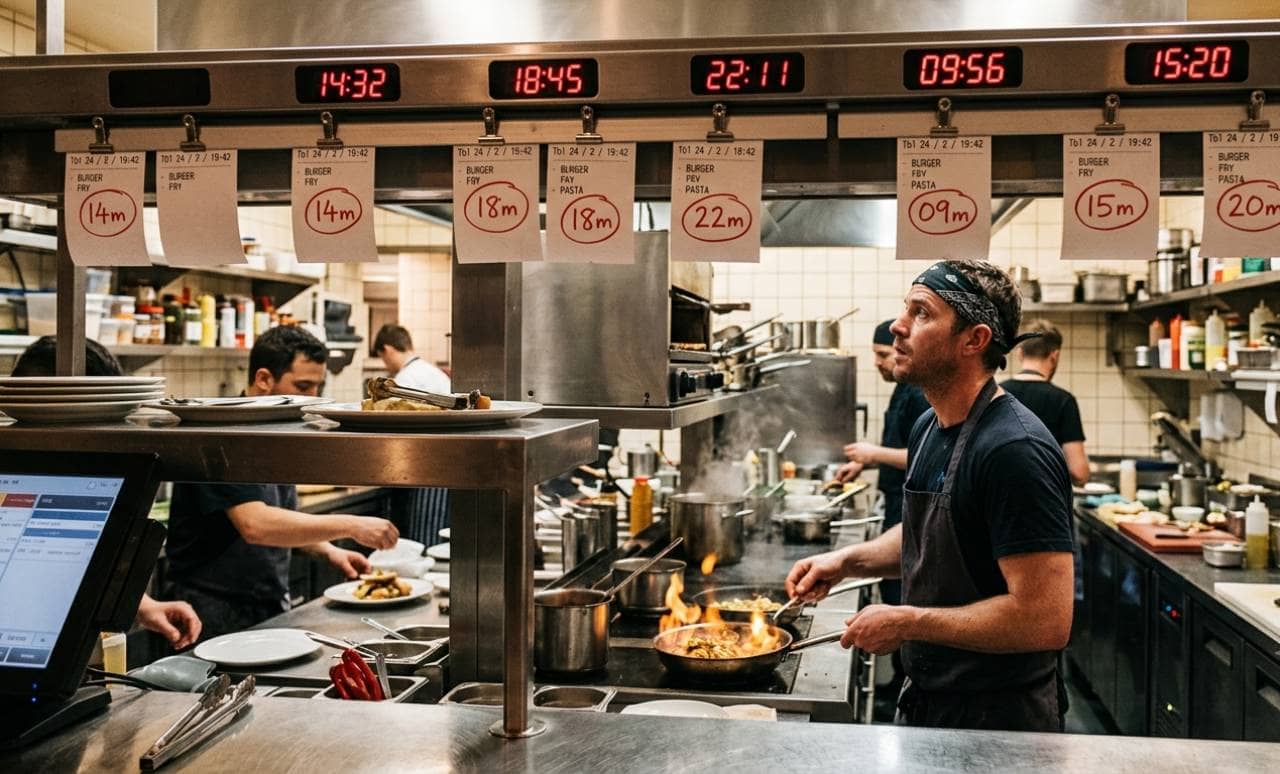
Improve kitchen ticket times with practical strategies for better preparation, smoother workflows, stronger communication, smarter staffing, and effective restaurant technology.
Jul 27, 2026
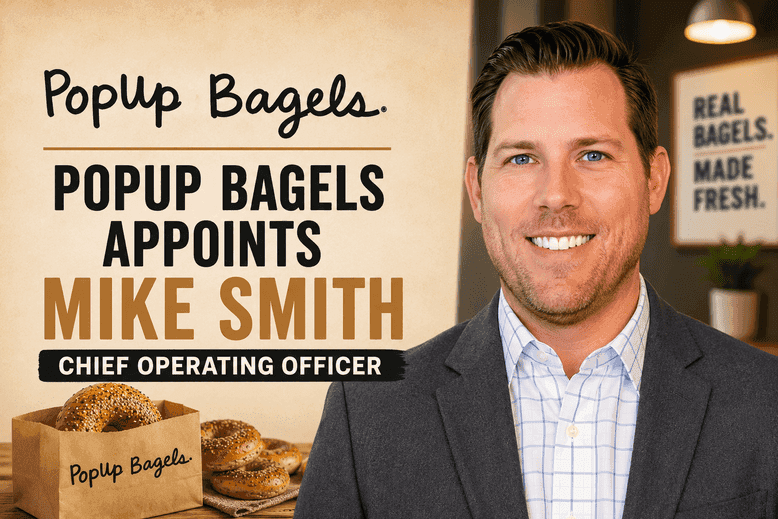
PopUp Bagels welcomes industry veteran Mike Smith as Chief Operating Officer to lead their next phase of growth, putting quality and guest experience at the forefront.
Jul 28, 2026
Explore the complexities of union elections, voting challenges, and unfair labor practices in the workplace.

Photo by KOBU Agency
Union elections serve as a crucial mechanism for workers to decide on representation and negotiate collective bargaining agreements. In the case of Compass Coffee, the significant discrepancy between the number of votes cast and the estimated workforce size raises questions about the integrity of the electoral process. This scenario underscores the importance of accurately determining voter eligibility and maintaining transparency throughout the election.

Photo by KOBU Agency
Challenges to ballots, particularly those cast by new hires, highlight the complexities of enforcing eligibility criteria during union elections. It is essential to adhere to stipulated agreements regarding the required number of hours worked to participate in the voting process. The situation at Compass Coffee reflects the tension between ensuring fairness in representation and addressing concerns about the influx of new employees impacting the election outcomes.
The differing strategies employed by the union and company leadership in contesting votes demonstrate the contentious nature of unionization efforts. Compass CEO Michael Haft's confidence in the outcome of the election contrasts with the union's allegations of unfair labor practices, creating further uncertainty surrounding the voting results. Such conflicts can prolong the resolution process and potentially lead to legal interventions by regulatory bodies like the NLRB.

Photo by KOBU Agency
The implications of challenged ballots tipping the election against the union could result in continued representation by Compass Coffee United, despite ongoing disputes. Allegations of unfair labor practices introduce a legal component that may invalidate the election outcome, leading to further complexities in determining employee representation. Ultimately, the resolution of these voting challenges could shape the future dynamics of labor relations within the company.