
How to Forecast Restaurant Revenue and Expenses
Understand how to forecast restaurant revenue and expenses with methods for sales projection, cost scaling, fixed-cost planning, and risk buffering.
Accounting
Sep 18, 2026
Understand how to forecast restaurant revenue and expenses with methods for sales projection, cost scaling, fixed-cost planning, and risk buffering.
Sep 18, 2026

Restaurant owners can significantly reduce restaurant costs by leveraging technology across inventory, labor, procurement, forecasting, and administrative operations for better profit margins.
Sep 18, 2026

everbowl names Anna Gabele Brand President and Natalie Trzcinski COO, pulling both from Jack in the Box to guide its next growth phase.
Sep 18, 2026

Mountain Mike's Pizza hires Jack in the Box veteran Sheena Dougher as CMO to drive national growth while preserving its regional brand identity.
Sep 17, 2026
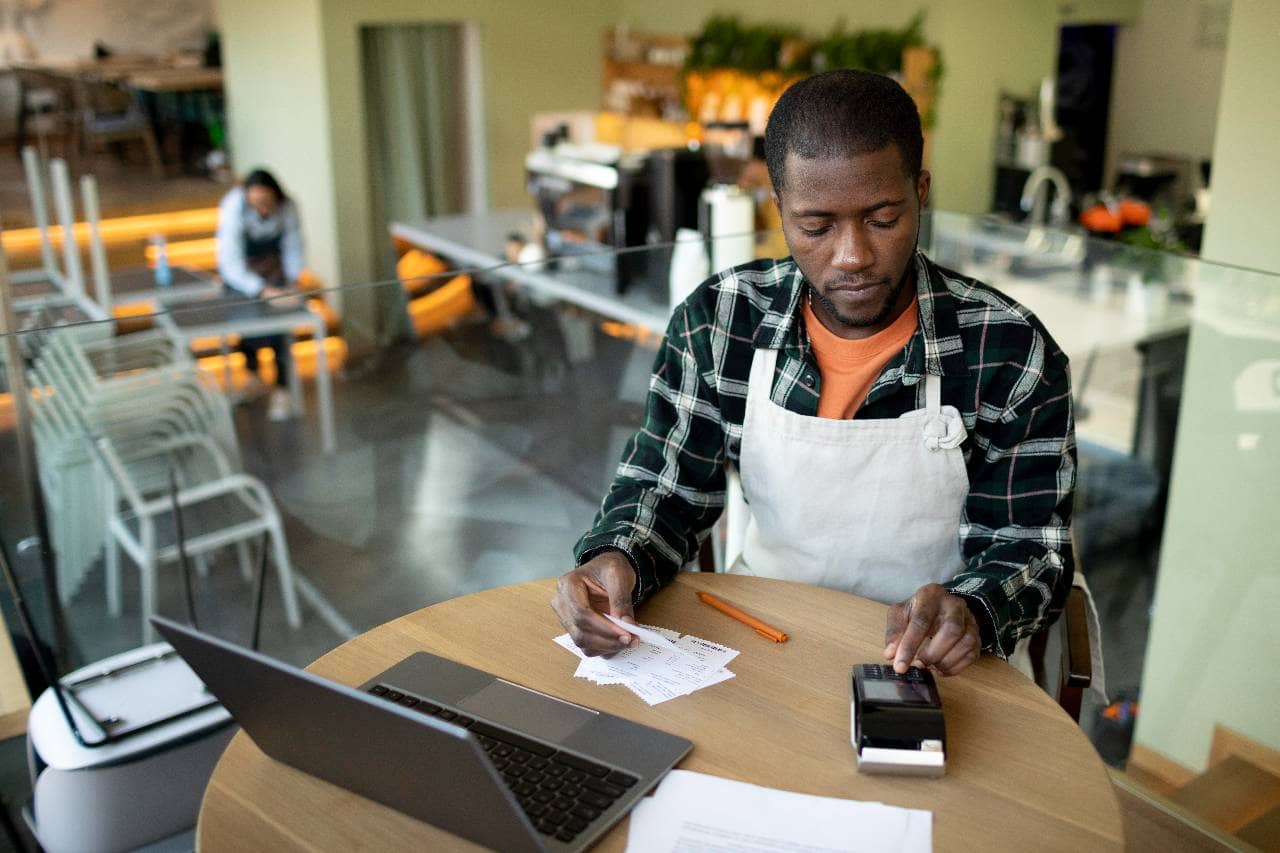
From fixed costs to contribution margin, learn exactly how to calculate your restaurant's break even point with confidence.
Sep 16, 2026

DoorDash pays $425M for Wonder's campus dining platform and a stake in Wonder, betting on robotic kitchens and institutional foodservice growth.
Sep 16, 2026
Discover the most common reasons restaurants fail, including inconsistent food quality and pricing mistakes, plus practical ways to avoid them.
Sep 16, 2026
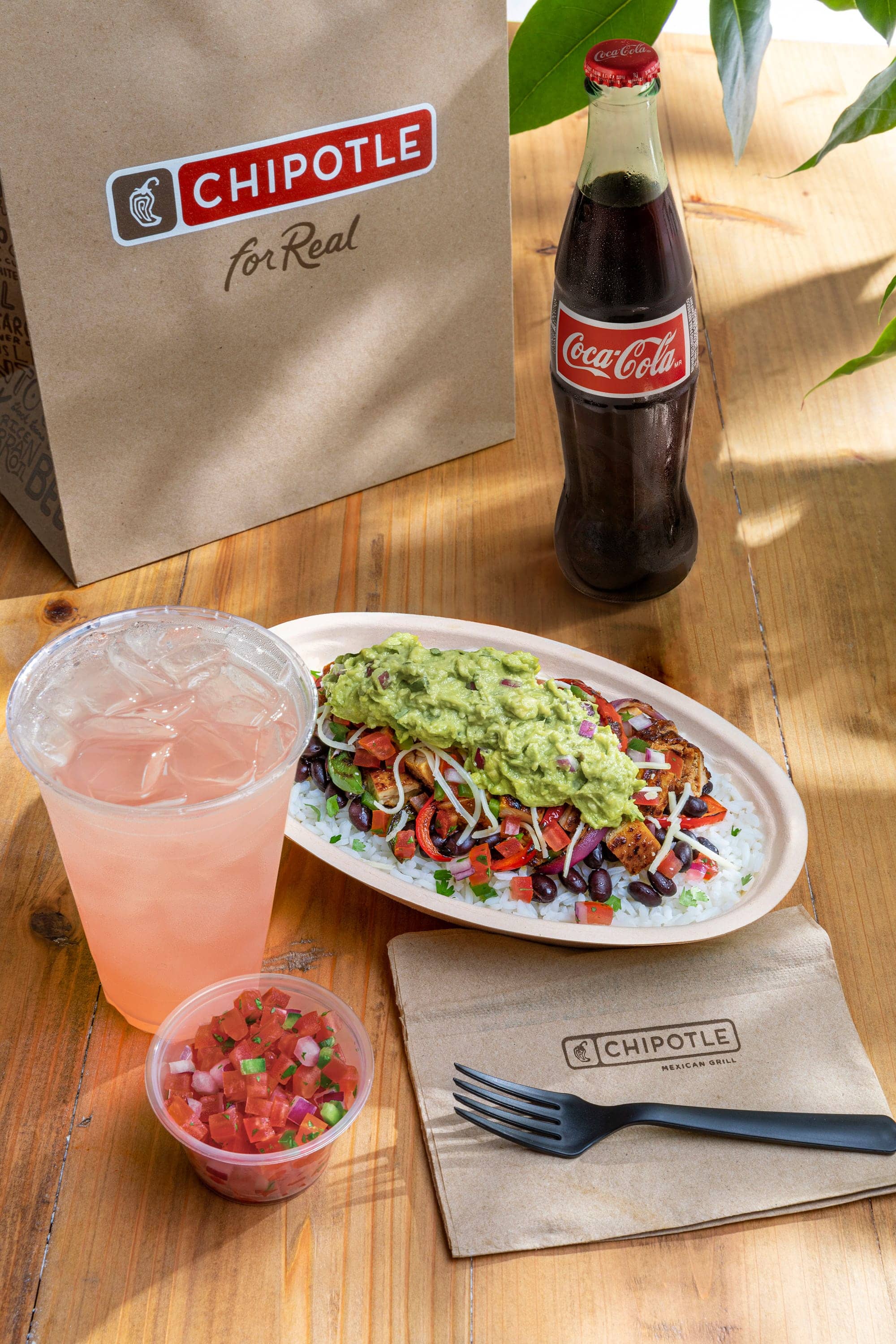
Chipotle names former KFC global CEO Sabir Sami to its board as the chain expands into Mexico, Saudi Arabia, and South Korea.
Sep 15, 2026

LeBron James joins Mike's Red Tacos as an investor, backing the birria chain led by Blaze Pizza and Dave's Hot Chicken veteran Bill Phelps.
Sep 15, 2026

Practical payroll compliance checklist for restaurant owners covering wage rules, tips, overtime, taxes, deductions, and recordkeeping to reduce legal risk.
Sep 14, 2026

Unlock Exclusive Access To Webinars, Events, And The Latest News For Free!
A survey carried out by Piper Sandler revealed that Chick-fil-A is considered a favorite by Gen Z. The survey is packed with information about Gen Z, a consumer demographic all brands want to crack!

In the Piper Sandler survey for the Gen Z age group, Chick-fil-A took the lead and secured the top spot. Other businesses, like Starbucks, Chipotle Mexican Grill, McDonald's, and Olive Garden, which are all well-liked by teenagers nationwide, followed the food giant closely. The Darden Brands restaurant, which recently reintroduced its endless pasta deal, was the only full-service establishment to make it to the list.
There are several reasons why Chick-fil-A has been a frontrunner in the American Consumer Index Satisfaction Restaurant Study's annual report for the eighth consecutive year. As the report reveals, the fast food restaurant chain has been testing various drive-thru and delivery strategies, which have made it a favorite not only among Gen Z but also among millennials and Gen X as well. These include mobile-only lanes in over 60 locations with enhanced speed of service as well as autonomous vehicles in several cities for delivery options. As a result, the brand has become an obvious choice for a quick and delicious meal!

The Piper Sandler Taking Stock With Teens survey is a semi-annual research project that focuses on teens in the United States to gather insights on Gen Z's spending patterns, fashion and technology trends, and media preferences. The survey relies on input from 14,500 teens with an average age of 15.8 years. The project started in 2001, and since its inception, Piper Sandler has surveyed more than 233,400 teens and amassed over 56.5 million data points on teen spending.

The leading investment bank's 44th semi-annual survey, conducted in collaboration with DECA, produced some key insights into the discretionary spending trends and brand preferences of teens across 47 states in the US. The survey, which was conducted between August and September this year, received the most responses from the South (41%), followed by the Midwest (32%), and the West (20%). The fewest number of responses were received from the Northeast, with a mere 7%. The survey largely saw a shift towards discount retailers among upper-income teens. Other findings are discussed below.

One of the most important findings of this year's semi-annual survey by Piper Sandler was that not all goods purchased by teens are new. Secondhand shopping, it turns out, occupies 7% of the target group's shopping time. The survey also revealed that 47% of teens have purchased secondhand items, while 58% have sold goods in the secondhand market.
Females led the growth in spending, with all females spending 10% more year over year, led by clothing at 10% and footwear at 7%, according to the survey, which included a large number of teens from across the United States.

For females, cosmetics and haircare were followed by clothing and footwear. The percentage of teens who reported wearing makeup on a daily basis also increased to 41% from 33%. The brand e.l.f. maintained its top position in this category, gaining 500 basis points in share Y/Y to 16% of female teens.

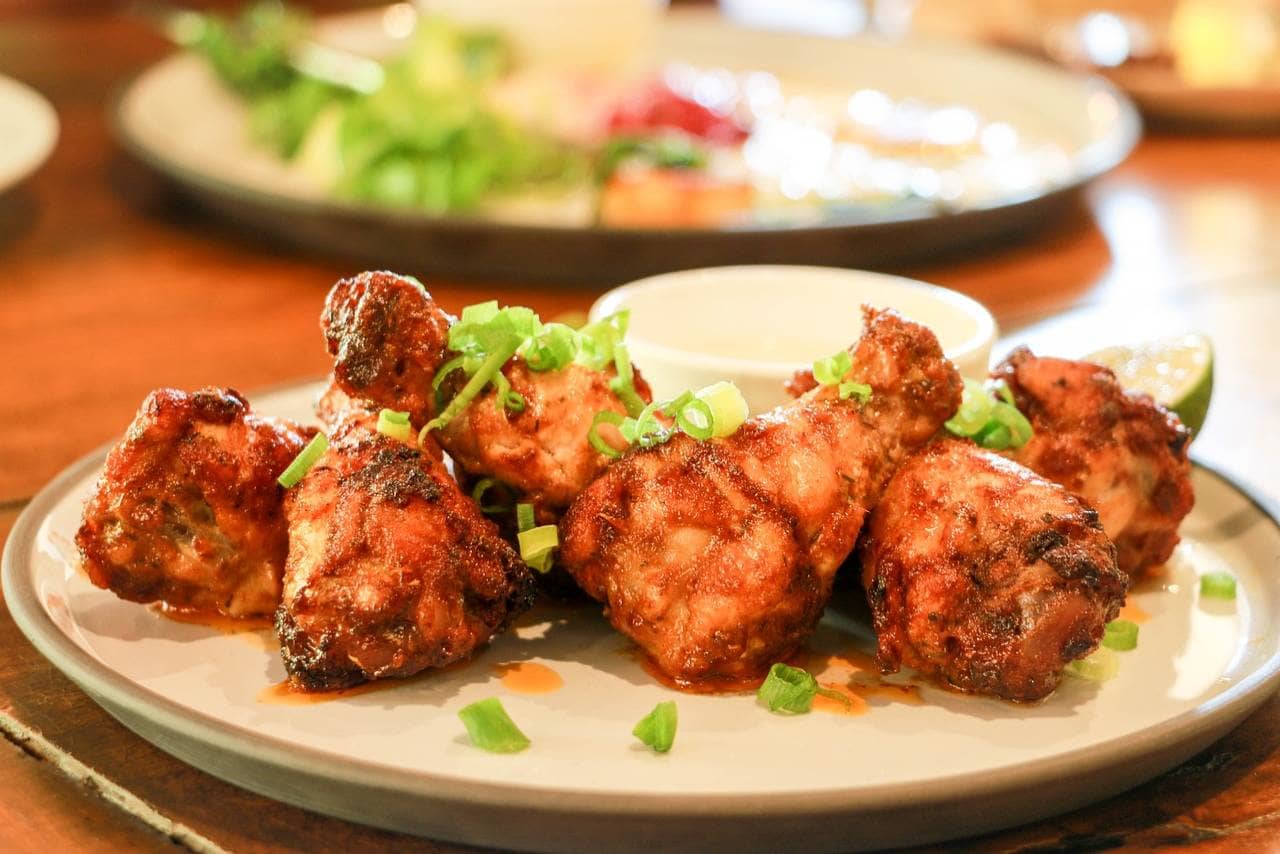
It is no surprise that 18% of the respondents chose chicken as their favorite meat. This also explains Fast Food giant Chick-Fil-A grabbing the top spot as a dining destination for teens. Other Restaurant Chains that did well in the survey include Starbucks, which followed closely at 17%, while Chipotle stood at number 3 with 13%. McDonald's and Olive Garden too managed to clinch top spots.
TikTok rose to the number one spot among social media platforms with a 38% share. Snapchat followed at number two with 30%, while Instagram, an incredibly popular platform, took the third spot with a 20% vote share.
The Piper Sandler Teens survey showed that upper-income males in the age group spent the most on food (23% share), while female teens spent most on clothing (30%, the highest share since 2012). Both, however, prefer discount shopping, irrespective of what they may be buying.