
Summer 2026 Restaurant Labor Law Updates
Stay compliant with key restaurant labor regulations in Summer 2026, including minimum wage increases, scheduling laws, and retirement requirements.
business management
Jul 24, 2026
Stay compliant with key restaurant labor regulations in Summer 2026, including minimum wage increases, scheduling laws, and retirement requirements.
Jul 24, 2026

Discover how restaurant apps help owners manage labor, payroll, inventory, food safety, reporting, and back-office operations more efficiently every day.
Jul 24, 2026
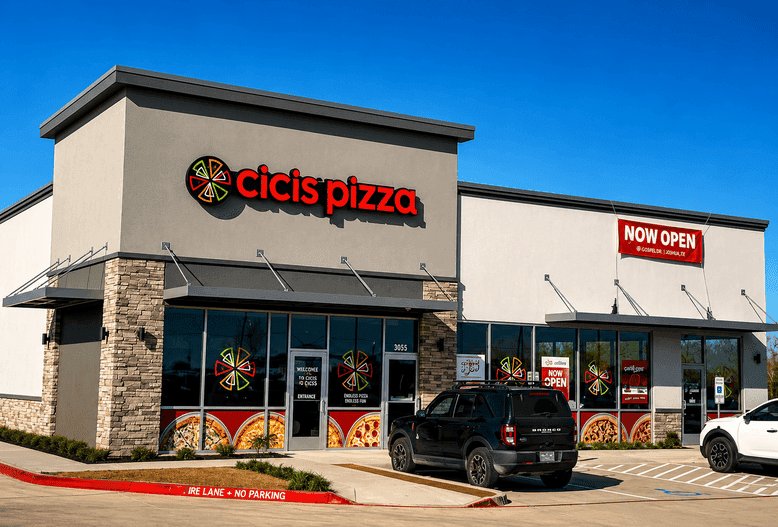
Cicis Pizza’s systemwide sales have surged over 50%, fueled by digital innovation, modern operations, and a revamped franchise strategy. Learn what restaurant owners can take away from Cicis’ transformation.
Jul 24, 2026

Fogo de Chão has announced Daniel Duran as its new CFO, marking a strategic leadership transition designed to enhance global growth and financial innovation for the renowned restaurant brand.
Jul 24, 2026

Learn how to calculate, benchmark, track, and improve restaurant payroll percentage while balancing staffing costs, sales, service, and profitability effectively.
Jul 24, 2026

KFC Global has selected experienced leader Maria Cacciapuoti as its new Chief Operations Officer. Discover how her extensive expertise will help shape KFC’s global operations and franchise partnerships.
Jul 23, 2026
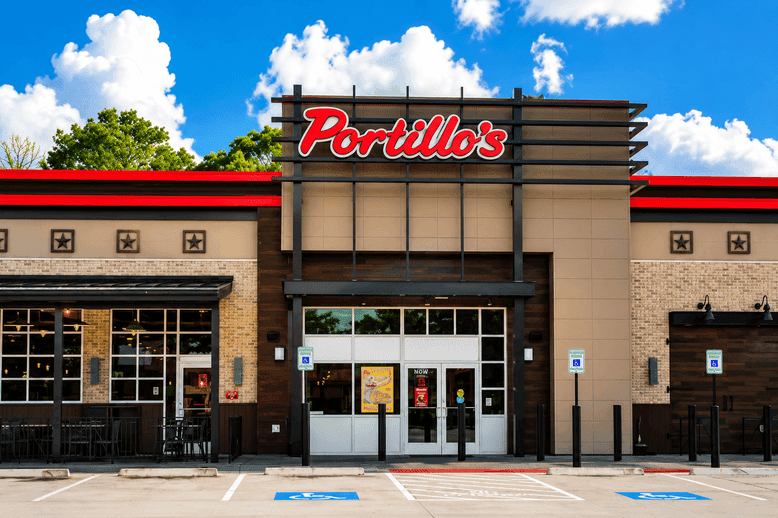
Portillo’s welcomes industry veteran Christopher Hansen as Executive Chef and Senior Director of Culinary Innovation to steer menu strategy and fuel national growth.
Jul 23, 2026
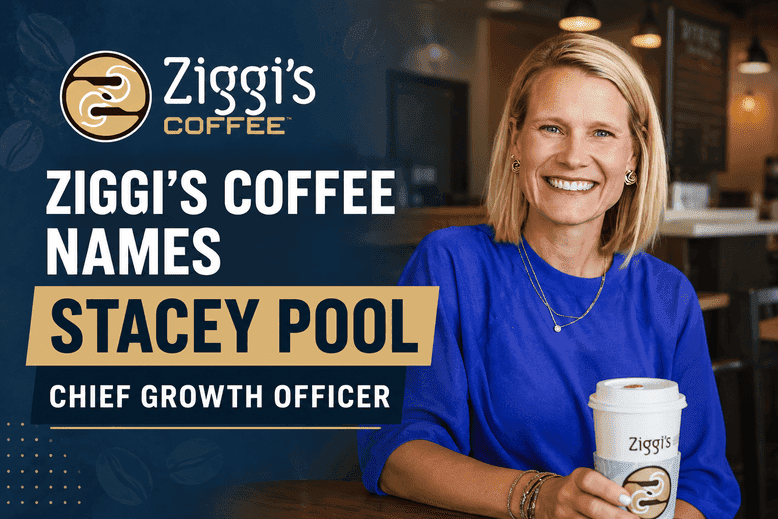
Ziggi’s Coffee welcomes Stacey Pool as Chief Growth Officer to spearhead national expansion and enhance franchise profitability as the brand celebrates a decade of franchising success.
Jul 23, 2026

Cinnabon grows 30% in U.S. units, adding 308 net stores as flexible formats expand into travel centers and convenience; 95 more openings forecast and 359 in pipeline.
Jul 22, 2026

QDOBA targets 2,000 restaurants in 10 years, powered by franchising and recent securitizations, aiming for $5B sales, $2.7M AUV, and 28% margins.
Jul 22, 2026
A robust September hiring surge in eating and drinking places signals steadier growth in foodservice amid mixed demand across the economy.

Photo by Patrick Tomasso
September arrived like a soft clink of glass in a quiet café: the kind of month that hints at change without shouting. In the wider economy, the labor market kept its steady tempo, and in the foodservice world, hiring turned a corner from the rebound to something more lasting. Walking through kitchen chatter and front‑of‑house greetings, you can feel the quiet confidence of operators who know the work never truly rests. The numbers released this month are more than statistics; they are gentle proof that need for talent extends beyond seasonal demand, shaping how menus, shifts, and service flow align with demand. In other words, September wasn't just busy, it felt deliberate, a doorway to something durable:
On the calendar, the Bureau of Labor Statistics tallied 69,400 new positions in eating and drinking places for September, a piece that fed into a broader payrolls story: 254,000 total nonfarm payrolls for the month. The unemployment rate held at 4.1%, providing a steady backdrop for operators to press on with hires despite ongoing wage pressures. Taken together with the 136,800 third‑quarter gain in restaurants and bars, the strongest quarterly rise since the third quarter of 2022, the data sketch a foodservice sector that has moved beyond a fragile rebound. By the latest read, restaurant and bar employment stood about 1.5% above the February 2020 pre‑pandemic peak, signaling a meaningful reversion toward scale. As policymakers and operators study the pattern, it becomes clear that the momentum is real and built on sustained demand across formats.

Behind the headline numbers lies a familiar seasonal logic: September, October, and November have historically been peak hiring months for foodservice as operators replace high‑school and college staff who head back to school and as promotions and openings align with evolving demand. This year’s September surge stands out within the arc, with operators onboarding broadly in anticipation of holiday traffic and to offset attrition from the school calendar. Industry observers say the pattern remains a trusted anchor for labor planning, but the scale this year suggests more than a routine adjustment. The season is functioning as a signpost for talent pipelines across districts and formats, hinting at a deeper recruitment push as consumer demand steadies and operators diversify offerings.
Industry observers note that while September’s gains fit the historical rhythm, the magnitude of the month’s hiring, coupled with third‑quarter strength, reflects a broader shift toward a steadier, more labor‑intensive growth path for restaurants and bars. The onslaught of onboarding across multiple districts and formats underscores a deepening belief among operators that talent, once scarce, is now the differentiator between a good service period and one that leaves customers lingering over a second cup. In this context, the September surge is less a single spike and more a signal of evolving recruitment discipline that will shape the industry’s hiring tone for months to come.

The industry’s recovery remains uneven when viewed by format. Full‑service restaurants continued to lag and remained below February 2020 employment levels, a lingering post‑pandemic hangover for traditional dining. Cafeterias and buffets faced even greater gaps, with staffing well below pre‑pandemic baselines. By contrast, snack and non‑alcoholic beverage operators, encompassing coffee shops, doughnut shops, and ice cream parlors, have shown remarkable resilience, tallying a sizable net gain that underscores shifting consumer preferences and pent‑up demand for quick‑service formats. Quick‑service and fast‑casual eateries also registered a positive trajectory, with employment levels modestly ahead of pre‑pandemic baselines by a few percentage points. At the state level, the recovery picture is mixed: thirty‑six states exceeded their pre‑pandemic job tallies in August, with South Dakota leading at a 15% increase, followed by Montana and Nevada in the mid‑teens and Utah in the low teens; fourteen states plus Washington, D.C. remained below former highs, with Maryland and Louisiana lagging behind at roughly a 7% deficit.
These patterns point to a bifurcated landscape where fast‑growing segments pull ahead, while certain legacy formats and lagging regions contend with structural headwinds. For operators, the takeaway is practical: lean into formats and markets where momentum persists, invest in staff development that translates into smoother service, and tailor menus to meet evolving expectations without sacrificing hospitality at the table.
Industry leadership welcomed the resilience of restaurant hiring with a cautious note about uneven momentum. Michelle Korsmo, president and chief executive of the National Restaurant Association, framed the moment as a reminder that restaurants remain an economic powerhouse that, even when faced with soft consumer spending and sustained margin pressures, drives job growth and fosters entrepreneurship. Her remarks underscore the sector’s role as a steady job engine even as operators navigate margin challenges and shifting consumer patterns. Economists add that growth in restaurant employment has accelerated in recent months, but expectations for 2025 remain tempered relative to the headier pace seen in the years immediately after the pandemic. The gap between fast‑growing segments and traditional formats could shape investment and expansion plans in the quarters ahead, even as the headlines celebrate September’s surge.
A broader note from the data cycle shows how publication timing can color our interpretation. The September release was complicated by external events that affected data publication, including a government shutdown that delayed the Current Employment Statistics highlights. In the meantime, observers tracked that total job gains in September landed near 119,000 for the broad economy, with restaurants and bars contributing roughly 36,500–37,000 of those gains as part of leisure and hospitality. Analysts caution that revisions to 2024–2025 data may temper initial readings, reinforcing the need to treat single-month figures in context of revisions.
Looking ahead, the restaurant and foodservice sector remains a formidable employer and a central engine of consumer demand. The National Restaurant Association projects more than 200,000 net new jobs in 2025 and foresees continued expansion toward multi‑decade highs in employment. The trajectory for 2026 remains hopeful, supported by resilient consumer demand and ongoing investments in workforce development. Operators are likely to adapt by embracing automation where appropriate, investing in talent pipelines, and pursuing innovative service models that sustain growth through shifting demand. Taken together with the latest data, the forecast suggests a steady, mindful ascent rather than a rushed rebound.
For operators, the September surge reinforces the value of nimble labor strategies: targeted recruitment, streamlined onboarding, and retention programs that emphasize training and advancement. The broader industry pattern, marked by regional disparities and a persistent gap between formats, points to success for those who tailor experiences, innovate menus, and deepen customer connection. On the policy side, the path forward highlights workforce development, access to training, and competitive compensation as essential levers in a tight labor market. The latest outlook is one of steady growth, an invitation to nurture talent, craft welcoming teams, and keep hospitality at the heart of every plate and every conversation.