Jay Spongberg Named President, COO of WKS Restaurant Group
WKS Restaurant Group promotes Jay Spongberg to president and COO after he helped grow the company from 65 to 382 restaurants over 16 years.
News
Sep 23, 2026
WKS Restaurant Group promotes Jay Spongberg to president and COO after he helped grow the company from 65 to 382 restaurants over 16 years.
Sep 23, 2026

Smokey Mo's BBQ names Von Dawson, a Dine Brands veteran, as VP of Franchise Development to lead its Texas expansion strategy.
Sep 23, 2026
.png&w=3840&q=70)
Meritage Hospitality's Chapter 11 filing pulls 5% of Wendy's U.S. stores into bankruptcy, exposing cracks in franchising's bigger-is-safer bet.
Sep 21, 2026
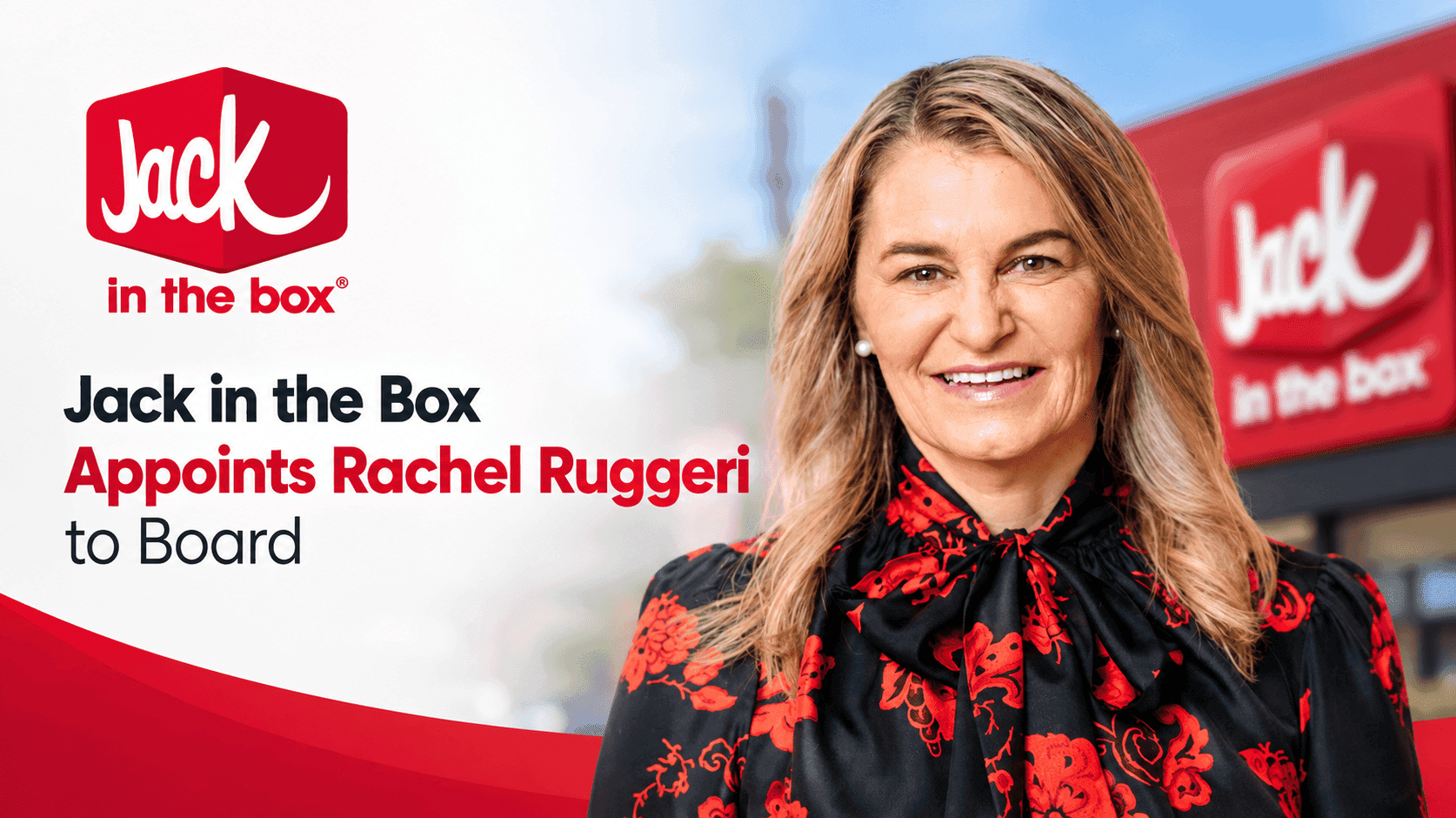
Jack in the Box names Rachel Ruggeri to its board as Michael Murphy retires, amid a CEO transition and deal with investor GreenWood.
Sep 21, 2026
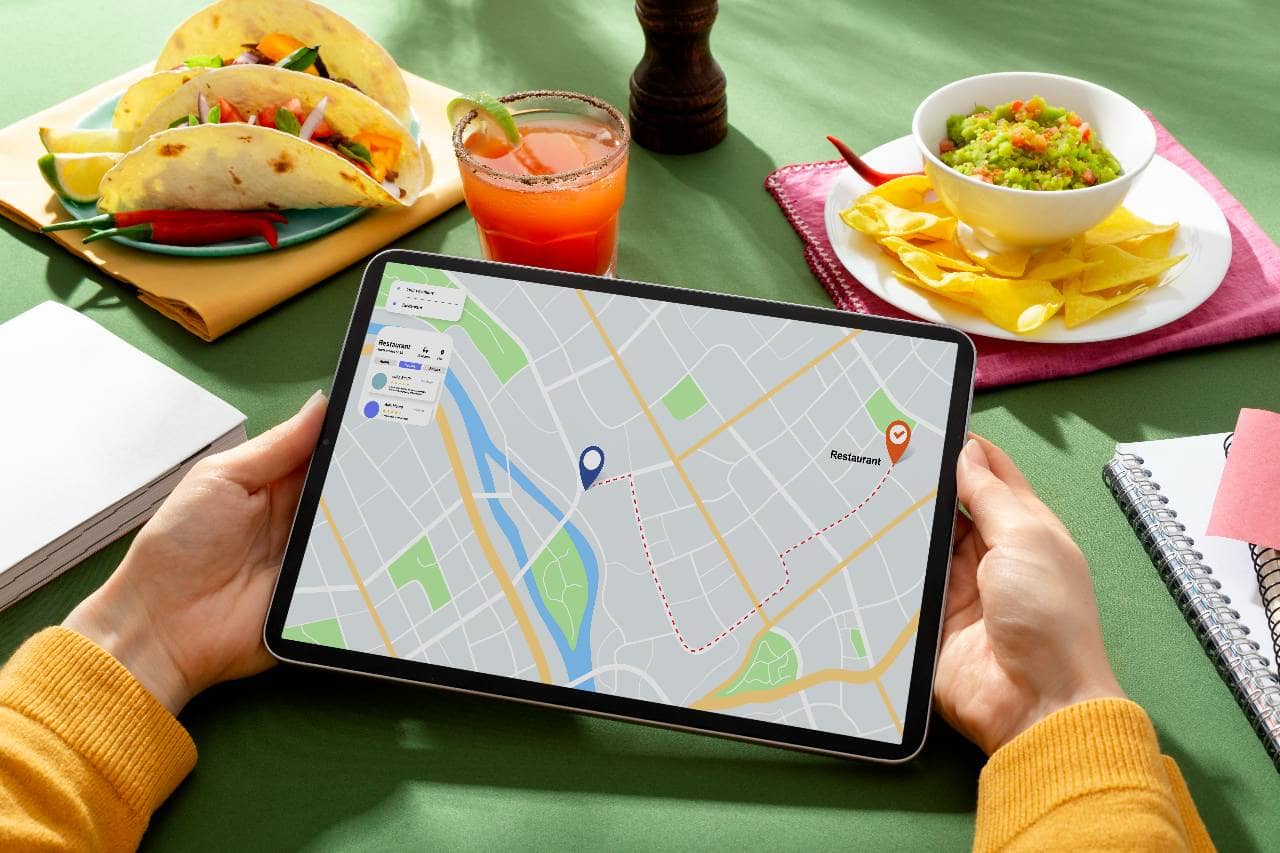
Improve restaurant Google Maps rankings by optimizing your business profile, selecting accurate categories, gathering reviews, adding photos, and strengthening local relevance signals.
Sep 21, 2026

Restaurant inventory tracking helps owners monitor stock, control food costs, reduce waste, improve purchasing, and make informed operational decisions.
Sep 21, 2026

Restaurant owners can significantly reduce restaurant costs by leveraging technology across inventory, labor, procurement, forecasting, and administrative operations for better profit margins.
Sep 18, 2026
Understand how to forecast restaurant revenue and expenses with methods for sales projection, cost scaling, fixed-cost planning, and risk buffering.
Sep 18, 2026

everbowl names Anna Gabele Brand President and Natalie Trzcinski COO, pulling both from Jack in the Box to guide its next growth phase.
Sep 18, 2026

Mountain Mike's Pizza hires Jack in the Box veteran Sheena Dougher as CMO to drive national growth while preserving its regional brand identity.
Sep 17, 2026

Unlock Exclusive Access To Webinars, Events, And The Latest News For Free!
Discover how changes in consumer behavior are reshaping the coffee industry's competitive dynamics and driving shifts in coffee shop strategies.

Photo by Patrick Tomasso
Consumer behavior at coffee shops has witnessed notable shifts, especially in terms of the duration of visits. Data from Placer.ai indicates that visits lasting longer than 10 minutes have increased by 13.4% at small coffee chains, while experiencing a decline of 8.9% at major chains like Dunkin and Starbucks. This trend signifies a preference for a more leisurely and relaxed coffee experience.
Smaller coffee shops are emerging as destinations for consumers seeking a personalized and laid-back coffee ambiance. With a focus on providing a unique and intimate experience, these smaller and medium-sized chains are gaining traction as preferred 'third places' for coffee enthusiasts. This trend has prompted larger chains like Starbucks to reconsider their strategies and prioritize enhancing the in-store experience to compete effectively.
The changing landscape of consumer behavior has prompted coffee chains to adapt their competitive strategies. While larger brands like Dunkin and Starbucks have traditionally emphasized speed and efficiency, the trend towards experiential coffee occasions has led to a reevaluation of priorities. To maintain relevance and market share, these chains are reorienting towards offering more personalized and engaging in-store experiences.

Photo by Patrick Tomasso
The slowdown in coffee traffic growth towards the end of 2024 raises questions about potential saturation in consumer demand. Additionally, external factors such as potential tariff increases on coffee could further intensify competition within the industry. This scenario challenges coffee chains to differentiate themselves by delivering value beyond just the product, with smaller establishments capitalizing on personalized experiences to attract discerning consumers.
The uncertain landscape of the coffee sector poses both challenges and opportunities for coffee chains. While larger medium-sized brands like Dutch Bros. and Caribou maintain their advantages in pricing and scale, the increasing preference for experiential coffee moments offered by smaller cafes suggests a potential shift in consumer perception of value. This evolving dynamic underscores the importance of adapting to changing consumer preferences and diversifying offerings.