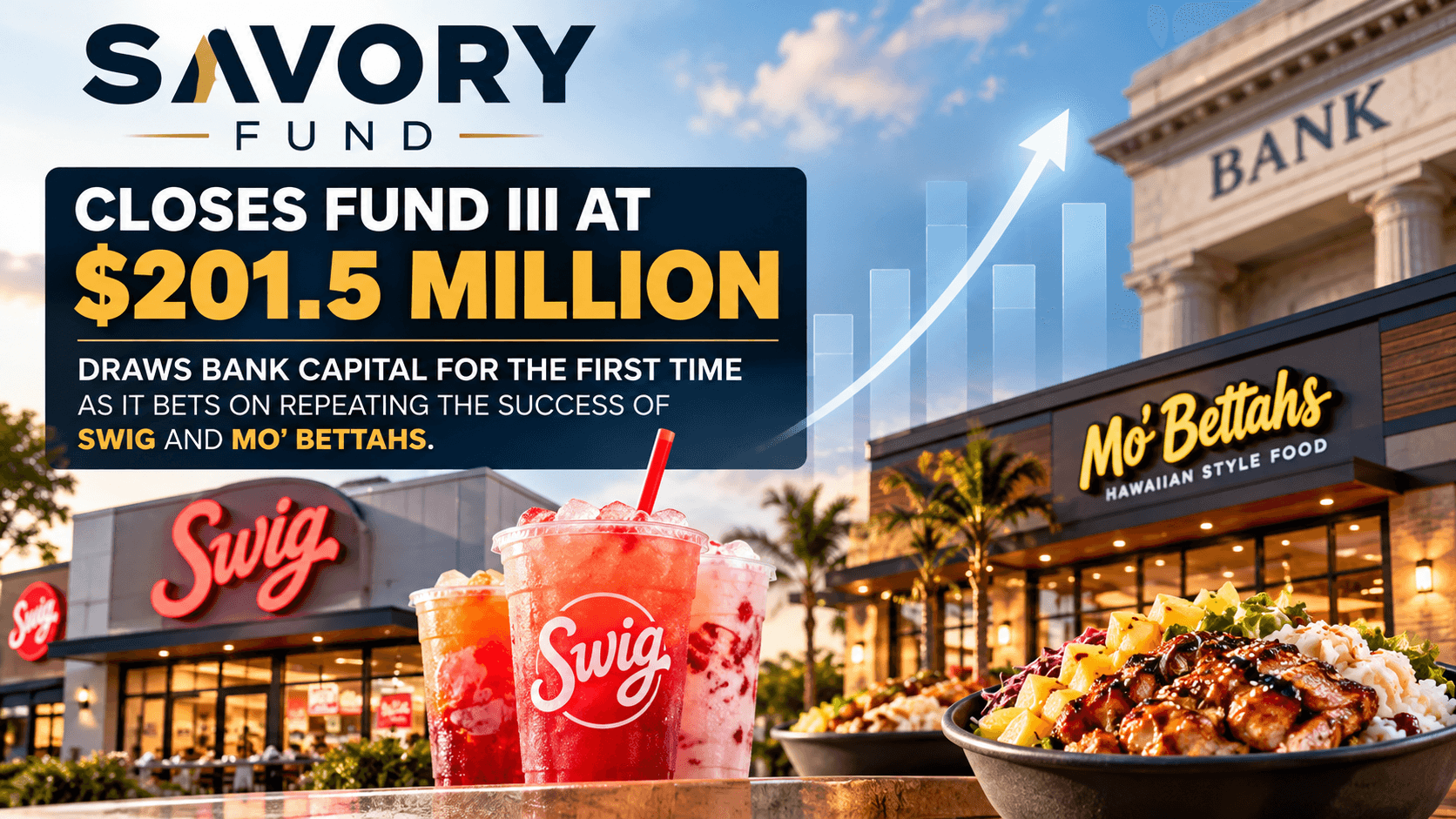
Savory Fund Closes $201.5M Third Fund for Restaurants
Savory Fund closes Fund III at $201.5 million, drawing bank capital for the first time as it bets on repeating the success of Swig and Mo' Bettahs.
Finance
Oct 13, 2026
Savory Fund closes Fund III at $201.5 million, drawing bank capital for the first time as it bets on repeating the success of Swig and Mo' Bettahs.
Oct 13, 2026
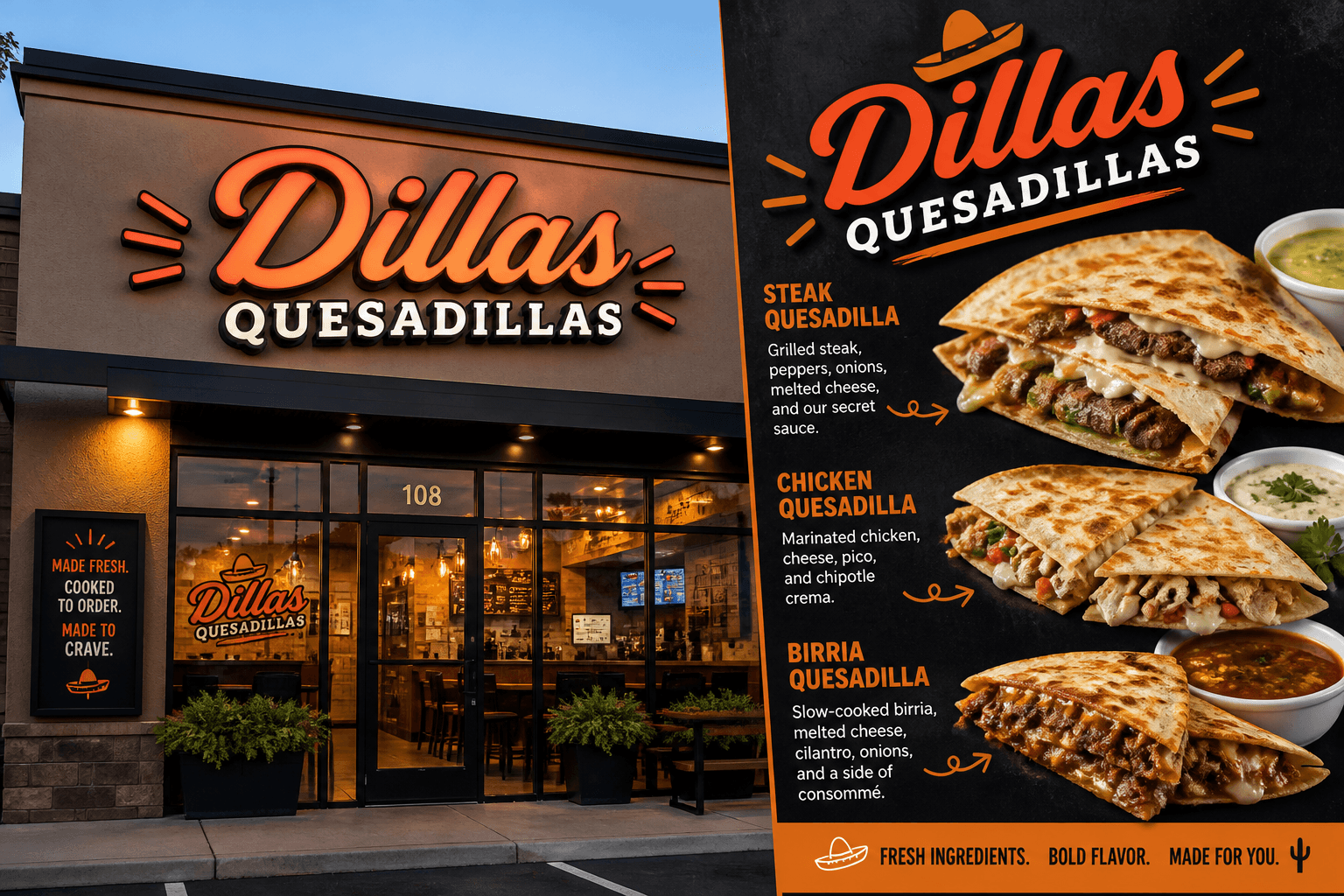
Dillas Quesadillas hires Michael Mabry as its first-ever COO to lead operations, marketing and franchise sales on the path to 50 locations by 2028.
Oct 13, 2026
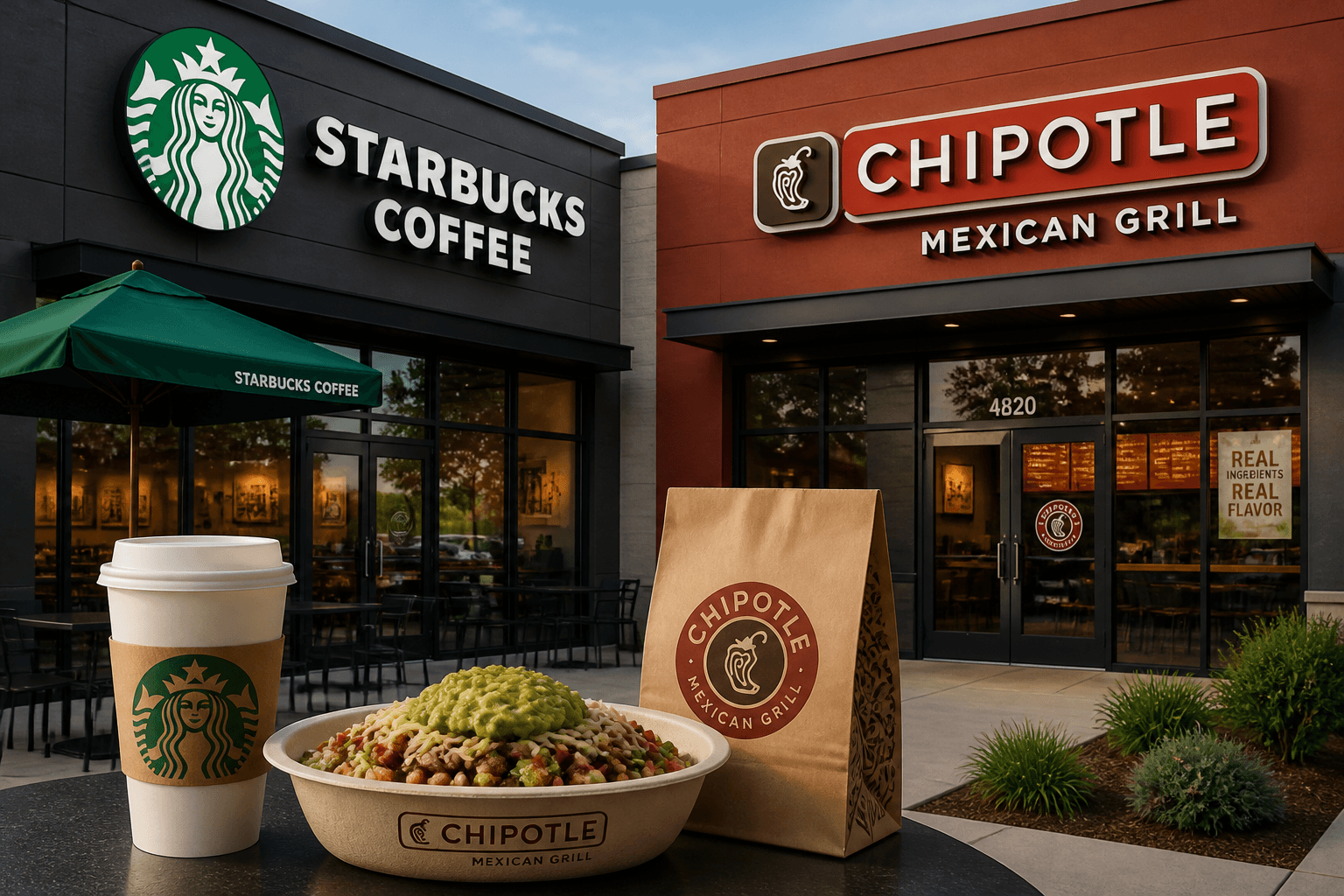
Starbucks firmly denies rumors of a $50 billion Chipotle acquisition, shifting focus to its turnaround plan and upcoming Q4 earnings report.
Oct 12, 2026
September 2026 restaurant leadership changes highlight executive priorities around expansion, operations, franchising, technology, financial performance, customer engagement, and sustainable growth.
Oct 12, 2026
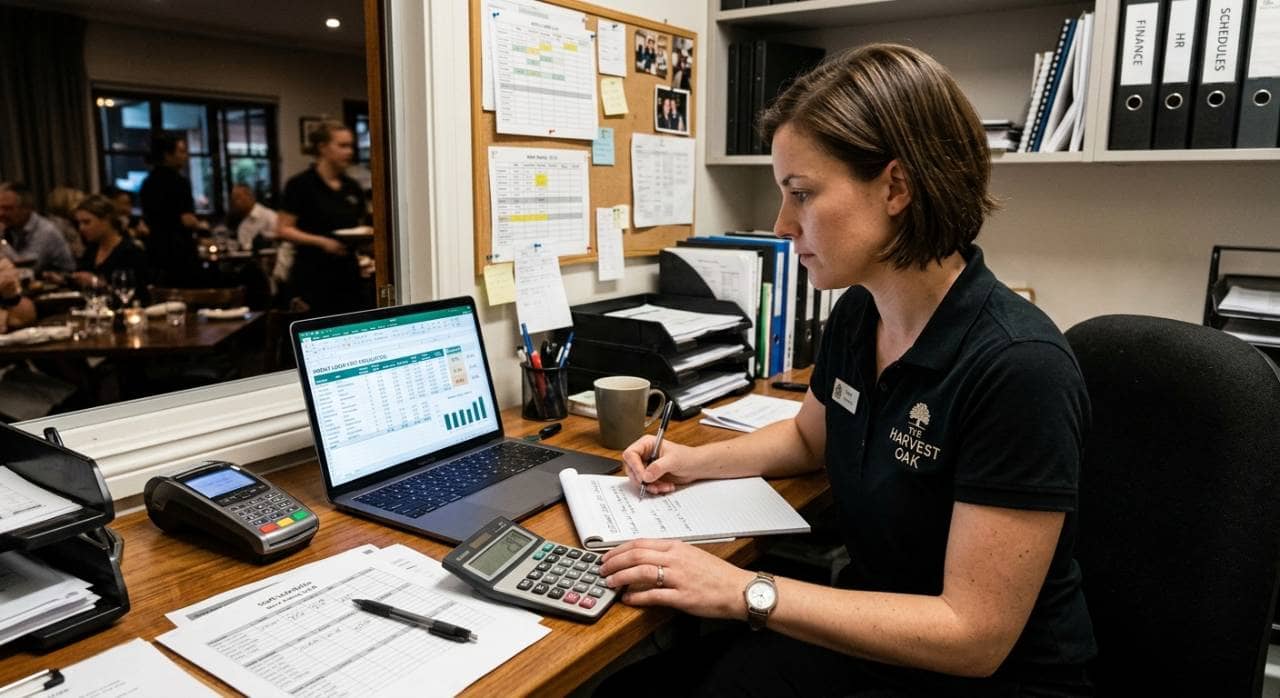
Learn how to calculate restaurant labor costs, determine labor cost percentages, account for payroll expenses, track spending, and improve profitability through smarter staffing decisions.
Oct 9, 2026
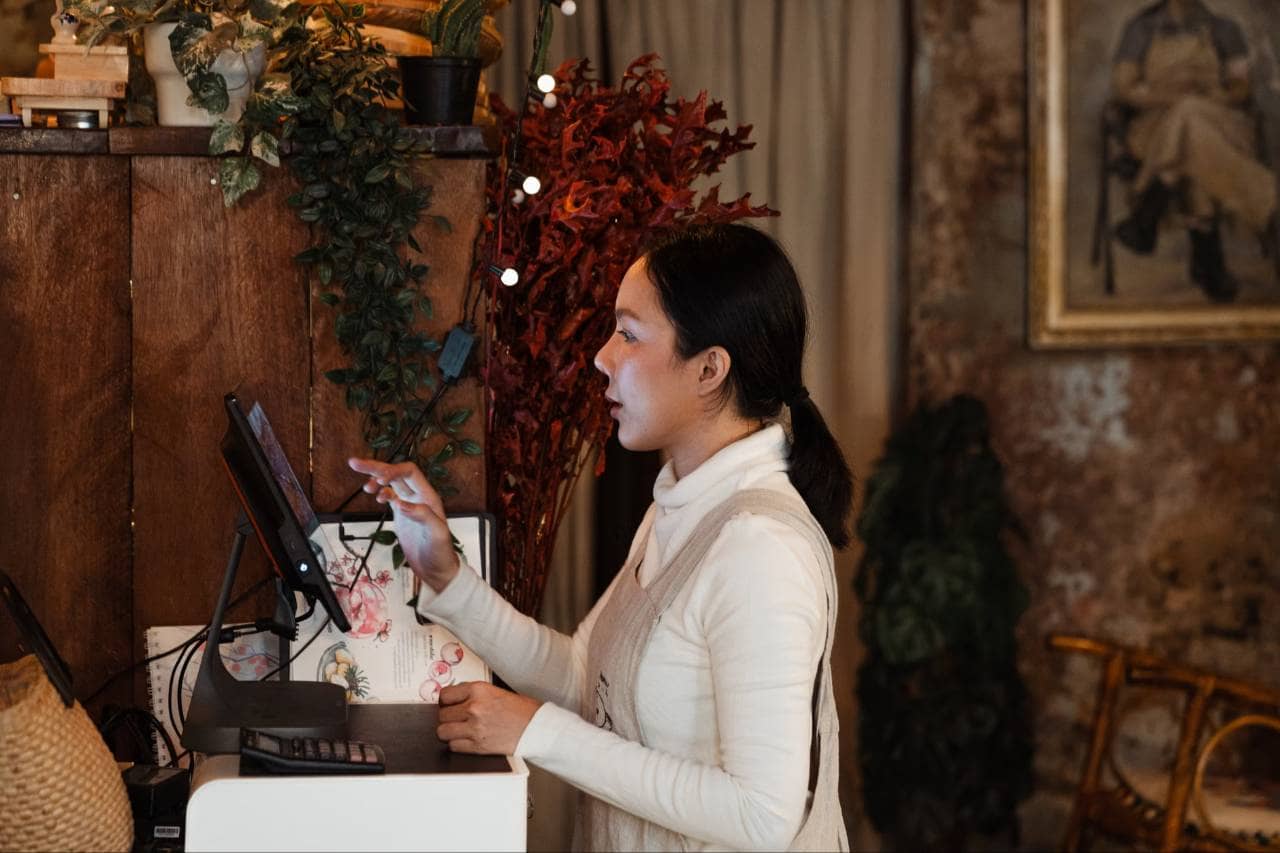
A cloud-based POS system helps restaurant owners streamline transactions, access real-time sales data, improve operational efficiency, manage costs, and support business growth.
Oct 12, 2026

Workforce management software helps restaurant owners streamline scheduling, time tracking, attendance, and labor costs, improve compliance, choose the right platform, and implement it effectively to save time and boost efficiency.
Oct 9, 2026

SignalFlare AI hires restaurant tech veteran Robert Peterson as CRO to drive adoption of its Navigator decision intelligence platform.
Oct 9, 2026
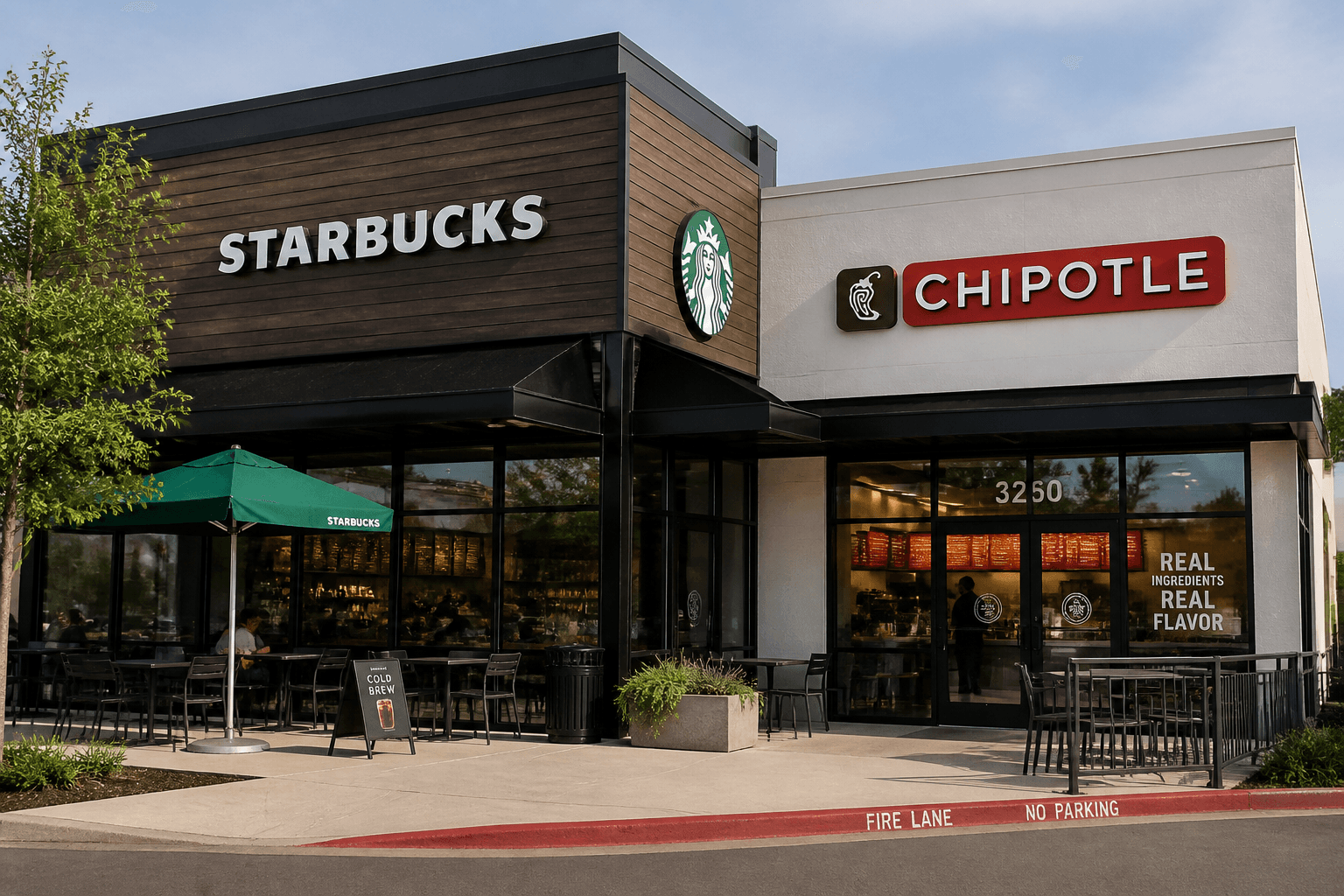
Reports of a Starbucks takeover bid for Chipotle sent shares in opposite directions, raising big questions about strategy, cost, and Brian Niccol's role.
Oct 9, 2026

CKE Restaurants names marketing veteran Alisa Gmelich President of Hardee's, tasking her with rebuilding franchisee trust and driving growth.
Oct 7, 2026

Unlock Exclusive Access To Webinars, Events, And The Latest News For Free!
Hardee’s giant Boddie-Noell inks 31-unit Scooter’s Coffee deal for NC and VA, leveraging drive-thru growth and local roots with rollout over 12–18 months.

Photo by Nafinia Putra
Growth can be like a perfect ristretto: concentrated, disciplined, and over in a flash. On April 21, 2026, Boddie-Noell Enterprises, the nation’s biggest Hardee’s operator, pulled just such a shot, inking one of Scooter’s Coffee’s largest Multi-Store Development Agreements. The plan: at least 31 drive-thru locations across North Carolina and Virginia, a swift choreography of sites designed for speed, consistency, and community presence. It’s a marriage of scale and restraint, favoring small footprints and focused service over sprawling dining rooms, and it signals a clear intent from both parties:
Boddie-Noell becomes the largest Scooter’s franchisee in both target markets, where the brand counts 14 North Carolina sites and none yet in Virginia. The playbook leans into Scooter’s hallmark: a small-footprint, drive-thru model that privileges velocity without sacrificing the guest ritual. Nationally, Scooter’s Coffee has crossed 900 locations and is poised to surpass 1,000 stores by the end of 2026. In this context, the 31-unit pledge reads not as an outlier but as a well-timed cadenza, an accent of growth placed precisely where the regional melody is already familiar and the market appetite is primed for convenience.
Boddie-Noell Enterprises is steeped in the slow craft of operational mastery. Headquartered in Rocky Mount, N.C., the family-owned company has been a Hardee’s franchise operator since 1962, growing in measured arcs, like a dough rested long enough to develop character. Today, the company employs close to 10,000 people and owns more than 330 Hardee’s restaurants across four states. After dabbling in other concepts, it refocused on its flagship through the early-2000s downturn, then began to scout for complementary ventures with a steadier pulse. The chosen partner for its next chapter is telling:

In more than 64 years of franchising, Boddie-Noell has shown the patience required to sustain multi-unit systems through cycles. Along the way it tested Texas Steakhouse & Saloon, Moe’s Southwest Grill, and various barbecue joints before circling back to its core. The Scooter’s agreement reflects a pragmatic synthesis: leverage deep Hardee’s real estate knowledge and operational cadence, then graft on a nimble drive-thru kiosk model that meets today’s demand curve. The ambition isn’t to change the company’s DNA; it’s to express it in a faster, smaller, more caffeinated dialect.
Behind the flourish lies mise en place, every station set, every movement planned. The agreement grants Boddie-Noell Enterprises the rights to develop and operate at least 31 Scooter’s Coffee kiosks in defined territories across North Carolina and Virginia. The strategy leans on real estate acumen: placing compact units near existing Hardee’s sites to compress costs and borrow established traffic. A fortified supply chain, six distribution centers, including a newly opened 183,000-square-foot facility in Whitestown, Indiana, adds muscle for smaller-market expansion without drama. The operational rhythm has been clearly scored; the tempo now depends on permitting and local cues:
- Development rights: At least 31 drive-thru kiosks through a Multi-Store Development Agreement.
- Territories: Targeted areas in North Carolina and Virginia.
- Real estate strategy: Sites near existing Hardee’s to streamline rollout costs and tap known traffic patterns.
- Supply chain: Six DCs support growth, including the 183,000-square-foot Whitestown facility opened in early 2025.
- Timeline: A projected 12–18 months for agreed locations, aligning with Scooter’s push past 1,000 stores.
- Financials: Terms were not disclosed, consistent with large-scale franchise practice.
Every era has its palate. Today’s quick-service lexicon favors the clean lines of drive-thru convenience, which now constitutes about 55 percent of coffee shop revenue. In this idiom, the small-footprint kiosk becomes the perfect vessel: efficient, repeatable, and poised for mornings on the move. Franchise investment ranges, roughly $794,000 to $1.34 million with royalty fees near 6 percent, make the model legible to multi-unit operators and institutional backers alike. The Scooter’s template, then, speaks a language seasoned owners such as Boddie-Noell Enterprises can parse quickly, without losing the nuance of local habits or service polish:

Scooter’s Coffee added 83 new stores in 2025, a 10 percent lift that followed a 16 percent jump in 2024, momentum that now steadies the brand above 900 locations. With this pact, the company positions itself to exceed 1,000 stores by year-end 2026. The calculus is elegant: expand where ritual coffee stops are already ingrained, keep the build minimal, and let speed meet consistency. For a regional heavyweight like Boddie-Noell, the thesis is scarcely theoretical; it is a practical, capital-aware way to map morning traffic into measured returns.
Deals endure when language matches action. Tim Arpin, Chief Growth Officer at Scooter’s Coffee, cast the choice of partner in terms of operational rigor and civic texture. From the other side, Mike Hancock, Executive Vice President at Boddie-Noell Enterprises, underscored a blend of integrity, speed, and loyalty, the disciplined cadence that defines a drive-thru ritual done properly. Community engagement threads both statements like the clean stitch on a well-tailored jacket; it is meant to be seen, yet never distract from the fit. Their words, in full flavor:

“Boddie-Noell Enterprises is exactly the type of partner we look for as we continue to scale Scooter’s Coffee,” said Tim Arpin, praising the group’s operational discipline and community focus.
“We are excited to partner with Scooter’s Coffee and bring this exceptional brand to North Carolina and Virginia,” added Mike Hancock, emphasizing alignment around integrity, speed, and guest loyalty. The duet suggests a shared thesis: that hospitality can move swiftly without feeling rushed, like a barista who knows your order and still makes it feel bespoke.
Even the most elegant plan must navigate the quotidian: permits, timelines, and returns that validate the thesis cup by cup. With financial terms undisclosed, observers will parse unit-level performance as openings begin. The 12–18 month rollout window provides a brisk tempo, yet the metronome will tick to local approvals and construction pace. One quiet question lingers over the dining table: how the Scooter’s buildout will coexist with existing Hardee’s operations in shared trade areas. The watchlist is crisp, like a morning pastry meant to be eaten while still warm:
- Unit economics: Tracking store-level returns as kiosks come online.
- Permitting pace: Monitoring approvals that can smooth, or slow, the calendar.
- Real estate interplay: Measuring how proximity to Hardee’s impacts traffic and labor.
- Timeline clarity: Sequencing exact opening dates within the stated 12–18 months.
- Community response: Gauging whether brand promises translate to repeat visits and loyalty.
If the rollout holds its line, the partnership offers a blueprint: blend Scooter’s kiosk efficiency with Boddie-Noell’s local roots to produce community-anchored coffee stops across North Carolina and Virginia. It hints at drive-thru coffee not merely as a quick fix, but as local economic leaven, small, warm places where routines rise into habit.
