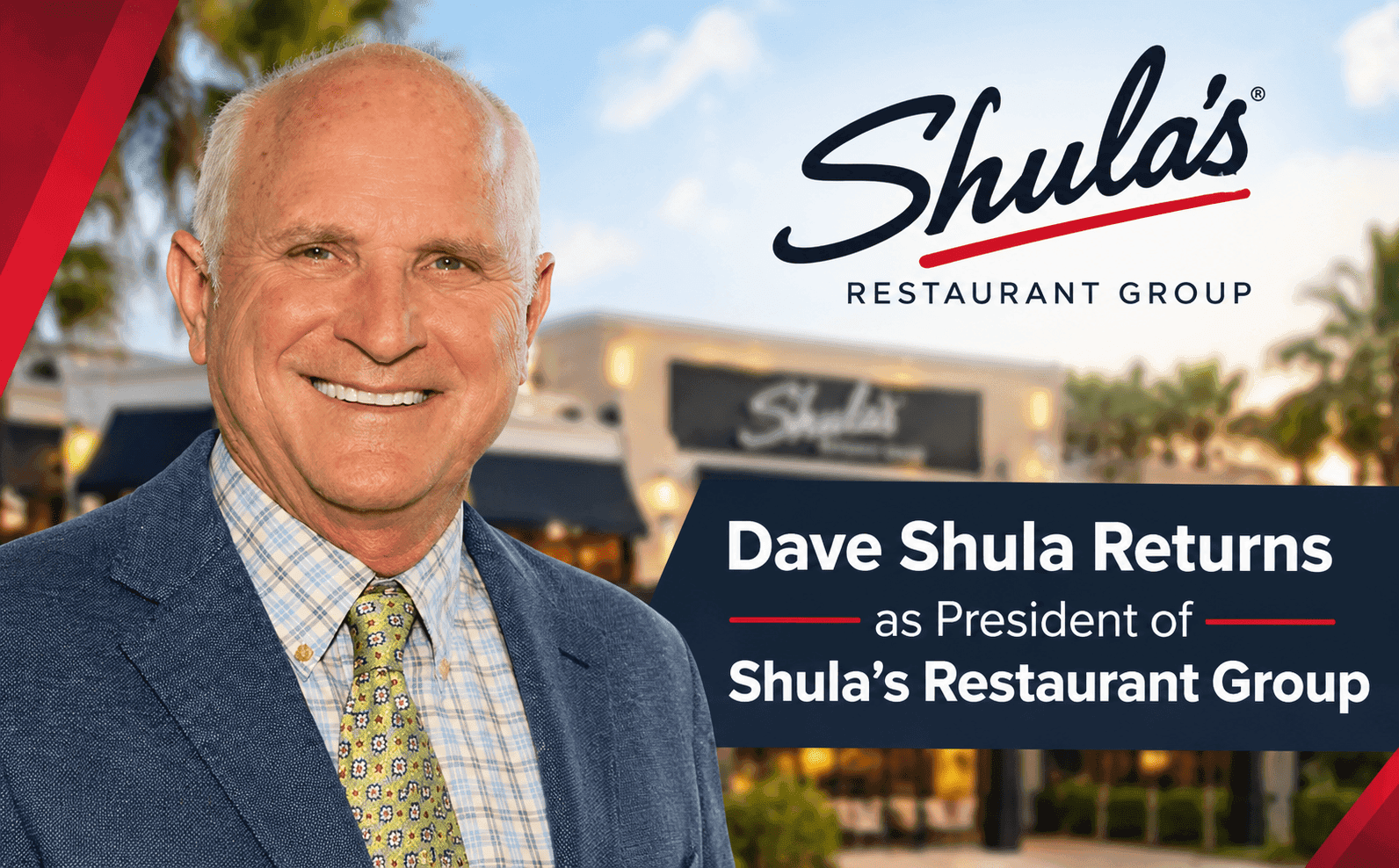
Dave Shula Returns as President of Shula's Restaurant Group
Dave Shula rejoins Shula's Restaurant Group as president, leading growth into Palm Beach Gardens and a 2027 Thomasville, Georgia expansion.
News
Sep 23, 2026
Dave Shula rejoins Shula's Restaurant Group as president, leading growth into Palm Beach Gardens and a 2027 Thomasville, Georgia expansion.
Sep 23, 2026
McDonald's commits $8.5 billion through 2036 to modernize restaurants, boost cash flow by $100,000 per store, and grow chicken and beverage sales.
Sep 23, 2026
WKS Restaurant Group promotes Jay Spongberg to president and COO after he helped grow the company from 65 to 382 restaurants over 16 years.
Sep 23, 2026

Smokey Mo's BBQ names Von Dawson, a Dine Brands veteran, as VP of Franchise Development to lead its Texas expansion strategy.
Sep 23, 2026
.png&w=3840&q=70)
Meritage Hospitality's Chapter 11 filing pulls 5% of Wendy's U.S. stores into bankruptcy, exposing cracks in franchising's bigger-is-safer bet.
Sep 21, 2026

Jack in the Box names Rachel Ruggeri to its board as Michael Murphy retires, amid a CEO transition and deal with investor GreenWood.
Sep 21, 2026
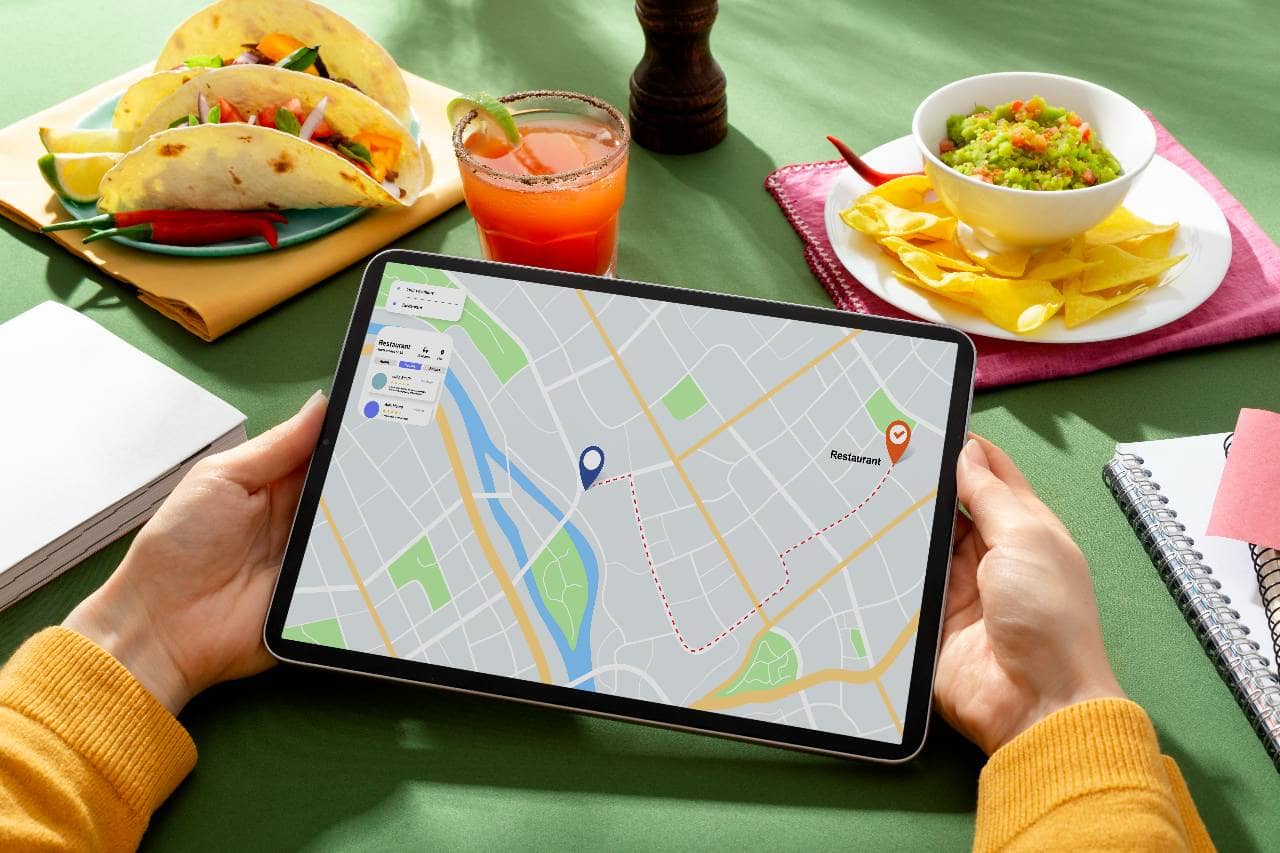
Improve restaurant Google Maps rankings by optimizing your business profile, selecting accurate categories, gathering reviews, adding photos, and strengthening local relevance signals.
Sep 21, 2026

Restaurant inventory tracking helps owners monitor stock, control food costs, reduce waste, improve purchasing, and make informed operational decisions.
Sep 21, 2026

Restaurant owners can significantly reduce restaurant costs by leveraging technology across inventory, labor, procurement, forecasting, and administrative operations for better profit margins.
Sep 18, 2026

Understand how to forecast restaurant revenue and expenses with methods for sales projection, cost scaling, fixed-cost planning, and risk buffering.
Sep 18, 2026

Unlock Exclusive Access To Webinars, Events, And The Latest News For Free!
Rising prices, labor costs, and new concepts reshape California fast food, with growth abroad and experiential formats on the rise.

Photo by Zoshua Colah
California quick-service prices are rising faster than the national pace, a real head turn for operators and shoppers alike. According to RMS, quick-service menu prices climbed 7.5% year over year in June in California, compared with 3.1% nationwide. The gap isn’t cosmetic: it’s real pressure on margins and on foot traffic as households watch every dollar. This isn’t just about a number on a board, it’s a signal that profitability and loyalty are being stretched at once. The stage is set for what follows.
This moment isn’t going to be decided in a single quarter. It’s a long game where operators balance the need to cover costs with the promise of value for diners. The pace of change will test brands’ ability to keep customers coming back even as receipts rise. The stage is set for a nuanced dance between margin protection and traffic retention, with everyday price signals shaping the choices operators make week after week.
Pricing decisions in California aren’t accidental. They’re powered by unit economics and a push to protect margins without killing volumes. In markets where costs run hotter, brands tilt toward quicker price adjustments and more selective promotions. The result is a leaner menu mix that preserves core appeal while nudging profitability higher. It’s big win energy for operators who can thread the needle between value and price.
What this looks like in practice is a regional approach: raise prices where costs bite hardest, but guard traffic with targeted deals and menu tweaks that keep guests returning.
RMS data shows the California edge isn’t incidental. The region’s higher costs feed a price premium that operators manage with a mix of promotions and menu optimization. Across the country, the pace of increases remains more measured, while California leans into faster shifts to maintain profitable units. The strategy is pragmatic: protect the bottom line while keeping the brand’s promise intact, even as shoppers watch receipts more closely.
Price-traffic dynamics are already evident. Industry data show that higher price tags correlate with softer traffic in California’s quick-service segment, as households tighten budgets and recalibrate discretionary spending. The pattern underscores a broader challenge: growth can’t outpace wage growth and consumer wallets for long. Operators need to find balance, or visits will lag and the crowd will drift toward lower-cost options. It’s not doom, it’s a call to smarter growth.

In practical terms, shoppers may trim visits or switch to lower-priced formats. That shift isn’t a one-off, it’s a trend that pushes brands to rethink promotions, format mix, and the overall value story. The good news is that smart deployments of value and experience can still move the needle, even in a price-conscious market.
Under cost pressure, some legacy concepts shrink their footprints even as new formats attract capital. A standout case is Buca di Beppo, the Orlando-based family-style concept, which announced the closure of 13 underperforming locations nationwide as part of a restructuring tied to pandemic-era disruptions and ongoing market pressures. The brand later filed for Chapter 11 bankruptcy in 2024, signaling a long arc of recovery and a recalibrated footprint, up to a planned portfolio of around 44 sites. “a beloved gathering place for celebrations and memorable meals for many years.” CBS News reports this as part of the brand’s evolving story.

Meanwhile, the industry is advancing on the growth front through new concepts and global ambitions. Taco Bell leadership has signaled a bold shift toward international expansion as the next growth engine for Yum Brands. The brand opened its incubator program to participants worldwide, signaling a broader, globally sourced pipeline of ideas. And the plan is aggressive: to triple its international footprint to more than 3,000 stores by 2030, entering nine new countries and deepening wins in the UK, Spain, Australia, and India. It’s a clear bet on growth that travels beyond domestic borders.
Batbox, a baseball-themed eatertainment concept imported from Mexico, stands as a bellwether for a new frontier. It has drawn substantial funding, with a $7.3 million Series A in 2024, underscoring investor confidence in the model, high-tech baseball simulators paired with food and beverage service as a social, entertainment-forward dining experience. In 2025, Batbox continued to attract capital and laid out plans for flagship venues and licensing partnerships as it scales in the U.S. That mix of dining, technology, and live experience feels like a natural response to evolving consumer tastes.

Tying these bets to a broader growth agenda, the industry is leaning into formats that blend dining with entertainment and cross-border expansion. The international growth push from Taco Bell shows how a global growth engine can coexist with homegrown concepts like Batbox, creating a diversified map of opportunity across geographies and experiences.
Taken together, these threads reveal a restaurant industry in transition: price discipline in high-cost markets, selective portfolio optimization, and a rapid shift toward experiential formats and global growth engines. The California price gap isn’t just an isolated quirk, it’s a signal that regional market dynamics can push divergent strategies within a single national sector. For operators, the path forward hinges on balancing price with perceived value, leaning into innovation as a core differentiator, and expanding into formats and geographies that deliver outsized returns despite inflation.

The trend lines point to a durable shift: price discipline in high-cost markets, portfolio optimization, and a pivot toward experiential formats and cross-border growth. Operators should pair value with novelty, invest in experiences, technology, and cross-border opportunities that can weather inflation and maintain momentum. The convergence of legacy footprints shrinking and newcomers attracting capital signals a broader reallocation of capital toward formats that blend dining with entertainment and tech.
