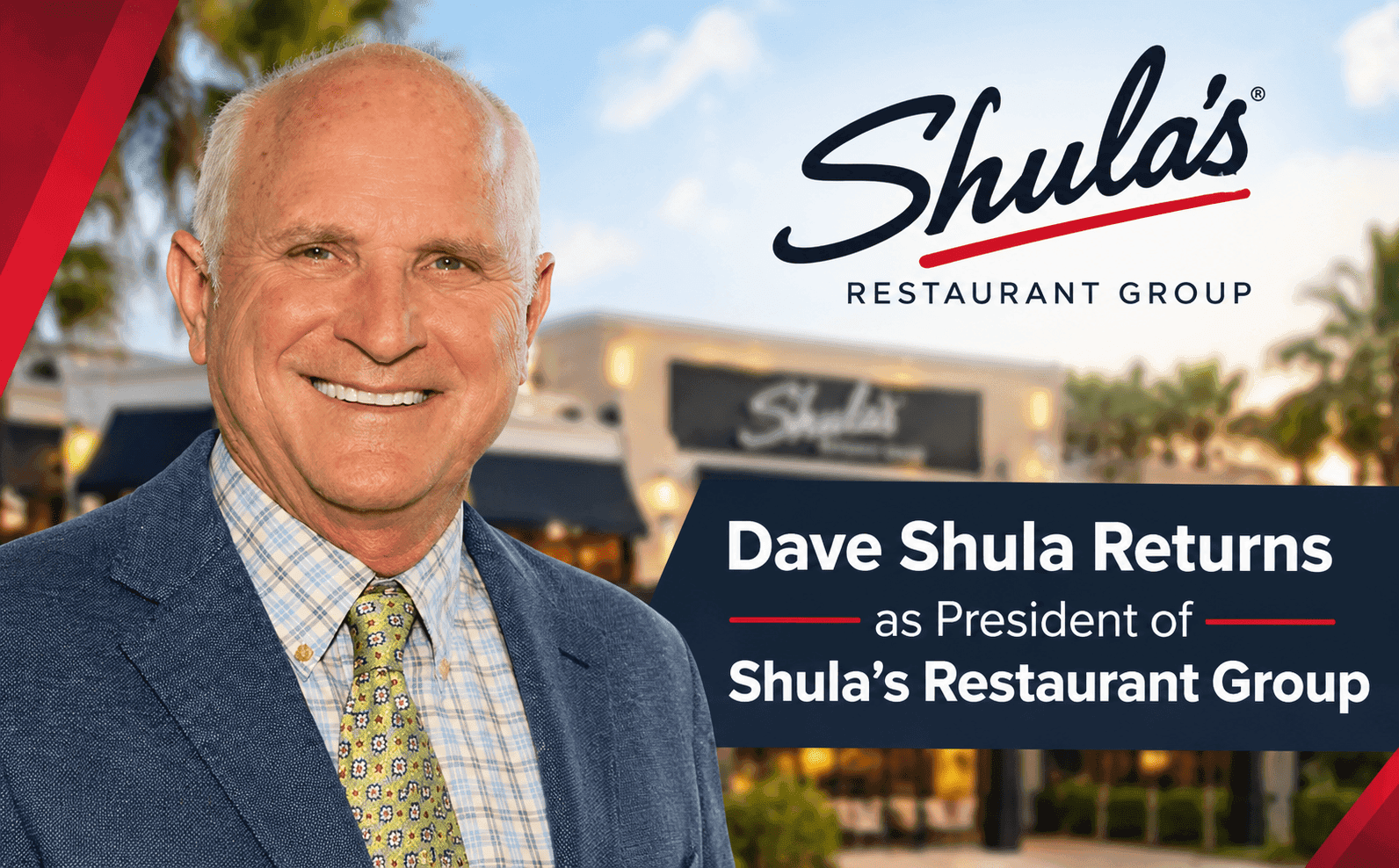
Dave Shula Returns as President of Shula's Restaurant Group
Dave Shula rejoins Shula's Restaurant Group as president, leading growth into Palm Beach Gardens and a 2027 Thomasville, Georgia expansion.
News
Sep 23, 2026
Dave Shula rejoins Shula's Restaurant Group as president, leading growth into Palm Beach Gardens and a 2027 Thomasville, Georgia expansion.
Sep 23, 2026
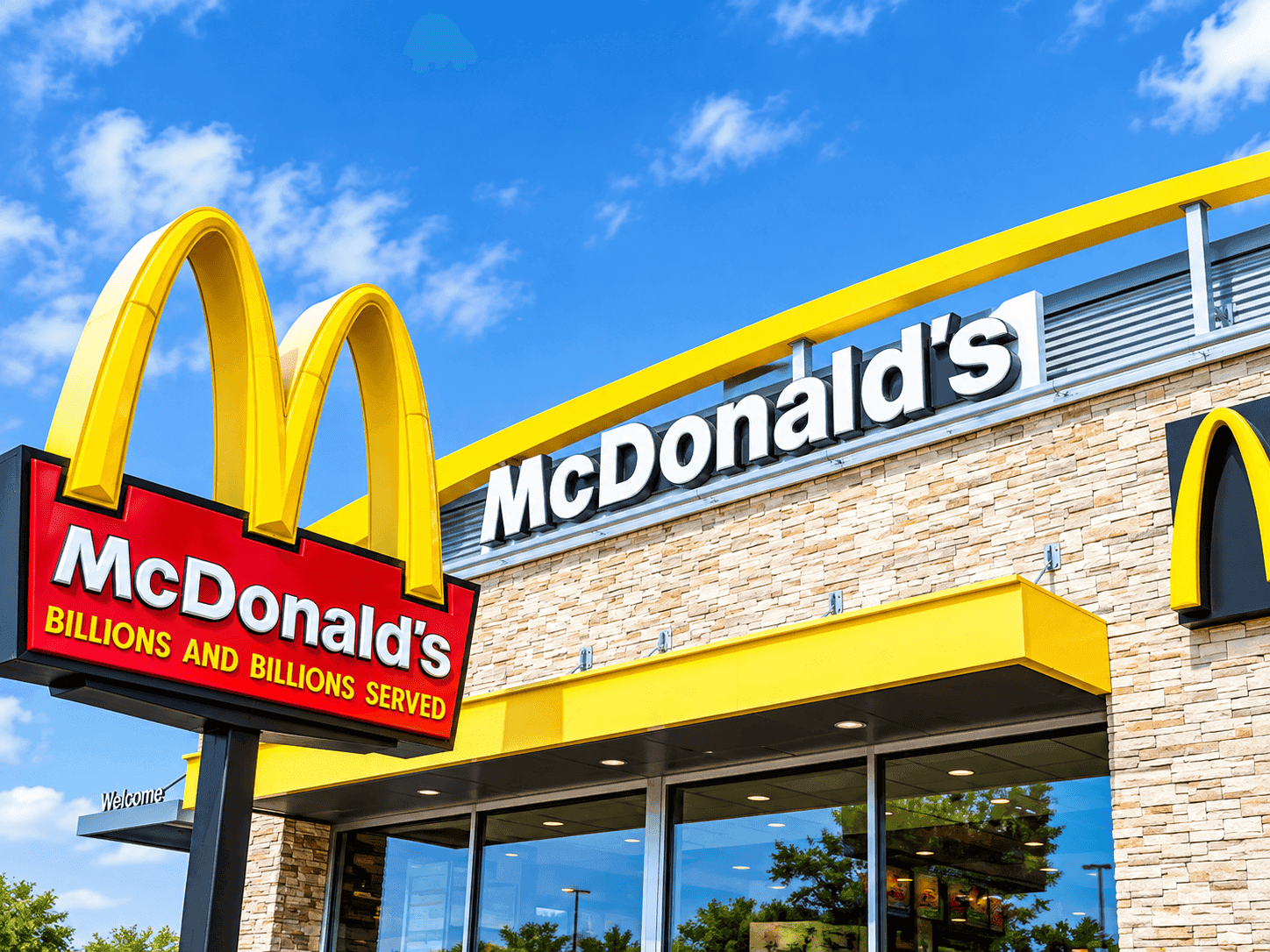
McDonald's commits $8.5 billion through 2036 to modernize restaurants, boost cash flow by $100,000 per store, and grow chicken and beverage sales.
Sep 23, 2026
WKS Restaurant Group promotes Jay Spongberg to president and COO after he helped grow the company from 65 to 382 restaurants over 16 years.
Sep 23, 2026

Smokey Mo's BBQ names Von Dawson, a Dine Brands veteran, as VP of Franchise Development to lead its Texas expansion strategy.
Sep 23, 2026
.png&w=3840&q=70)
Meritage Hospitality's Chapter 11 filing pulls 5% of Wendy's U.S. stores into bankruptcy, exposing cracks in franchising's bigger-is-safer bet.
Sep 21, 2026
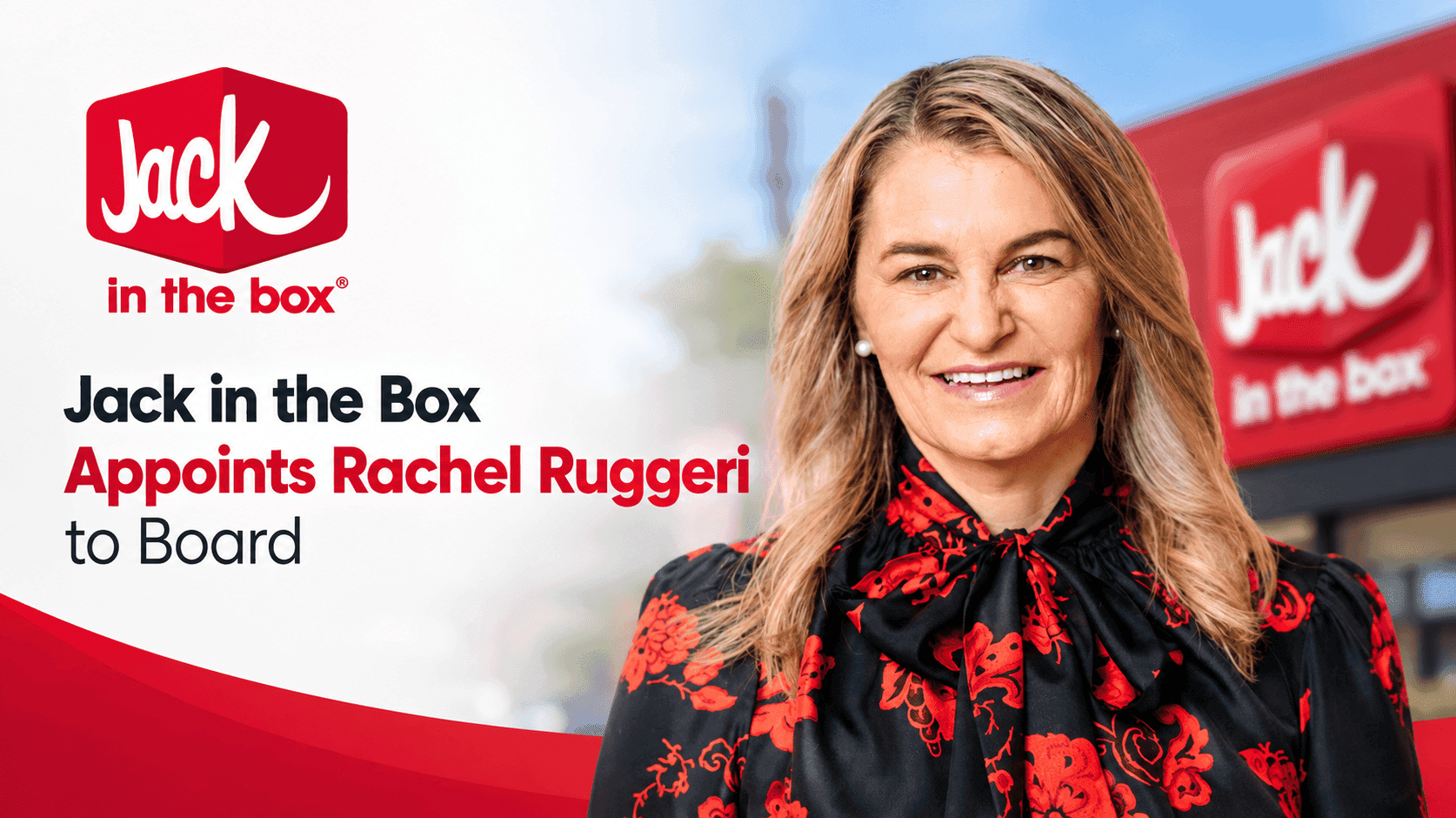
Jack in the Box names Rachel Ruggeri to its board as Michael Murphy retires, amid a CEO transition and deal with investor GreenWood.
Sep 21, 2026

Improve restaurant Google Maps rankings by optimizing your business profile, selecting accurate categories, gathering reviews, adding photos, and strengthening local relevance signals.
Sep 21, 2026

Restaurant inventory tracking helps owners monitor stock, control food costs, reduce waste, improve purchasing, and make informed operational decisions.
Sep 21, 2026

Restaurant owners can significantly reduce restaurant costs by leveraging technology across inventory, labor, procurement, forecasting, and administrative operations for better profit margins.
Sep 18, 2026

Understand how to forecast restaurant revenue and expenses with methods for sales projection, cost scaling, fixed-cost planning, and risk buffering.
Sep 18, 2026

Unlock Exclusive Access To Webinars, Events, And The Latest News For Free!
Tender Greens and Tocaya, under One Table Restaurant Brands, file for Chapter 11, signaling a pivotal moment for multi-brand dining on the West Coast and a path toward sale or reorganization.

Photo by Mahavir Shah
Chapter 11 arrives in California’s dining scene as a marker of broader financial stress. Tender Greens and its parent One Table Restaurant Brands filed for Chapter 11 protection on July 17 and 18, 2024, signaling a turning point for a pair of recognizable fast-casual concepts. The filings sketch a stark balance sheet: liabilities estimated between $10 million and $50 million, with assets reported at under $50,000. The group operates roughly 40 locations, most in California, and leadership has signaled a plan that prioritizes preserving existing stores, protecting jobs, and pursuing strategic alternatives for value. What follows is a closer look at the mechanics, the players, and the decisions that could redraw the West Coast dining map.
From a process perspective, the path forward is to maximize creditor recoveries while sustaining operations. A 363 asset sale or an auction could determine who takes the brands forward and under what terms. Breakwater Management has emerged as a leading lender and potential buyer through a credit bid, while a stalking horse could anchor value and streamline bidding. Court records in October 2024 reflect interim approvals that keep the process moving, underscoring that the path to exit, whether by sale or reorganization, will unfold in a structured, creditor-informed manner. The aim is to preserve enterprise value while protecting the dining experience that guests associate with these California concepts.
Origins of One Table trace back to August 2021, when Tender Greens and Tocaya Organica merged under the leadership of Harald Herrman. The aim was to knit a California salad concept with a growing Mexican fast-casual chain, pooling operations to accelerate growth on the West Coast. Investors included Alliance Consumer Growth and , signaling long-range confidence in a multi-brand footprint. Ownership today is described as a three-way split: TYP Restaurant Group 47.5%, New Tocaya Holdings, LLC 47.5%, and Big Table Brands Management, LLC 5%. Those numbers illuminate who controls the platform and how restructurings could ripple through creditors, investors, and brand identity.

Two strong brands, a single umbrella were joined to weather growth and convert learnings into scale. That ambition rested on shared procurement, streamlined back-office, and a coast-to-coast appeal; today, that backbone is being tested by a creditor-led process, while the investor syndicate remains at the table. The leadership tie remains a constant thread in the restructuring, which matters for lenders and employees who rely on steady decision-making. The origin story underscores how strategic timing and capital partners built a platform with potential; the present upheaval tests whether ambition can survive a storm and still honor the values of sourcing and menu balance that define the brands.
Chapter 11 mechanics in play are about keeping the doors open while reimagining a multi-brand platform. The filings articulate a joint effort to restructure under Chapter 11 with the goal of maximizing creditor recoveries while preserving core operations. Emergency financing is being sought to bridge operations during court supervision and to protect enterprise value. The sale path is shaped around a 363 asset sale or a competitive auction, with as a principal lender and possible purchaser through a credit bid. A stalking horse bidder could anchor bids and provide procedural clarity. In October 2024, a Delaware court granted interim approvals that keep the process on track.

Operational implications center on balance: preserve existing stores and jobs while exploring options that could reduce costs and recalibrate the brand portfolio. The plan is not simply liquidation; it seeks to preserve value so that a next owner or reorganized entity can restart with stronger foundations. Consumers may notice continuity in menus and local sourcing as the brands navigate this period, keeping a familiar footprint for diners who value balance and nourishment in their meals.
Voices from inside and outside the case emphasize stabilization and value realization as the north star. Harald Herrman, who led the post-merger integration, has described the restructuring as a chance to emerge stronger and better positioned for the future. In interviews and statements, he asserted confidence in the brands’ ongoing operations under restructuring, even as the market and debt burdens remain heavy. Industry observers highlighted the continuity of leadership, especially Herrman’s continued role, as a stabilizing signal for lenders and employees alike. The message from executives has consistently centered on preserving locations and jobs while pursuing strategic alternatives. It’s a reminder that thoughtful governance can help a brand weather uncertainty without sacrificing the very attributes that give it character: local sourcing, loyal diners, and a balanced, nourishing menu.

Outside perspectives emphasize that a steady leadership hand can reassure lenders and staff even when the debt stack is daunting. This sense of continuity, coupled with a plan to preserve stores and safeguard jobs, helps maintain a thread of normalcy for diners who value the brands’ character and menu choices. The broader takeaway is that in a distress cycle, governance matters as much as assets. For a hospitality concept built on thoughtful sourcing and a recognizable green philosophy, that stability becomes an essential ingredient in any potential revival.
Industry context places Tender Greens and Tocaya within a broader wave of restaurant bankruptcies in 2024. The pattern includes recognizable names like Red Lobster, Rubio’s, and Tijuana Flats, alongside many smaller concepts and franchisees. Elevated costs, shifting consumer preferences, and lingering post-pandemic disruption have combined to test even established regional brands. The focus here is not only on the legal mechanics but on what these exits reveal about capital discipline, risk management, and sustainability-minded growth. For a sector built on people, ingredients, and thoughtful dining, the disruptions carry a material weight on operations and on the supply chain that sustains the menu.
What we learn for the dining landscape is a reminder that growth must be matched with prudent capital planning and governance. The case underscores the value of a clear exit path for investors, the potential benefits, and risks, of consolidating operations during distress, and the need to balance cash flow with the steady demand for meals that feel nourishing and responsibly sourced. As lenders scrutinize asset-light strategies and multi-brand platforms, the industry will watch how a carefully calibrated, sustainability-minded approach can survive a period of stress and emerge in a way that preserves the very identity that diners have come to trust.