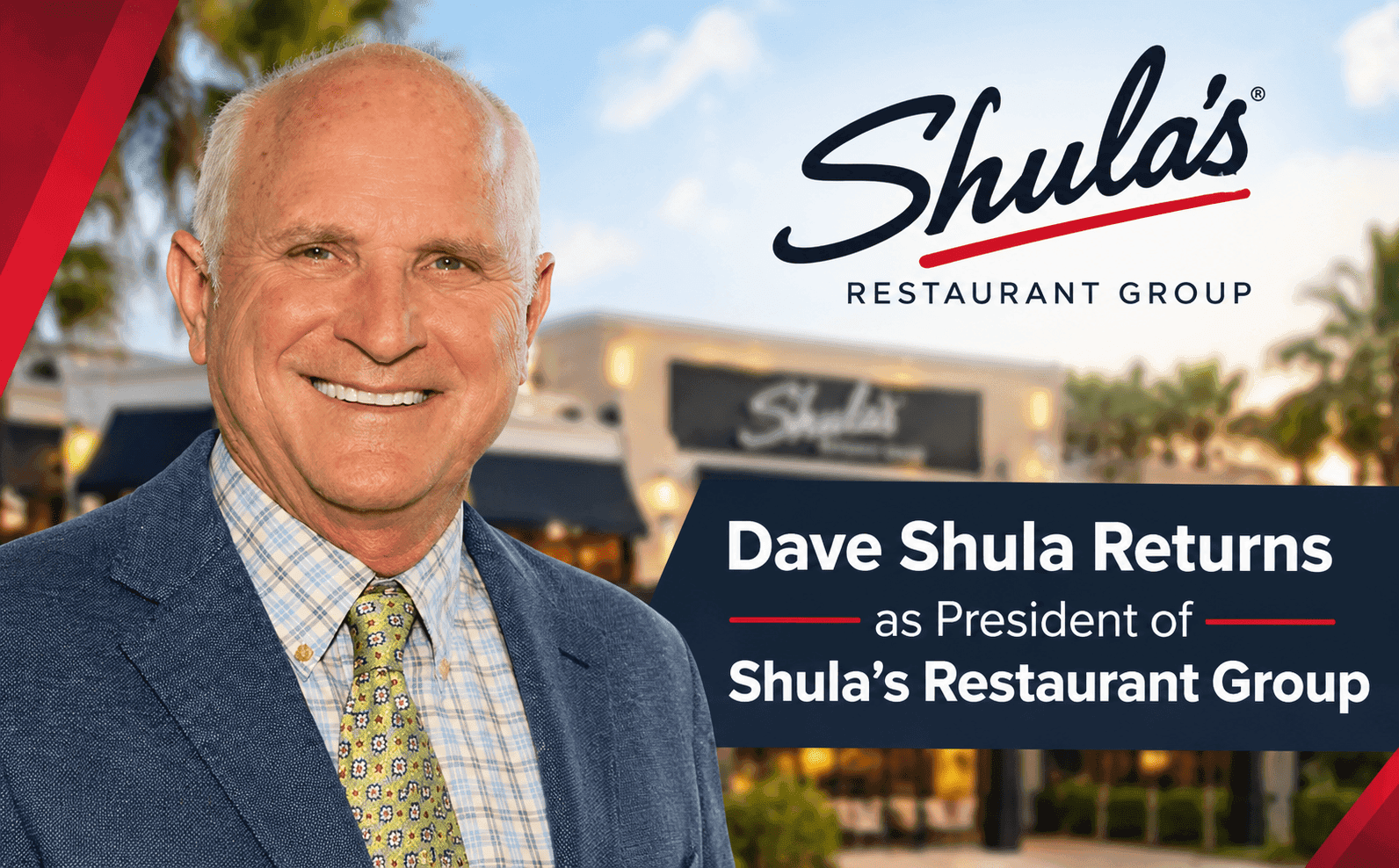
Dave Shula Returns as President of Shula's Restaurant Group
Dave Shula rejoins Shula's Restaurant Group as president, leading growth into Palm Beach Gardens and a 2027 Thomasville, Georgia expansion.
News
Sep 23, 2026
Dave Shula rejoins Shula's Restaurant Group as president, leading growth into Palm Beach Gardens and a 2027 Thomasville, Georgia expansion.
Sep 23, 2026
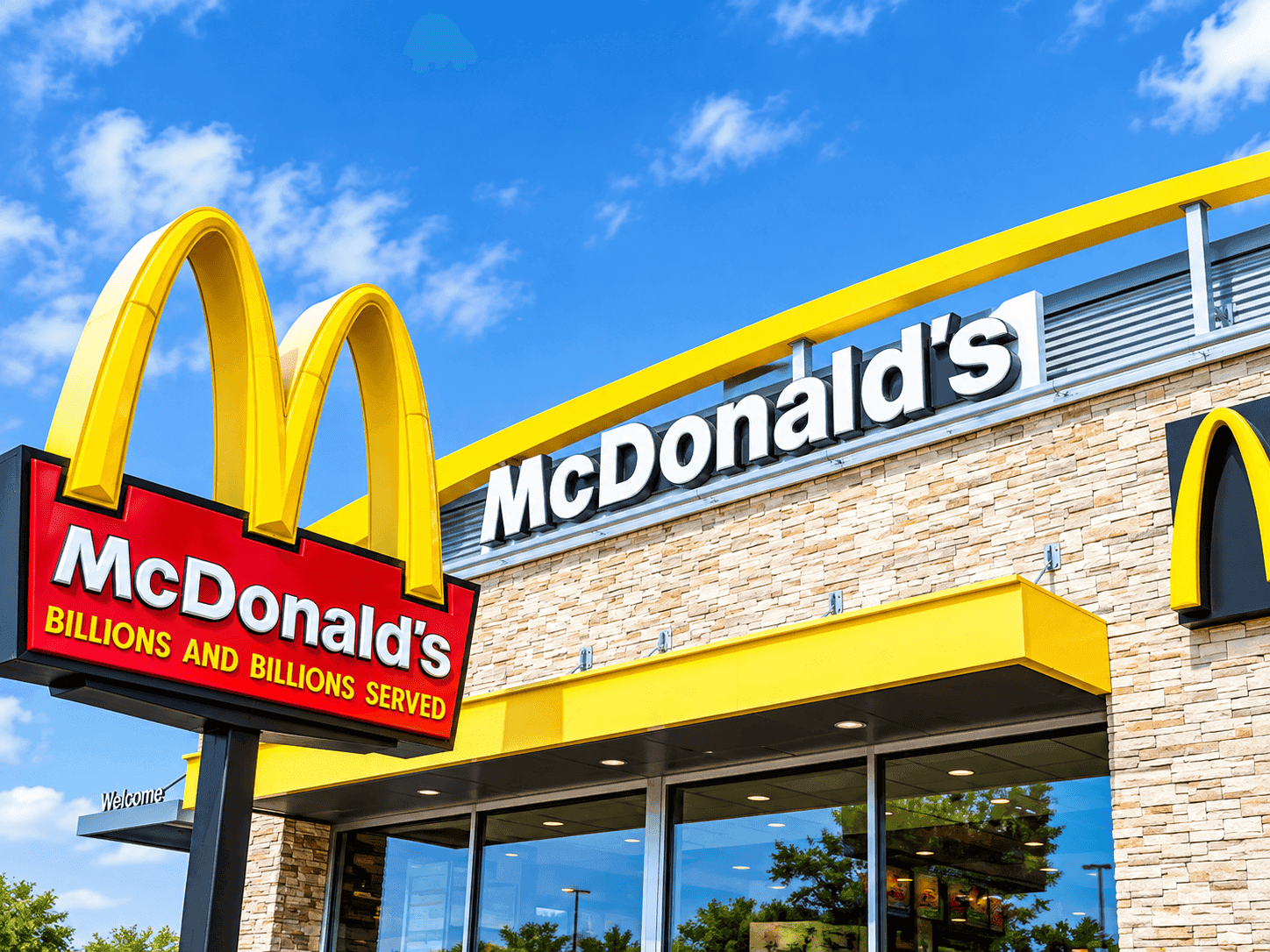
McDonald's commits $8.5 billion through 2036 to modernize restaurants, boost cash flow by $100,000 per store, and grow chicken and beverage sales.
Sep 23, 2026
WKS Restaurant Group promotes Jay Spongberg to president and COO after he helped grow the company from 65 to 382 restaurants over 16 years.
Sep 23, 2026

Smokey Mo's BBQ names Von Dawson, a Dine Brands veteran, as VP of Franchise Development to lead its Texas expansion strategy.
Sep 23, 2026
.png&w=3840&q=70)
Meritage Hospitality's Chapter 11 filing pulls 5% of Wendy's U.S. stores into bankruptcy, exposing cracks in franchising's bigger-is-safer bet.
Sep 21, 2026
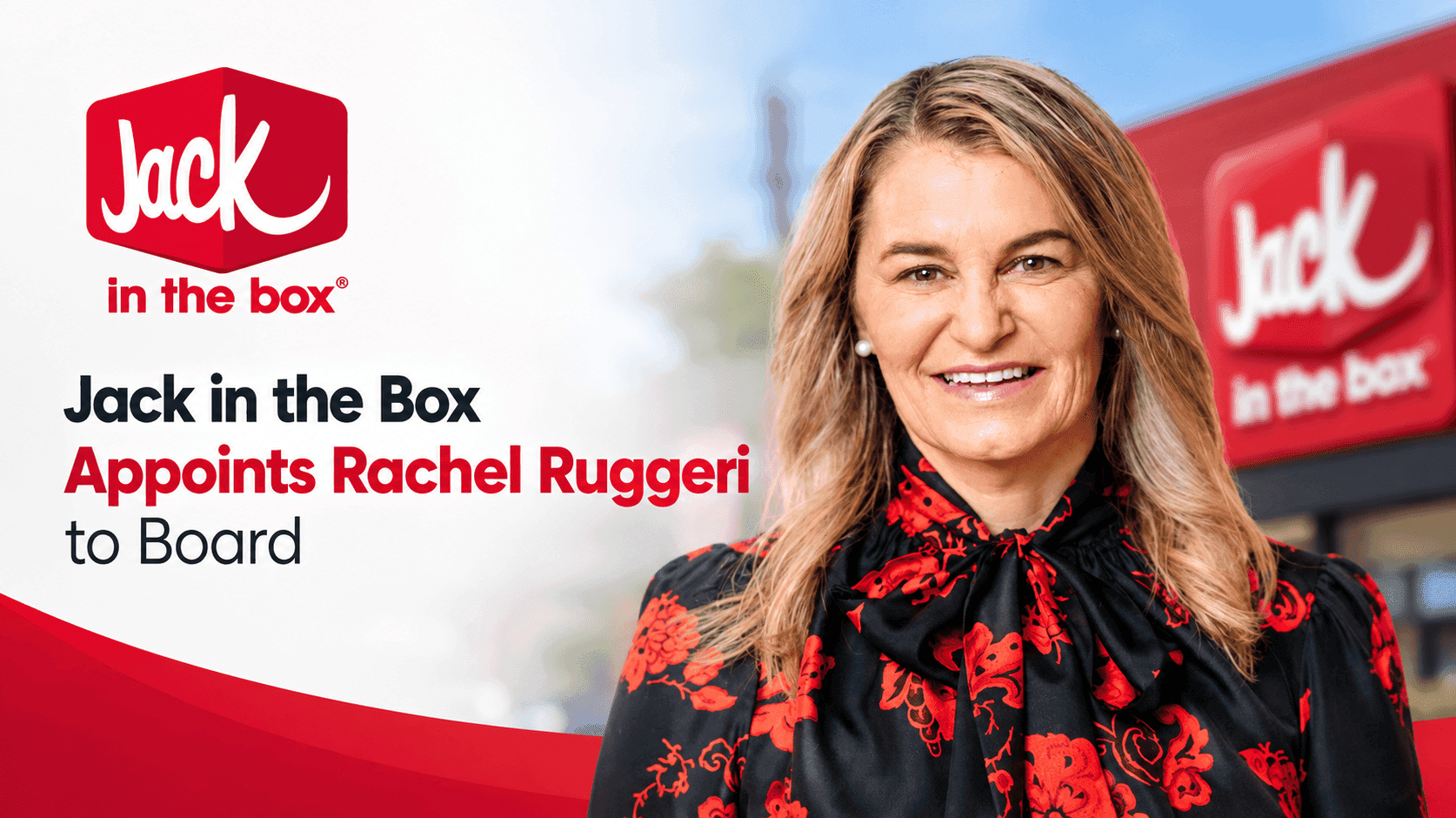
Jack in the Box names Rachel Ruggeri to its board as Michael Murphy retires, amid a CEO transition and deal with investor GreenWood.
Sep 21, 2026

Improve restaurant Google Maps rankings by optimizing your business profile, selecting accurate categories, gathering reviews, adding photos, and strengthening local relevance signals.
Sep 21, 2026

Restaurant inventory tracking helps owners monitor stock, control food costs, reduce waste, improve purchasing, and make informed operational decisions.
Sep 21, 2026

Restaurant owners can significantly reduce restaurant costs by leveraging technology across inventory, labor, procurement, forecasting, and administrative operations for better profit margins.
Sep 18, 2026

Understand how to forecast restaurant revenue and expenses with methods for sales projection, cost scaling, fixed-cost planning, and risk buffering.
Sep 18, 2026

Unlock Exclusive Access To Webinars, Events, And The Latest News For Free!
Chick-fil-A plans 20–25 restaurants in Puerto Rico by 2030, backed by QOZ incentives and a public-private partnership shaping community development.

Photo by Hybrid Storytellers
On July 2, 2024, Chick-fil-A announced a long‑term investment in Puerto Rico, planning to grow from five restaurants to 20–25 by 2030. The gesture read as a deliberate redefinition: a shift from a light footprint to a core market strategy. The language surrounding the move emphasized more than quarterly targets: it spoke of economic vitality and community ties stitched into a single, patient arc. In those terms, every planned storefront carries weight beyond the cash register, hinting at a crafted partnership with local life: a promise of jobs, training, and shared prosperity.
The expansion was framed with the cadence of a measured ascent, and it carried a clear outward sign: this is not simply about more locations, but about embedding a national brand into the island’s fabric. Chick-fil-A’s growth in Puerto Rico creates a tremendous opportunity not only for our business, but for economic development and local community impact across the Island. said Paul Trotti, Vice President for International at Chick-fil-A, Inc., rendering the announcement as a blend of enterprise and social purpose. The emphasis on community and employment suggested that the island’s future openings would be evaluated through a dual lens: market performance and civic benefit.
Puerto Rico’s incentives framework, embodied in the Puerto Rico Incentives Code of 2019 as Act 60-2019, designates large swathes of the island as qualified opportunity zones, where development can be accelerated through transferrable credits and streamlined permitting. Local officials have noted a concentration of QOZs, presenting a policy architecture aimed at redevelopment and job creation in communities still recovering from the storms of recent years. Secretary Manuel Cidre of the Department of Economic Development and Commerce described the partnership as a blend of private investment with public‑sector support, a union intended to deliver high‑quality products while fostering employment and social wellbeing.

The policy frame is not abstract theory. It is designed to channel capital into distressed or transitional zones while aligning private ambition with public redevelopment goals. In practical terms, the framework creates a pathway for projects that meet designated criteria to access incentives that may lubricate timelines and reduce friction in approvals. For Chick-fil-A, this means a clearer runway to site development, longer‑term employment, and deeper supplier relationships on the island. The alliance between incentives and redevelopment goals sits at the heart of the plan’s ambition.