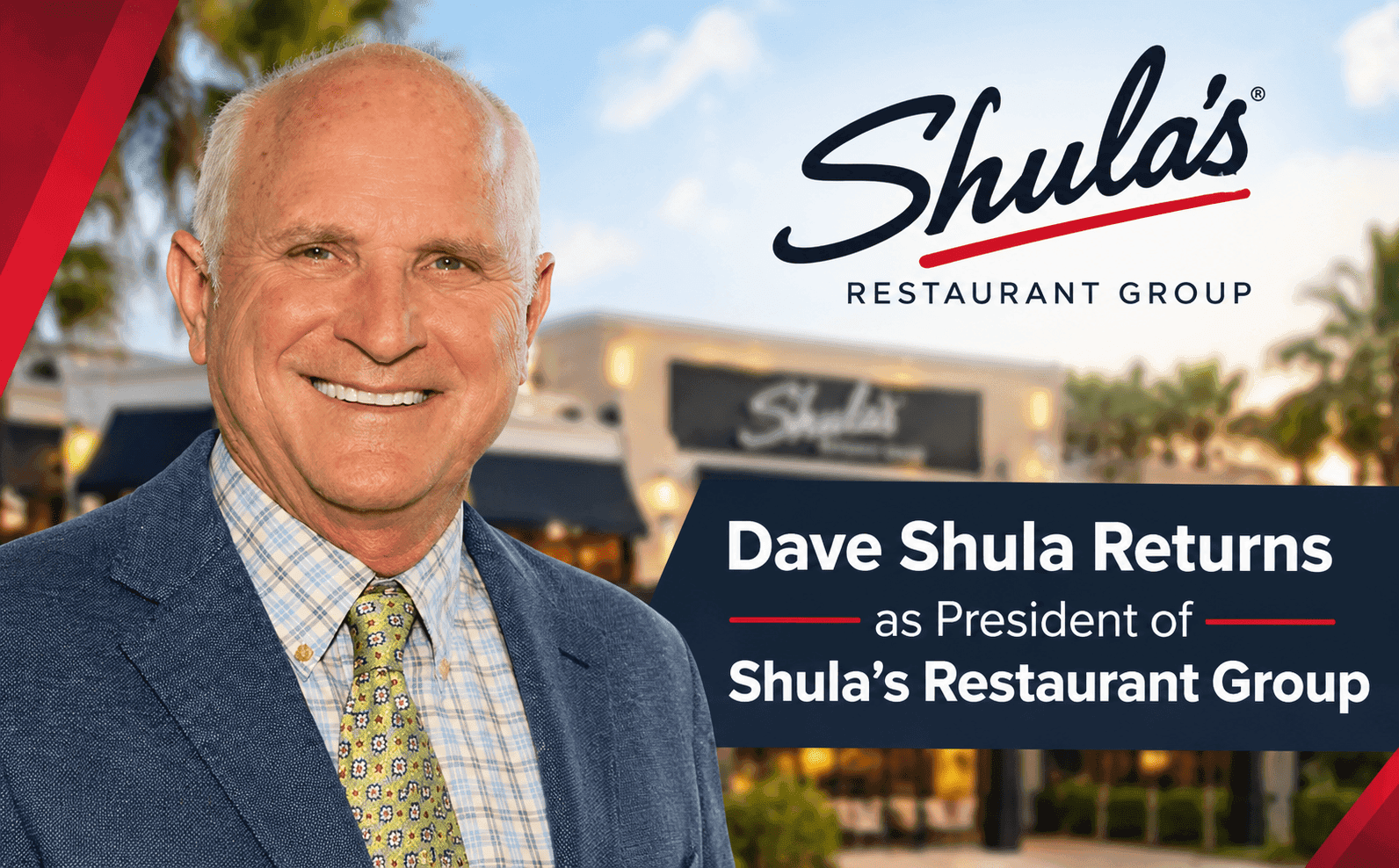
Dave Shula Returns as President of Shula's Restaurant Group
Dave Shula rejoins Shula's Restaurant Group as president, leading growth into Palm Beach Gardens and a 2027 Thomasville, Georgia expansion.
News
Sep 23, 2026
Dave Shula rejoins Shula's Restaurant Group as president, leading growth into Palm Beach Gardens and a 2027 Thomasville, Georgia expansion.
Sep 23, 2026
McDonald's commits $8.5 billion through 2036 to modernize restaurants, boost cash flow by $100,000 per store, and grow chicken and beverage sales.
Sep 23, 2026
WKS Restaurant Group promotes Jay Spongberg to president and COO after he helped grow the company from 65 to 382 restaurants over 16 years.
Sep 23, 2026

Smokey Mo's BBQ names Von Dawson, a Dine Brands veteran, as VP of Franchise Development to lead its Texas expansion strategy.
Sep 23, 2026
.png&w=3840&q=70)
Meritage Hospitality's Chapter 11 filing pulls 5% of Wendy's U.S. stores into bankruptcy, exposing cracks in franchising's bigger-is-safer bet.
Sep 21, 2026
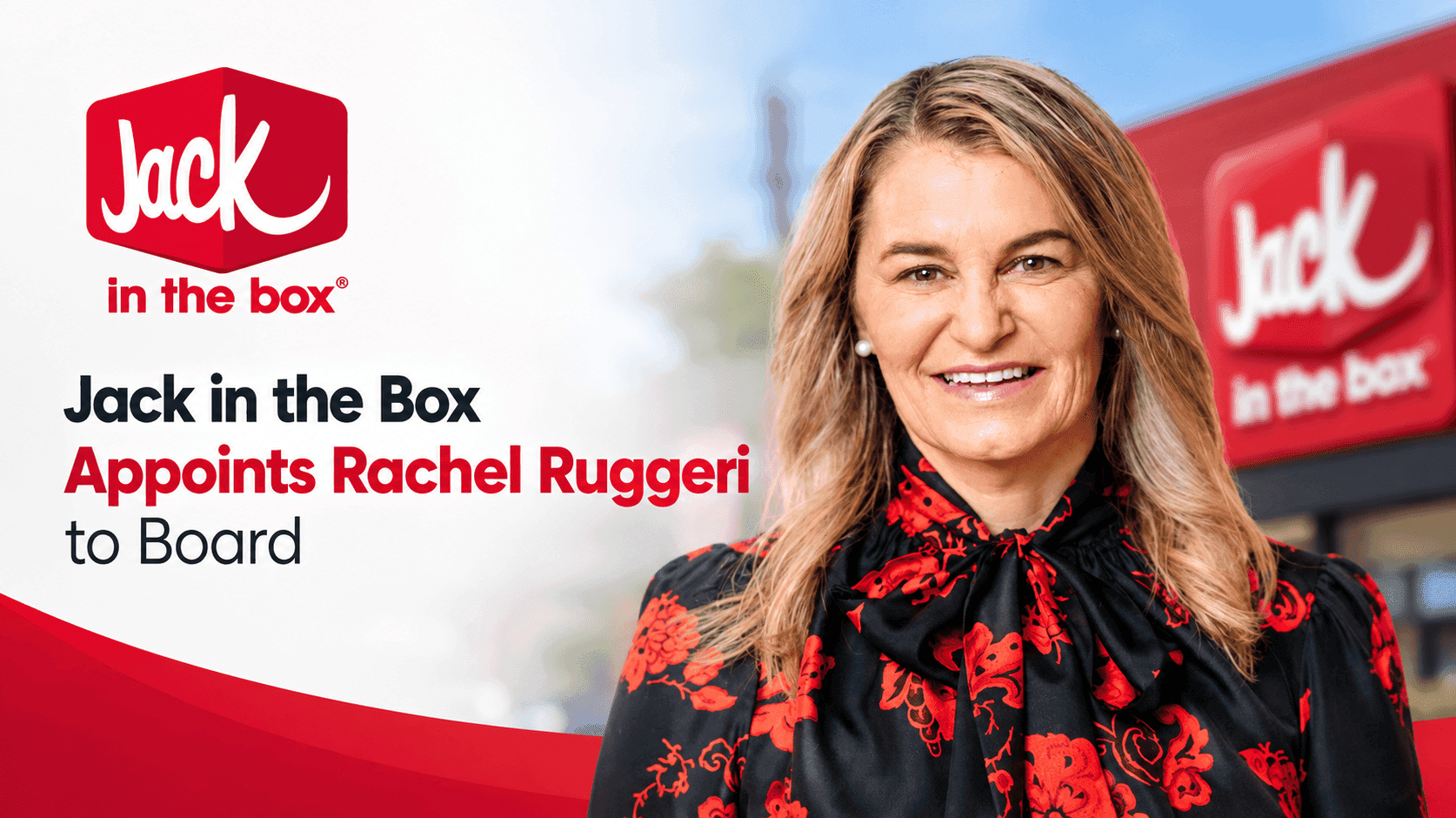
Jack in the Box names Rachel Ruggeri to its board as Michael Murphy retires, amid a CEO transition and deal with investor GreenWood.
Sep 21, 2026
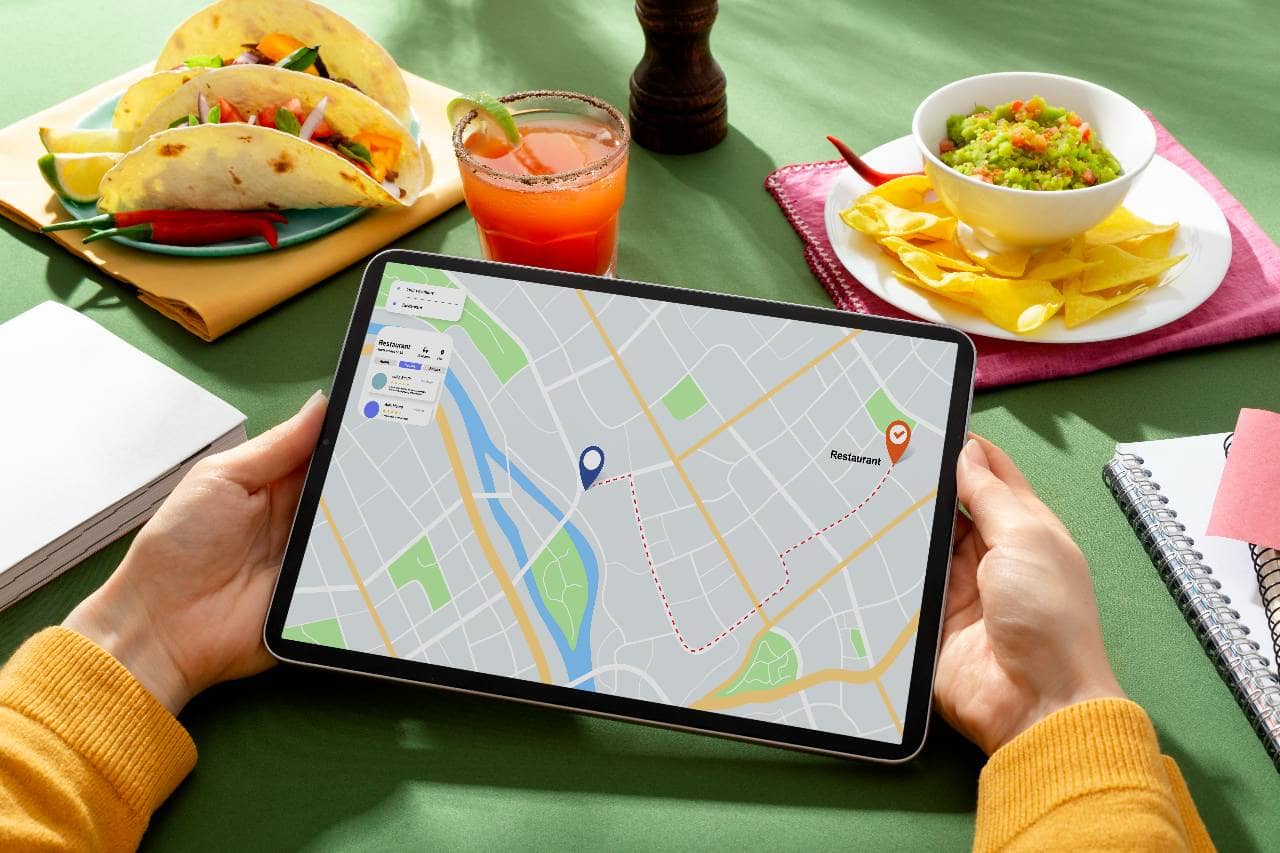
Improve restaurant Google Maps rankings by optimizing your business profile, selecting accurate categories, gathering reviews, adding photos, and strengthening local relevance signals.
Sep 21, 2026

Restaurant inventory tracking helps owners monitor stock, control food costs, reduce waste, improve purchasing, and make informed operational decisions.
Sep 21, 2026

Restaurant owners can significantly reduce restaurant costs by leveraging technology across inventory, labor, procurement, forecasting, and administrative operations for better profit margins.
Sep 18, 2026

Understand how to forecast restaurant revenue and expenses with methods for sales projection, cost scaling, fixed-cost planning, and risk buffering.
Sep 18, 2026

Unlock Exclusive Access To Webinars, Events, And The Latest News For Free!
McDonald's launches the Chicken Big Mac in the U.S. as a limited-time test to energize the core menu, probe sourcing, and gauge kitchen execution and marketing impact.
McDonald’s has staged a thoughtful, conversation-worthy move: roll out the Chicken Big Mac in the United States for a limited run, with nationwide availability beginning October 10, 2024. This is the first widely available chicken Big Mac in the U.S., following successful international tests, and it arrives as a deliberate energy boost for a mature menu. The item is positioned as a time-bound test to explore new sourcing and kitchen execution while reinforcing brand relevance in a crowded field. For diners, it’s a thoughtful invitation to try something familiar yet newly alive.
Mechanically, the Chicken Big Mac mirrors the classic Big Mac structure with two chicken patties layered with lettuce, cheese, pickles, and Big Mac sauce on a sesame-seed bun, assembled in the signature multi-layer format. The design leverages the Big Mac’s familiar flavor profile while offering a different protein base to appeal to diners seeking variety without straying from recognizable aesthetics. The rollout is described as a limited-time offer, with availability varying by store and region depending on supply-chain conditions. This approach mirrors McDonald’s broader practice of using limited-time offers to stress-test kitchen throughput, pricing, and marketing impact before determining longer-term commitments. Industry outlets summarized the product as a direct adaptation developed for U.S. menus after international testing, illustrating how McDonald’s translates cross-border hits into domestic experimentation. Food Network and Fortune highlight the sauce-forward architecture that has defined the Big Mac since 1968.
McDonald's frames this launch as part of a broader playbook to diversify limited-time offers and test consumer appetite for cross-category innovations. By leaning on international success to justify a US debut, leadership describes the item as a way to rekindle excitement around the core Big Mac platform while offering a distinct protein twist. Analysts note the objective is to protect share in a fiercely competitive field where brands rely on newness and social chatter to attract both new and lapsed diners. The timing, especially around weekend and weekday peaks, fits McDonald’s history of testing ideas before scaling.
Fortune notes the domestic arrival is a test of transferring an international concept to U.S. appetite. The idea is to drive incremental traffic, test operations, and gauge marketing resonance before deciding whether to scale, prune, or refresh. This approach reflects a deliberate pattern: use a high-profile, time-bound item to translate curiosity into visits that inform longer-term menu decisions.
What It Looks Like On The Menu: the Chicken Big Mac follows the familiar Big Mac blueprint, two patties of poultry, lettuce, cheese, pickles, and Big Mac sauce tucked inside a sesame-seed bun, assembled in the signature triple-layer format. The design leverages a recognizable aesthetic while offering a different protein base to attract diners seeking variety without losing the iconic silhouette.
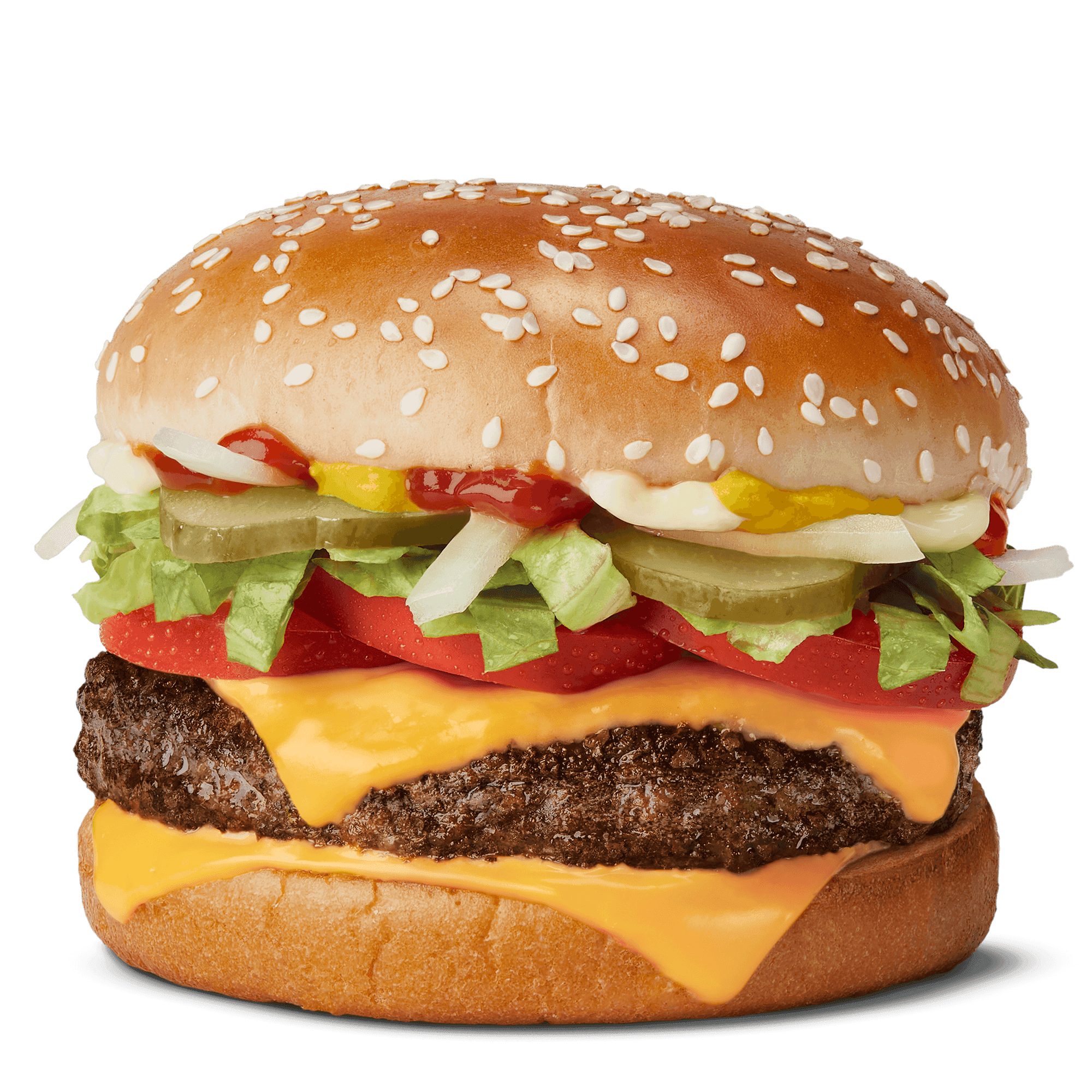
Availability and supply conditions determine where and when the sandwich appears, underscoring McDonald’s limited-time cadence. The approach mirrors a broader practice of stress-testing kitchen throughput, pricing, and marketing impact before committing to longer horizons. Industry commentary describes the adaptation as a direct translation of cross-border hits into U.S. experimentation.
A coordinated promotional push blends traditional media with social and influencer engagement. Official materials describe a nationwide rollout beginning Oct. 10, with McDonald’s aiming to build buzz through partnerships and real-time engagement. In one example, a prominent internet personality would participate in livestream tastings and share reactions, a tactic designed to accelerate awareness and social chatter. The combination of advertising and first-hand consumer reactions seeks to convert initial curiosity into visits during the limited window.
Industry coverage from PR Newswire and corroborating outlets frames the launch as a major, time-bound event designed to drive traffic during a crowded promotional cadence. The framing emphasizes a deliberate, traffic-forward objective: convert curiosity into visits within a defined window and study the marketing resonance as a predictor for future menu decisions.
Industry dynamics extend beyond flavor. This week the National Labor Relations Board officially upheld a ruling concerning former Starbucks CEO Howard Schultz’s remarks to a Starbucks employee, described as an implicit threat and coercive in the context of union activity. The decision signals regulators’ willingness to scrutinize executive speech and sanction statements that threaten workers’ rights to organize, a milestone echoed by SHRM as part of a broader enforcement trajectory.
Supply-chain fragility also colored the week, with Subway in Atlanta reporting operational disruption after a distributor failed to deliver for an extended period. Several locations closed temporarily as operators sought alternatives, a reminder of how supply chains can shape brand perception even amid robust store counts. Industry coverage from Restaurant Business highlights the fallout and the need for contingency planning as the market navigates promotions and logistics in parallel.
Wider industry context points to ongoing unionization efforts and regulator scrutiny as central themes for operators. Taken together with bold menu experimentation, the narrative suggests that outcomes hinge on how firms align product innovation with workforce governance and supply-chain resilience. The U.S. Chamber of Commerce notes labor and union dynamics have become a central talking point for many operators, underscoring the need for transparent, thoughtful communications and robust operational planning. The Chicken Big Mac’s U.S. run, whether extended or concluded on schedule, will be read as a litmus test for durable gains in a competitive, labor-conscious landscape.
