
8 Steps in the Restaurant Payroll Process
Learn the eight essential steps of the restaurant payroll process, from tracking hours and calculating wages to payments and recordkeeping.
Payroll
Aug 17, 2026
Learn the eight essential steps of the restaurant payroll process, from tracking hours and calculating wages to payments and recordkeeping.
Aug 17, 2026
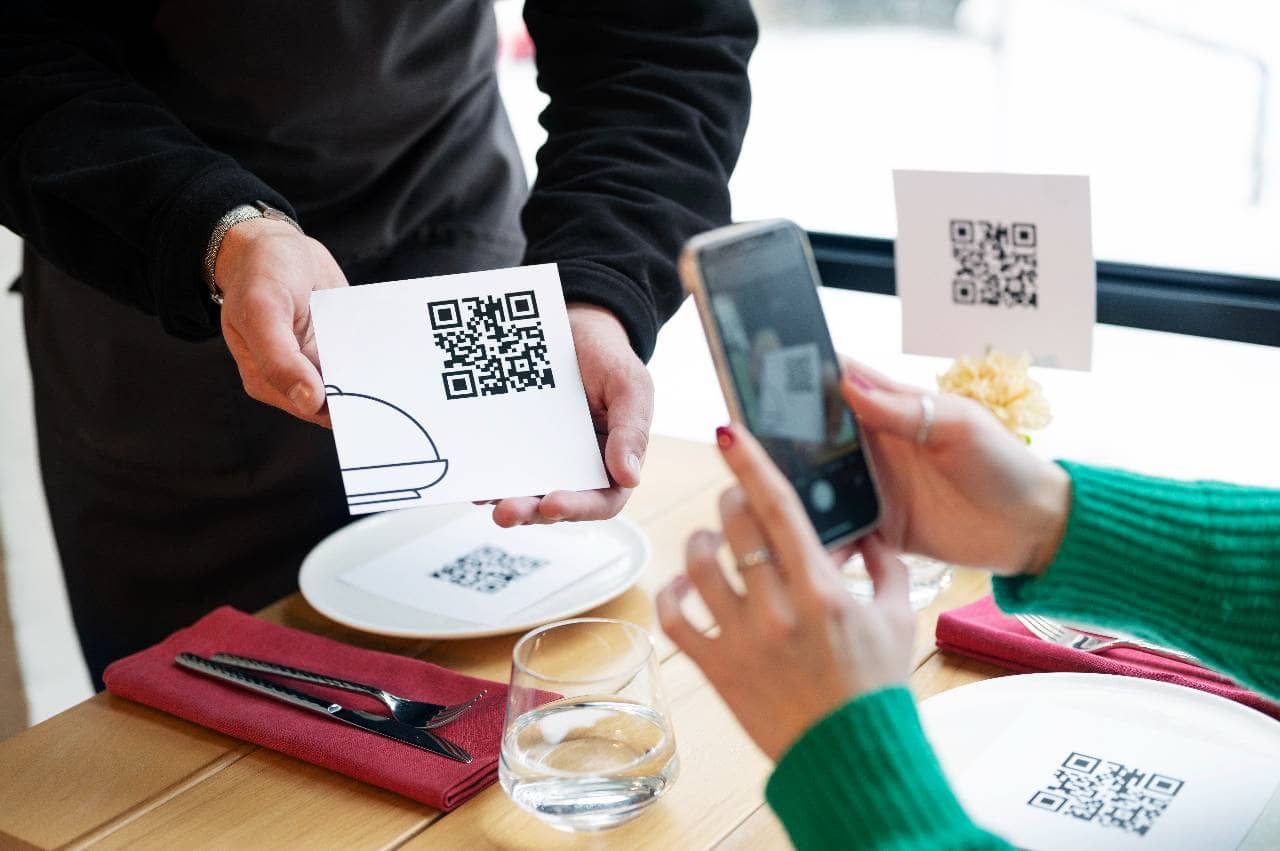
Explore the main types of ordering technology restaurants use to improve accuracy, speed, payments, customer convenience, and operational efficiency daily.
Aug 17, 2026
Panera Bread welcomes Andrew Rebhun as its new CMO to spearhead strategic brand growth and transformation, bolstering its vision for 2028.
Aug 17, 2026
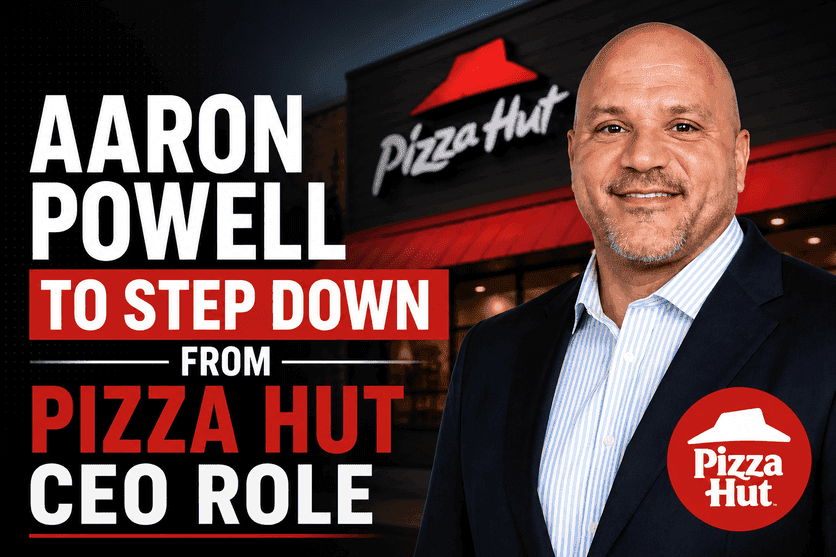
The transition of Pizza Hut's CEO, Aaron Powell, marks a pivotal moment for the chain and offers valuable leadership lessons for restaurant owners. Here’s what this executive change could mean for your business.
Aug 17, 2026
Discover how restaurant SMS marketing works, from building subscriber lists and creating campaigns to improving engagement and measuring marketing performance.
Aug 14, 2026
Learn how to manage cash flow in your restaurant by tracking finances, controlling costs, forecasting needs, and building cash reserves.
Aug 14, 2026
Increase online orders by simplifying checkout, optimizing menus, improving Google visibility, promoting ordering channels, and encouraging customers to order again.
Aug 12, 2026
Streamline restaurant back office operations by standardizing workflows, automating repetitive tasks, integrating systems, centralizing data, and improving accountability and efficiency.
Aug 12, 2026
Freddy’s Frozen Custard & Steakburgers promotes Rick Petralia to Executive Chef & VP of Training & Innovation, signaling a strategic focus on culinary excellence and franchisee support.
Aug 12, 2026
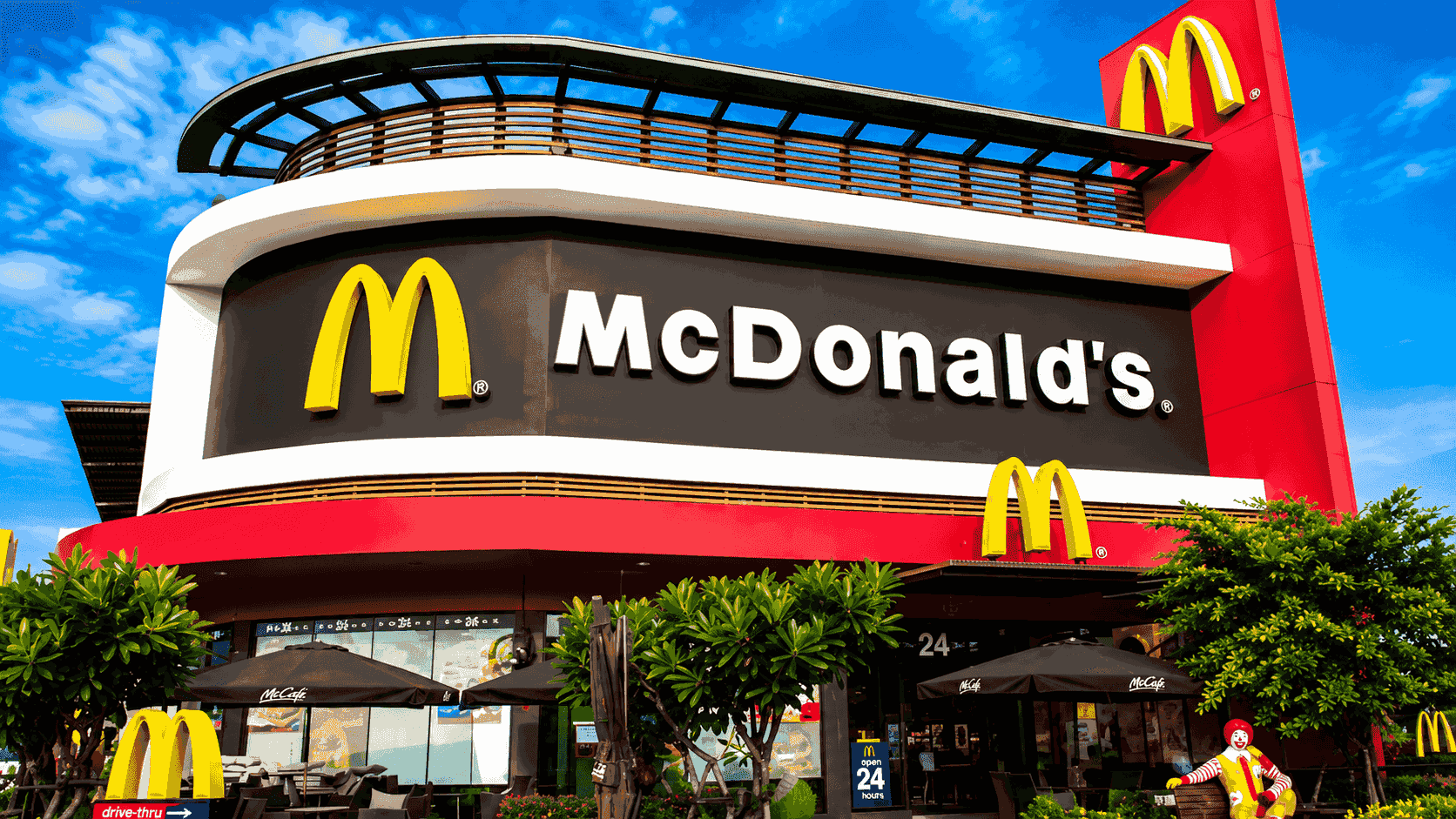
McDonald’s USA has appointed Patrick Gerber as chief restaurant officer, leveraging his decades of global experience to boost operations, food quality, and customer satisfaction in the U.S. market.
Aug 11, 2026

Unlock Exclusive Access To Webinars, Events, And The Latest News For Free!
Cold, caffeinated, and custom beverages are powering restaurant traffic as brands scale energy platforms, mocktails, and functional drinks across drive-thru and digital.

Photo by Valentina Tamayo
The restaurant beverage category is riding a strong upswing after a standout 2025. The center of gravity has moved to cold, customized, and shareable formats engineered for repeat visits. Think refreshers, cold brew coffees, frozen blends, and teas, often caffeinated, sugary, and built to look good on camera. Mark Wasilefsky, head of restaurant franchise finance at TD Bank, puts a fine point on it: “caffeinated beverages are driving much of the ongoing beverage boom,” with brands like Dunkin’ rolling out new suites of cold caffeinated options to meet the moment. The formats fit today’s operating model. They scale with drive‑thrus and digital ordering. They invite personalization and social posts. They give operators broader daypart coverage with low friction, high frequency, and less reliance on food attachment. When a drink becomes the reason to stop, you don’t need a heavy meal to justify the visit. That’s the traffic engine. Analysis: The core dynamic is durable: caffeine-forward, visually striking, cold drinks are now a primary demand driver, supplying reliable visit occasions that are easy to produce and easy to market.
Operators have locked onto a simple formula, sensory pop, caffeine lift, and visual excitement, wrapped in customizable, shareable beverages that travel well online. That mix has expanded purchase occasions and pulled in multiple demographics. It’s an experience as much as a product, tailored for discovery and repetition. Analysts at William Blair note that beverage categories have helped insulate fast‑food chains when discretionary spending tightens. Lower‑income and younger diners stayed loyal to beverage-led brands even as some food‑centric players lost steam. Meanwhile, Starbucks fine-tunes its in‑store ambiance, proving that experience can elevate beverage‑only traffic when the product and the setting reinforce each other. Analysis: Demand is not just about flavor; it’s about format shareability and experience design that extend across dayparts and keep value‑sensitive guests engaged.
Menu development now orbits around cold platforms, refreshers, cold brew, frozen blends, and teas, plus eye‑catching off‑menu ideas like Frozen Fuel that trigger online buzz and in‑store trial. Wasilefsky frames the mechanics succinctly: “the way you deliver the caffeine is expanding in many, many different directions,” with 2026 shaping up as a landmark year for energy drink platforms. Execution spans channels. Wendy’s has added energy drink options to its Coke Freestyle machines, slotting caffeine variety right into a familiar self‑serve ritual. Panera carved out a new energy refresher category in October 2025, stitching caffeinated choices into mainstream quick‑service ordering. These moves lean on modular builds, syrups, bases, colors, textures, that flip quickly from LTOs to permanent fixtures without retraining a kitchen from scratch. Analysis: The operational shift favors ingredient‑modular systems that rapidly spawn novelty while covering core caffeine needs, an efficient way to stoke frequency without bloating complexity.
Iconic brands are hardwiring beverage innovation into their identities. Chick‑fil‑A put Frosted Sodas and Floats on the permanent menu beginning “January 5, 2026,” blending or layering its Icedream vanilla soft serve with fountain standards, Coca‑Cola, Dr Pepper, Sprite, Fanta, Powerade, Hi‑C, and Barq’s Root Beer. The rollout ties into the “Newstalgia” 80th‑anniversary push with retro packaging, collectible cups, and sweepstakes offering “free Chick‑fil‑A for a year to 3,000 lucky recipients,” a tight product‑plus‑storytelling play. Dairy Queen answers with two platforms in February 2026. DQ Sparklers bring fizzy sparkling‑water refreshment in Lemonade and Pineapple Lemonade with a Tajín twist. DQ Coolers merge signature soft serve with Misty Slush, a creamy blended treat with obvious warm‑weather appeal. Early fan chatter frames the Lemonade Sparkler and a Blizzard as “perfect” together, an endorsement of cross‑category pairing that sells occasions, not just items. Analysis: These brands translate soft‑serve equity into social‑ready cold platforms, pointing to incremental beverage‑only and treat‑driven traffic that syncs with their heritage and merchandising muscle.
Beverage stalwarts are flashing green lights. In Q1 2026, Coca‑Cola posted a “1%” rise in North American unit case volume, with “notable gains in Coca‑Cola Zero Sugar (up 13%),” and firmer demand in coffee, tea, and sports drinks. By contrast, “traditional juice and dairy continue to languish.” Coke’s emphasis on multiple price points and sizes, paired with innovation under new leadership, supports the same cold‑forward, functional cadence that restaurants are chasing. Taco Bell’s ambition is explicit: a “$5 billion” beverage system sales target by 2030. The chain is expanding its Live Más Café concept to “30” locations in 2026, stocking “more than 30” drink options, caffeinated refrescas, Rockstar‑based beverages, churro‑chasers, and “Dirty Baja” creamy Baja Blast riffs. On the performance side, the spread is clear in Q3 2025 comps: Dutch Bros up “5.7%,” Black Rock Coffee up “10.8%,” and Sweetgreen down “9.5%,” while Starbucks keeps tuning atmosphere to capture beverage‑only visits. Analysis: Near‑term volume gains and long‑term targets line up around a single thesis, cold, functional, caffeine‑capable beverages can scale, and brands with beverage‑centric DNA are outpacing food‑first players.

Energy platforms are growing faster than traditional coffee formats, widening the on‑ramp to caffeine beyond bitter brews. At Black Rock Coffee, the Fuel energy platform accounts for around “20%” of mix, and Frozen Fuel, a Slurpee‑style energy drink, has lifted energy’s share to “24%,” even as coffee still holds “55%” of sales (“down from 60%”). Crucially, these gains have not cannibalized coffee; same‑store sales and unit volumes are climbing, signaling that energy adds occasions rather than reshuffling existing ones. The access points keep multiplying. Placer.ai’s RJ Hottovy links the rise of emerging beverage brands in restaurants partly to energy’s proliferation. Wendy’s Freestyle energy options and Panera’s energy refresher category extend caffeine choice inside familiar footprints. Alongside this, premium non‑alcoholic momentum is building. William Blair’s Sharon Zackfia expects operators to lean into sober‑curious, premium innovation in 2026 as alcohol wanes. Examples show the breadth: Fogo de Chão introduced low‑proof options in 2023; Angry Crab Shack serves non‑alcoholic takes on popular cocktails; Red Lobster runs a mocktail menu; and Peet’s Coffee featured cocktail‑inspired seasonal drinks in 2024. Functionality is the next layer. Perricone Farms’ Ashley Lam highlights elevated mocktails with recognizable, healthy ingredients, tangerine, pineapple, beet, kale, and points to protein milk introductions at value players, “such as at Dunkin’ in early 2026,” as proof of functional appeal. The caution is clear: function only works when the flavor is there and the ingredients read as credible. Analysis: Energy, mocktails, and functional add three distinct growth lanes, caffeine flexibility, alcohol‑free indulgence, and wellness signaling, without eroding core coffee routines.

Even with momentum, key details sit offstage. The data on profitability and per‑item margins for these beverage platforms aren’t disclosed here. Chain‑specific adoption beyond a handful of comps and mix figures remains thin. Broader economic or regulatory pressures on beverages are acknowledged but not mapped to costs or outcomes. Black Rock Coffee’s report of no cannibalization from energy to coffee is encouraging, but parallel impacts at other brands aren’t provided. For the biggest QSR debuts, Chick‑fil‑A’s Frosted Sodas and Floats, Dairy Queen’s Sparklers and Coolers, there are no post‑launch sales reads beyond early fans calling certain pairings “perfect.” The narrative is firm. The ledger is unfinished. Analysis: Treat the growth story as promising but incomplete; topline markers point up while margin contribution, basket attachment, and policy effects await clearer signals.

The road ahead favors brands that can scale cold, customizable, and camera‑ready beverages, then round them out with mocktails and functional options that justify more visits. Wasilefsky’s view that “caffeinated beverages are driving much of the ongoing beverage boom” dovetails with his projection that 2026 will be pivotal for energy platforms. It matches how operators deploy drive‑thru and digital to move high‑frequency drinks with minimal friction. The market is already shaping its scoreboard. Taco Bell’s “$5 billion” beverage goal by 2030, combined with immediate expansions at Chick‑fil‑A and Dairy Queen, shows confidence in beverage‑led positioning. Coca‑Cola’s Q1 2026 North American unit case volume rising “1%,” and Coca‑Cola Zero Sugar up “13%,” align with a cold‑forward, functional arc. Brands that deliver craveable flavor with credible function, and make the drink look as good as it tastes, will keep guests coming back without needing a full meal to close the sale. Lesson: Build modular cold platforms that delight the eye, deliver a clear benefit, and travel through drive‑thru and digital with ease; that mix sustains frequency and resilience across economic cycles. Analysis: The winners will standardize visually compelling, flavorful drinks that carry real utility, locking in repeat traffic while the category’s finer economics come into focus.