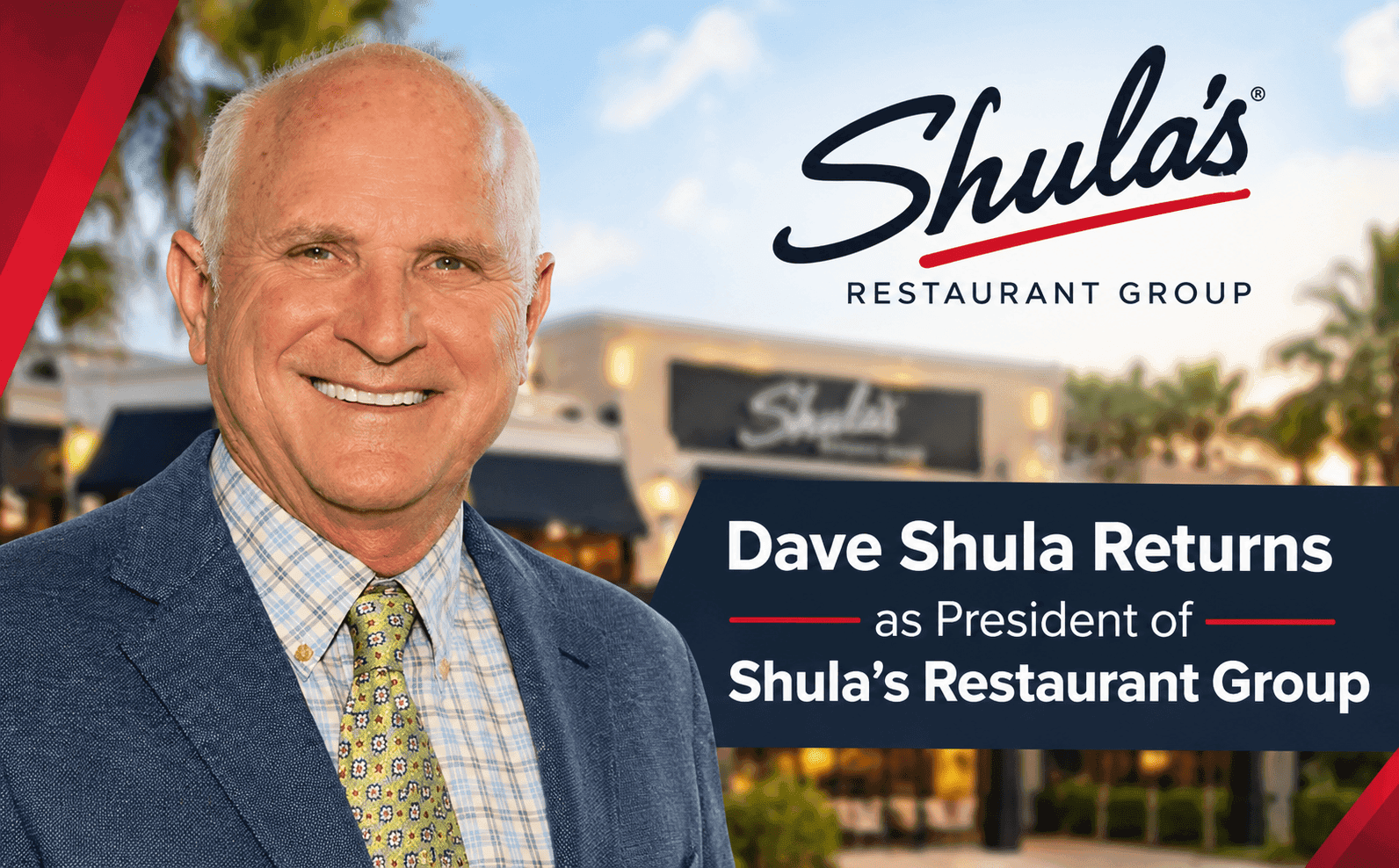
Dave Shula Returns as President of Shula's Restaurant Group
Dave Shula rejoins Shula's Restaurant Group as president, leading growth into Palm Beach Gardens and a 2027 Thomasville, Georgia expansion.
News
Sep 23, 2026
Dave Shula rejoins Shula's Restaurant Group as president, leading growth into Palm Beach Gardens and a 2027 Thomasville, Georgia expansion.
Sep 23, 2026
McDonald's commits $8.5 billion through 2036 to modernize restaurants, boost cash flow by $100,000 per store, and grow chicken and beverage sales.
Sep 23, 2026
WKS Restaurant Group promotes Jay Spongberg to president and COO after he helped grow the company from 65 to 382 restaurants over 16 years.
Sep 23, 2026

Smokey Mo's BBQ names Von Dawson, a Dine Brands veteran, as VP of Franchise Development to lead its Texas expansion strategy.
Sep 23, 2026
.png&w=3840&q=70)
Meritage Hospitality's Chapter 11 filing pulls 5% of Wendy's U.S. stores into bankruptcy, exposing cracks in franchising's bigger-is-safer bet.
Sep 21, 2026
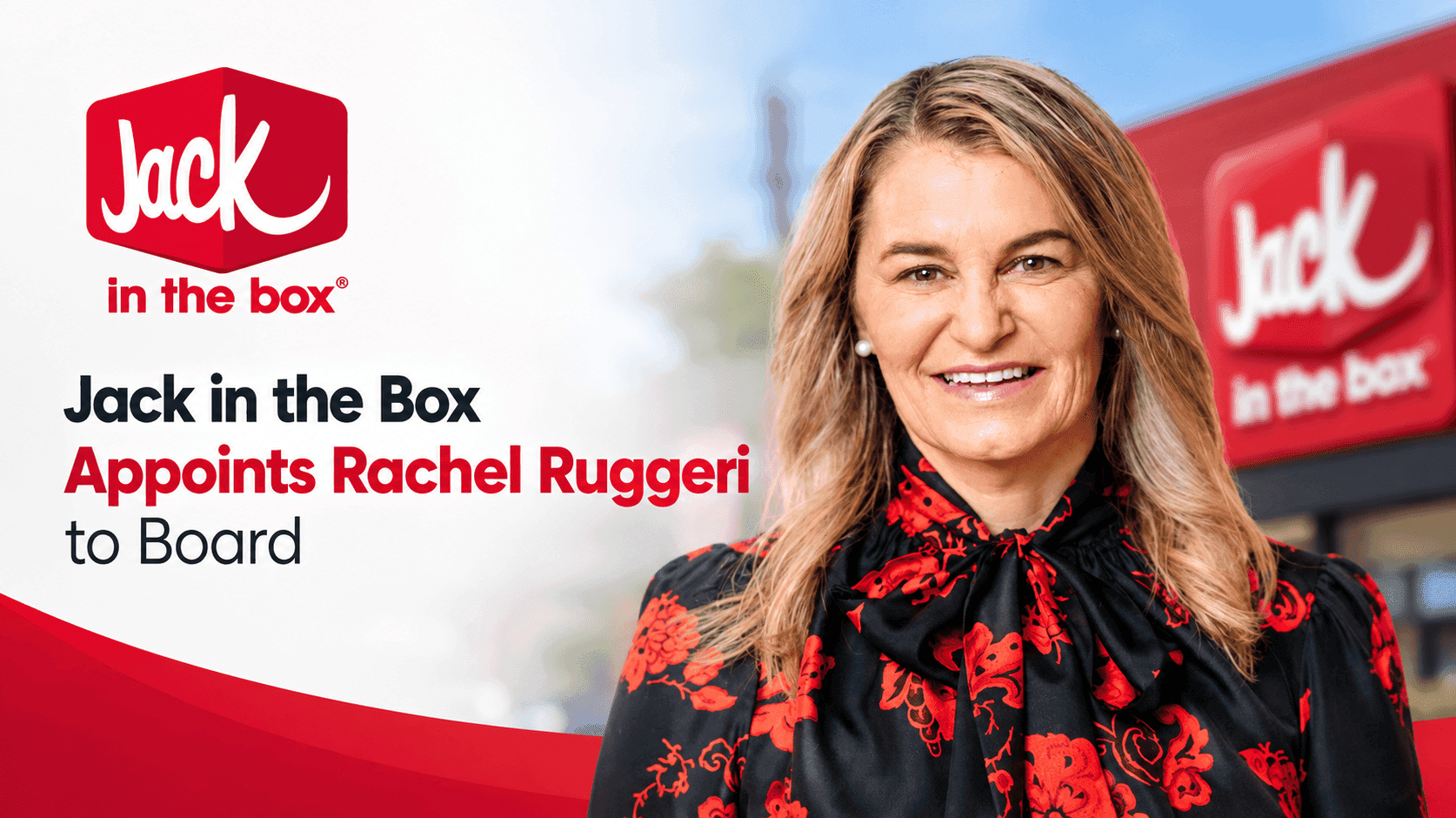
Jack in the Box names Rachel Ruggeri to its board as Michael Murphy retires, amid a CEO transition and deal with investor GreenWood.
Sep 21, 2026
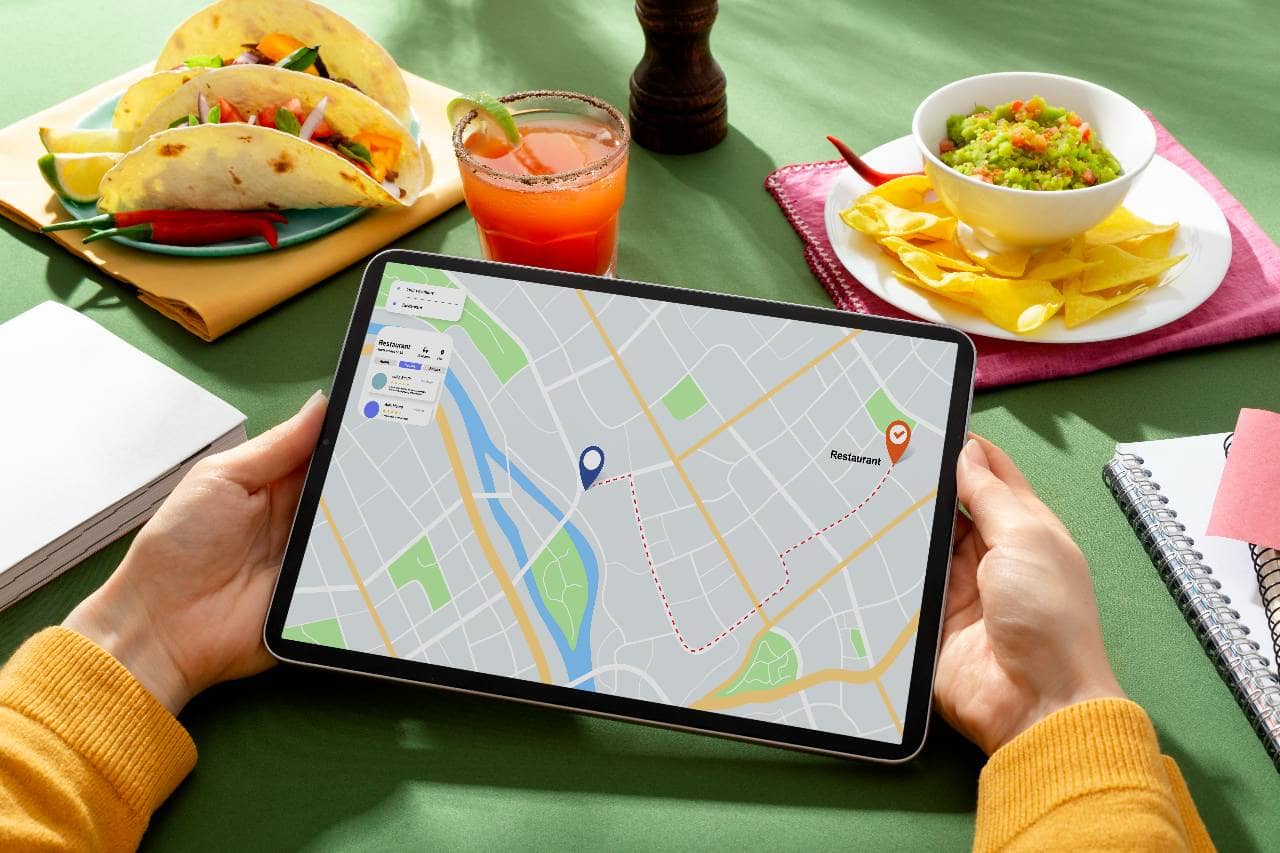
Improve restaurant Google Maps rankings by optimizing your business profile, selecting accurate categories, gathering reviews, adding photos, and strengthening local relevance signals.
Sep 21, 2026

Restaurant inventory tracking helps owners monitor stock, control food costs, reduce waste, improve purchasing, and make informed operational decisions.
Sep 21, 2026

Restaurant owners can significantly reduce restaurant costs by leveraging technology across inventory, labor, procurement, forecasting, and administrative operations for better profit margins.
Sep 18, 2026

Understand how to forecast restaurant revenue and expenses with methods for sales projection, cost scaling, fixed-cost planning, and risk buffering.
Sep 18, 2026

Unlock Exclusive Access To Webinars, Events, And The Latest News For Free!
There is definitely a danger zone food safety that exists in regards to cooking at a restaurant or at home. Many cooks don't know or are not aware of this but after this article, they will be.
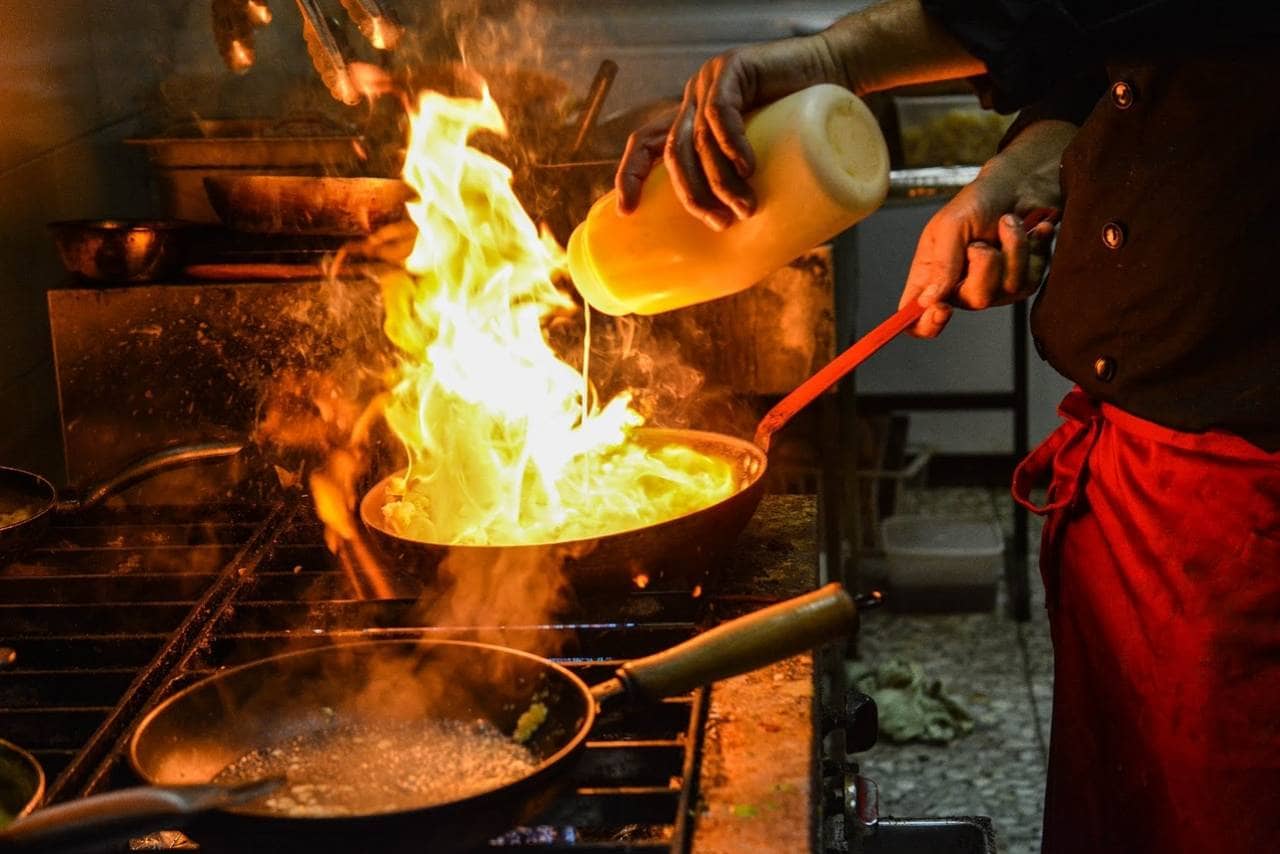
Apart from fragrant spices and correct technique, time and temperature are the two secret ingredients behind your favorite dish! Temperature range can determine the taste and texture of your food. Consuming partially cooked food can cause you food poisoning and other foodborne illness . Storing food at the safe temperature is equally important. The Centres for Disease Control and Prevention has specified temperature range between 40 to 140Faahrenheit as the temperature danger zone . Storing food in the danger zone can spoil your food. Bacteria like Salmonella, E-coli and Listeria starts growing on your food, when stored between 40 to 140 Fahrenheit. In fact, bacterial growth doubles in as little as 20 minutes in this temperature range , warn experts. And the longer the food stays in the danger zone, the harmful amount of bacteria it attracts.
Food safety agencies of United States such as Centres for Disease Control and Prevention , Food Safety and Inspection Services (FSIS) started using temperature danger zone ' in their advisories. They listed safe temperature for cooking variety of meats and seafood , in addition to ideal storage temperature . These food safety organizations specifically warned to not consume food if it is left for more than two hours in this danger zone .
There are foods which either have low acidity or high moisture content and due to which they are more susceptible to bacterial growth , especially when kept at room temperature. These are called Time temperature control safety foods or TCS food. Since they are more prone to bacterial growth , they are treated differently than the non-TCS foods-- foods which have enough acidic content or low moisture to protect themselves. These foods should not be left at temperature danger zone for more than a certain period of time, otherwise they will turn bad. And by chance, if consumed, these can cause foodborne illness . Following are the high risk Time temperature control safety foods (TCS foods) that need close monitoring- Milk and dairy products Meat and poultry Fish, shellfish, and crustaceans Shell eggs Baked potatoes Cooked rice, beans, and vegetables Tofu, soy protein, or other plant-based meat alternatives Sprouts and sprout seeds Cut tomatoes, melons, and leafy greens Untreated garlic and oil mixtures

In case of hot foods , once the food is cooked to the ideal internal temperaturewhich can vary from dish to dish, it is important to maintain its hot holding temperature . To keep food safe , experts suggests 140 Fahrenheit as the appropriate hot holding temperature . Experts suggest not to use hot holding equipment to heat food. Heat food to the safe temperature before holding as hot holding equipment is designed to maintain the internal temperature of the hot food and not heat them. Get rid of any hot food that has been stored below 140 Fahrenheit for more than four hours. Similarly, the cold holding temperature is 40Farenheit or below. This means once your cold foods are chilled to the safe internal temperature , make sure to store them 40Farenheit or below to prevent bacterial growth . Make sure that the cold holding temperature of your cold foods equipment is not more than 40 or more or else it will become unfit for consumption. Any cold food refrigerated at or below 40 Fahrenheit remains fresh for 6 hours from the time it was taken out. It is suggested to check the temperature range of cold foods every two hours. In case, the temperature of the cold food rises to or above 70 Fahrenheit, discard it immediately. Consumption of such food can lead to foodborne illness and food poisoning . Food experts advise that salad bars and refrigerator should maintain a safe temperature of 40 Fahrenheit or lower to keep Food Safe .