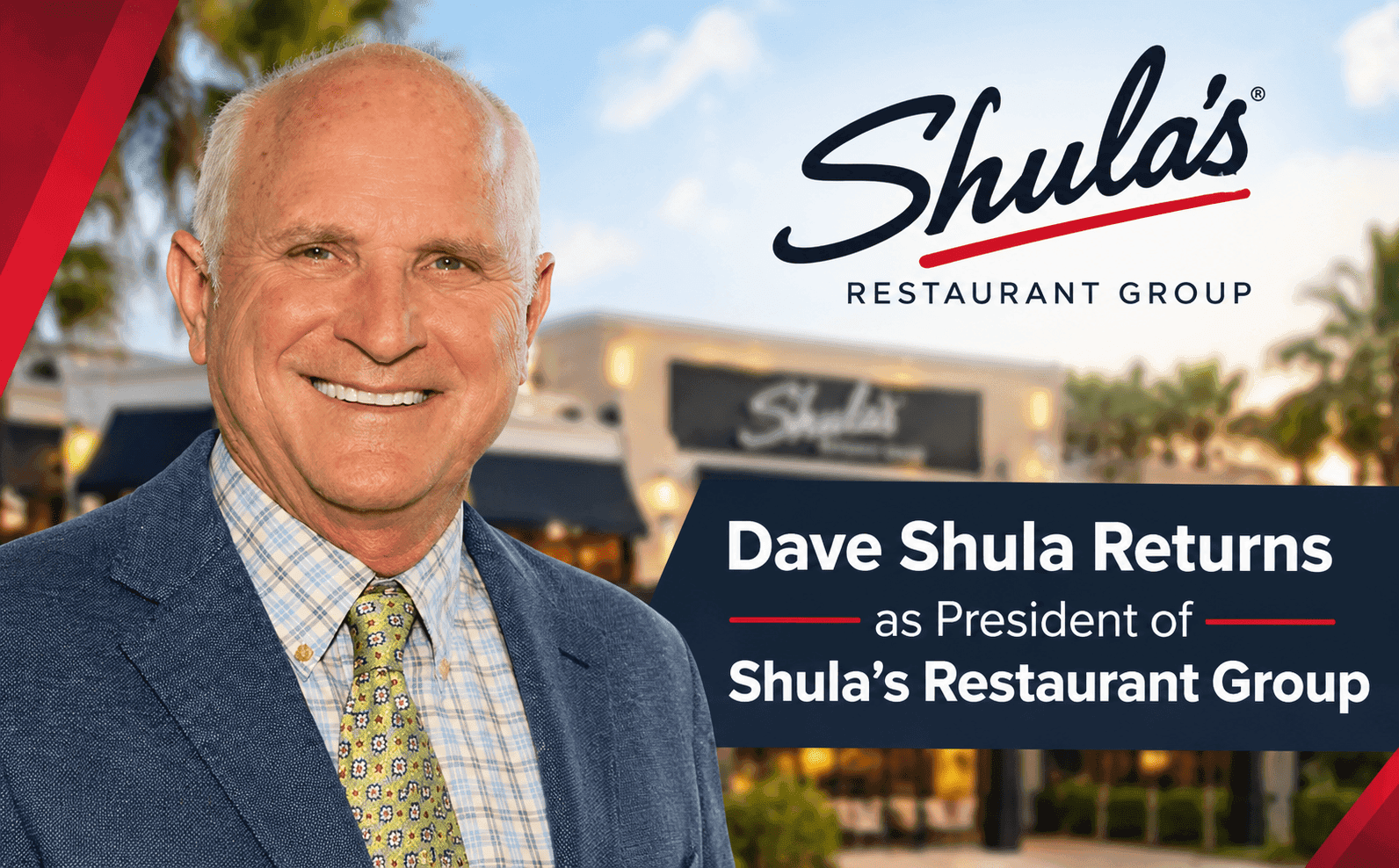
Dave Shula Returns as President of Shula's Restaurant Group
Dave Shula rejoins Shula's Restaurant Group as president, leading growth into Palm Beach Gardens and a 2027 Thomasville, Georgia expansion.
News
Sep 23, 2026
Dave Shula rejoins Shula's Restaurant Group as president, leading growth into Palm Beach Gardens and a 2027 Thomasville, Georgia expansion.
Sep 23, 2026
McDonald's commits $8.5 billion through 2036 to modernize restaurants, boost cash flow by $100,000 per store, and grow chicken and beverage sales.
Sep 23, 2026
WKS Restaurant Group promotes Jay Spongberg to president and COO after he helped grow the company from 65 to 382 restaurants over 16 years.
Sep 23, 2026

Smokey Mo's BBQ names Von Dawson, a Dine Brands veteran, as VP of Franchise Development to lead its Texas expansion strategy.
Sep 23, 2026
.png&w=3840&q=70)
Meritage Hospitality's Chapter 11 filing pulls 5% of Wendy's U.S. stores into bankruptcy, exposing cracks in franchising's bigger-is-safer bet.
Sep 21, 2026

Jack in the Box names Rachel Ruggeri to its board as Michael Murphy retires, amid a CEO transition and deal with investor GreenWood.
Sep 21, 2026
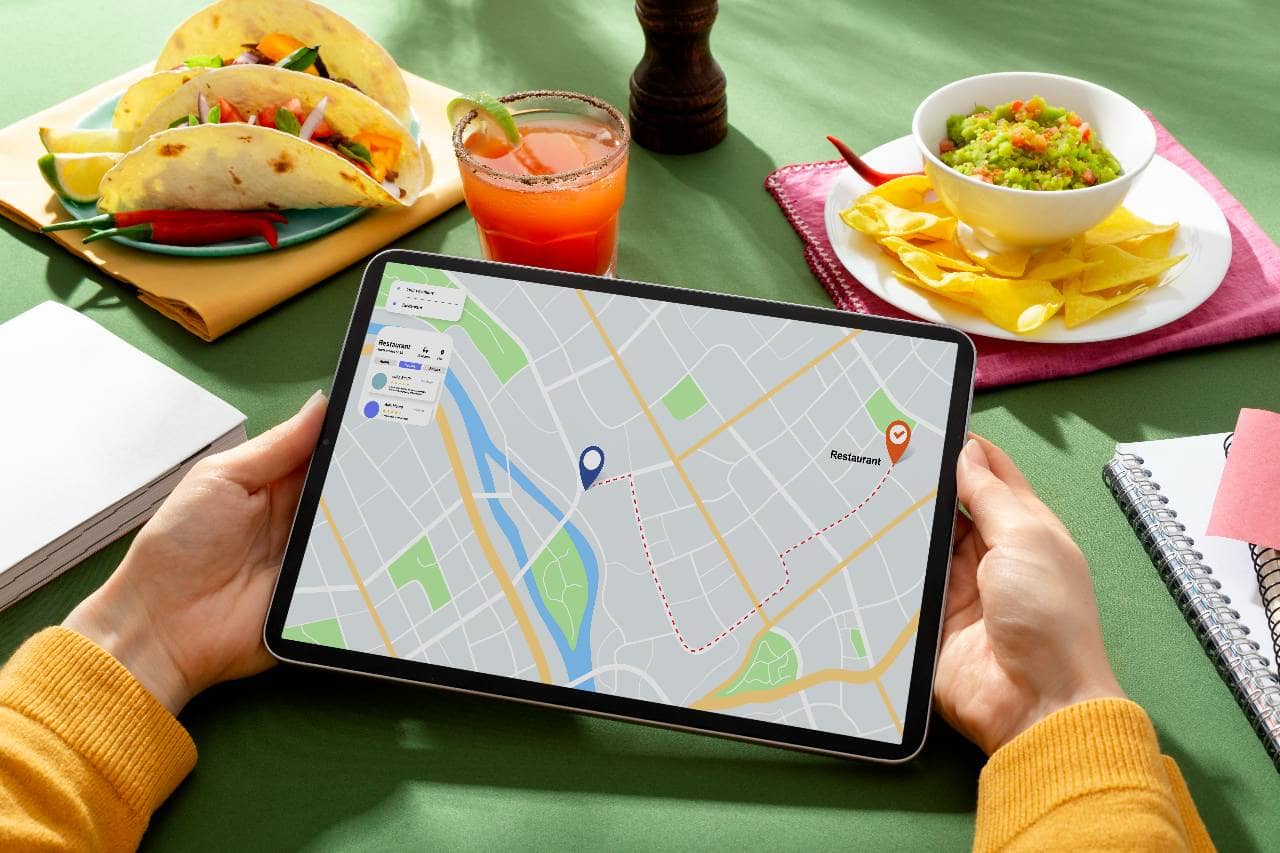
Improve restaurant Google Maps rankings by optimizing your business profile, selecting accurate categories, gathering reviews, adding photos, and strengthening local relevance signals.
Sep 21, 2026

Restaurant inventory tracking helps owners monitor stock, control food costs, reduce waste, improve purchasing, and make informed operational decisions.
Sep 21, 2026

Restaurant owners can significantly reduce restaurant costs by leveraging technology across inventory, labor, procurement, forecasting, and administrative operations for better profit margins.
Sep 18, 2026

Understand how to forecast restaurant revenue and expenses with methods for sales projection, cost scaling, fixed-cost planning, and risk buffering.
Sep 18, 2026

Unlock Exclusive Access To Webinars, Events, And The Latest News For Free!
Rising costs test restaurant value as diners seek quality, portion fairness, and genuine experience. Discover the strategies reshaping hospitality.

Photo by Dan Gold
Lately, a simple question echoes throughout the dining landscape: does eating out still feel worth it? According to Lisa Miller, a growing number of diners walk away questioning the value they’ve received, not only from the plate in front of them, but from the entire experience offered by restaurants. Expectations remain high, yet satisfaction seems to lag, setting the stage for an urgent conversation about what modern guests truly value.
This moment reveals not just an evolving consumer mindset, but a deeper disconnect in how restaurants deliver balanced, nourishing experiences. What’s fueling this shift in confidence, and where are the touchpoints that matter most?
It’s clear that diners weigh more than flavor and price. They respond to portion size, ingredient integrity, atmosphere, and the genuine care they receive. Today’s well-informed guest is acutely sensitive to mismatched expectations, and as inflation bites, “value” becomes a holistic judgment, not a math equation. This sets the tone for renewed industry introspection.
Unpacking recent data brings clarity to diners’ sense of being shortchanged. According to McKinsey, the cost of “food away from home” surged roughly 6 percent between January 2024 and September 2025, double the grocery inflation rate. That gap is a sharp reminder that going out must feel like more than a transaction.
Critically, the most-cited pain points are simple yet foundational: food quality and portion size top the list, especially among Gen Z guests. A remarkable 73 percent of Gen Z diners name food quality as a primary reason to feel disappointed, signaling generational aspirations for both integrity and abundance at the table. Larger chains, those who lean into predictable promotions and consistent offerings, seem to retain a stronger sense of value than independents striving against rising costs.

Technology and social signals echo these patterns. Yelp’s rising search traffic for “cheap eats” and “value meal” (up 21 and 117 percent) highlights that portion, price, and perceived generosity go hand in hand. At the same time, interest in “unique dining experiences” (up 509 percent) reflects a willingness among some to invest, when an experience feels artfully composed and thoughtfully delivered.
A new era of dining is undeniably digital, but technology delivers true value only when it amplifies hospitality, not merely convenience. Platforms like loyalty apps, online ordering, and digital menus shape efficiency and flexibility. In fact, 72 percent of diners say technology improves their restaurant journey, mostly through time savings and personalization. When these tools are balanced with genuine, attentive service, the sum feels greater than its parts: staff freed from rote tasks can create more meaningful moments of connection.

Yet there’s a trap, technology alone can’t sustain perceived value if price hikes or service shortcuts undermine the guest experience. Independents who raised prices over 10 percent saw profits shrink, with over 40 percent reporting thinner margins from third-party delivery. For operators, the lesson is clear: let digital innovation reinforce, not replace, the careful choreography of hospitality.
Amidst margin pressure and shifting guest expectations, restaurants are recalibrating around core principles: fair pricing, flexible options, and deepened experience. According to McKinsey, the path forward includes refining price tiers, enhancing loyalty programs, and experimenting with late-night and protein-forward menus, all ways to create the sense of abundance and choice diners crave.
Brands such as Chili’s, Texas Roadhouse, Olive Garden, and Raising Cane’s have found momentum by offering predictability and approachability. Affordable menu entry points and value deals, whether happy hour, bundled offers, or rotating specials, are increasingly celebrated; the OpenTable data shows these promotions top restaurateurs’ expectations for 2026.
Smaller portions at lower prices are gaining traction in both national chains and local spots. These options reflect a growing recognition that guests desire mindful indulgence: dishes that are carefully portioned, health-conscious, and priced for today’s cost-aware diner. Menus, like plates, feel most satisfying when thoughtfully balanced between generosity and restraint.
The financial backdrop is both daunting and dynamic. The National Restaurant Association projects $1.55 trillion in sector sales for 2026, with more than 100,000 job additions signaling resilience. Yet beneath those numbers, independent operators face acute challenges: raising prices beyond double digits often backfires, while delivery, a guest convenience, can erode margins. Fast-casual players like Chipotle and Sweetgreen, once seen as unstoppable, are seeing sales plateau as diners seek even greater value.

What endures are brands that ground themselves in reliability and classic comfort. Chains emphasizing generous portions, familiar flavors, and consistent pricing are gaining market share. The industry signals a gentle reset, less about novelty, more about restoration and trust. For the mindful operator, these are cues to double down on what roots a restaurant in its community: warmth, care, and unspoken value, woven through every detail of the guest journey.
While much remains uncertain about which specific strategies best drive long-term guest satisfaction, a few themes ring clear. Diners now judge value not just by price, but by an interplay of quality, hospitality, and mindfulness. Operators striving for balance, between portion generosity and health, convenience and sincerity, digital access and human touch, are shaping a new, more resilient standard for the dining experience.
Making each visit feel intentional and well-composed is what will turn skepticism into loyalty. In this era, value is a promise: that what’s on the table, in the air, and in the service feels worthy, nourishing, and well-aligned with expectations.

The road ahead invites innovation, integrity, and transparency. Each menu revision, every tweak in service or pricing, is an opportunity to demonstrate sustained value, and regain the trust on which hospitality truly depends.
