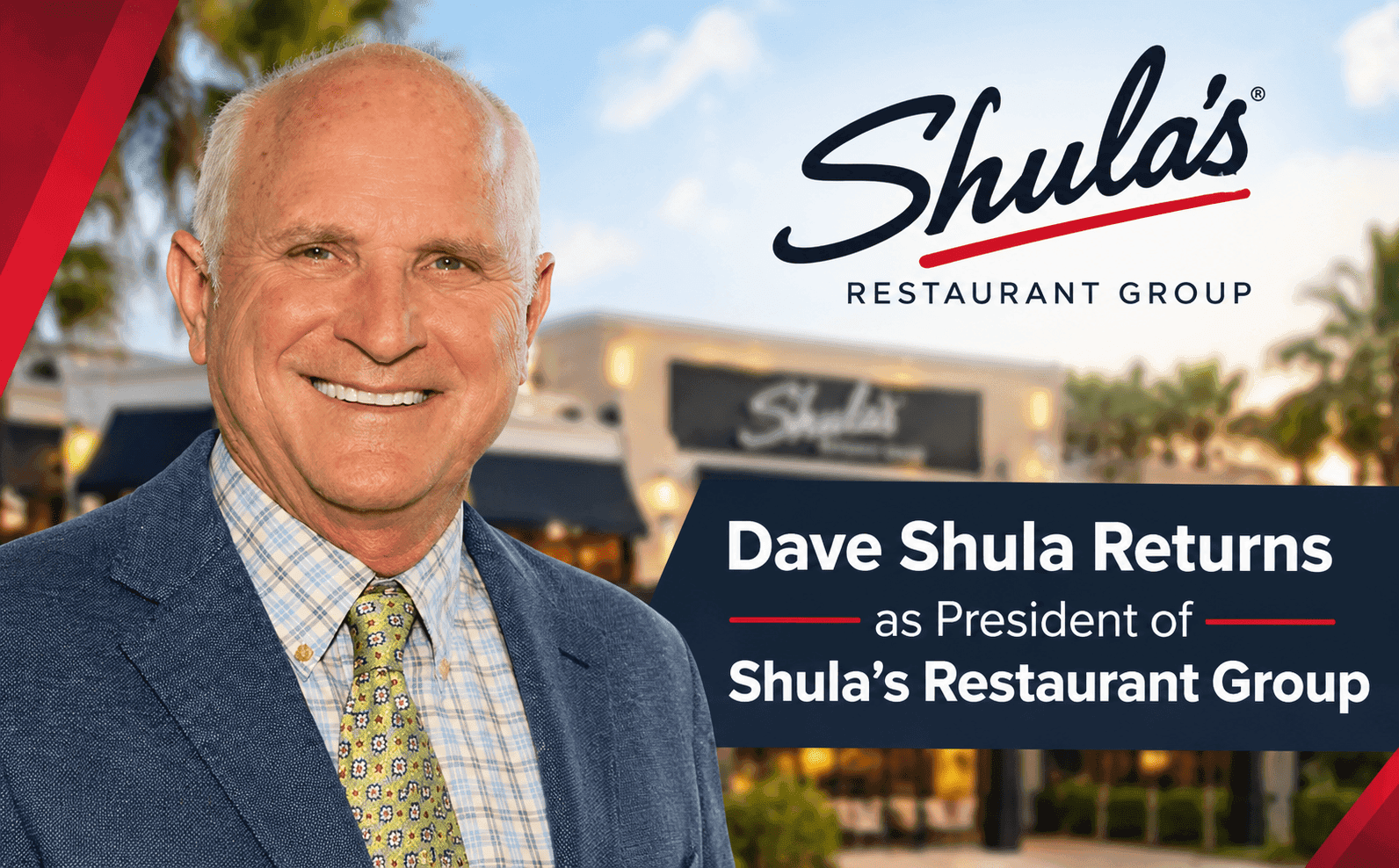
Dave Shula Returns as President of Shula's Restaurant Group
Dave Shula rejoins Shula's Restaurant Group as president, leading growth into Palm Beach Gardens and a 2027 Thomasville, Georgia expansion.
News
Sep 23, 2026
Dave Shula rejoins Shula's Restaurant Group as president, leading growth into Palm Beach Gardens and a 2027 Thomasville, Georgia expansion.
Sep 23, 2026
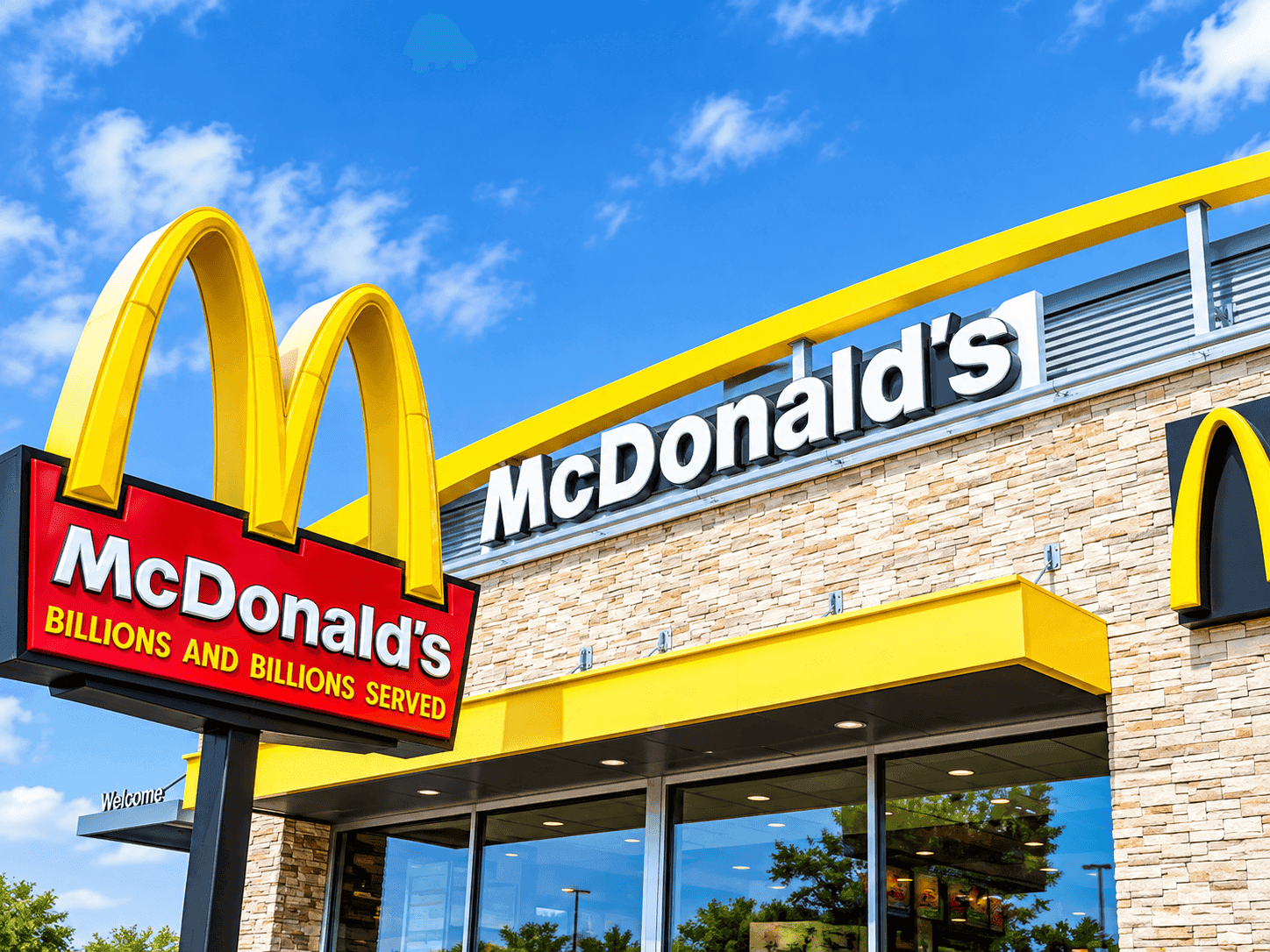
McDonald's commits $8.5 billion through 2036 to modernize restaurants, boost cash flow by $100,000 per store, and grow chicken and beverage sales.
Sep 23, 2026
WKS Restaurant Group promotes Jay Spongberg to president and COO after he helped grow the company from 65 to 382 restaurants over 16 years.
Sep 23, 2026

Smokey Mo's BBQ names Von Dawson, a Dine Brands veteran, as VP of Franchise Development to lead its Texas expansion strategy.
Sep 23, 2026
.png&w=3840&q=70)
Meritage Hospitality's Chapter 11 filing pulls 5% of Wendy's U.S. stores into bankruptcy, exposing cracks in franchising's bigger-is-safer bet.
Sep 21, 2026
Jack in the Box names Rachel Ruggeri to its board as Michael Murphy retires, amid a CEO transition and deal with investor GreenWood.
Sep 21, 2026

Improve restaurant Google Maps rankings by optimizing your business profile, selecting accurate categories, gathering reviews, adding photos, and strengthening local relevance signals.
Sep 21, 2026

Restaurant inventory tracking helps owners monitor stock, control food costs, reduce waste, improve purchasing, and make informed operational decisions.
Sep 21, 2026

Restaurant owners can significantly reduce restaurant costs by leveraging technology across inventory, labor, procurement, forecasting, and administrative operations for better profit margins.
Sep 18, 2026

Understand how to forecast restaurant revenue and expenses with methods for sales projection, cost scaling, fixed-cost planning, and risk buffering.
Sep 18, 2026

Unlock Exclusive Access To Webinars, Events, And The Latest News For Free!
It's no secret that restaurants are at the epicenter of chemical exposure. Here's how to make sure you're helping yourself and your family by choosing the right restaurant chemical suppliers.
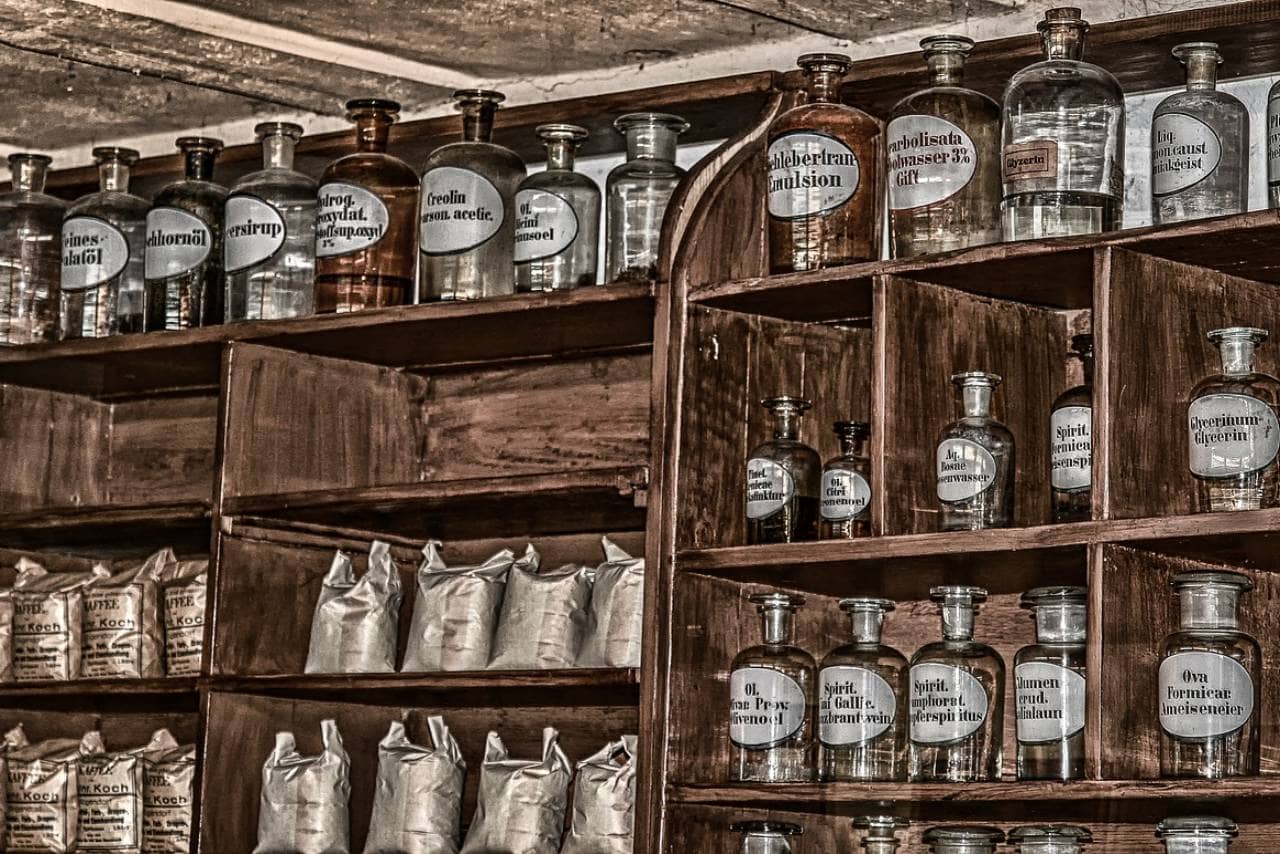
When deciding on a restaurant chemical supplier, there are many factors to consider. Customer service and turnaround time are two of the most important things to think about before choosing a restaurant chemical supply company. You should also keep in mind is whether or not the company will be able to provide chemicals in time to meet your business needs. Another important factor to look at when choosing a restaurant chemical supplier is their pricing structure. Some companies charge per pound while others charge by the ounce or by the liter. No matter what price point your company decides on, make sure that they have the experience and expertise necessary to handle all of your needs.
When searching for restaurant chemical suppliers, there are some important things to consider. First, it's important to know what types of chemicals you need. Once you know what type of chemicals you need, then it's time to research how those supplies will be used and regulated in your restaurant. With this knowledge, you'll be better able to find chemical suppliers who have the materials you need in stock and ready to ship. Doing a little research online or speaking with experts in the field is a good place to start. It's important to get a supplier who isn't using ingredients that may pose health risks such as BPA, phthalates, lead, cadmium, mercury and benzene. Here are some other things that will help when searching for a supplier-
It can be difficult to find the best restaurant chemical suppliers in town. There are many companies out there that don't provide quality food chemicals, or cleaning agents, so it can be hard to find a supplier who meets your businesses needs. To avoid purchasing poor-quality restaurant chemicals, first ask these questions about the supplier-

Eating out is one of the most popular ways to dine, especially when you are on a tight budget. Restaurants nowadays have excellent food and restaurant operators know how to market their menus and ambiance to attract customers. However, many people overlook the fact that restaurants also use chemicals in their kitchen. These chemicals may be used for flavor enhancement or cleaning purposes. These chemicals may not only be harmful to your health, but also lead you to unknowingly eating foods that are potentially bad for your health.

When you go to a restaurant, often the food is healthy and delicious, but you may be wondering about all the chemicals that have been used in order to make it. Here are some of the substances found in restaurants-
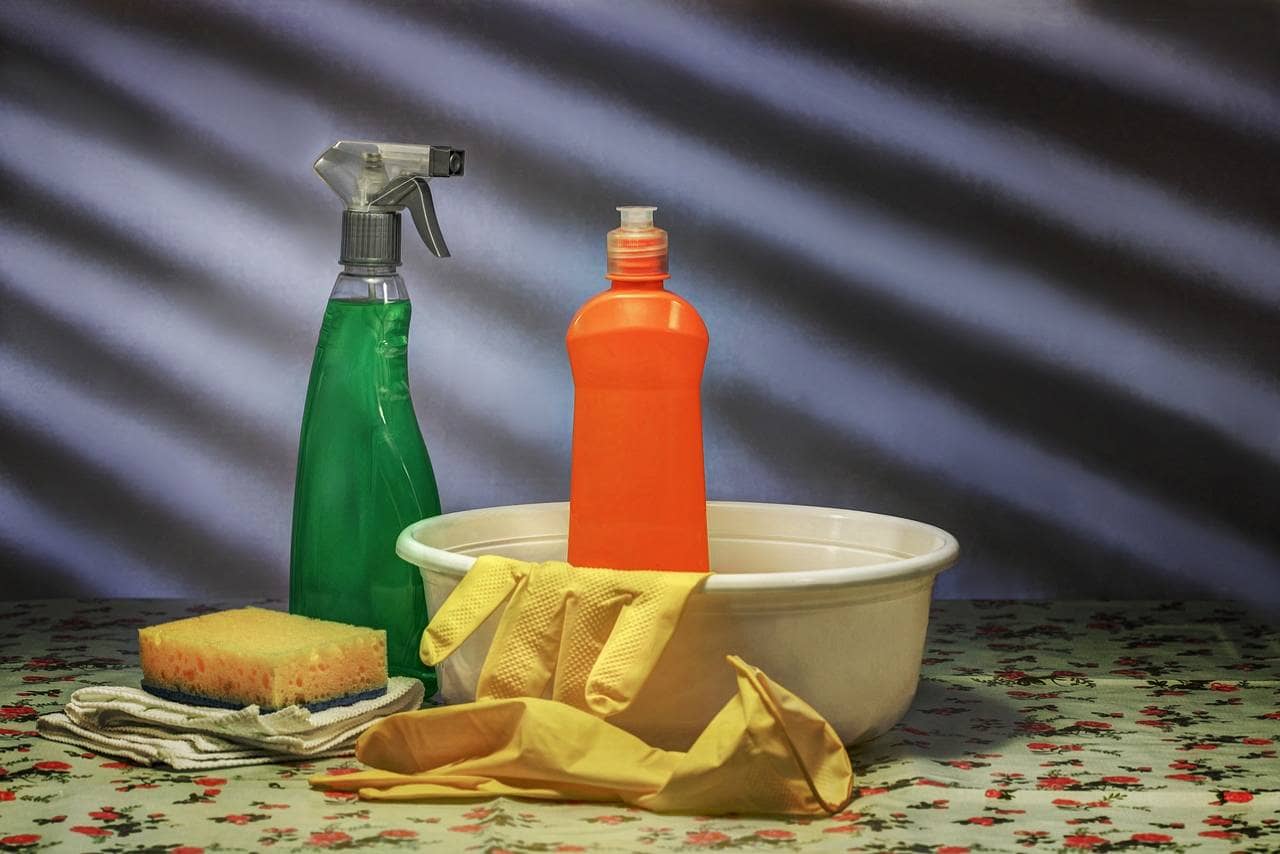
A new study from the Environmental Working Group (EWG) has revealed that the most common chemicals in restaurants are not only found to be toxic but there is a high risk of exposure. These chemicals include acrylamide, tetrachloroethylene (perchloroethylene), and polybrominated diphenyl ethers (PBDEs). These chemicals release gases which cause cancer, birth defects, organ damage, neurological disorders, and more. The EWG also found that while these chemicals appear more frequently in non-organic food, they are most concentrated in foods served by restaurants.
The chemical industry is a worldwide business that can make a huge impact on the health of workers, consumers and the environment. Many chemicals are toxic to humans and animals, while others can contaminate our water supply. Chemicals are often used in manufacturing processes like cleaning products and food processing. While the benefits of chemicals may outweigh the risks, they should still be carefully controlled to benefit society as a whole.