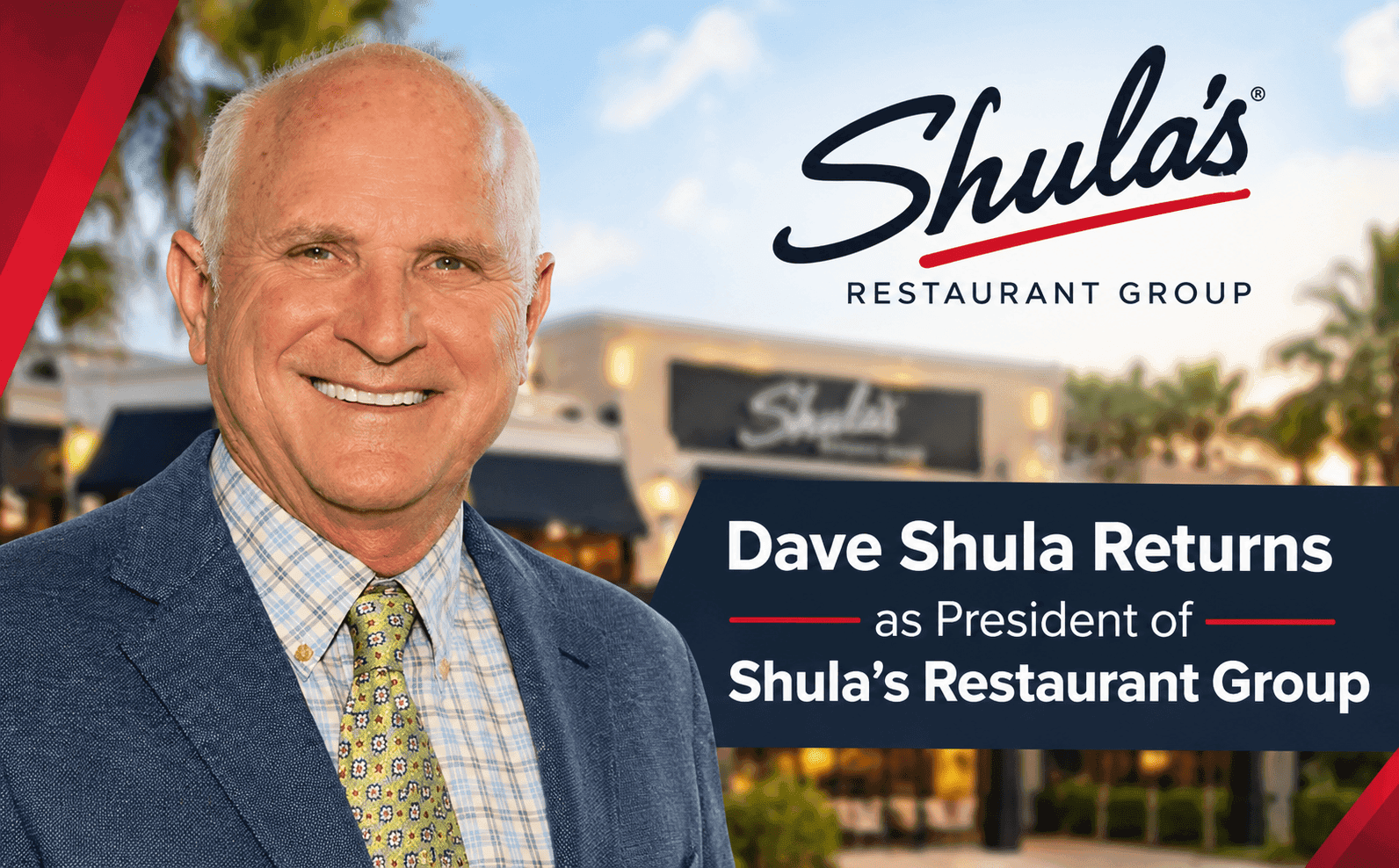
Dave Shula Returns as President of Shula's Restaurant Group
Dave Shula rejoins Shula's Restaurant Group as president, leading growth into Palm Beach Gardens and a 2027 Thomasville, Georgia expansion.
News
Sep 23, 2026
Dave Shula rejoins Shula's Restaurant Group as president, leading growth into Palm Beach Gardens and a 2027 Thomasville, Georgia expansion.
Sep 23, 2026
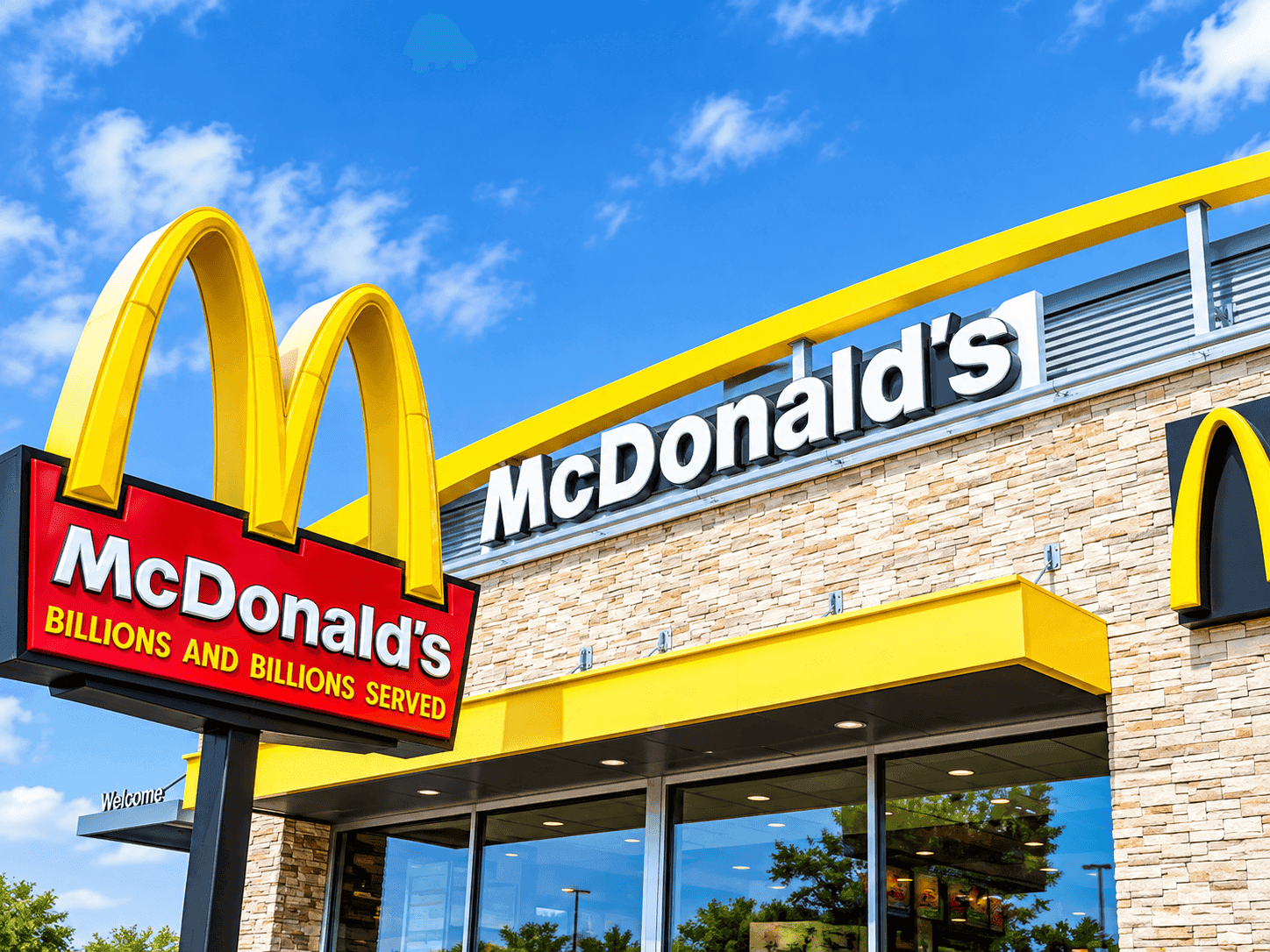
McDonald's commits $8.5 billion through 2036 to modernize restaurants, boost cash flow by $100,000 per store, and grow chicken and beverage sales.
Sep 23, 2026
WKS Restaurant Group promotes Jay Spongberg to president and COO after he helped grow the company from 65 to 382 restaurants over 16 years.
Sep 23, 2026

Smokey Mo's BBQ names Von Dawson, a Dine Brands veteran, as VP of Franchise Development to lead its Texas expansion strategy.
Sep 23, 2026
.png&w=3840&q=70)
Meritage Hospitality's Chapter 11 filing pulls 5% of Wendy's U.S. stores into bankruptcy, exposing cracks in franchising's bigger-is-safer bet.
Sep 21, 2026
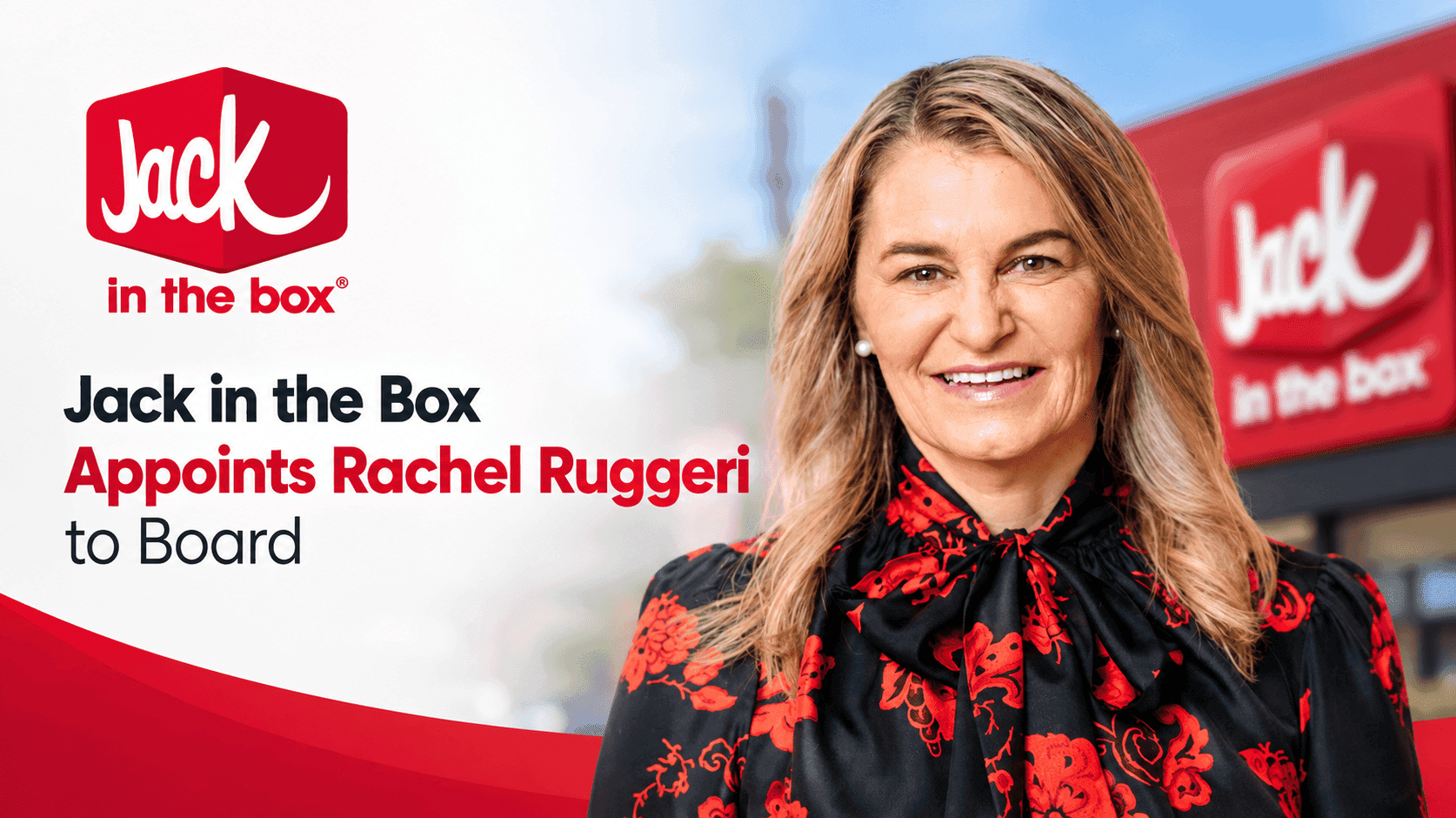
Jack in the Box names Rachel Ruggeri to its board as Michael Murphy retires, amid a CEO transition and deal with investor GreenWood.
Sep 21, 2026
Improve restaurant Google Maps rankings by optimizing your business profile, selecting accurate categories, gathering reviews, adding photos, and strengthening local relevance signals.
Sep 21, 2026

Restaurant inventory tracking helps owners monitor stock, control food costs, reduce waste, improve purchasing, and make informed operational decisions.
Sep 21, 2026

Restaurant owners can significantly reduce restaurant costs by leveraging technology across inventory, labor, procurement, forecasting, and administrative operations for better profit margins.
Sep 18, 2026

Understand how to forecast restaurant revenue and expenses with methods for sales projection, cost scaling, fixed-cost planning, and risk buffering.
Sep 18, 2026

Unlock Exclusive Access To Webinars, Events, And The Latest News For Free!
Inflation narrows the gap between grocery and restaurant prices, nudging households toward home-prep and value-driven menus.

Photo by Jason Leung
From the dining room to the grocery aisles, a quiet recalibration unfolds. The latest Bureau of Labor Statistics figures show inflation edging up 0.2% in September, nudging the annual rate to 2.4%. The broader food price index rose 0.4% for the month and sits 2.3% higher than a year ago. Within food, prices at restaurants climbed 0.3% from August to September and are 3.9% higher over the past year, while grocery prices at home are up 1.3% year over year. The gap between eating out and cooking in has widened, reshaping routines as households weigh the ease of a prepared plate against the craft of home cooking. The question now: how will this distance steer everyday choices?
Observers note that the price split is not just a statistic but a behavioral variable. The head-to-head distance has tilted toward groceries in recent months, even as restaurant inflation slows. Across markets, industry data and analysts say these differentials influence shopper and diner decisions, guiding which shelves are explored and which tables attract guests. In practice, households experiment with routines, meal planning, promotions, and convenience, until one path feels most reliable in a tightened wallet.
Across households, the price landscape is driving a sea change in where food dollars are spent. The Circana narrative of National Eating Patterns shows 86% of eating occasions still originate from home sources, signaling a durable home-prep preference even as dining out remains essential for many moments. Inflation has moderated from its peaks, yet families continue to feel the effect of several years of higher prices.
“Despite easing inflation, consumers continue to face the cumulative impact of several years of rising prices and ongoing economic challenges,” said David Portalatin of Circana, offering a frame for why home-prep persists even as fast casual concepts gain market share and overall traffic drifts. The takeaway is pragmatic: value, convenience, and menu evolution are guiding a cautious optimism about how households spend on meals in a tighter wallet.
September’s numbers illuminate a precise calculus at work in everyday choices. The food index rose 0.4%, with the food-at-home component also up 0.4% for the month, while the food-away-from-home index advanced 0.3%. On a year-ago basis, food-at-home is up 1.3%, with meats, poultry, fish, and eggs leading gains at 3.9% year over year, while the broader food category stands at a 2.3% increase. The upshot is a narrowing differential: grocery prices moved in a manner that narrows the gap versus restaurant prices, illustrating a clear advantage for groceries in September. Kalinowski Equity Research has highlighted this shifting rhythm, noting grocery inflation at times outpacing restaurant inflation and shaping shopper and diner behavior.

This price choreography also tells a compelling labor economics story: the cost of goods sold remains a lever for operators, even as menus evolve toward value-driven choices. The dynamic of grocery price inflation outpacing restaurant inflation at varying paces keeps menus flexible and margins under review. In practical terms, chains continue to test value-driven tiers, adjust portion and protein choices, and align promotions with guest expectations for quality and convenience. The result is a market where price signals do more than move a cart, they guide a strategy in kitchens and boardrooms alike.
"Despite easing inflation, consumers continue to face the cumulative impact of several years of rising prices and ongoing economic challenges," said David Portalatin of Circana, reflecting a shared industry lens on what price gaps mean for guest counts and traffic. Operators have responded with a mix of value-driven promotions and menu adaptations aimed at recapturing wallet share without sacrificing quality or guest satisfaction. As conversations turn to efficiency and experience, the challenge remains: how to balance margins with meaningful guest value.
The sentiment among operators is pragmatic: promotions must deliver perceived value, while menu tweaks honor quality and guest delight. The cadence of promotions, loyalty gestures, and digital conveniences becomes a tool to navigate a crowded field where groceries compete more aggressively for wallet share. In short, the industry is balancing appetite, efficiency, and the artful promise of consistent hospitality.
Industry analysts and associations outline a 2026 path defined by resilience, efficiency, and value-led growth. The National Restaurant Association projects nationwide sales near $1.55 trillion, with real gains around 1.3% and employment near 15.8 million, up from recent years. Operators anticipate adding roughly 100,000 jobs and investing more in technology to lift efficiency and guest connectivity. Circana’s data on value-driven menus and traffic trends in Q2 2025 reinforce that value offerings can stabilize traffic amid a crowded landscape.

Looking forward, operators are urged to combine value with convenience and health, particularly in beverages and ready-to-consume formats. The National Restaurant Association’s broader menu-pricing signals and loyalty initiatives point to an industry that is leaning into discounts without eroding guest trust. Those who merge efficiency with differentiated offerings may defend margins while preserving loyalty in a climate where groceries insist on a larger share of household budgets.
