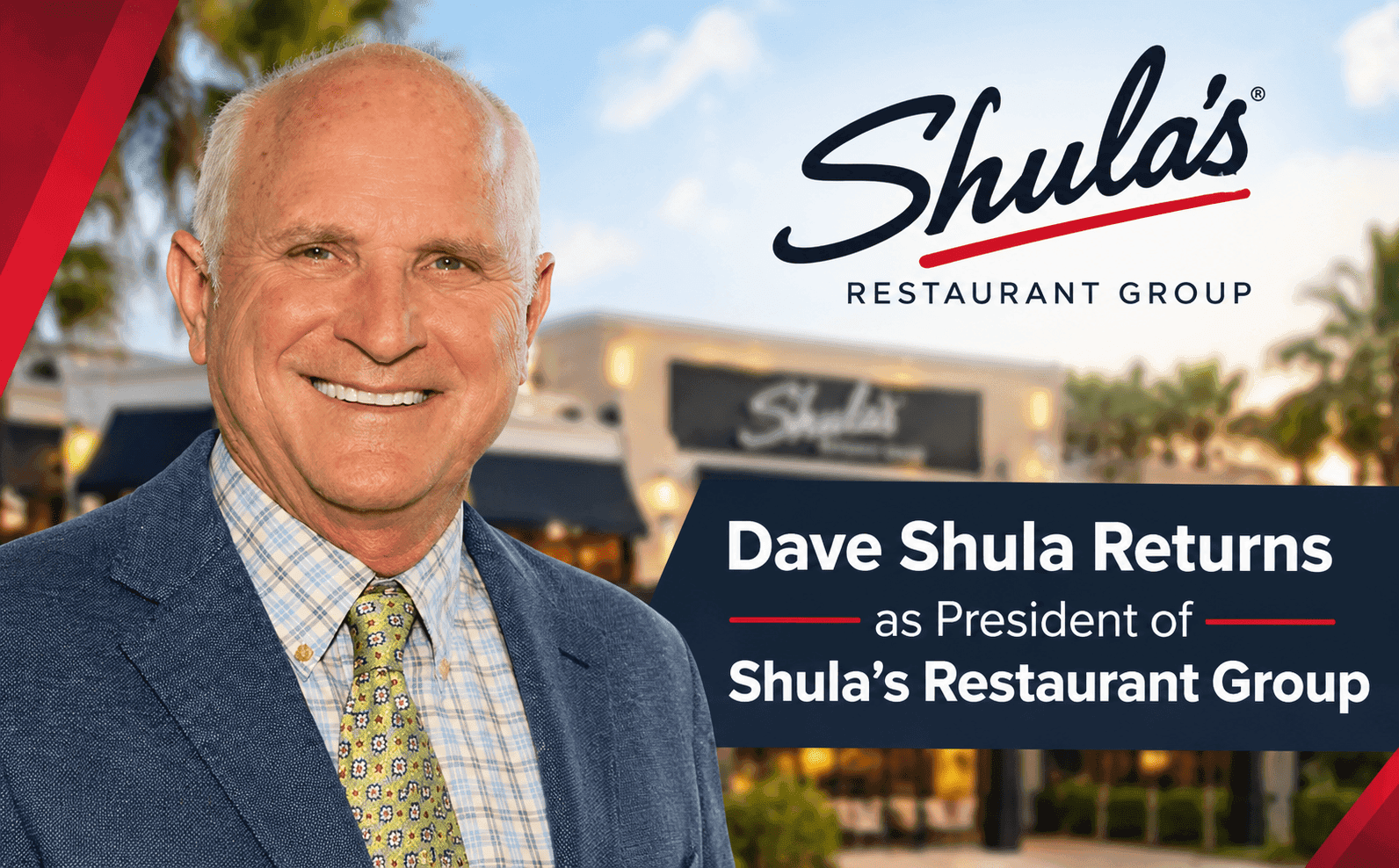
Dave Shula Returns as President of Shula's Restaurant Group
Dave Shula rejoins Shula's Restaurant Group as president, leading growth into Palm Beach Gardens and a 2027 Thomasville, Georgia expansion.
News
Sep 23, 2026
Dave Shula rejoins Shula's Restaurant Group as president, leading growth into Palm Beach Gardens and a 2027 Thomasville, Georgia expansion.
Sep 23, 2026
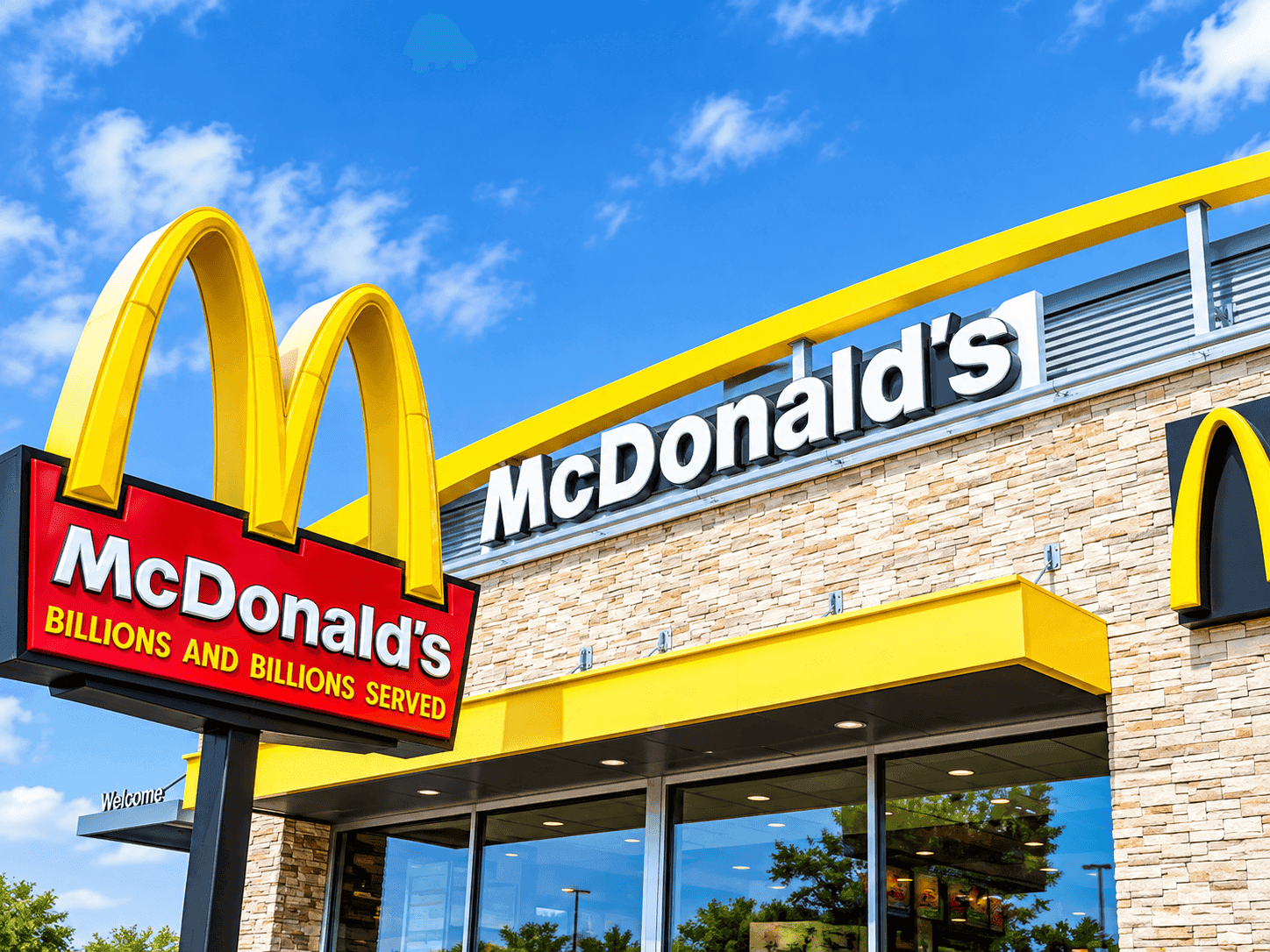
McDonald's commits $8.5 billion through 2036 to modernize restaurants, boost cash flow by $100,000 per store, and grow chicken and beverage sales.
Sep 23, 2026
WKS Restaurant Group promotes Jay Spongberg to president and COO after he helped grow the company from 65 to 382 restaurants over 16 years.
Sep 23, 2026

Smokey Mo's BBQ names Von Dawson, a Dine Brands veteran, as VP of Franchise Development to lead its Texas expansion strategy.
Sep 23, 2026
.png&w=3840&q=70)
Meritage Hospitality's Chapter 11 filing pulls 5% of Wendy's U.S. stores into bankruptcy, exposing cracks in franchising's bigger-is-safer bet.
Sep 21, 2026
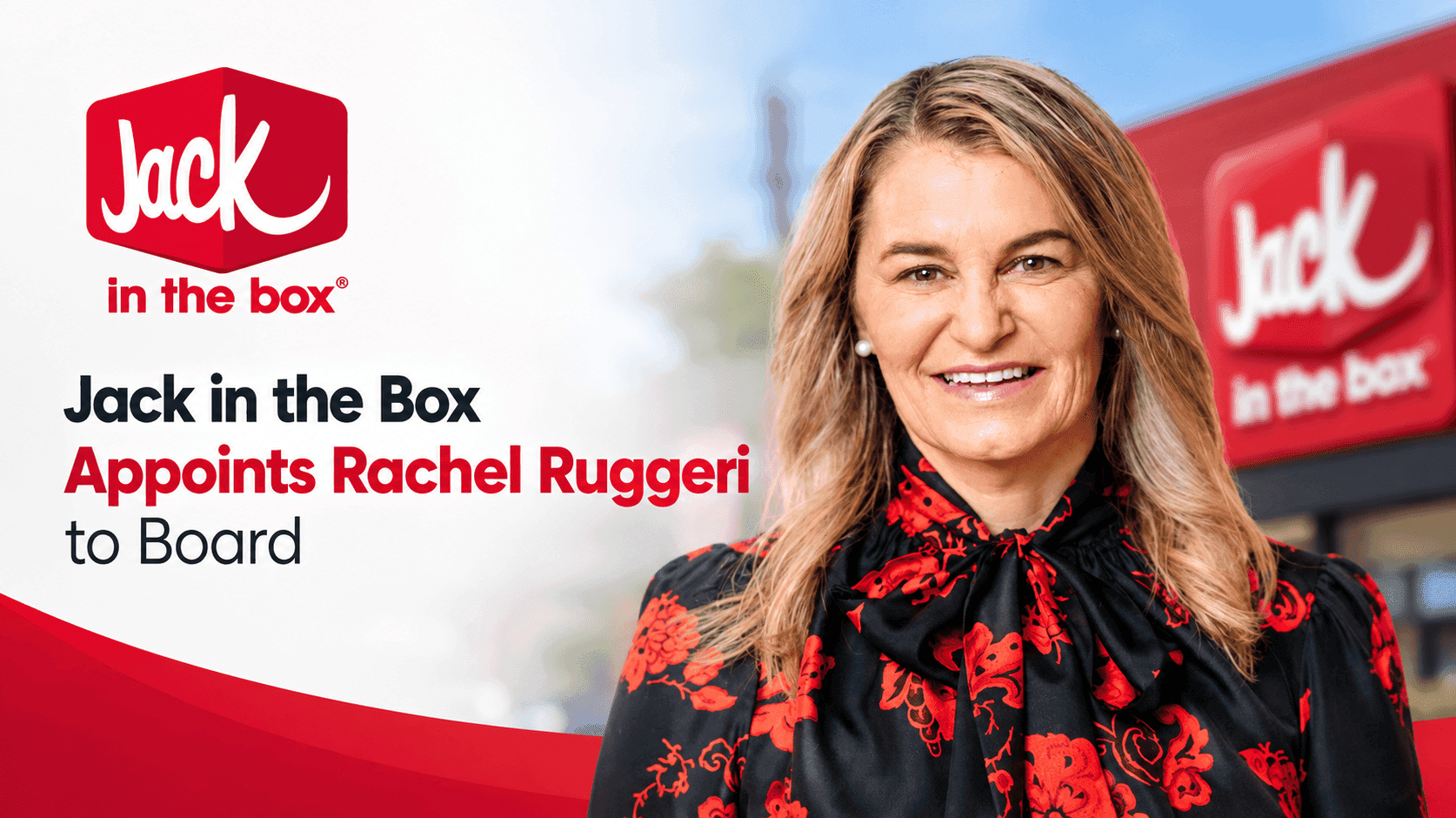
Jack in the Box names Rachel Ruggeri to its board as Michael Murphy retires, amid a CEO transition and deal with investor GreenWood.
Sep 21, 2026
Improve restaurant Google Maps rankings by optimizing your business profile, selecting accurate categories, gathering reviews, adding photos, and strengthening local relevance signals.
Sep 21, 2026

Restaurant inventory tracking helps owners monitor stock, control food costs, reduce waste, improve purchasing, and make informed operational decisions.
Sep 21, 2026

Restaurant owners can significantly reduce restaurant costs by leveraging technology across inventory, labor, procurement, forecasting, and administrative operations for better profit margins.
Sep 18, 2026

Understand how to forecast restaurant revenue and expenses with methods for sales projection, cost scaling, fixed-cost planning, and risk buffering.
Sep 18, 2026

Unlock Exclusive Access To Webinars, Events, And The Latest News For Free!
McDonald’s doubles down on value, loyalty, and digital upgrades to revive traffic amid headwinds, launching bold promotions like a $5 Meal Deal.

Photo by Zoshua Colah
McDonald’s faces fresh headwinds as a volume and value brand. In the latest quarter, U.S. same-store sales slipped 0.7%, while international operated markets fell 1.1% and international licensed markets slid 1.3%. Revenue was flat at $6.49 billion, underscoring stubborn traffic challenges as inflation keeps households cautious. On the earnings call, Chris Kempczinski framed the moment in urgent terms, noting a weakening low-income customer base that first showed up last year. He pointed to price increases ranging from 20% to 40% that helped offset inflation but disrupted long-running value programs and nudged many to eat at home. The answer: a disciplined, value-forward revival that blends affordability with smarter engagement and loyalty as the core driver of momentum.
From that posture, McDonald’s moved quickly to test a value-focused response. In late June, the company launched a national $5 Meal Deal intended to recapture traffic, with early data showing strong uptake among low-income guests and average checks around $10 for Meal Deal orders. The timing meant this momentum isn’t yet reflected in the quarter’s results, and it sits against a tough year-ago comparison to the Grimace Shake boost. Still, the promotion signals a clear pivot toward value, complemented by menu innovation and a sharper focus on loyalty channels to sustain growth even as costs remain volatile.
The leadership frames the quarter’s results as a function of shifts in the core customer base and perceptions of value. A weakening low-income customer base has meant less frequent visits and deteriorating traffic into the early part of the year. The company acknowledges that price-driven strategies must be balanced with an accessible value proposition, redefining what value means in a market where traditional advantages no longer guarantee repeat visits. In this view, value remains central to McDonald’s identity, even as the global business contends with episodic headwinds. The path forward is a disciplined mix of pricing, promotions, and a measured return to core commitments that protect margins while drawing guests back.

A broader revival is in view. Executives describe a value-and-experience revival that spans the core menu, digital expansion, and enhanced guest engagement through loyalty channels. They point to cross-market learnings, especially from Germany and Canada, to lift performance in other regions. The goal is a balanced model: pricing discipline that protects unit economics, paired with promotions and loyalty that deepen relationships. This framing guides decisions as the brand rebuilds traffic without sacrificing profitability.
A multifaceted toolkit sits at the heart of the turnaround. The plan prioritizes renewed investment in the core menu, quality and consistency that reinforce value leadership, while a digital expansion and an enhanced loyalty program deepen guest bonds. Operational improvements aim to speed service at peak times, and leaders highlight cross-market insights from places like Germany and Canada to lift results. Loyalty is positioned as a growth engine, moving toward hundreds of millions of active users in the coming years.

Key milestones include expanding the Best Burger platform to nearly all markets by the end of 2026 and growing loyalty to around 250 million users by 2027. The strategy ties value, digital reach, and menu innovation as the three legs of growth, aiming to recapture traffic while preserving margins. It’s a deliberate, long-range plan that translates data into action and ideas into guests who keep coming back.
Early signals from the field look cautiously encouraging. The $5 Meal Deal is driving trial and shaping affordability perceptions, especially among lower-income diners, while add-ons are being nudged higher by improved engagement. In the U.S., customer satisfaction scores have hit new highs, suggesting that value paired with service quality can translate into stronger guest sentiment even in a tougher macro environment. Across the sector, value-driven promotions are rising in importance as households tighten budgets but still seek taste and convenience.

Industry context reinforces the moment. Observers note that lower-income customers bear the brunt of spending pressure, while higher-income households show resilience in some markets. McDonald’s has extended value promotions and set new pricing guidelines with franchisees to preserve affordability without eroding profitability. A broader sector focus on large-burger formats and enhanced digital experiences, along with the Big Arch experimentation in select markets, signals a market-wide push to balance price, value, and experience as budgets tighten.
Q4 2025 momentum shows up in geography that matters, with global comparable sales rising meaningfully and the U.S. contributing to the uptick. The board-approved move includes a 5% dividend increase to $1.86 per share, signaling confident cash flow and disciplined capital allocation. Across loyalty markets, systemwide sales to loyalty members rose to roughly $37 billion for the full year, and 90-day active loyalty users stood near 210 million at year-end. The long-run plan keeps expanding Best Burger to most markets by 2026 and pushing loyalty toward a target of 250 million users by 2027, weaving value, digital, and menu innovation into growth.
Uncertainties remain. Leadership stresses that macro pressures are broad-based and there is no crystal ball for the near term. The playbook stays consistent: get value and affordability right while accelerating menu innovation, digital growth, and closer franchisee collaboration. The longer horizon centers on expanding Best Burger to nearly all markets by 2026 and driving loyalty toward a 250 million-user target by 2027. This is a deliberate, multi-year path to restore momentum and capture durable share gains.
