
O'Charley's Closes All Restaurants After 55 Years
Southern casual dining chain O'Charley's shut down all 47 company-owned locations nationwide on September 9, 2026, with minimal warning.
News
Sep 11, 2026
Southern casual dining chain O'Charley's shut down all 47 company-owned locations nationwide on September 9, 2026, with minimal warning.
Sep 11, 2026

California shifts to public enforcement strategy against Dickey's for deceptive franchise disclosures, signaling stricter state-level franchise oversight.
Sep 10, 2026
Paul Brown temporarily steps away from Inspire Brands as Scott Murphy assumes interim CEO role during confidential IPO filing process targeting late 2026.
Sep 10, 2026
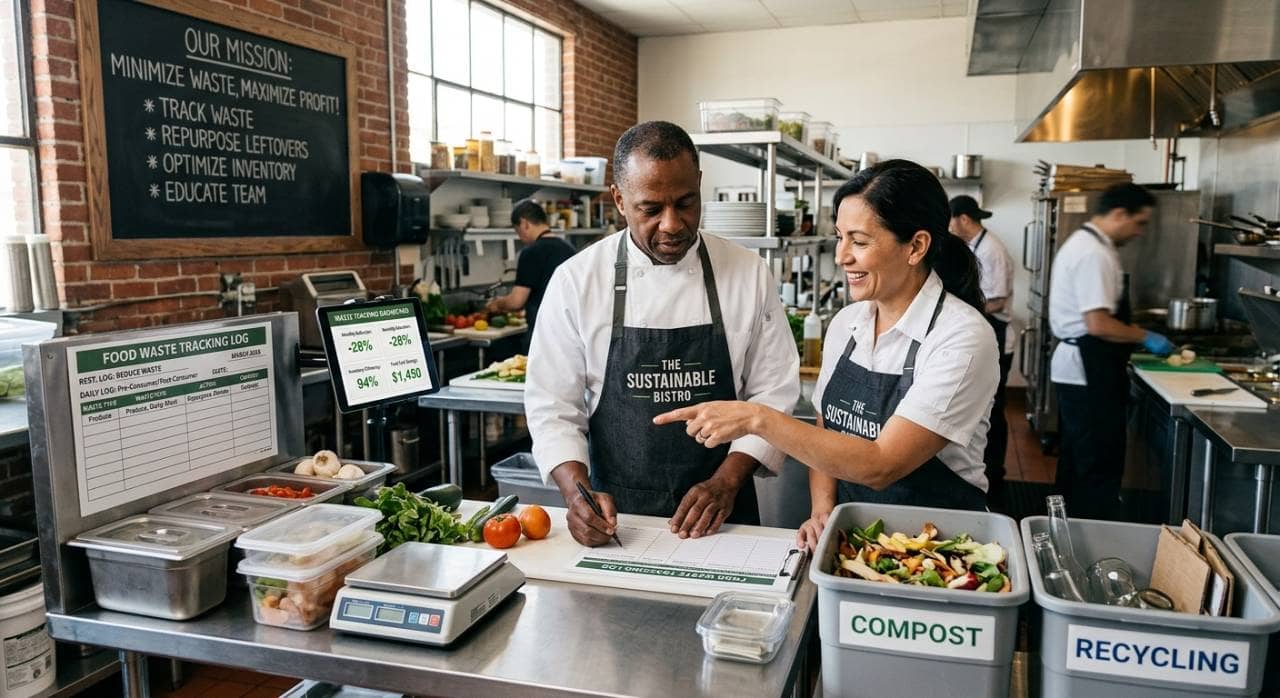
Learn how to reduce food waste in restaurants through smarter purchasing, storage, preparation, and service strategies that cut costs.
Sep 9, 2026
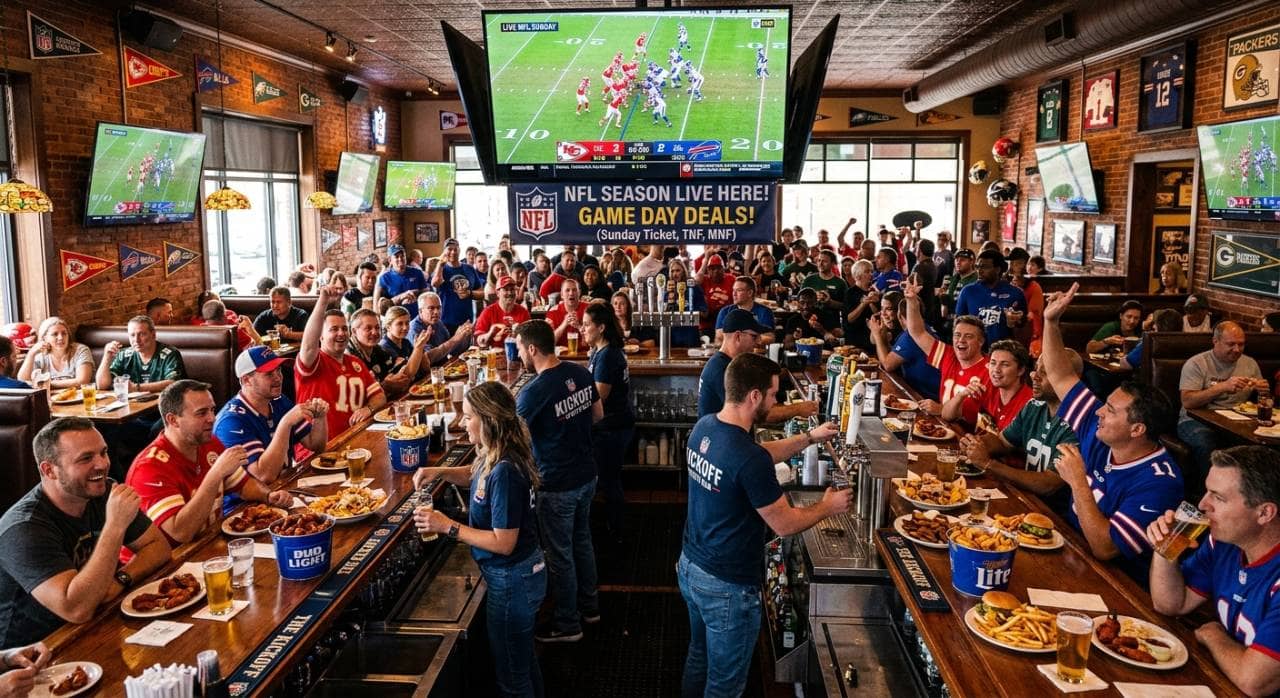
Prepare your restaurant for NFL season with smart menu planning, staffing, marketing, technology, and atmosphere strategies that boost season-long revenue.
Sep 9, 2026
Swig signs franchise agreement for 11 South Denver locations, marking Colorado entry and validating its national expansion strategy.
Sep 8, 2026

Complete guide helping restaurant owners choose essential kitchen equipment - covering cooking, refrigeration, prep, sanitation, ventilation, safety, and long-term maintenance planning.
Sep 7, 2026

QR code menus let restaurants replace paper menus digitally, enabling instant updates, contactless browsing, ordering, and payment through simple smartphone scanning.
Sep 7, 2026

Avoiding common restaurant payroll mistakes - misclassification, tip credit errors, overtime miscalculations - protects businesses from costly penalties, back pay, and compliance risks.
Sep 4, 2026
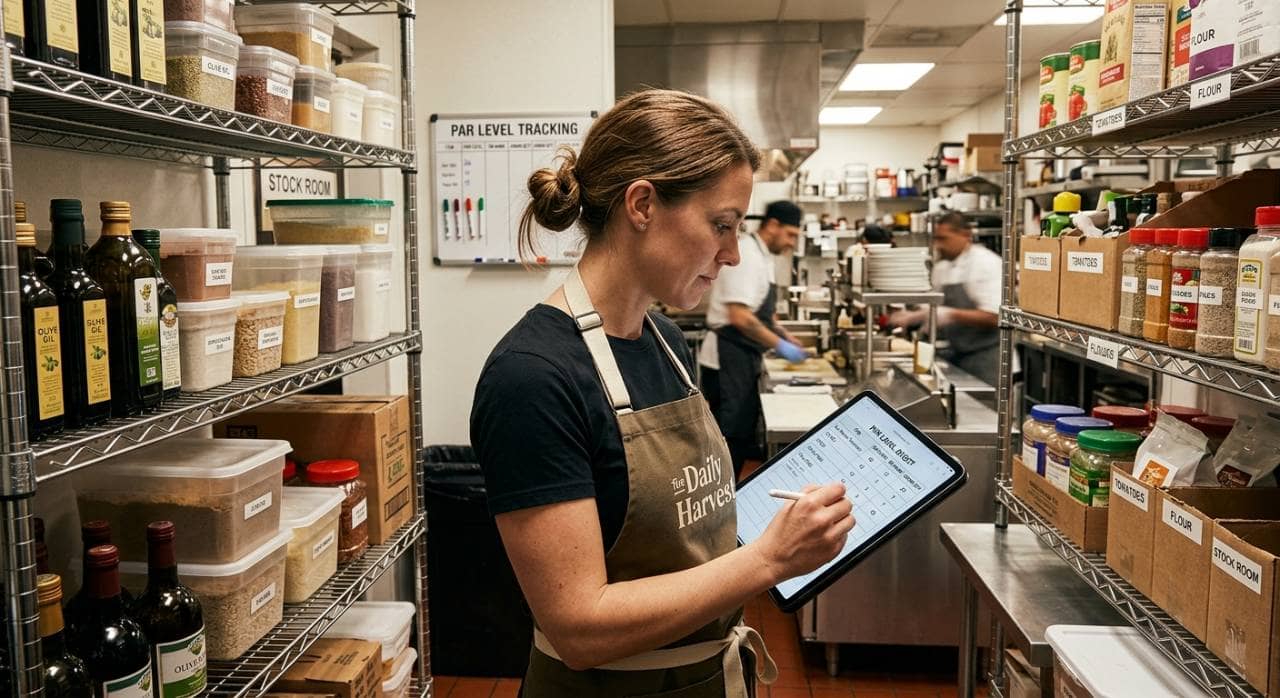
Learn to calculate par levels for restaurant food, beverages, and packaging inventory, preventing stockouts and waste through proper formulas.
Sep 4, 2026

Unlock Exclusive Access To Webinars, Events, And The Latest News For Free!
McDonald's rolls out the Big Arch while leaning into chicken growth and value deals to boost traffic amid a crowded market.

McDonald's has poised itself on a new axis of growth, where memory and novelty meet at the same table. The centerpiece is the Big Arch, a limited-time beacon that will touch down in the United States on March 3, 2026, following earlier trials abroad. This is not mere hype but a carefully calibrated maneuver to renew appetite while preserving the brand’s familiar cadence. The quiet confidence behind the plan is a testimony to a company that believes elegance can live inside a busy lunch crowd: a return to appetite without surrendering its roots.
Executives describe the Big Arch as "a quintessential McDonald's burger with a twist on our iconic familiar flavors." The rollout will be measured and data-driven: testing in selected locations, collecting consumer feedback, and tracking performance before any broad expansion. The strategy rests on a dual motive: to renew signature beef offerings while preserving the core value equation that has sustained the brand through evolving consumer sentiment. The testing cadence will be disciplined, balancing flavor exploration with operational feasibility, laying the groundwork for a broader deployment if results satisfy guests and margins alike.

McDonald's is placing the chicken category at the heart of its expansion narrative. The company notes that the growth rate and overall category size for chicken are roughly double those of beef on a global scale, a statistic that fuels the push behind staples like McNuggets, McChicken, and newer introductions such as McCrispy and McSpicy. Sales of chicken items have reached parity with beef in the chain’s portfolio, signaling a strategic pivot toward greater diversification. Executives signal a continued push to expand McCrispy equity, while maintaining a steady course to capture market share in core markets.
Beyond immediate volume, the plan is to deepen resonance across the chicken lineup. The leadership frames McCrispy as a growth engine worthy of ongoing equity expansion, while testing adjacent formats and regional adaptations. This stance serves a dual purpose: satisfying evolving gustatory preferences and tempering dependence on any single protein, a prudent hedge as global tastes shift and margins remain under pressure.
Big Arch has already practiced its performance on the world stage through a series of pilots in multiple international markets. Twelve-week trials helped define flavor, cooking methods, and price architecture. In 2024, McDonald's tested the burger in Portugal, Canada, and Germany, before expanding into additional markets in 2025. The U.S. launch follows these lessons, framed as a controlled, limited-time experiment designed to gauge appeal and operational feasibility before any broader deployment. The aim is to refresh beef offerings while keeping menu relevance intact in a competitive landscape.
These trials are presented as a methodical prelude: a way to calibrate flavor, cooking cadence, and pricing to the pace of consumer appetite. The 12-week cadence becomes a compass for both taste and throughput, informing decisions about timing, market by market, and the cadence of expansion. The Big Arch is not a one-off; it is a testbed for a broader policy of beef refresh and disciplined risk-taking within a brand that still weighs every move against its core value proposition.

Kempczinski posted a taste-test video of himself with the Big Arch, a clip that raced through social channels, drawing attention from rivals and diners alike. Fortune frames the moment as emblematic of McDonald’s willingness to press the envelope on premium positioning and to engage audiences in real time, even as competitors weigh the spectacle. The resonance is not mere theater; it reshapes expectations about how a fast-food icon can be perceived when leadership leans into visibility while keeping the product footprint disciplined.
The social ripple feeds the broader narrative: a brand that remains relevant by orchestrating dialogue between exclusive moments and everyday options. The Big Arch thus becomes a signal of a broader strategy, one that treats premium positioning as a channel for building conversation, not just a sales spike.
Bacon Cajun Ranch McCrispy joined the menu as a limited-time item beginning April 22 in participating restaurants, with related variants rolling out in tandem. The Grandma McFlurry promotion followed, designed to spark attention within a narrow window. On the pricing front, the $5 Meal Deal has become a central instrument to lure cash-strapped diners back to the counter, with leadership noting measurable improvements in reach and engagement. Together, these promotions reveal a strategy that blends value with appetite, expanding the circle of customers while testing price tolerance.
Industry Context and Trends unfold around these moves: inflation-driven cost pressures push the sector toward value promotions and menu innovations as a means to restore traffic. Analysts note that McDonald’s extended value initiatives, including the $5 Meal Deal, align with a broader industry cadence of chicken-forward menus, premium burgers, and price-conscious promotions across major chains. Yet gaps remain, the final U.S. price positioning for the Big Arch is still evolving, with franchisee input and regional cost structures likely to shape outcomes. If early reception aligns with international trials, the path could quicken, enabling broader premium burger testing while preserving gains from chicken growth and value discipline.
