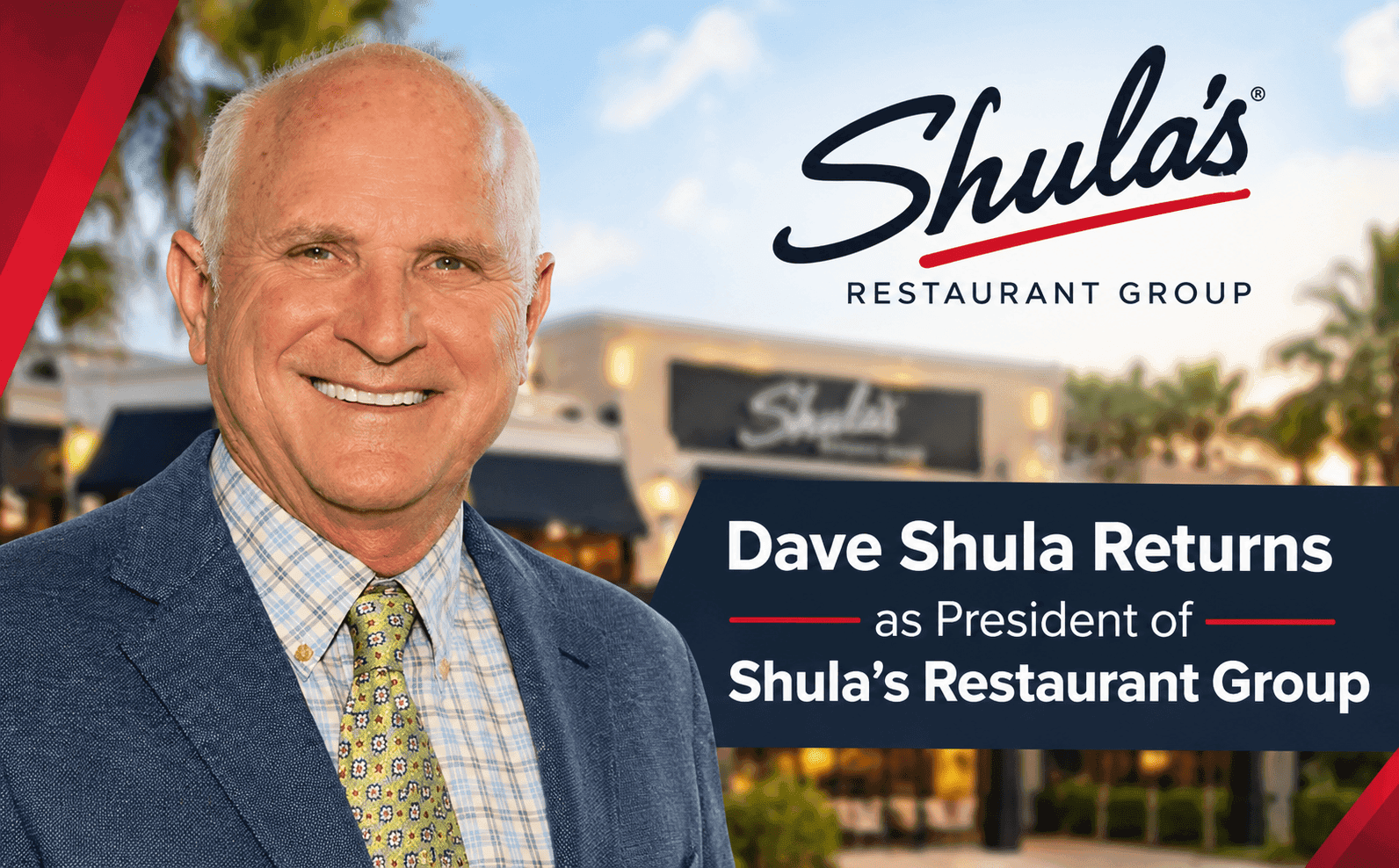
Dave Shula Returns as President of Shula's Restaurant Group
Dave Shula rejoins Shula's Restaurant Group as president, leading growth into Palm Beach Gardens and a 2027 Thomasville, Georgia expansion.
News
Sep 23, 2026
Dave Shula rejoins Shula's Restaurant Group as president, leading growth into Palm Beach Gardens and a 2027 Thomasville, Georgia expansion.
Sep 23, 2026
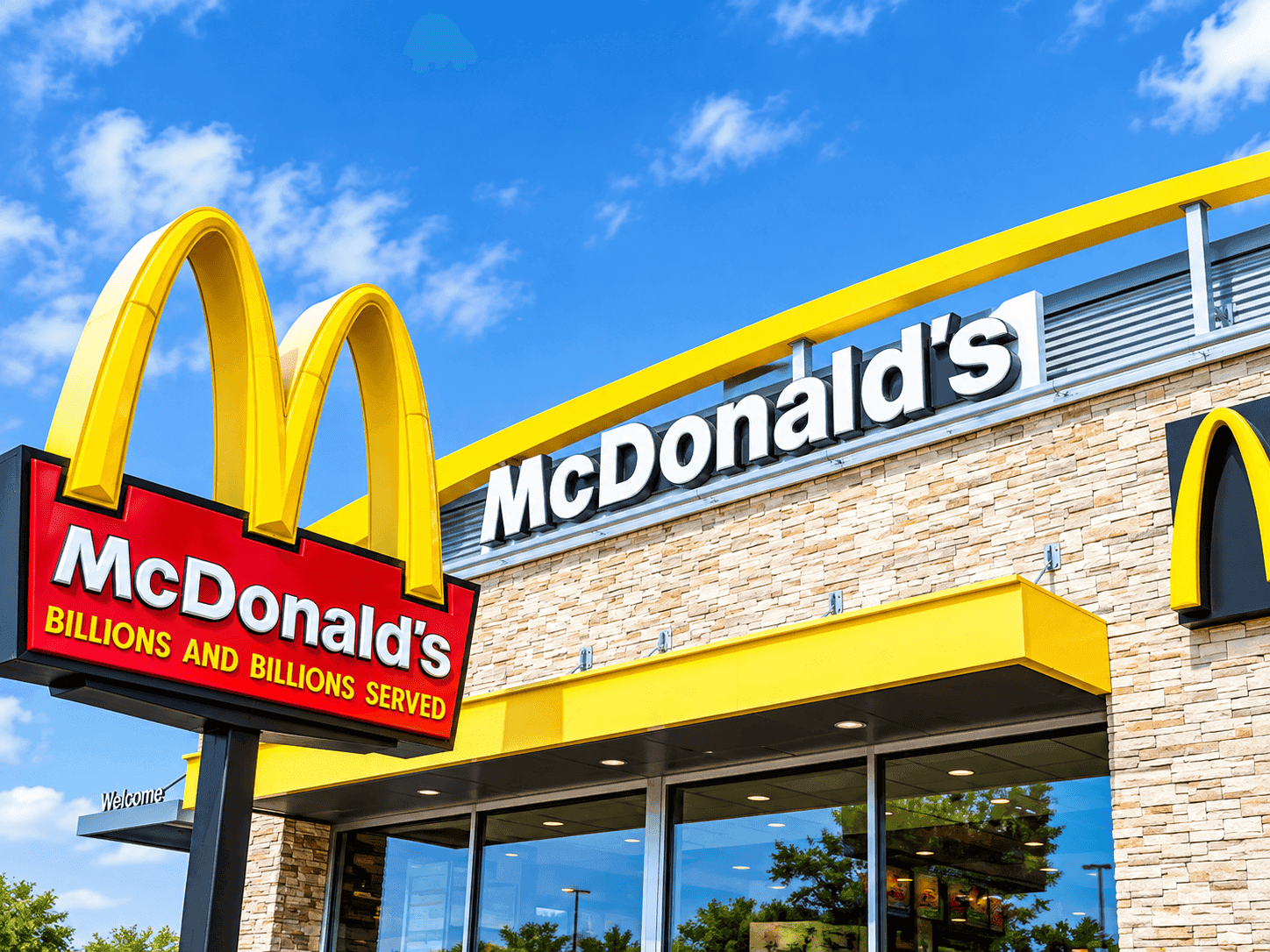
McDonald's commits $8.5 billion through 2036 to modernize restaurants, boost cash flow by $100,000 per store, and grow chicken and beverage sales.
Sep 23, 2026
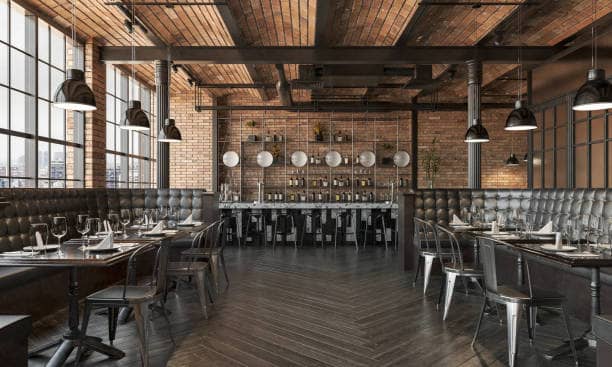
WKS Restaurant Group promotes Jay Spongberg to president and COO after he helped grow the company from 65 to 382 restaurants over 16 years.
Sep 23, 2026

Smokey Mo's BBQ names Von Dawson, a Dine Brands veteran, as VP of Franchise Development to lead its Texas expansion strategy.
Sep 23, 2026
.png&w=3840&q=70)
Meritage Hospitality's Chapter 11 filing pulls 5% of Wendy's U.S. stores into bankruptcy, exposing cracks in franchising's bigger-is-safer bet.
Sep 21, 2026
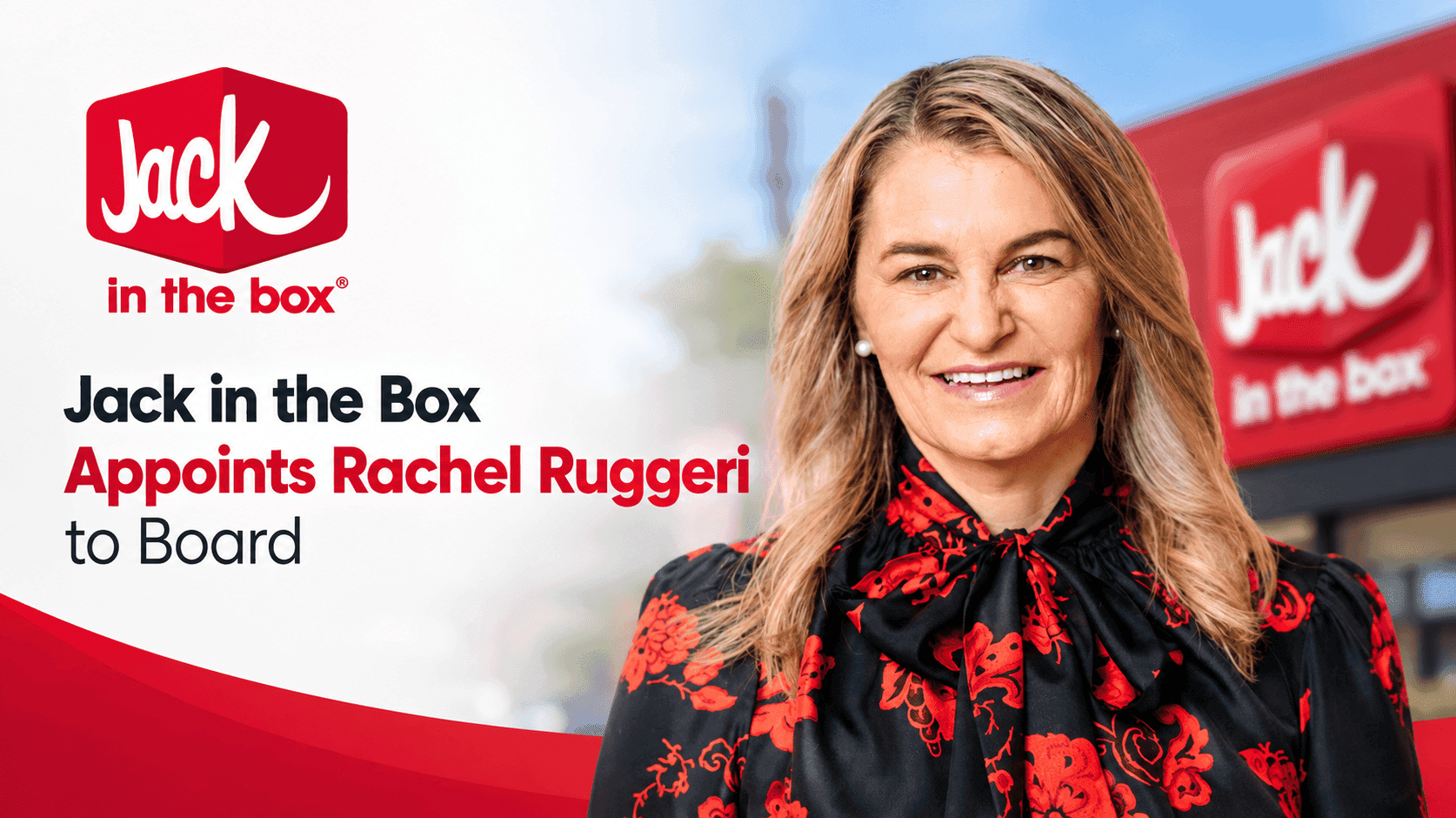
Jack in the Box names Rachel Ruggeri to its board as Michael Murphy retires, amid a CEO transition and deal with investor GreenWood.
Sep 21, 2026
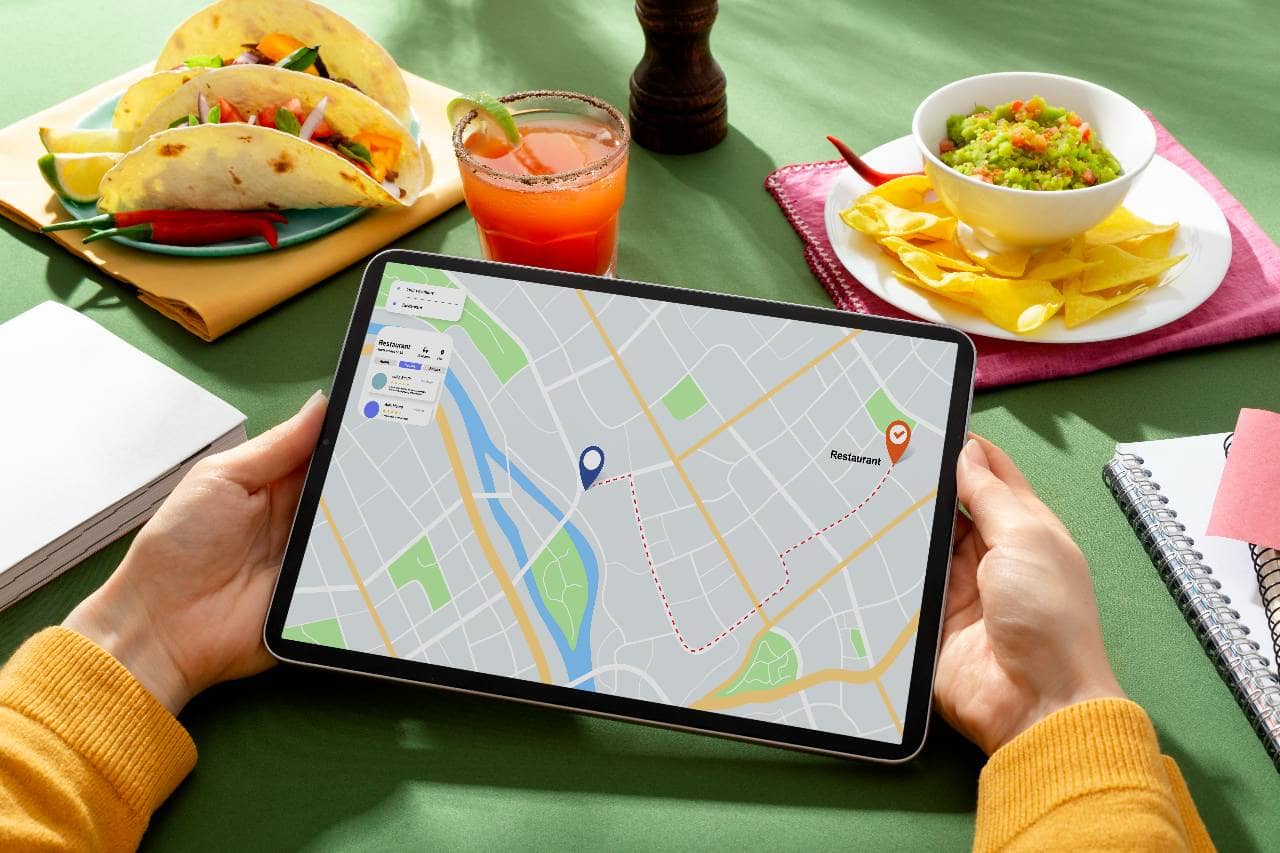
Improve restaurant Google Maps rankings by optimizing your business profile, selecting accurate categories, gathering reviews, adding photos, and strengthening local relevance signals.
Sep 21, 2026

Restaurant inventory tracking helps owners monitor stock, control food costs, reduce waste, improve purchasing, and make informed operational decisions.
Sep 21, 2026

Restaurant owners can significantly reduce restaurant costs by leveraging technology across inventory, labor, procurement, forecasting, and administrative operations for better profit margins.
Sep 18, 2026

Understand how to forecast restaurant revenue and expenses with methods for sales projection, cost scaling, fixed-cost planning, and risk buffering.
Sep 18, 2026

Unlock Exclusive Access To Webinars, Events, And The Latest News For Free!
Explore the impact of restaurant closures in response to the pandemic and changing market dynamics. Learn about strategies for long-term viability and growth in the restaurant industry.

Photo by Sergio Arteaga
In the tumultuous wake of the pandemic, many restaurants have faced financial strain, leading to closures as a means of survival and refocusing. The year 2024 has seen a continuation of this trend, with a significant number of restaurant chains opting to decrease their locations or announce closure plans. Factors such as increased costs, reduced foot traffic, and changing consumer behaviors have contributed to the challenging environment for restaurants.

Photo by Sergio Arteaga
The decision to close underperforming locations is often part of a strategic move by restaurant brands to ensure long-term viability and profitability. By shedding low-performing units, restaurants can concentrate their resources and efforts on strengthening stronger locations, ultimately boosting overall profitability. This strategy allows brands to streamline operations, enhance customer experience, and position themselves for future growth.
The seismic shift caused by the pandemic, including the rise of remote work and changes in consumer preferences, has prompted restaurants to reevaluate their footprint and adapt to new market dynamics. Urban center closures, for example, have been a direct response to the shift in where people live and work. This adaptation reflects the need for restaurants to align their operations with evolving trends to remain competitive in a dynamic market.
While closures may signify a challenging period for the restaurant industry, strategic decision-making plays a crucial role in navigating these obstacles. By analyzing market trends, consumer behaviors, and operational inefficiencies, restaurants can make informed choices about which locations to close and where to invest resources for sustainable growth. Embracing change and adapting to the evolving landscape are key strategies for restaurants looking to thrive amidst industry challenges.

Photo by Sergio Arteaga