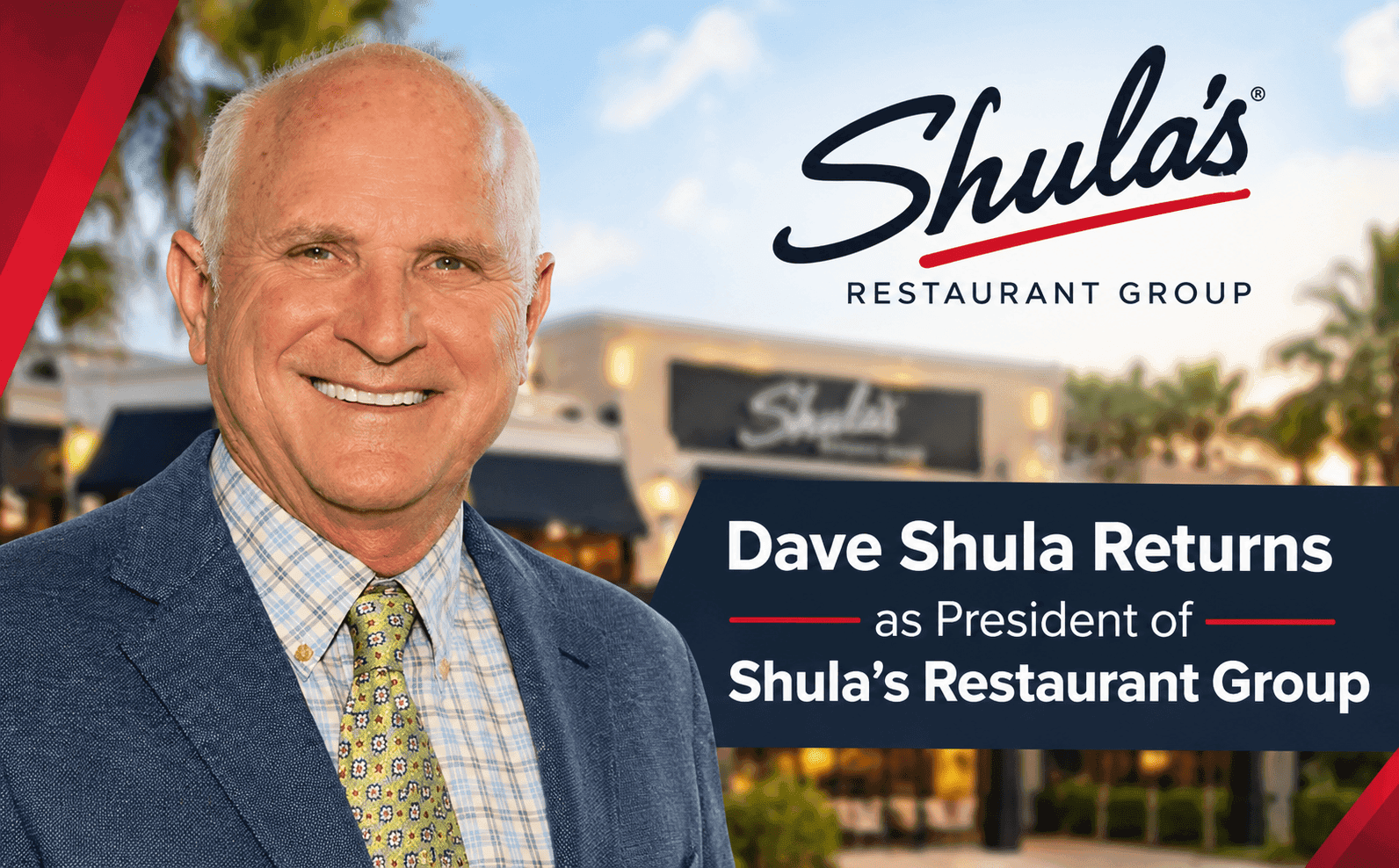
Dave Shula Returns as President of Shula's Restaurant Group
Dave Shula rejoins Shula's Restaurant Group as president, leading growth into Palm Beach Gardens and a 2027 Thomasville, Georgia expansion.
News
Sep 23, 2026
Dave Shula rejoins Shula's Restaurant Group as president, leading growth into Palm Beach Gardens and a 2027 Thomasville, Georgia expansion.
Sep 23, 2026
McDonald's commits $8.5 billion through 2036 to modernize restaurants, boost cash flow by $100,000 per store, and grow chicken and beverage sales.
Sep 23, 2026
WKS Restaurant Group promotes Jay Spongberg to president and COO after he helped grow the company from 65 to 382 restaurants over 16 years.
Sep 23, 2026

Smokey Mo's BBQ names Von Dawson, a Dine Brands veteran, as VP of Franchise Development to lead its Texas expansion strategy.
Sep 23, 2026
.png&w=3840&q=70)
Meritage Hospitality's Chapter 11 filing pulls 5% of Wendy's U.S. stores into bankruptcy, exposing cracks in franchising's bigger-is-safer bet.
Sep 21, 2026
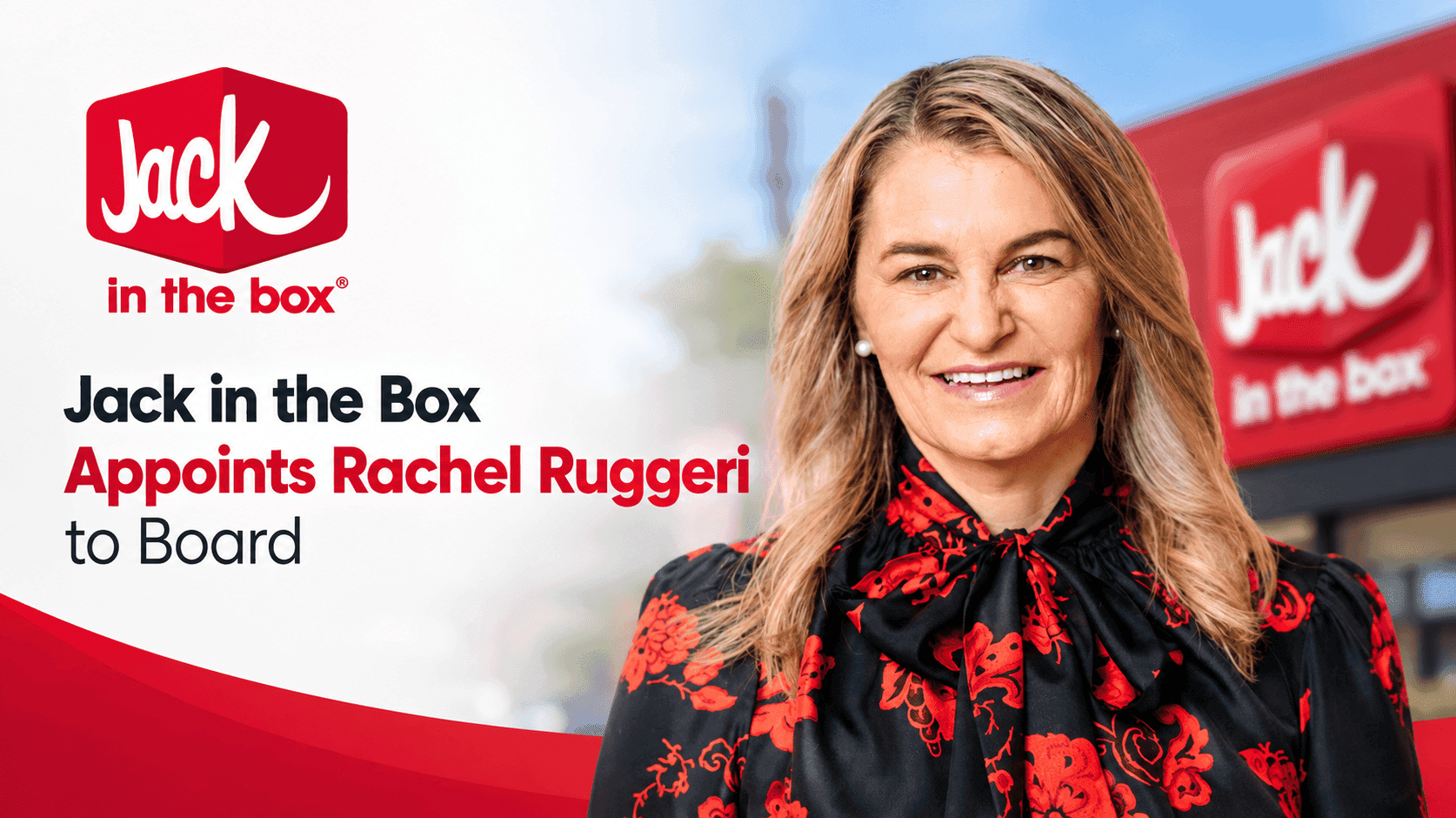
Jack in the Box names Rachel Ruggeri to its board as Michael Murphy retires, amid a CEO transition and deal with investor GreenWood.
Sep 21, 2026
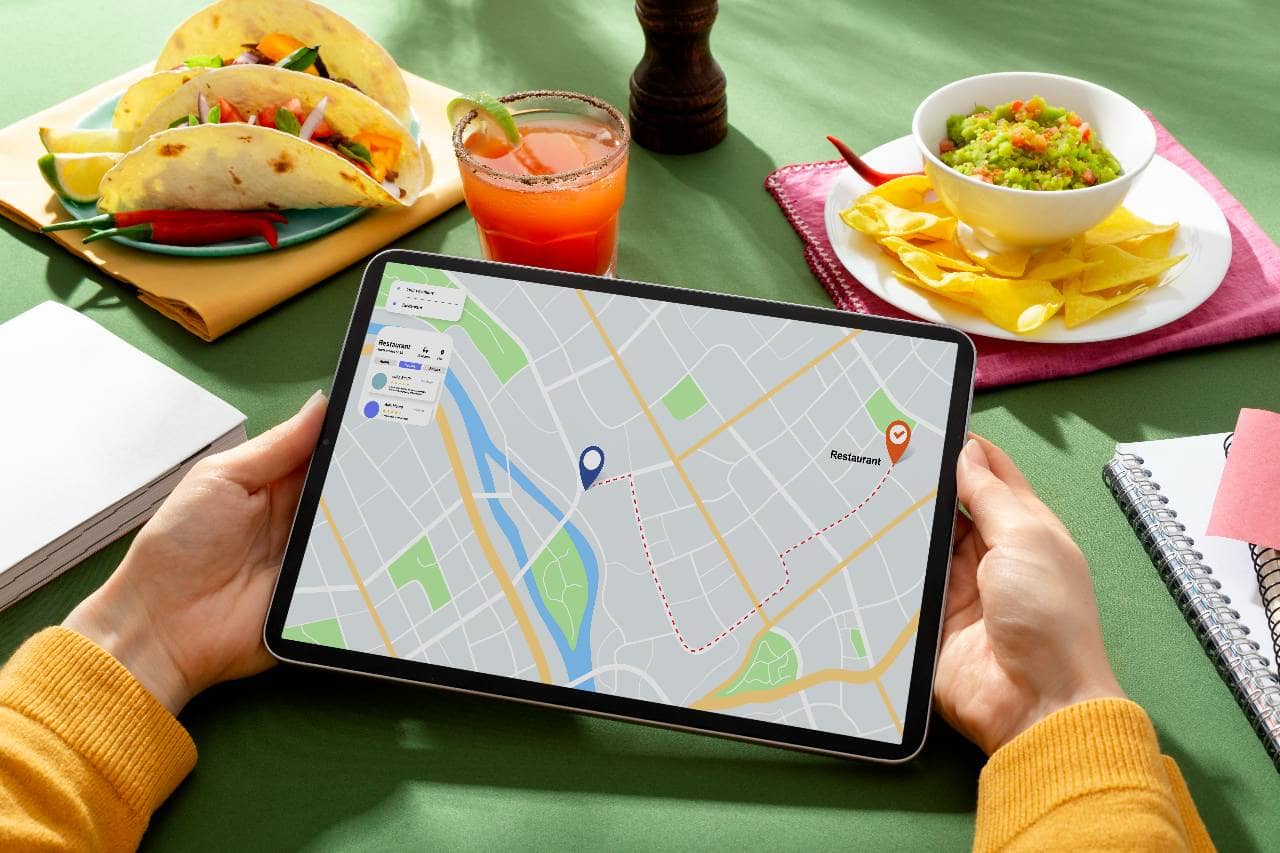
Improve restaurant Google Maps rankings by optimizing your business profile, selecting accurate categories, gathering reviews, adding photos, and strengthening local relevance signals.
Sep 21, 2026

Restaurant inventory tracking helps owners monitor stock, control food costs, reduce waste, improve purchasing, and make informed operational decisions.
Sep 21, 2026

Restaurant owners can significantly reduce restaurant costs by leveraging technology across inventory, labor, procurement, forecasting, and administrative operations for better profit margins.
Sep 18, 2026

Understand how to forecast restaurant revenue and expenses with methods for sales projection, cost scaling, fixed-cost planning, and risk buffering.
Sep 18, 2026

Unlock Exclusive Access To Webinars, Events, And The Latest News For Free!
Shake Shack lowered Q2 and full-year guidance amid a value war and macro headwinds; shares fell 9% as analysts cut targets and the company tightened openings.
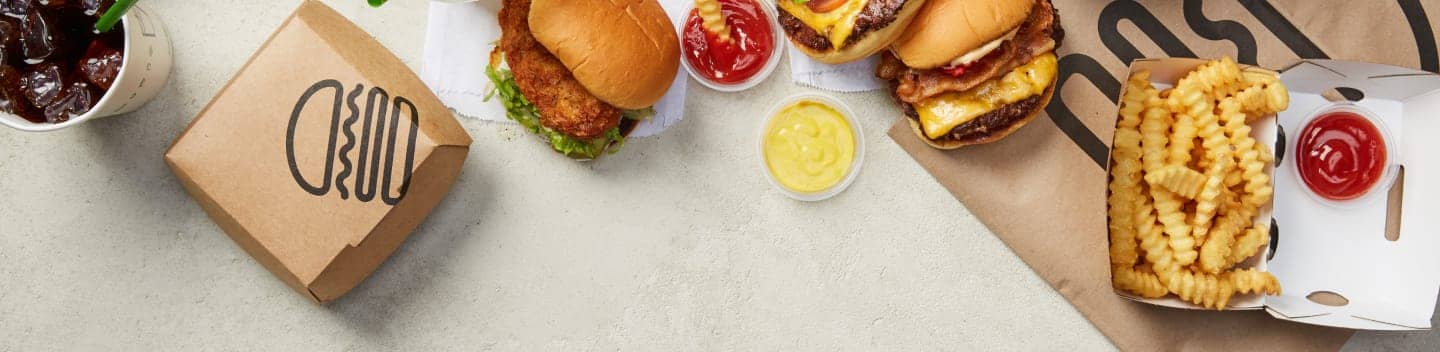
Shake Shack Inc. lowered its second-quarter and full-year targets on June 2, 2026, citing mounting competitive pressures and macroeconomic uncertainty. The chain now expects Q2 same-store sales growth of 2.5% to 3.0%, down from 3.0% to 5.0%, revenue of $415 million to $420 million, below $424 million to $428 million, and restaurant-level profit margins of 22.0% to 23.0%, trimmed from 24.0% to 24.5%. Shares fell more than 9% in early trading, touching $68.50, one of the steepest single-day drops for the stock in more than a year.
Only a few weeks earlier, Shake Shack sounded far more bullish. The company opened a record 17 company-operated locations in the first quarter and lifted its full-year unit plan to 60 to 65 new Shacks. Guidance issued on May 7 called for 3% to 5% Q2 comp growth and the same 60 to 65 openings for the year. The June 2 update, filed via an 8-K and timed ahead of a string of June investor conferences, aligns forecasts with preliminary, unaudited results and sets a more conservative tone in an evolving consumer environment.
The mechanics are straightforward. The revised Q2 guide narrows expected revenue by $9 million at the midpoint and shifts comps down by roughly 1.0 percentage point. New-unit ambitions for the quarter were tightened to 16 openings from a previously stated 16 to 19. Full-year adjusted EBITDA is now projected at $225 million to $235 million, cut from $230 million to $245 million, and net income guidance moved to $45 million to $55 million from $50 million to $60 million. The company cautioned the figures are unaudited and could differ materially.
Investors did not wait for the fine print. Shares slid more than 9% on June 2 to trade as low as $68.50. Analysts reset their models quickly: TD Cowen cut its price target from $105 to $76 and kept a hold rating, citing softer same-store sales and margin pressures. Barclays lowered its target from $118 to $96 while maintaining an overweight call. Zacks Research trimmed its Q2 EPS estimate to $0.42 from $0.46. Truist Financial went the other way, lifting its price objective to $148 and pointing to a potential valuation gap after the selloff.
Pressure is building across the sector. Rising gasoline prices and broad economic uncertainty are tamping consumer spending, and a value war has many chains discounting core menu items. The National Restaurant Association projects total restaurant and foodservice sales of $1.55 trillion in 2026, with real sales growth of just 1.3%, a modest gain under strained conditions. Even so, Circana ranks Shake Shack among the top 50 U.S. restaurant brands by consumer spending, a sign of sturdy brand equity as margin headwinds persist.

Wild cards remain. Management has noted that unpredictable weather weighed on April sales. Supply chain disruptions, inflationary food and labor costs, and geopolitical risks such as tariffs or conflicts in the Middle East could still drag on results. The company’s risk disclosures flag labor shortages, commodity price volatility, and new-store performance as key variables. Given the guidance is preliminary and unaudited, investors should expect updates as Q2 results are finalized.
Leadership is signaling resolve. CEO Rob Lynch said "fundamental business drivers remain strong" and that strategic priorities, digital expansion, operational efficiency, and brand innovation, are intact. Executives plan to walk investors through unit economics and long-term priorities during meetings throughout June. Management described the reset as a tactical response to conditions rather than a fundamental shift in the company’s growth trajectory, with the near-term focus on protecting margins and pacing development at 16 openings for the quarter while the value battle plays out.
