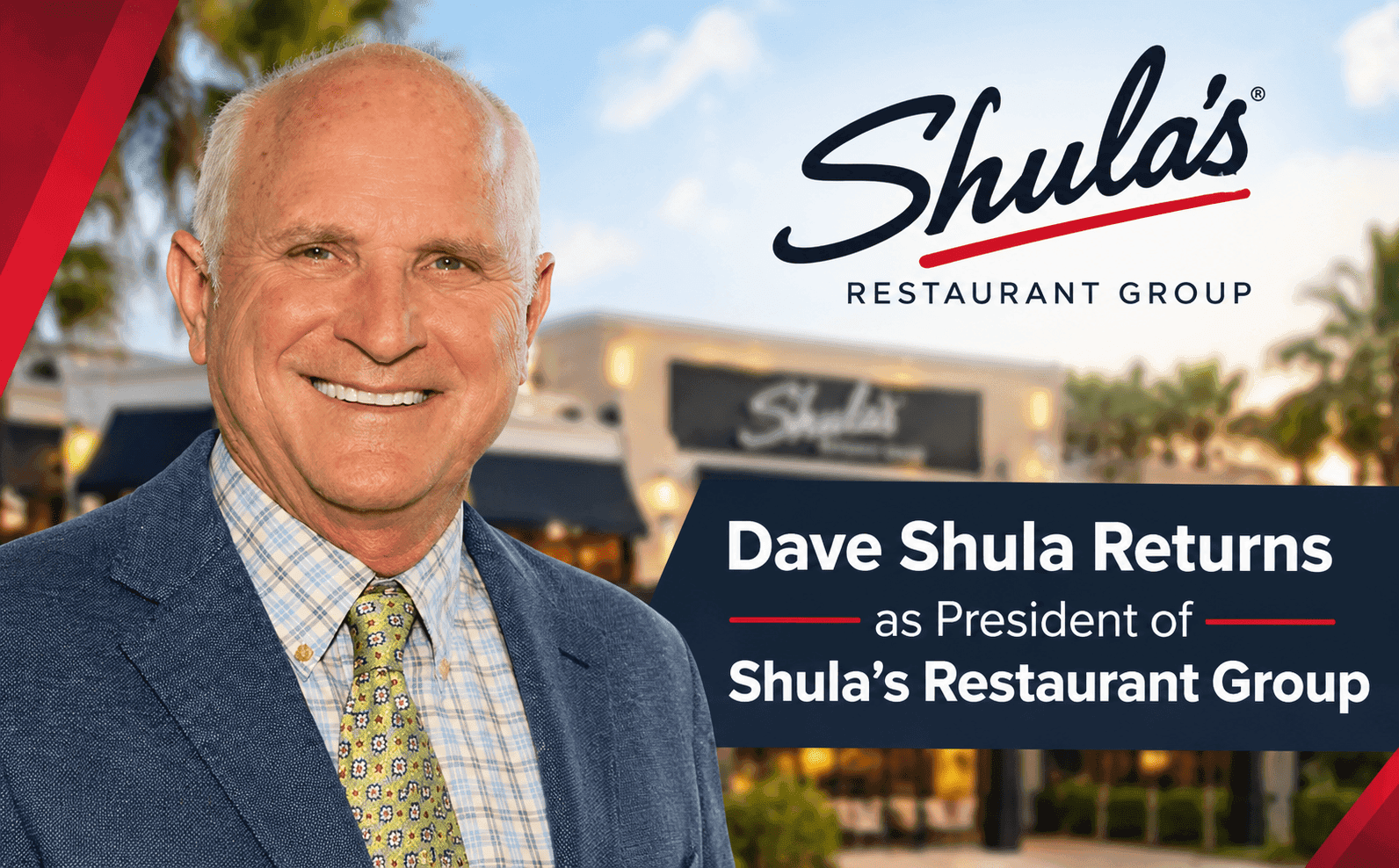
Dave Shula Returns as President of Shula's Restaurant Group
Dave Shula rejoins Shula's Restaurant Group as president, leading growth into Palm Beach Gardens and a 2027 Thomasville, Georgia expansion.
News
Sep 23, 2026
Dave Shula rejoins Shula's Restaurant Group as president, leading growth into Palm Beach Gardens and a 2027 Thomasville, Georgia expansion.
Sep 23, 2026
McDonald's commits $8.5 billion through 2036 to modernize restaurants, boost cash flow by $100,000 per store, and grow chicken and beverage sales.
Sep 23, 2026
WKS Restaurant Group promotes Jay Spongberg to president and COO after he helped grow the company from 65 to 382 restaurants over 16 years.
Sep 23, 2026

Smokey Mo's BBQ names Von Dawson, a Dine Brands veteran, as VP of Franchise Development to lead its Texas expansion strategy.
Sep 23, 2026
.png&w=3840&q=70)
Meritage Hospitality's Chapter 11 filing pulls 5% of Wendy's U.S. stores into bankruptcy, exposing cracks in franchising's bigger-is-safer bet.
Sep 21, 2026
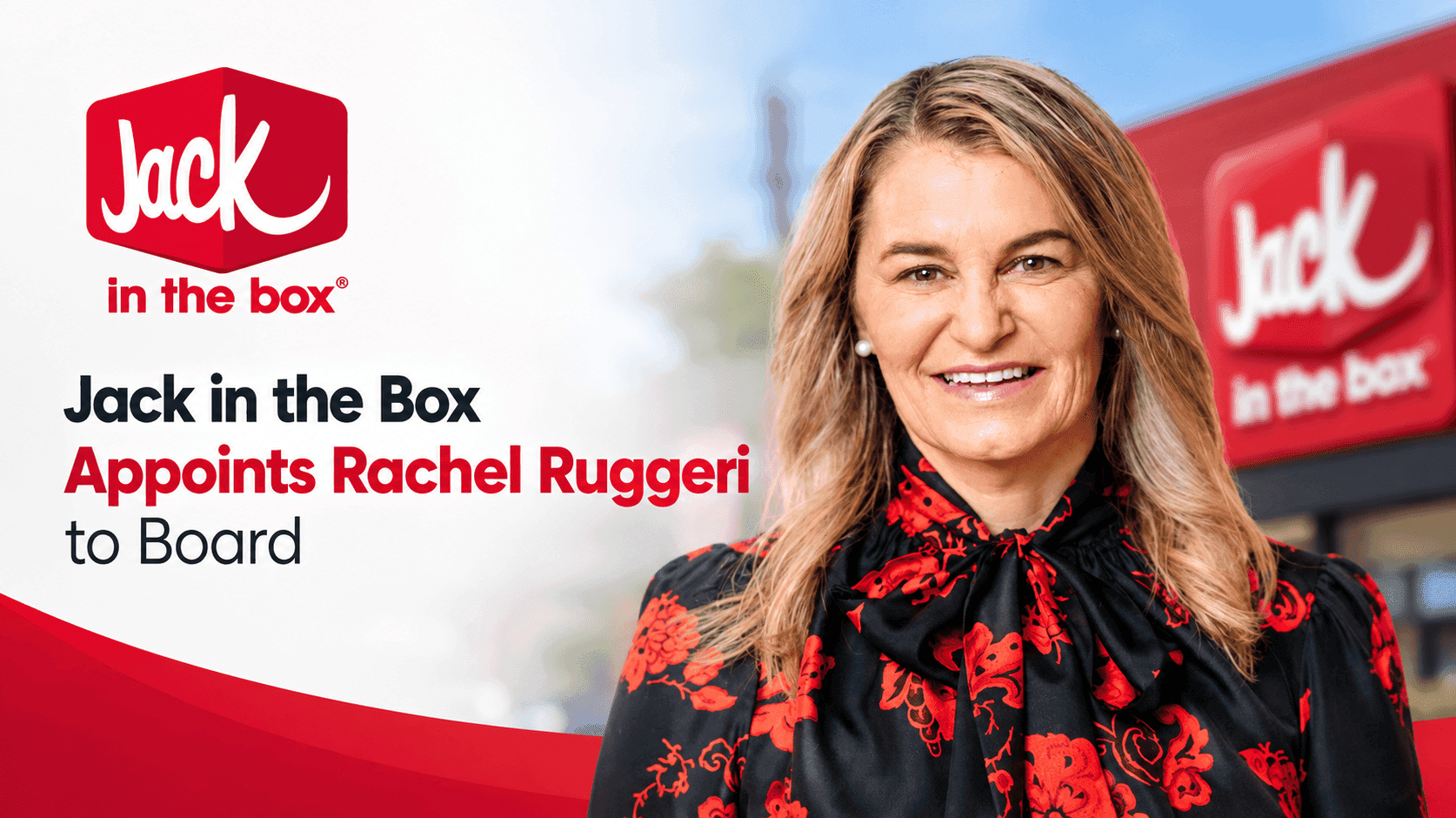
Jack in the Box names Rachel Ruggeri to its board as Michael Murphy retires, amid a CEO transition and deal with investor GreenWood.
Sep 21, 2026

Improve restaurant Google Maps rankings by optimizing your business profile, selecting accurate categories, gathering reviews, adding photos, and strengthening local relevance signals.
Sep 21, 2026

Restaurant inventory tracking helps owners monitor stock, control food costs, reduce waste, improve purchasing, and make informed operational decisions.
Sep 21, 2026

Restaurant owners can significantly reduce restaurant costs by leveraging technology across inventory, labor, procurement, forecasting, and administrative operations for better profit margins.
Sep 18, 2026

Understand how to forecast restaurant revenue and expenses with methods for sales projection, cost scaling, fixed-cost planning, and risk buffering.
Sep 18, 2026

Unlock Exclusive Access To Webinars, Events, And The Latest News For Free!
A thoughtful look at how quick-service restaurants build speak-up cultures, protect workers, and strengthen brands through anti-retaliation safeguards and practical training.

Photo by Tony Rocket
From the hum of a dining room to the quiet corners of a back office, the conversation around safety in quick-service restaurants has shifted from policy ping-pong to everyday practice. Leaders now speak of safety as a living, breathing pillar of culture, one that shapes hiring, training, and how teams show up for one another. The mood is patient and hopeful, a reminder that a café-like space of ease can exist even in a high-pressure service world. This is where the story of speak-up begins: not as a momentary policy update, but as a sustained invitation to care for people. So how does it begin?
Physical and emotional safety for employees has become a critical concern within the quick-service restaurant (QSR) industry. In this shift, safety is not a checkbox but a strategic driver of retention, guest experience, and financial resilience. The objective, then, is to translate that impulse into concrete actions, clear reporting channels, refreshed policies, and stronger follow-through that protects people, strengthens teams, and sustains performance. The U.S. Department of Labor underscores a legal backbone: whistleblower protections shield employees who report issues relating to safety and other protected activities, and retaliation for such reporting is illegal. That legal frame supports a growing conviction that speak-up is not a risk, but a talent accelerator and risk-management tool for operators.
A solid foundation begins with robust anti-retaliation policies that protect reporters and bystanders alike. Retaliation can take many forms, formal and subtle, and the policies must be clear about investigative fairness and consistent follow-through. When teams trust that speaking up will not cost them, they begin to engage more openly, and the work of safety becomes a shared responsibility rather than a top-down mandate. In practice, this means aligned procedures that staff can actually navigate, from the moment a concern is raised to the moment it is resolved.
Beyond policy, training anchors a speak-up culture across recruiting, onboarding, performance reviews, and exit interviews. ServSafe Workplace materials on ethics and reporting provide a practical backbone, and many operators are pairing anti-retaliation measures with dedicated training tools that help manage risks and nurture a positive tone. When front-line teams hear, practice, and rehearse responsible reporting, the rhythm of safety becomes embedded in daily routines.
We condemn sexual harassment. Period. Tipped, hourly, and salary workers all deserve the same level of respect and support. It does not matter if the harasser is a customer, a colleague or a manager, it will not be tolerated in our industry. This firm stance from the National Restaurant Association signals the industry’s seriousness about reporting and remediation. Alongside condemnation, the association points to improved training programs to help prevent and respond to harassment in the workplace. Leadership messaging and practical training walk hand in hand, shaping decision-making in real time.

The statements from industry leaders are matched by concrete steps: clearer expectations, accessible channels, and testing scenarios that put staff in real-life moments. As workplaces become sites of ongoing learning, harassment prevention training is treated as essential, not optional, so decisions in the moment reflect a culture that respects every team member.
The policy framework is only as strong as its enforcement. The U.S. Department of Labor whistleblower protections anchor a landscape where penalties, remedies, and timelines can vary by sector and by state. Enforcement across the United States is fragmented across OSHA, MSHA, OFCCP, WHD, and VETS, which means operators must navigate a patchwork of rules. In 2025, workplace violence prevention mandates and related training gained renewed focus in several states, shaping the compliance terrain for restaurant operators.

Connecticut’s earlier training requirements and Illinois’ minimum annual harassment-prevention standards illustrate how policy evolves with time and place. Operators must align policies, training, and reporting processes with current law and best practice, and they must keep content fresh as new risks emerge. The result is ongoing experimentation with training formats and duration to maximize engagement, while staying compliant and compassionate.
A speak-up culture anchored by anti-retaliation safeguards, rigorous training, and transparent reporting processes is more than compliance, it’s a strategic differentiator. When workers understand and trust the reporting process and feel protected from retaliation, retention rises, morale lifts, and teams become more innovative. As the industry faces heightened regulatory and social scrutiny, ethics and safety are becoming essential to sustained growth and reputational strength. Operators who invest in these areas position themselves to deliver steadier service, lower risk of costly lawsuits, and stronger brand loyalty, outcomes that matter as labor markets tighten and guest expectations rise.

The kitchen is more than a line of stations, it’s a place where trust is kneaded into every shift. When safety feels like a shared, lived experience, teams stay longer, guests return more often, and a cafe-quiet sense of ease threads through a busy day. The path forward isn’t only about policy; it’s about singing a consistent, humane chorus that invites talk, listening, and care.
