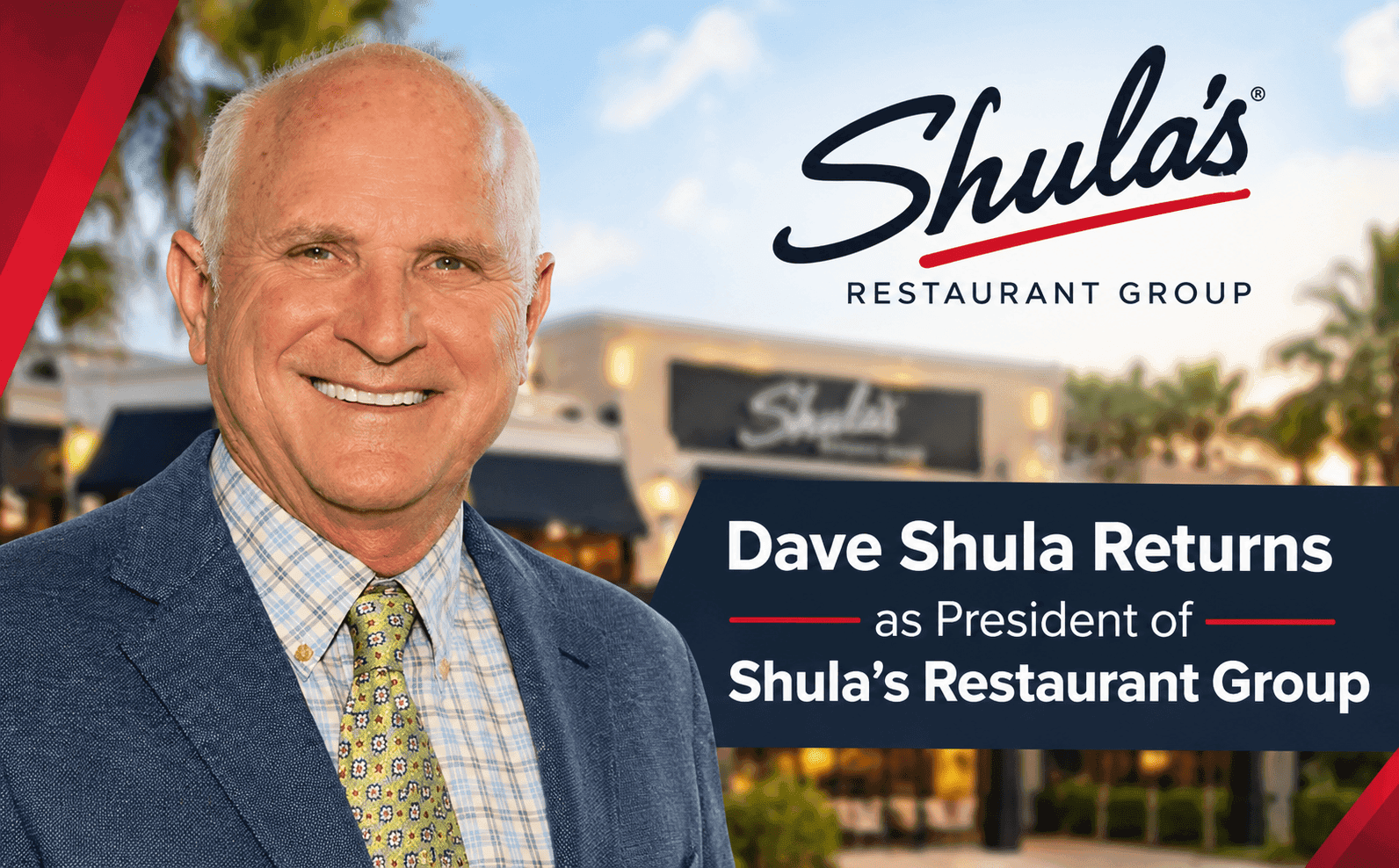
Dave Shula Returns as President of Shula's Restaurant Group
Dave Shula rejoins Shula's Restaurant Group as president, leading growth into Palm Beach Gardens and a 2027 Thomasville, Georgia expansion.
News
Sep 23, 2026
Dave Shula rejoins Shula's Restaurant Group as president, leading growth into Palm Beach Gardens and a 2027 Thomasville, Georgia expansion.
Sep 23, 2026
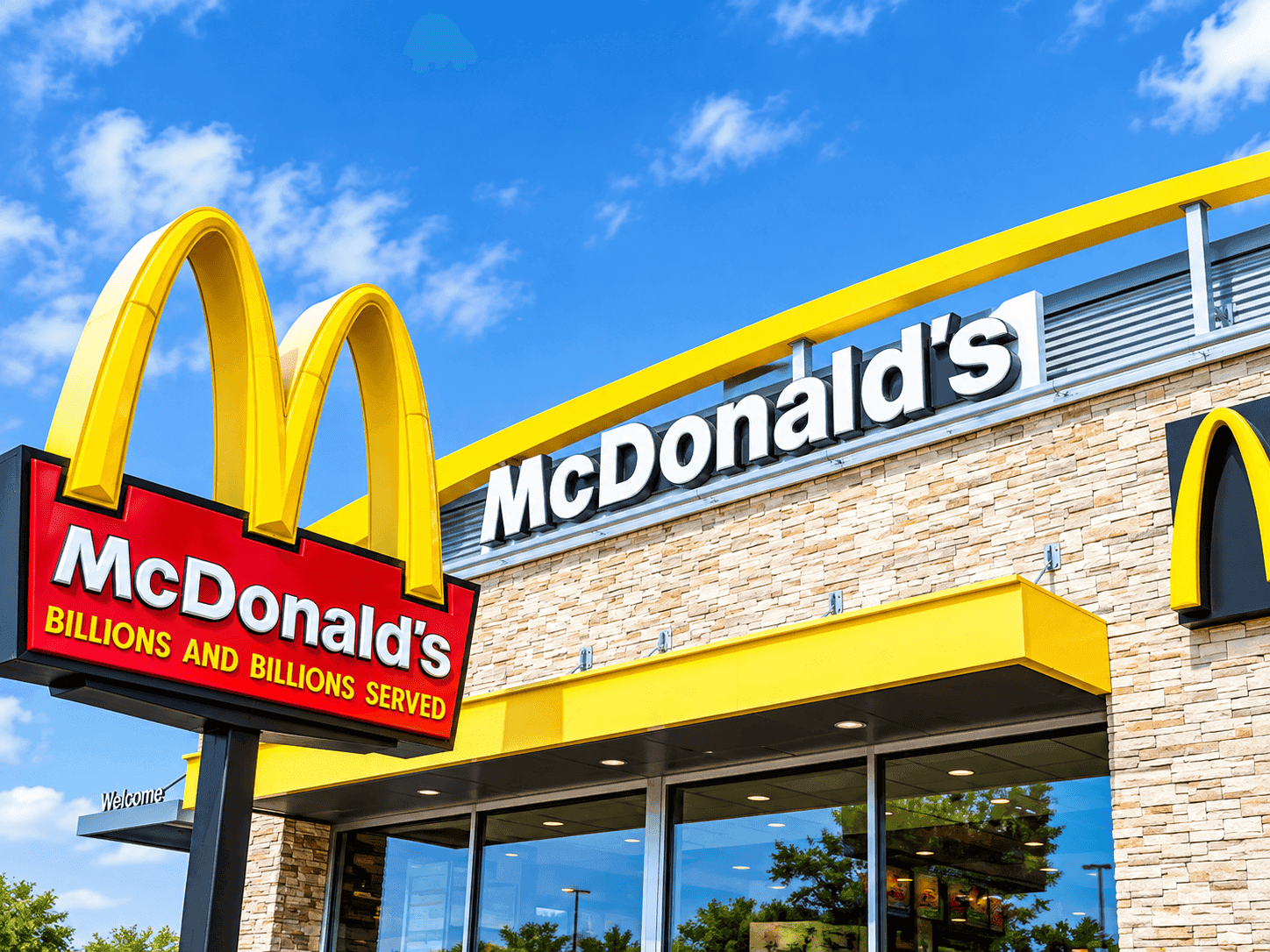
McDonald's commits $8.5 billion through 2036 to modernize restaurants, boost cash flow by $100,000 per store, and grow chicken and beverage sales.
Sep 23, 2026
WKS Restaurant Group promotes Jay Spongberg to president and COO after he helped grow the company from 65 to 382 restaurants over 16 years.
Sep 23, 2026

Smokey Mo's BBQ names Von Dawson, a Dine Brands veteran, as VP of Franchise Development to lead its Texas expansion strategy.
Sep 23, 2026
.png&w=3840&q=70)
Meritage Hospitality's Chapter 11 filing pulls 5% of Wendy's U.S. stores into bankruptcy, exposing cracks in franchising's bigger-is-safer bet.
Sep 21, 2026
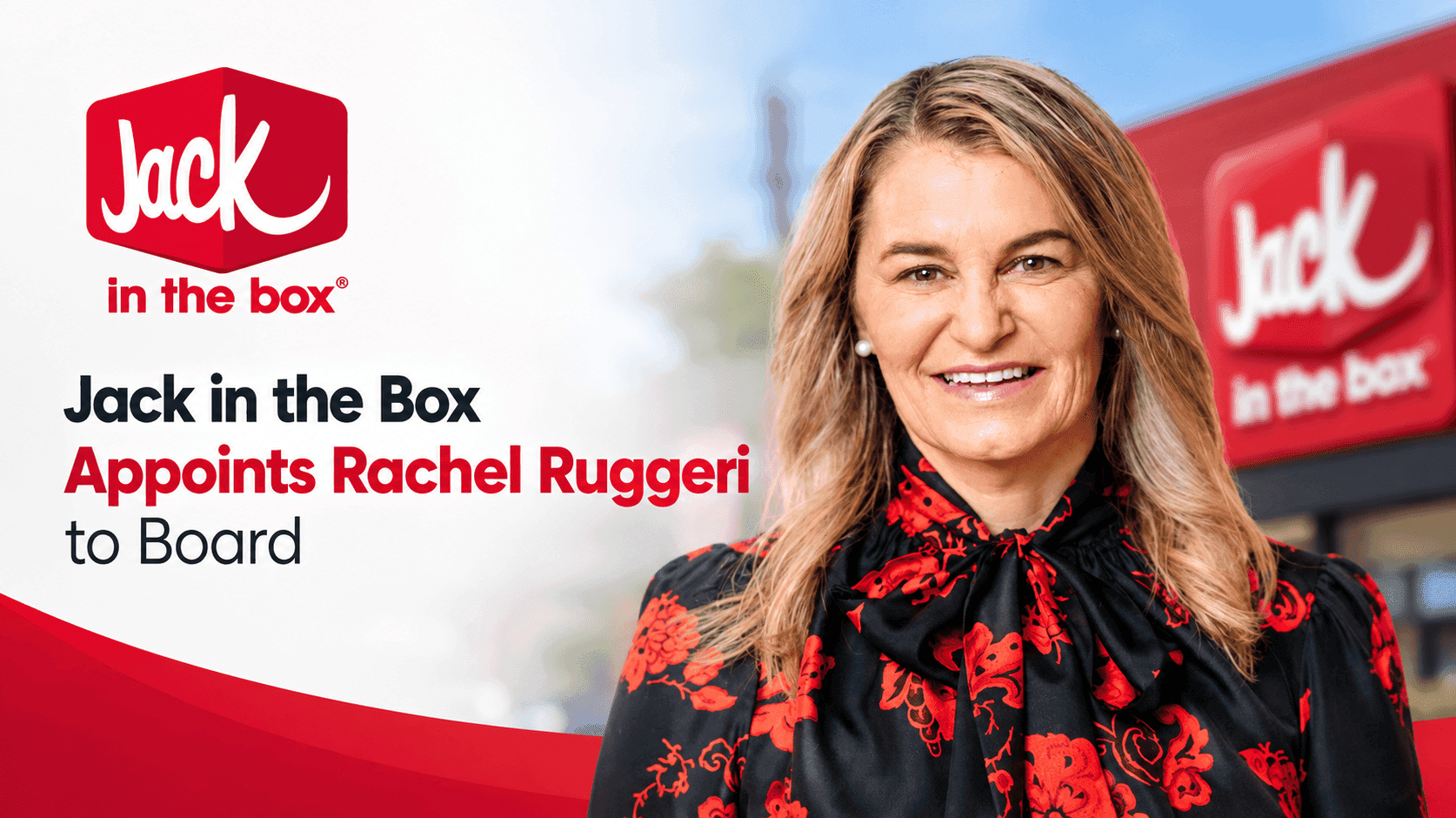
Jack in the Box names Rachel Ruggeri to its board as Michael Murphy retires, amid a CEO transition and deal with investor GreenWood.
Sep 21, 2026
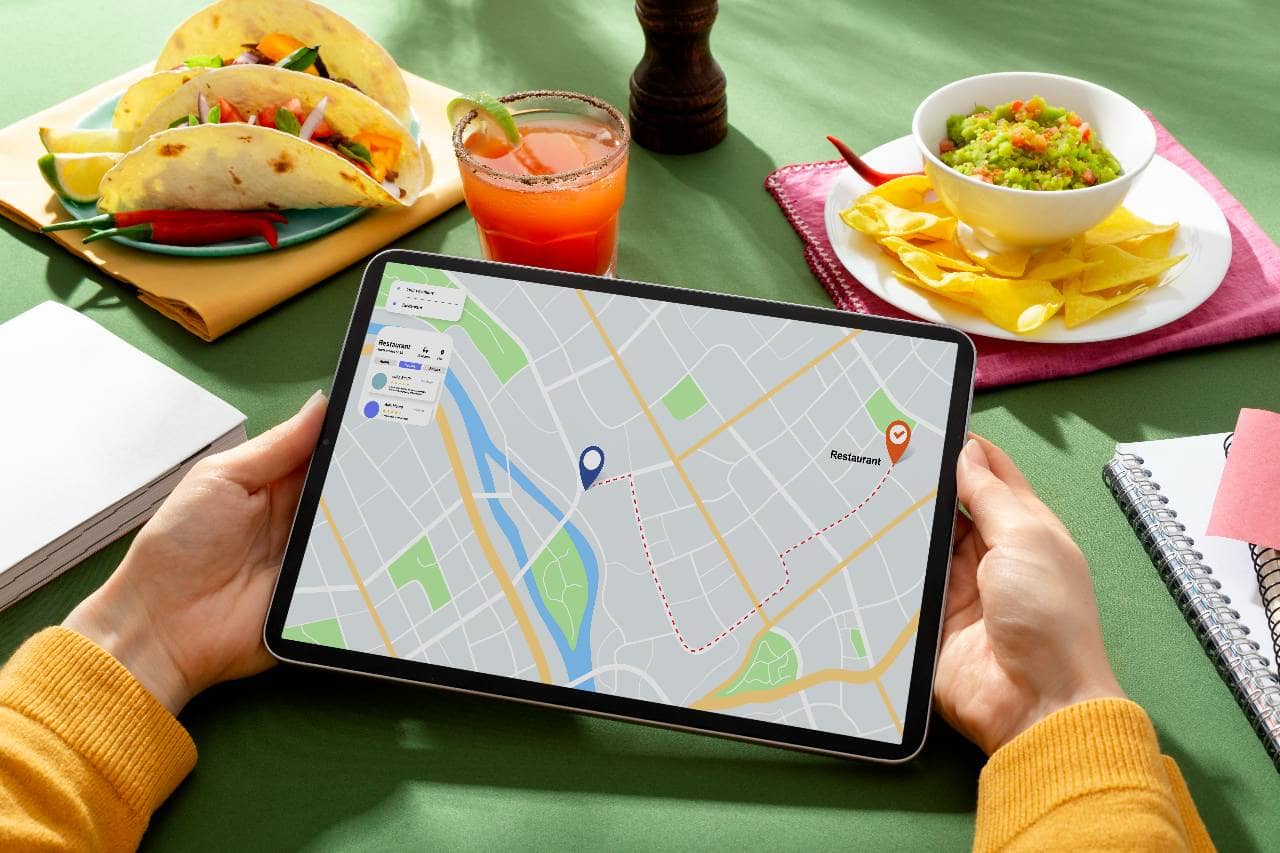
Improve restaurant Google Maps rankings by optimizing your business profile, selecting accurate categories, gathering reviews, adding photos, and strengthening local relevance signals.
Sep 21, 2026

Restaurant inventory tracking helps owners monitor stock, control food costs, reduce waste, improve purchasing, and make informed operational decisions.
Sep 21, 2026
Restaurant owners can significantly reduce restaurant costs by leveraging technology across inventory, labor, procurement, forecasting, and administrative operations for better profit margins.
Sep 18, 2026
Understand how to forecast restaurant revenue and expenses with methods for sales projection, cost scaling, fixed-cost planning, and risk buffering.
Sep 18, 2026

Unlock Exclusive Access To Webinars, Events, And The Latest News For Free!
Starbucks returns to growth in Q2 FY26 as Back to Starbucks boosts comps, speeds service, and resets operations under Brian Niccol.

Photo by Nathan Dumlao
Starbucks posted its first quarter of both top and bottom line growth in more than two years, a clear sign that its reset is starting to stick. Global comparable store sales rose 6.2 percent in Q2 fiscal 2026. U.S. comps climbed 7.1 percent, powered by a 4.4 percent lift in transactions. “Our second quarter marked the turn in our turnaround as our Back to Starbucks plan drove both top and bottom line growth,” said Brian Niccol.
Strength was broad based, with positive comps across the company’s top ten international regions for the first time in nine quarters. North America net revenues reached 6.9 billion dollars, up 7 percent year over year, and International revenues grew 10 percent to 2.1 billion dollars.
Nearly two years into his tenure, Niccol has framed the work as a return to coffee house roots after inheriting understaffed, hardened outlets and “soulless experiences.” The urgency followed a May 2024 slump that saw domestic traffic plunge 7 percent and same-store sales decline 3 percent, which prompted Howard Schultz to write that, “The answer does not lie in data,” but rather “in the stores.”

Niccol’s push centers on presence and hospitality, with employees’ eyes up and smiles forward so cafés feel like destinations, not just convenience stops. He likens the ideal ambience to that of a Chinese restaurant, equally welcoming whether packed or quiet. Or as he put it at Bernstein’s conference, “I think at the crux of Starbucks is this soul in every transaction and every experience that needs to come forward.”
The operational redesign is sizable and specific. Starbucks deployed a 500 million dollar Green Apron Service model, the largest operating standards investment in 55 years, with a growth scorecard and repeatable guest processes that range from Matcha menu resets to energy Refresher programs. Supply chain work has focused on frequency and replenishment, and support-center teams have refocused on core initiatives. Innovation timelines have been cut from 18 months or more to eight months, with major offerings now rolling out every two to three months.

To lift throughput, the company introduced Smart Queue, replacing strict first-in, first-out sequencing with channel-aware production and clear handoff targets:
- Four-minute in-store handoff goal
- Four-minute drive-thru target
- 10 to 12 minute mobile pickup standard
The growth plan also includes a measured buildout. Company-operated international stores increased 3 percent in the past year, and the company guided to 600 to 650 net new global builds in fiscal 2026, including 150 to 175 domestic and 450 to 500 international, supported by a 2 billion dollar cost savings program through fiscal 2028.
Financial guardrails and portfolio moves are reinforcing the shift. Management said the Back to Starbucks plan has accelerated ahead of schedule, with Q2 marking the first quarterly top line and earnings growth since Q1 2024. In April 2026, Boyu-managed funds acquired 60 percent of Starbucks China retail operations under a joint venture, while Starbucks retained 40 percent ownership and licensing rights. The board declared a 0.62 dollar per share dividend payable May 29, 2026, to shareholders of record as of May 15, 2026.
CFO Cathy Smith, who joined from Nordstrom in March 2025, called prior underinvestment “clear, obvious” and “visible everywhere,” and credited the service model’s clarity with giving partners precise direction. She said stopping the remodel and Siren programs “cold” made room for faster, lighter remodels that restore seating overnight and return stores to service immediately.
The competitive backdrop remains intense, and the category is expanding. The global coffee shop market is projected to grow from 245.8 billion dollars in 2026 to 440.6 billion dollars by 2035 at a 6.7 percent CAGR, driven by demand for specialty beverages and in-store experiences. Dunkin’ reported systemwide sales of 14.65 billion dollars as of March 29, 2026, with domestic sales accounting for 90.7 percent of the total.

Starbucks’ momentum is real, yet consistency is not guaranteed. The next phase of Smart Queue, which will detect a mobile order’s on-premises arrival and cue production in real time, is still pending systemwide. Traffic has recovered but remains below 2023 volumes and well under 2019 peaks, which puts pressure on daypart innovation beyond the morning rush. Speed and accountability have improved at the support center, and the test now is sustaining that rigor across roughly 8,000 company-owned stores.
Guidance reflects growing confidence. Starbucks raised its fiscal 2026 outlook for comparable store sales growth to 5 percent or better and non-GAAP EPS to a range of 2.25 dollars to 2.45 dollars. The path forward pairs cultural rejuvenation with pragmatic tools, from Smart Queue to lighter remodels and quicker product cycles, and builds on platforms already resonating, including a 2 billion dollar Refresher business and seating-focused prototypes designed to make lingering feel natural.

The brand has capacity to capture more demand if it keeps stores welcoming, drinks exciting, and handoffs fast. The coming quarters will show whether this early lift can be scaled into durable growth.
