True Food Kitchen Files Bankruptcy, Closes 12 Sites
True Food Kitchen filed for Chapter 11 bankruptcy, closing 12 locations and shrinking to 34 restaurants across 14 states amid $42.1 million in debt.
News
Oct 5, 2026
True Food Kitchen filed for Chapter 11 bankruptcy, closing 12 locations and shrinking to 34 restaurants across 14 states amid $42.1 million in debt.
Oct 5, 2026

Snooze Eatery names industry veteran Amy Hom as COO, starting Sept. 28, to strengthen hospitality and operations ahead of its next growth phase.
Oct 5, 2026

Opening a second restaurant location requires readiness, clear goals, financial planning, funding, smart strategy, standardized operations, strong teams, and careful launch monitoring for sustainable growth.
Sep 30, 2026

Evaluate restaurant industry performance in Q3 2026 through key trends affecting restaurant sales, traffic, consumer spending, labor, costs, and technology.
Oct 2, 2026
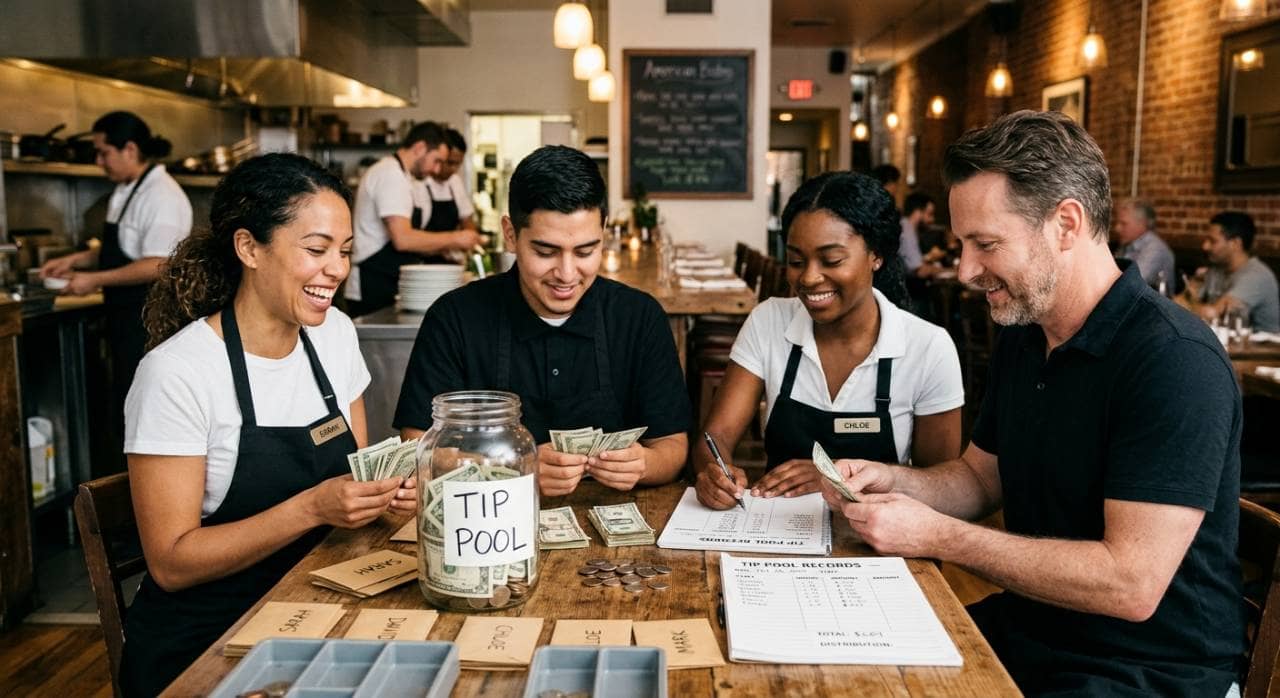
Understand tip pooling rules, employee eligibility, distribution methods, compliance requirements, recordkeeping practices, and policies restaurant owners need for proper tip management.
Oct 2, 2026

Whit's Frozen Custard hires industry veteran Amos Durbin as COO to guide franchise expansion, drawing on two decades of restaurant leadership experience.
Oct 2, 2026
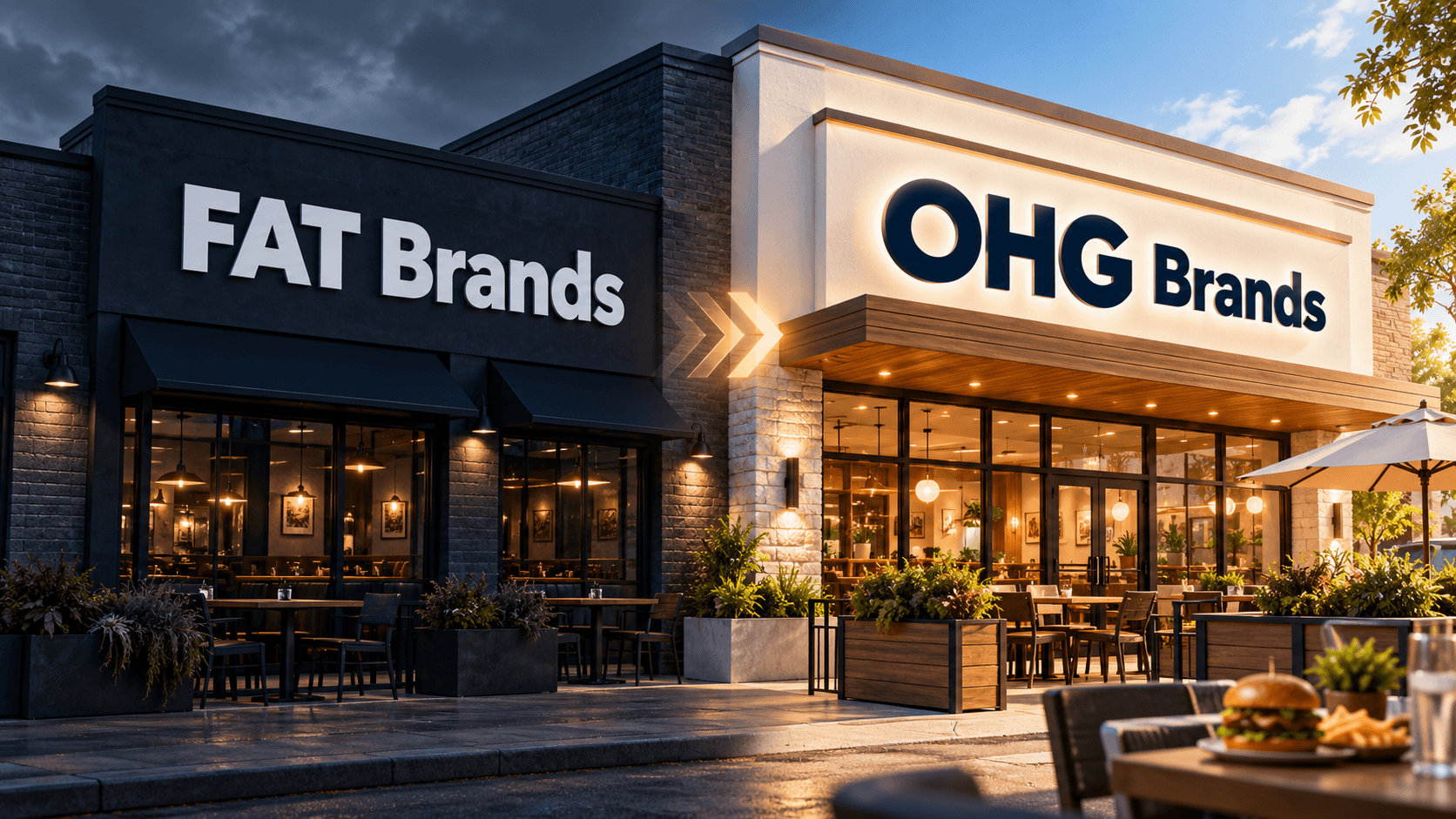
FAT Brands' $1B acquisition empire fell into bankruptcy and sold for $965M, re-emerging as OHG Brands with 1,700 restaurants.
Oct 1, 2026
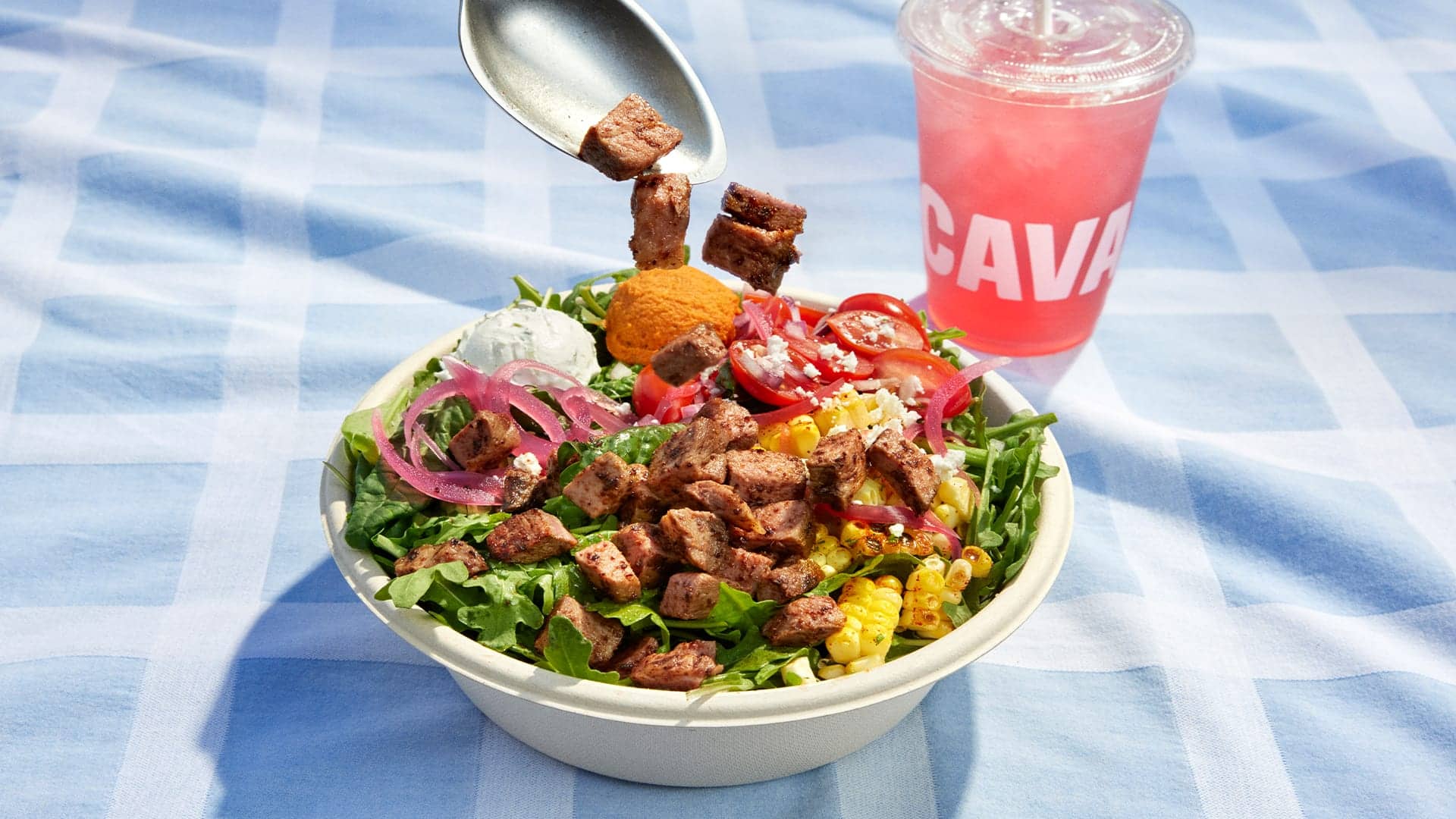
CAVA names John Ludeke, former Dr. Squatch Chief Brand Officer, as its new CMO to drive national growth and guest loyalty.
Oct 1, 2026
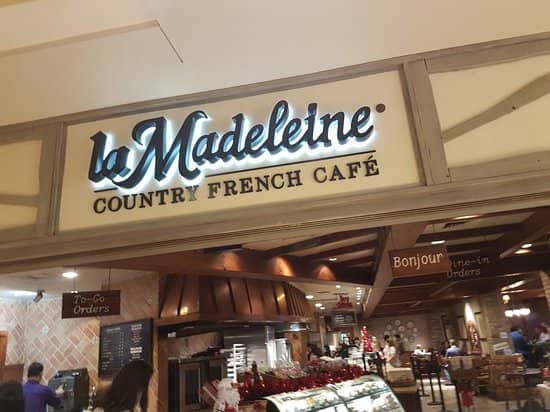
La Madeleine's CEO John Dillon steps down mid-turnaround, leaving a menu overhaul, new coffee program, and franchise growth plans in limbo.
Oct 1, 2026

Hot Head Burritos promotes longtime operator Peter Wiley to corporate VP, chief marketing and chief technology officer, blending brand strategy with tech oversight.
Oct 1, 2026

Unlock Exclusive Access To Webinars, Events, And The Latest News For Free!
Southpaw adds 43 Ohio Taco Bell restaurants to its impressive portfolio, highlighting franchise growth and strengthening the Midwest QSR landscape.
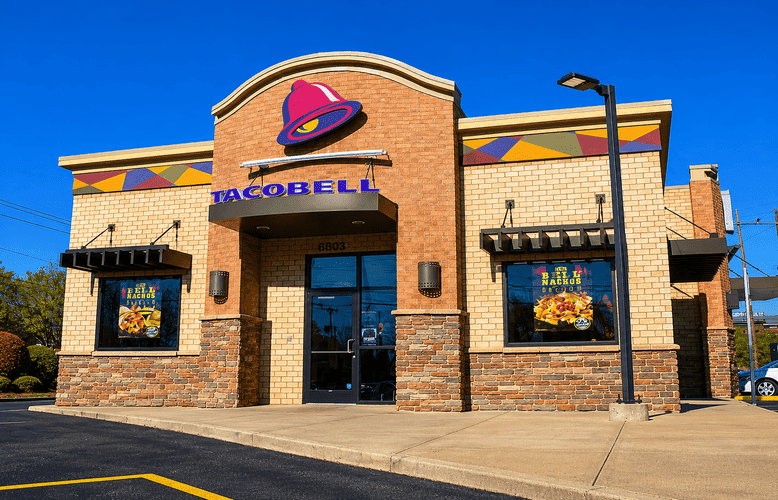
Franchise expansion continues to reshape the quick-service restaurant (QSR) landscape in the Midwest as Southpaw, a major multi-brand franchisee, takes ownership of 43 Taco Bell locations across Ohio. This strategic acquisition, facilitated by Mas Restaurant Group and supported by Bessemer Investors, is the latest in a series of high-profile sales within the Taco Bell franchise network. By expanding its portfolio, Southpaw extends its operational reach - already spanning New York, New Jersey, Maryland, Kentucky, Georgia, and Louisiana - into an important new region for QSR development. Such activity not only highlights the steady confidence investors have in the Taco Bell brand, but also underscores how shifting ownership can energize local restaurant markets and present new opportunities for operational excellence.
Consistent performance and brand strength make Taco Bell an attractive target for multi-unit operators looking to grow. Despite a challenging restaurant environment, Taco Bell has reported an impressive 8% increase in same-store sales in the first quarter - a testament to its consumer loyalty, menu innovation, and streamlined operations. Add to that the brand’s unique competitive position in the fast-food Mexican category, and it’s not surprising that these franchises fetch multiples as high as ten times EBITDA on the secondary market. For franchisees like Southpaw, taking over a large block of high-performing stores accelerates growth and creates opportunities to leverage best-in-class practices across new markets.
Transitioning ownership for such a large number of restaurant locations calls for strong managerial and operational continuity. Mas Restaurant Group credits the “strength of culture and dedication of team members” as foundational to the value of its departing stores, while Southpaw’s leadership promises to sustain best-in-class customer service and operational standards in Ohio. As franchisees evolve, so does their focus on technology adoption, labor optimization, and guest experience - all key drivers for successful multi-location operators. With advisory support from Piper Sandler and Unbridled Capital, transactions like these demonstrate the increasing sophistication and professionalism of today’s top franchise groups, ensuring seamless changes that benefit both employees and customers.
Growing regional footprints is a prevailing trend as restaurant groups look to balance risk, maximize returns, and standardize operations across multiple territories. Southpaw’s acquisition exemplifies this approach, transforming it into a truly multi-state powerhouse within the Taco Bell and Dunkin’ networks. For operators, acquisitions on this scale offer more than just volume - they deliver shared resources, sophisticated training programs, and enhanced career pathways for staff. As restaurant ownership becomes more professionalized and investment-backed, expect more deals like this to reshape the QSR competitive landscape in the years ahead.
Restaurant buyers who successfully integrate new locations know that long-term value comes from nurturing culture, upskilling staff, and sustaining excellent service - regardless of who owns the business. The Midwest expansion by Southpaw not only signals confidence in Taco Bell as a resilient QSR leader, but also sets a template for other franchise operators seeking smart, growth-oriented strategies. For industry players, these moves are a clear reminder - prepared, well-funded operators leveraging proven brands will continue to find opportunities - especially in secondary markets hungry for innovation and operational rigor.
Key takeaway for restaurant operators and managers is the necessity to stay agile, informed, and ready to seize new growth - the Taco Bell Midwest expansion is a case in point. Robust brands with scalable models attract investor interest and unlock transformation opportunities for seasoned franchise players. By actively building culture and leveraging operational expertise, leaders can weather transitions and deliver value in even the most competitive markets. As major players like Southpaw stake their claim in new regions, the broader lesson is this - growth is there for those ready to act strategically and embrace change.