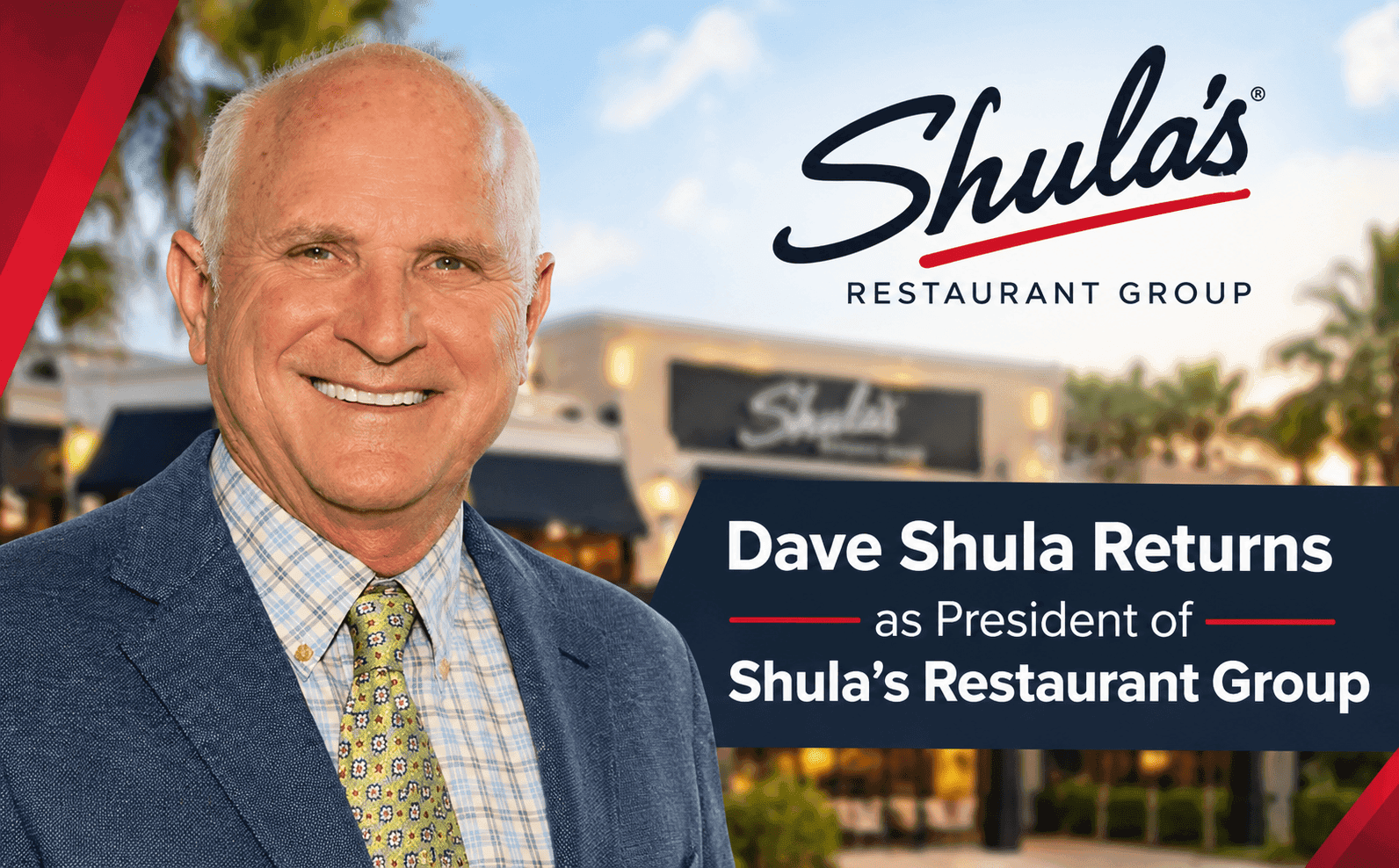
Dave Shula Returns as President of Shula's Restaurant Group
Dave Shula rejoins Shula's Restaurant Group as president, leading growth into Palm Beach Gardens and a 2027 Thomasville, Georgia expansion.
News
Sep 23, 2026
Dave Shula rejoins Shula's Restaurant Group as president, leading growth into Palm Beach Gardens and a 2027 Thomasville, Georgia expansion.
Sep 23, 2026
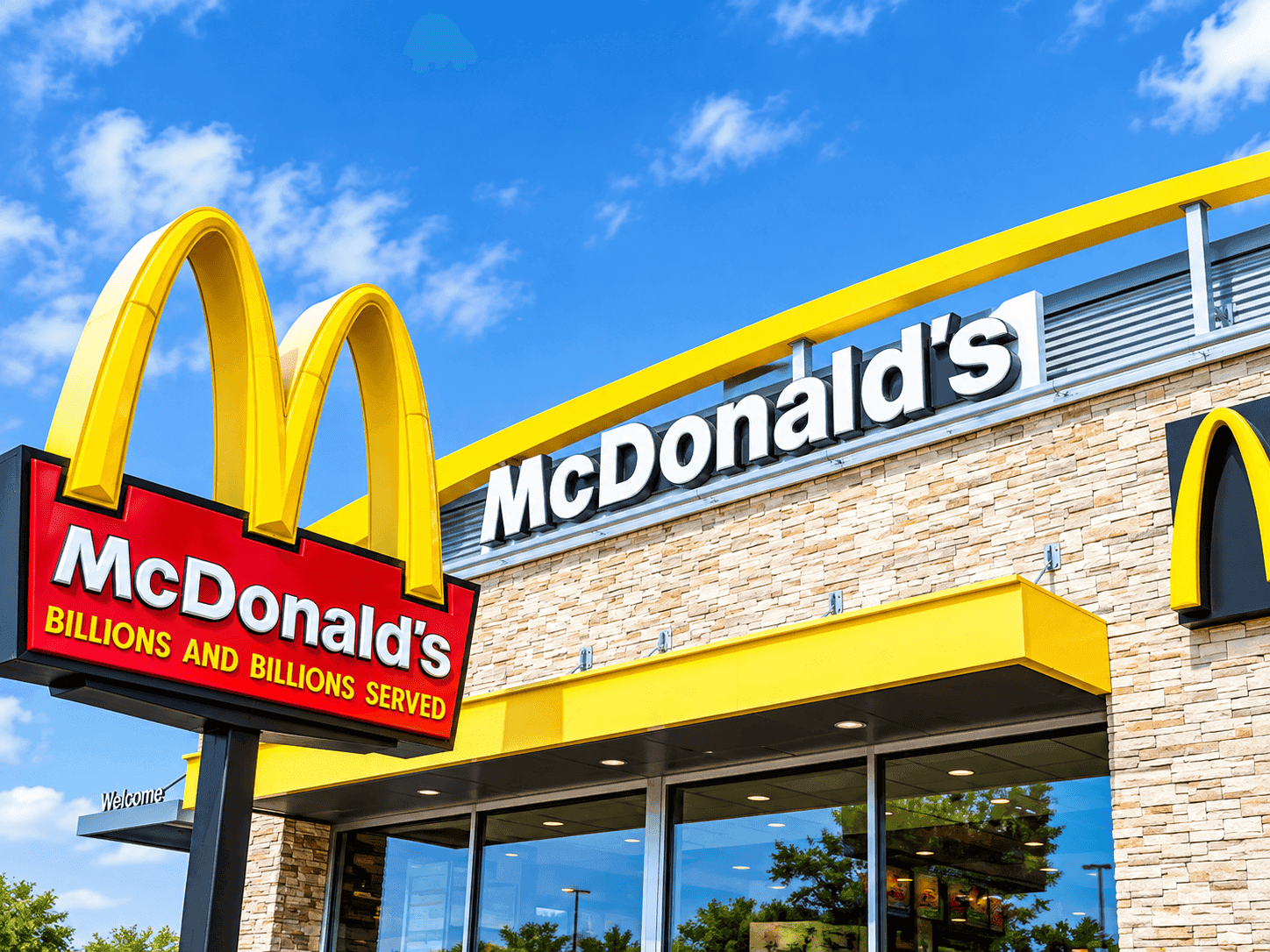
McDonald's commits $8.5 billion through 2036 to modernize restaurants, boost cash flow by $100,000 per store, and grow chicken and beverage sales.
Sep 23, 2026
WKS Restaurant Group promotes Jay Spongberg to president and COO after he helped grow the company from 65 to 382 restaurants over 16 years.
Sep 23, 2026

Smokey Mo's BBQ names Von Dawson, a Dine Brands veteran, as VP of Franchise Development to lead its Texas expansion strategy.
Sep 23, 2026
.png&w=3840&q=70)
Meritage Hospitality's Chapter 11 filing pulls 5% of Wendy's U.S. stores into bankruptcy, exposing cracks in franchising's bigger-is-safer bet.
Sep 21, 2026
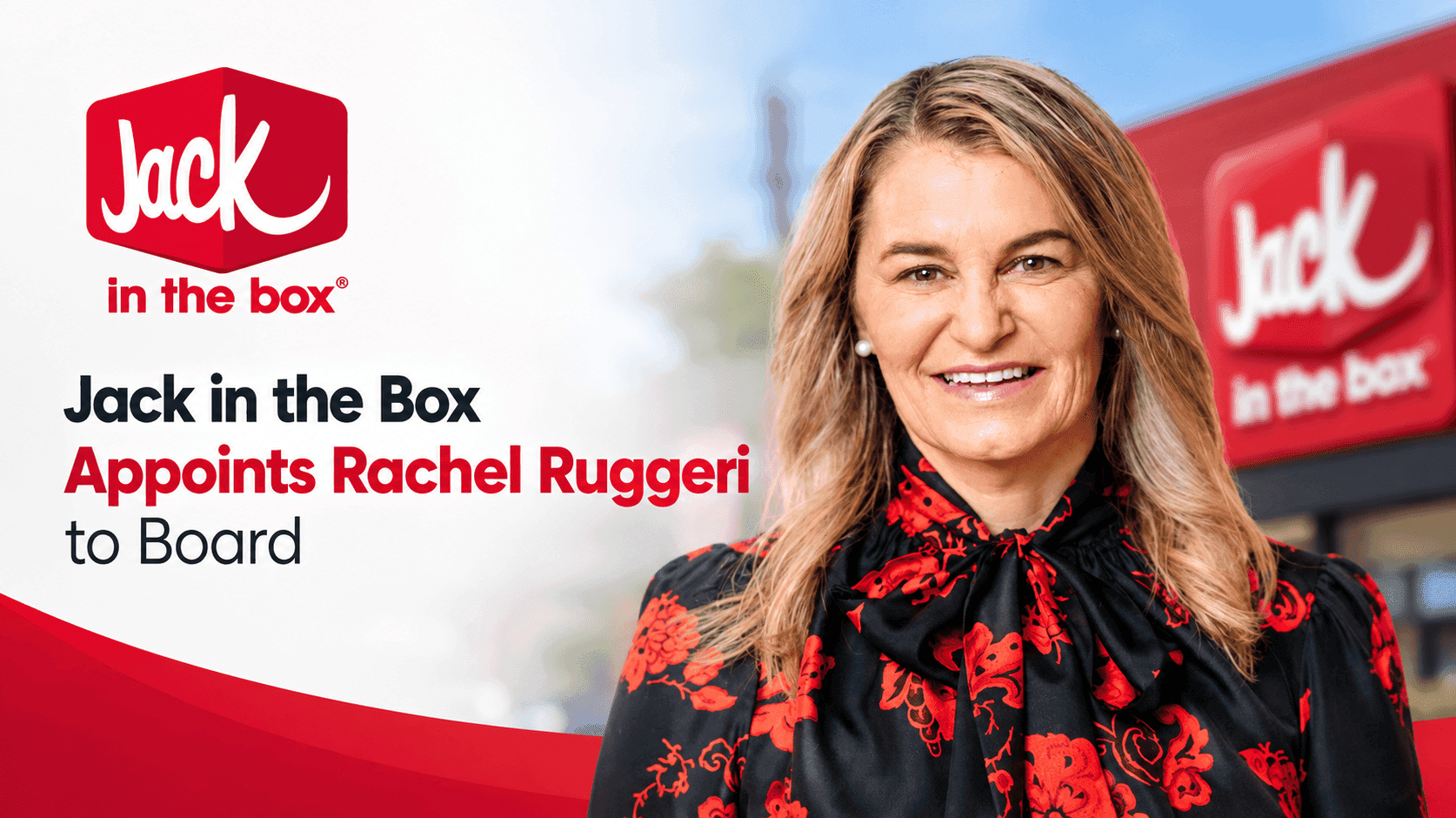
Jack in the Box names Rachel Ruggeri to its board as Michael Murphy retires, amid a CEO transition and deal with investor GreenWood.
Sep 21, 2026
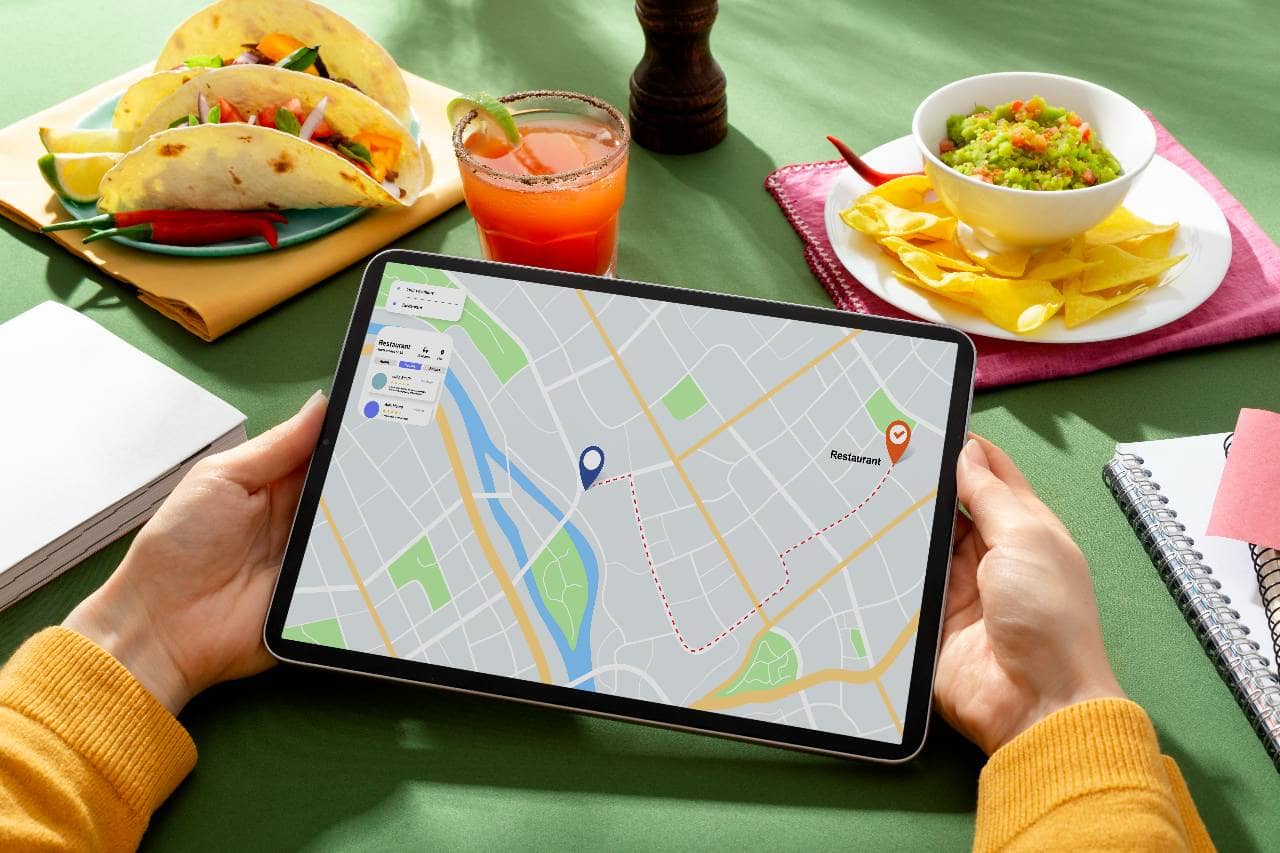
Improve restaurant Google Maps rankings by optimizing your business profile, selecting accurate categories, gathering reviews, adding photos, and strengthening local relevance signals.
Sep 21, 2026

Restaurant inventory tracking helps owners monitor stock, control food costs, reduce waste, improve purchasing, and make informed operational decisions.
Sep 21, 2026

Restaurant owners can significantly reduce restaurant costs by leveraging technology across inventory, labor, procurement, forecasting, and administrative operations for better profit margins.
Sep 18, 2026

Understand how to forecast restaurant revenue and expenses with methods for sales projection, cost scaling, fixed-cost planning, and risk buffering.
Sep 18, 2026

Unlock Exclusive Access To Webinars, Events, And The Latest News For Free!
A deep dive into Texas Roadhouse's Q3 2025 momentum, local-market strategy, and what lies ahead for 2026.

Photo by Kate Trysh
Texas Roadhouse is not dialing back. In a market cooling for many casual-dining players, Texas Roadhouse delivered a standout Third Quarter 2025 Results that show traffic rising and to-go orders growing. Comparable restaurant sales at company-owned locations jumped 8.5%, with traffic up more than 5%. Average weekly sales per company restaurant rose to $149,176 from $138,668 a year earlier, while to-go orders added about $18,914 per week. The message from CEO Jerry Morgan is blunt and confident: "We do all the things great restaurants do – greet people, get them fed, thank them ... We just double down on everything we do." This is how the brand anchors growth: steady execution, food quality, and community ties.
That momentum rests on an operating model built for local markets rather than splashy nationwide campaigns. The results read like a roadmap: moments of growth driven by fundamentals, great food, attentive service, and a connection to the communities each restaurant calls home. It’s a reminder that operational discipline can outlast flashy promotions, even when the macro backdrop is uncertain.
Background And Motivations
Behind the quarterly glow lies a strategy built on discipline and local ties. Jerry Morgan frames the path as fundamentals, food quality, service, and community connections, over sweeping, one-size-fits-all campaigns. The emphasis on a locally led growth engine helped stores rebound after hurricanes and laid the groundwork for expansion through targeted moves in markets where the brand already resonates.
13 franchised restaurants were planned to join the portfolio, seven in Indiana and Ohio and six in California, acquired at the start of 2025, funded by cash reserves. Michael Bailen, head of investor relations, described these acquisitions as incremental to volume and margin dollars within the long-standing framework. Chief Financial Officer Chris Monroe added that empowering operators to compete daily is “a fixture of the company’s long-term strategy for over two decades.” The move reinforces a community-centric model and helped stores rebound from disruptive weather.
Growth remains rooted in local execution and a steady pace of expansion rather than chasing headlines. The acquisitions tie into a broader plan: deepen footprint with measured risk and preserve margins through disciplined costs and pricing choices. It’s a clear statement that growth can be deliberate and resilient when tied to community ties.
Mechanics In Motion captures the essence of Texas Roadhouse’s operating push. The company is accelerating digital upgrades in the kitchen, with more than 200 locations completing kitchen digitalization and 250 conversions expected by year-end. The broader portfolio target sits at 770-plus locations by the end of 2025, underpinned by ongoing same-store growth and disciplined capital allocation. This is the backbone of a strategy that balances growth with cost discipline.
Seven company restaurants and two franchise restaurants opened in the most recent period, with more openings anticipated as the year unfolds. The capital program remains structured: dividends, repurchases, and selective franchise acquisitions work in concert to support growth without losing sight of shareholders.
All told, the operating engine is built to scale: modernization, disciplined openings, and a consistent value proposition that keeps guests coming back. It isn’t flashy, but it is effective, and that’s the flavor of a long-term plan that actually sounds like it could work in real communities.
Reactions And Quotes from the leadership orbit around resilience and value. Morgan emphasized that traffic gains helped offset commodity inflation pressures, while reaffirming a capital-allocation stance designed to strengthen the balance sheet, support new-store development, and lift shareholder value. He also stressed that the firm would continue to “leverage its financial position to fund growth and maintain its value proposition in an uncertain environment.”
Monroe highlighted guests’ reception to pricing actions, noting that menu-price increases have not triggered guest pushback and that the brand remains focused on delivering perceived value. The cadence from Morgan and Monroe reinforces a steady, operationally driven expansion rather than heavy discounting.
Overall, the leadership chorus signals a durable, value-centered growth story. It’s a big win for a brand that keeps its eye on the fundamentals and the community it serves.
Outlook And Timelines lay out a cautious yet hopeful path. For 2025, the company expects continued comp growth and about a 5% store-week expansion, with a roughly 1.7% menu-price uplift at the start of Q4 and capex near $400 million. The 2026 guidance points to similar momentum: positive same-store sales growth and a 5%–6% store-week expansion, with commodity inflation around 7% and labor inflation in the 3%–4% range. A quarterly dividend of $0.68 per share was approved in November 2025.
Industry context frames the story: observers have noted Texas Roadhouse’s ascent as other casual-dining brands face headwinds. Analysts point to strong unit economics and a disciplined growth posture, with a blend of company-owned and franchised units and a growing digital footprint that supports selective expansion. In 2026, the brand is frequently cited as a benchmark for balancing price discipline with guest value and community-rooted marketing.
Gaps, uncertainties, and evidence gaps are acknowledged in the Q3 release: results depend on commodity costs, labor availability, weather, and macro conditions. The forward-looking statements carry a cautionary note, underscoring the need for ongoing operational discipline, supply-chain management, and smart menu-pricing to anchor value as the environment evolves. The takeaway is a durable engine, not a guarantee in a volatile market.
