Hardee's Taps Alisa Gmelich as New President
CKE Restaurants names marketing veteran Alisa Gmelich President of Hardee's, tasking her with rebuilding franchisee trust and driving growth.
News
Oct 7, 2026
CKE Restaurants names marketing veteran Alisa Gmelich President of Hardee's, tasking her with rebuilding franchisee trust and driving growth.
Oct 7, 2026
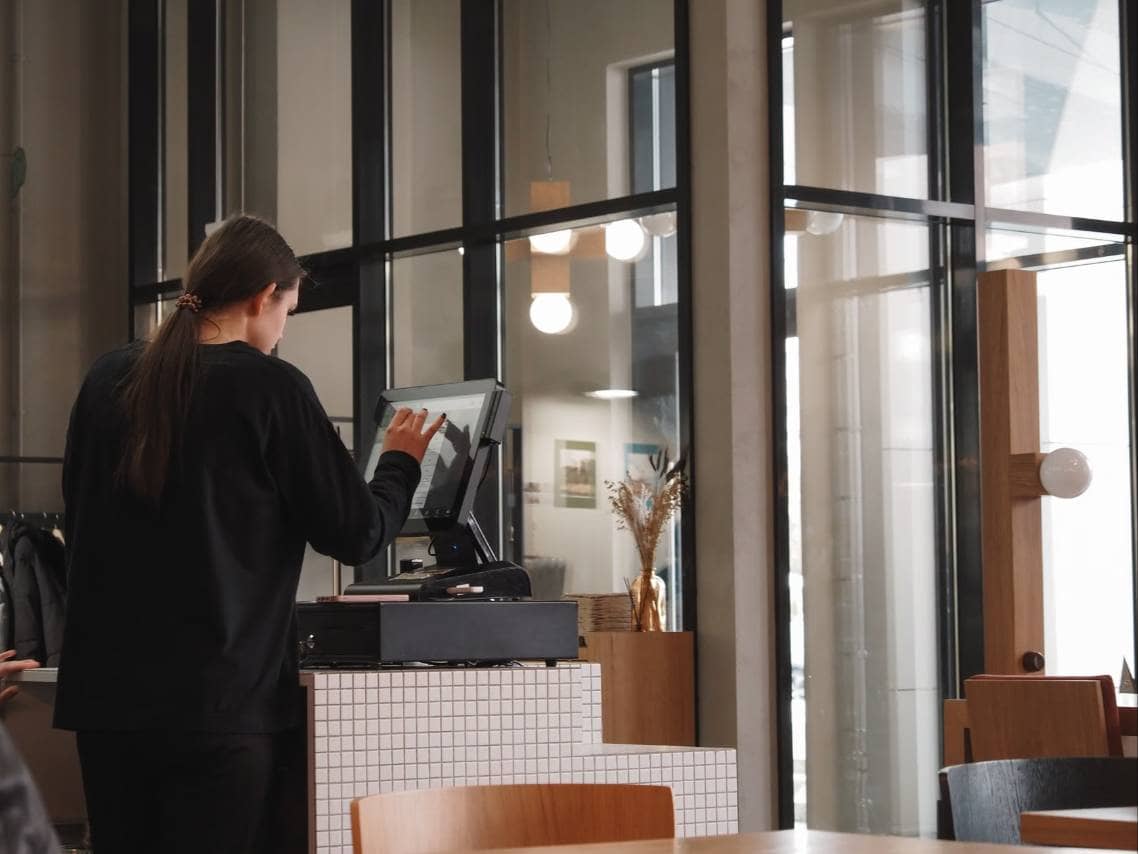
POS data helps restaurant owners control food costs by improving purchasing, reducing waste, optimizing portions, analyzing profitability, and managing inventory.
Oct 7, 2026

Understand overtime rules for restaurant employees, including eligibility, pay calculations, hours worked, compliance requirements, timekeeping, and overtime management.
Oct 7, 2026
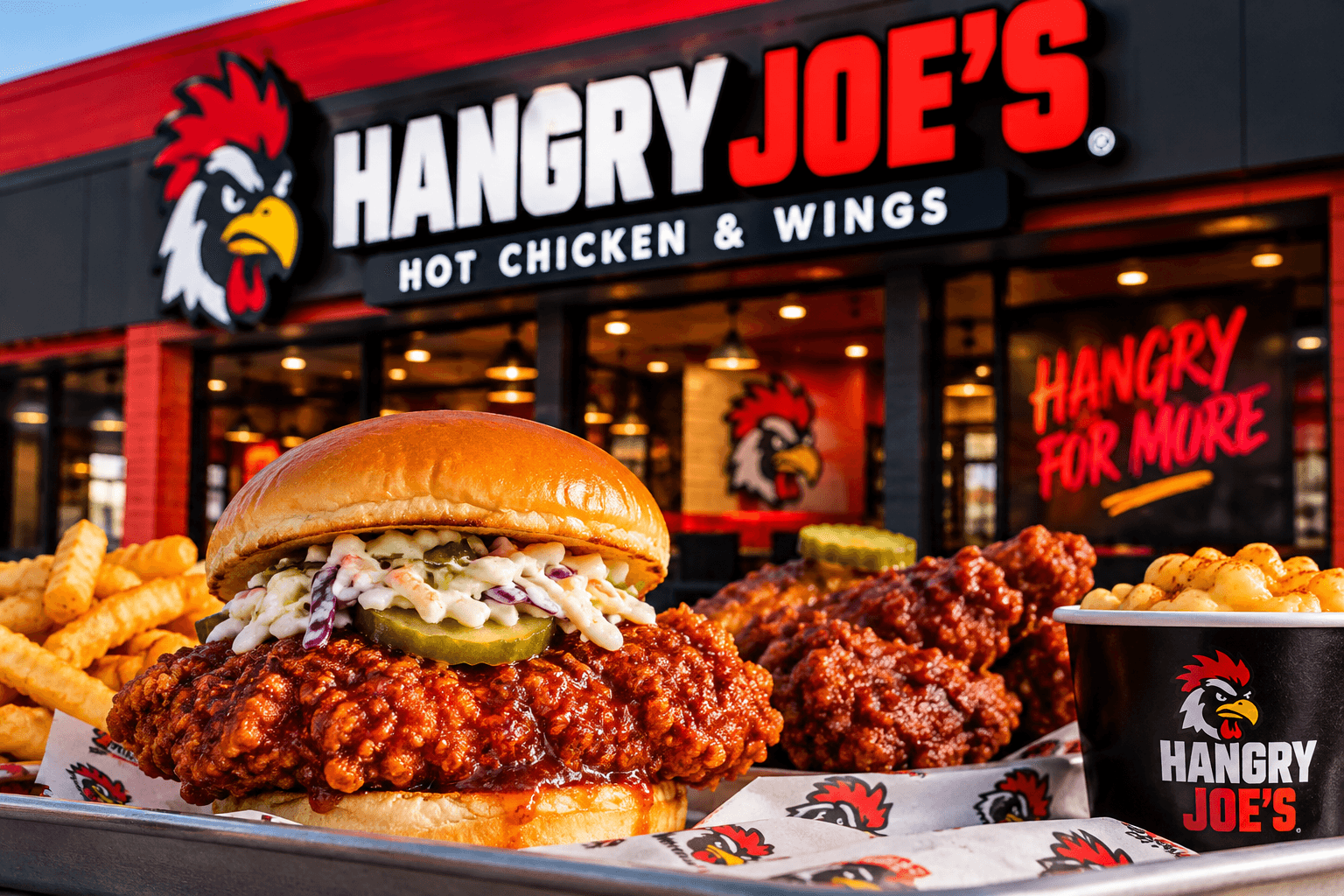
Hangry Joe's promotes insider Brandon Wilhelm to CEO, prioritizing franchisee profitability over rapid unit growth as the chain expands past 90 locations.
Oct 6, 2026
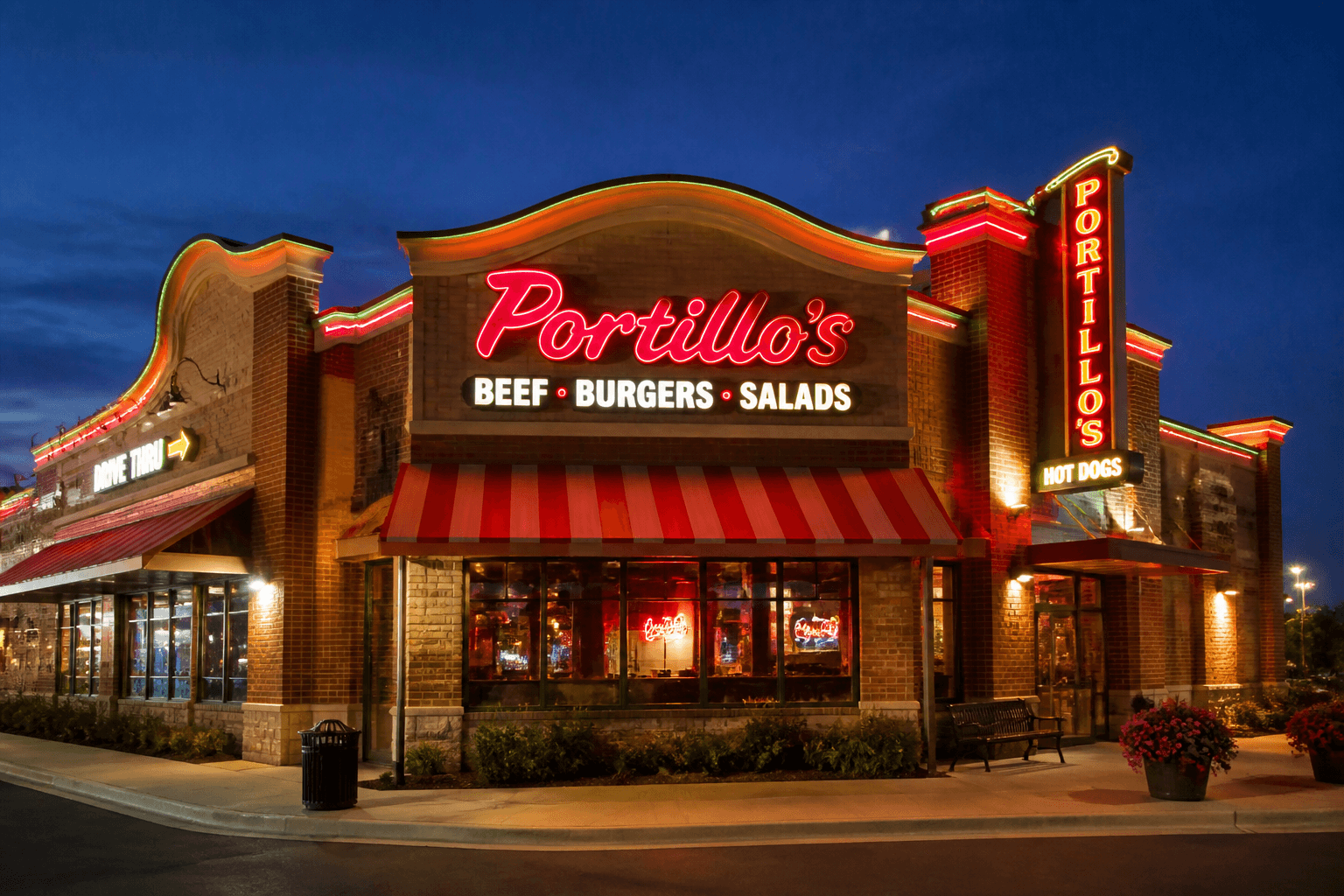
Portillo's chief people officer Jill Waite departs as new CEO Brett Patterson reshapes leadership with layoffs and fresh executive hires.
Oct 6, 2026
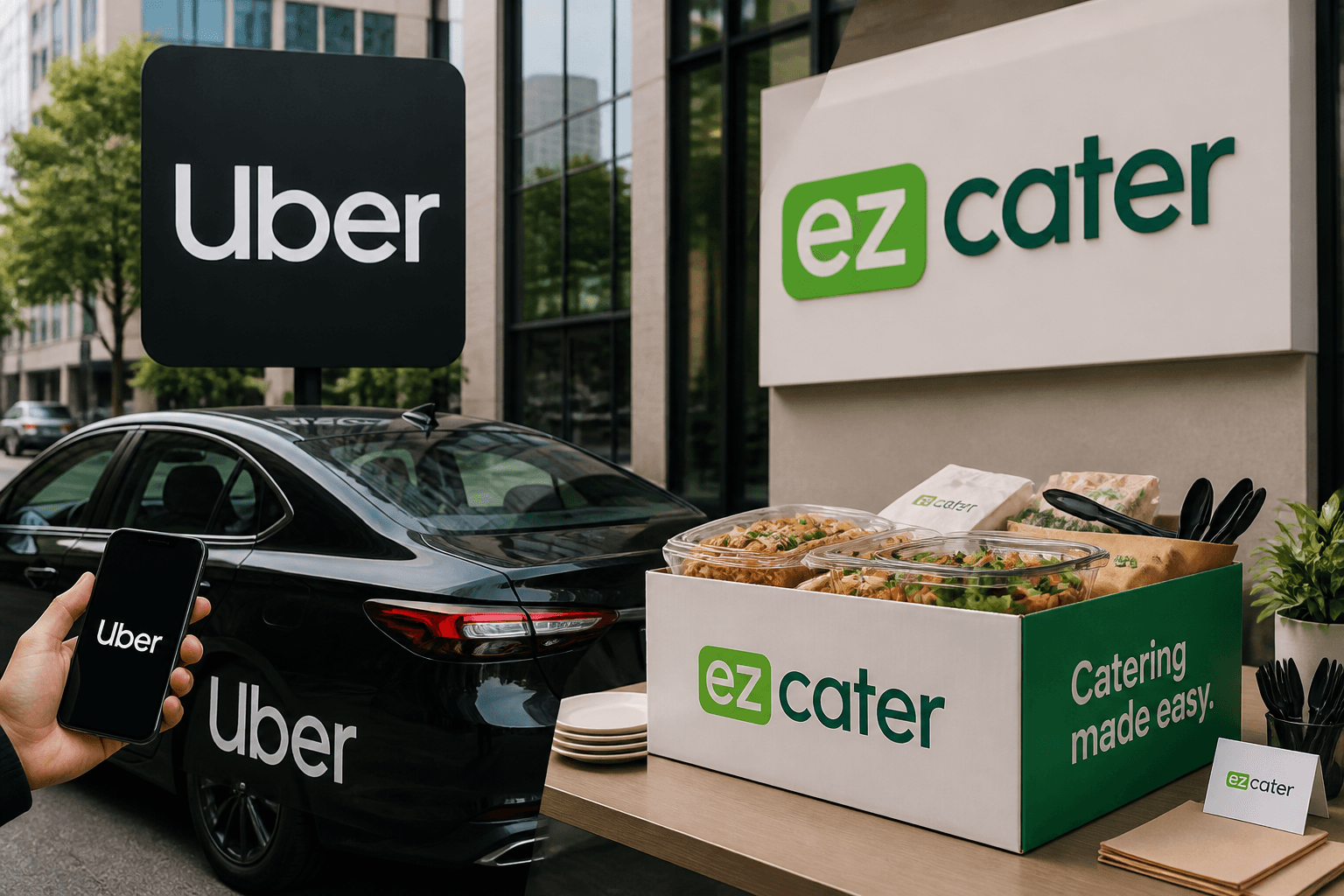
Uber is paying $2.3 billion to acquire ezCater, merging its catering network into Uber Eats and Uber for Business to enter workplace catering.
Oct 6, 2026
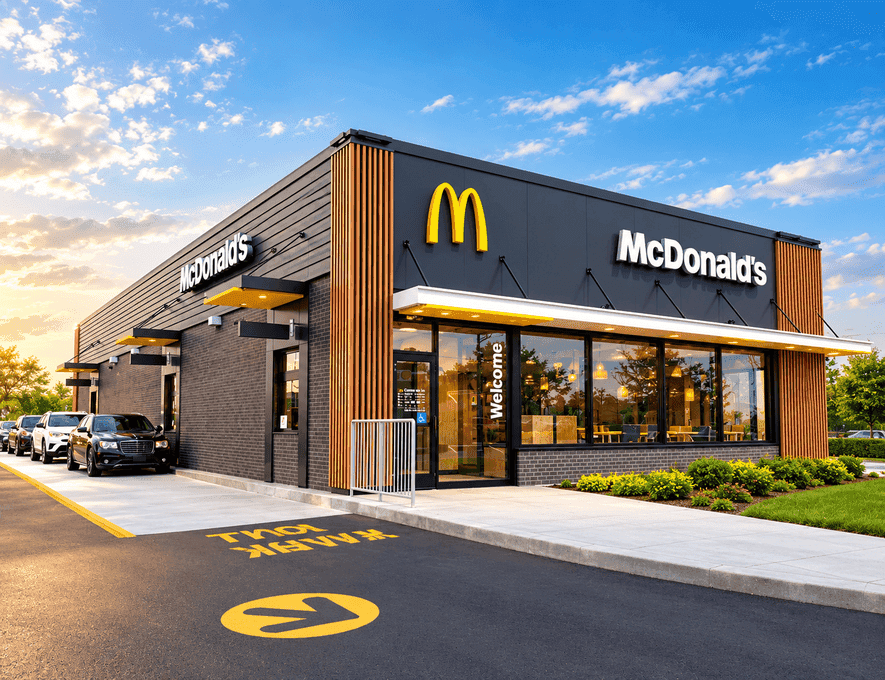
A new lawsuit claims McDonald's pricing tool pressures franchisees into algorithmic price-fixing, raising fresh antitrust questions for the chain.
Oct 6, 2026

True Food Kitchen filed for Chapter 11 bankruptcy, closing 12 locations and shrinking to 34 restaurants across 14 states amid $42.1 million in debt.
Oct 5, 2026

Snooze Eatery names industry veteran Amy Hom as COO, starting Sept. 28, to strengthen hospitality and operations ahead of its next growth phase.
Oct 5, 2026

Improve restaurant visibility with local SEO by optimizing Google Business Profile, targeting local keywords, managing reviews, and maintaining accurate online information.
Oct 5, 2026

Unlock Exclusive Access To Webinars, Events, And The Latest News For Free!
Explore the changing landscape of restaurant delivery services, the challenges faced by third-party aggregators like Grubhub, DoorDash, and Postmates, and the implications of lawsuits on consumer experience and restaurant operations.

Photo by Miguel A Amutio
The restaurant delivery landscape has significantly evolved over the years, with a surge in demand for convenient food delivery options. As consumer preferences shift towards online ordering and meal delivery, restaurants have adapted by embracing delivery services to cater to a broader customer base. The rise of on-demand delivery platforms has revolutionized the way diners experience their favorite restaurants, offering the convenience of enjoying meals from the comfort of their homes.
Third-party aggregators like Grubhub, DoorDash, and Postmates have played a pivotal role in connecting restaurants with customers seeking delivery services. However, these aggregators have faced criticism and legal challenges due to their business practices. The controversial practice of adding non-partner restaurants without consent not only led to consumer confusion but also created operational challenges for restaurants ill-equipped to handle delivery orders. This strategy, aimed at expanding their networks rapidly, backfired and resulted in backlash from both restaurants and customers.

Photo by Miguel A Amutio
The unauthorized listing of restaurants on delivery platforms like Grubhub has raised significant legal issues, leading to lawsuits and settlements. Restaurants allege that being added to these platforms without permission not only harmed their reputation but also resulted in a loss of sales and operational difficulties. The confusion caused by incorrect menu items or mismanagement of orders has had tangible negative effects on the businesses involved. Such actions not only undermine the trust between restaurants and aggregators but also impact the overall dining experience for consumers.

Photo by Miguel A Amutio
The repercussions of unauthorized listings on delivery platforms resonate beyond legal implications. Consumer experience is directly impacted when restaurants are added without their consent, leading to confusion over menu availability and potential order mishaps. For restaurants, operational challenges emerge as they grapple with managing unforeseen delivery requests and maintaining quality standards. Such incidents not only tarnish the image of the aggrieved restaurants but also highlight the need for stricter regulations to protect both businesses and consumers in the rapidly growing food delivery market.

Photo by Miguel A Amutio