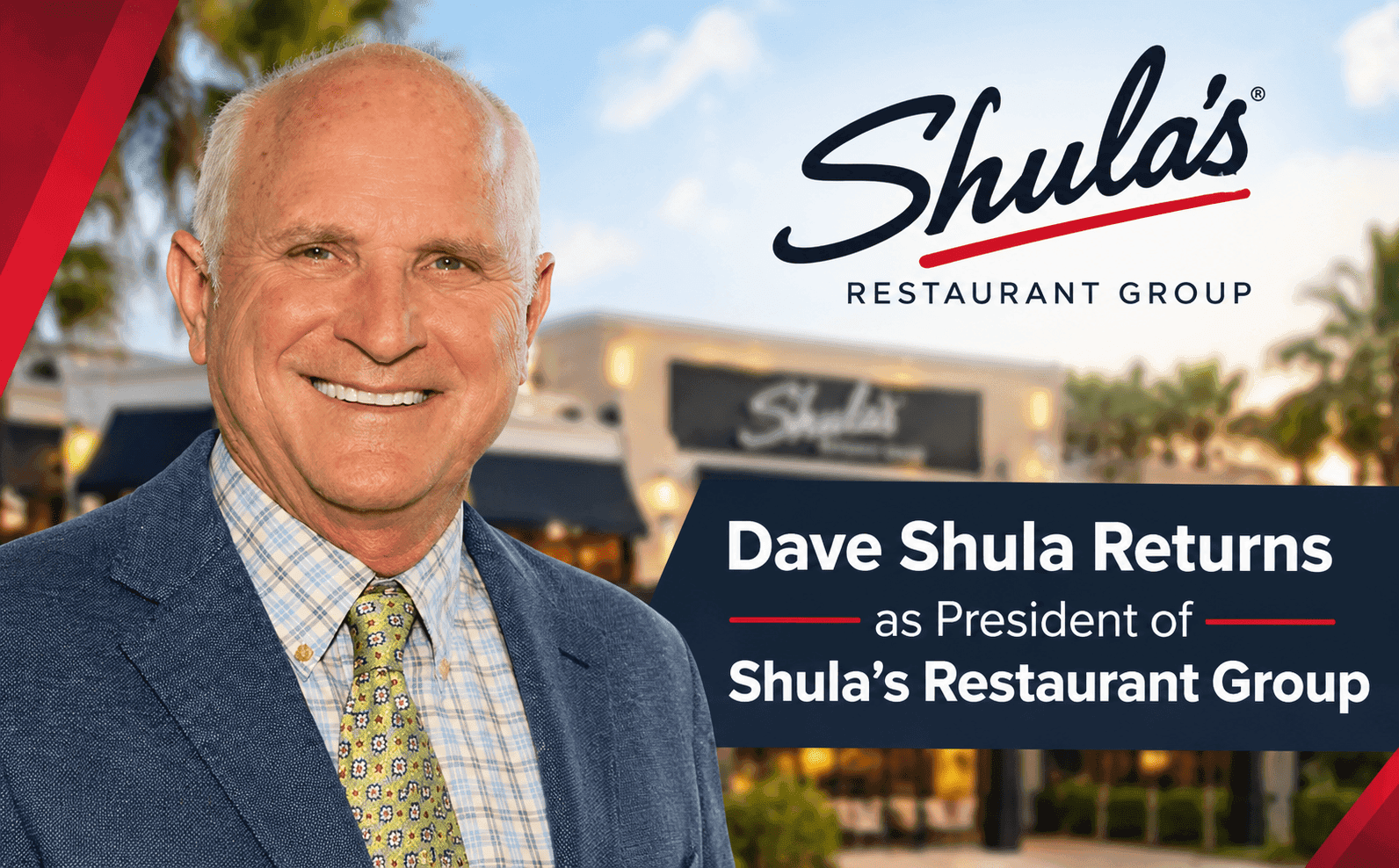
Dave Shula Returns as President of Shula's Restaurant Group
Dave Shula rejoins Shula's Restaurant Group as president, leading growth into Palm Beach Gardens and a 2027 Thomasville, Georgia expansion.
News
Sep 23, 2026
Dave Shula rejoins Shula's Restaurant Group as president, leading growth into Palm Beach Gardens and a 2027 Thomasville, Georgia expansion.
Sep 23, 2026
McDonald's commits $8.5 billion through 2036 to modernize restaurants, boost cash flow by $100,000 per store, and grow chicken and beverage sales.
Sep 23, 2026
WKS Restaurant Group promotes Jay Spongberg to president and COO after he helped grow the company from 65 to 382 restaurants over 16 years.
Sep 23, 2026

Smokey Mo's BBQ names Von Dawson, a Dine Brands veteran, as VP of Franchise Development to lead its Texas expansion strategy.
Sep 23, 2026
.png&w=3840&q=70)
Meritage Hospitality's Chapter 11 filing pulls 5% of Wendy's U.S. stores into bankruptcy, exposing cracks in franchising's bigger-is-safer bet.
Sep 21, 2026
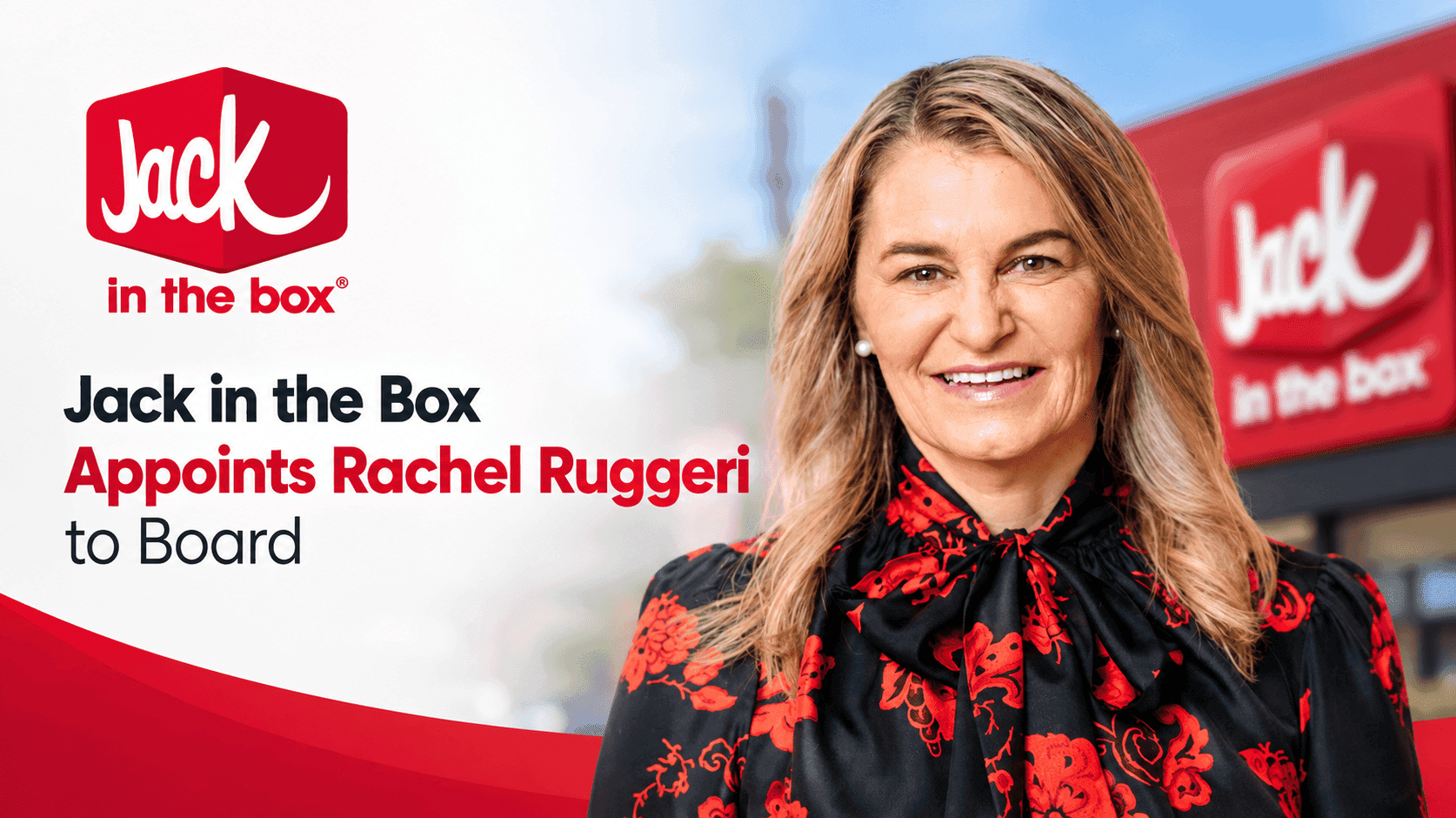
Jack in the Box names Rachel Ruggeri to its board as Michael Murphy retires, amid a CEO transition and deal with investor GreenWood.
Sep 21, 2026

Improve restaurant Google Maps rankings by optimizing your business profile, selecting accurate categories, gathering reviews, adding photos, and strengthening local relevance signals.
Sep 21, 2026

Restaurant inventory tracking helps owners monitor stock, control food costs, reduce waste, improve purchasing, and make informed operational decisions.
Sep 21, 2026

Restaurant owners can significantly reduce restaurant costs by leveraging technology across inventory, labor, procurement, forecasting, and administrative operations for better profit margins.
Sep 18, 2026

Understand how to forecast restaurant revenue and expenses with methods for sales projection, cost scaling, fixed-cost planning, and risk buffering.
Sep 18, 2026

Unlock Exclusive Access To Webinars, Events, And The Latest News For Free!
A Florida lawsuit against Zaxby’s tests PWFA protections and the interactive process in hospitality workplaces, with implications for workers and operators.

Photo by Hybrid Storytellers
Zaxby’s, the fast-casual chicken chain, faces a federal lawsuit that tests pregnancy protections on the front lines. In Lynn Haven, Florida, a 17-year-old employee says she fainted while working a hot kitchen shift and asked to return to cashier duties as an accommodation. A front-counter coworker reportedly offered to swap shifts to support her request, but the manager allegedly told her to stay in the back and dismissed the risks of heat exposure. The filing portrays a hostile work environment based on gender and pregnancy, culminating in alleged retaliation after the accommodation discussion stalled.
The core details center on how the accommodation request was treated. The employee sought to shift duties from the back to cashier as a pregnancy-related safeguard, while a coworker reportedly proposed swapping shifts to facilitate the request. The manager did not engage in a meaningful interactive discussion about accommodations, and the teen was told to stay in the back while concerns about fainting were downplayed. The filing emphasizes a breakdown in the interactive process and frames the termination as retaliation for seeking accommodation. The operator, St. Clair Restaurant Management, has declined to comment.
These allegations spotlight the friction between operational demands and federal duties. If proven, they would illustrate a failure to uphold PWFA and PDA standards in a high-heat, high-turnover setting. The case thus becomes a testing ground for how fast-service employers translate protections into daily practice.
Title VII of the Civil Rights Act, as amended by the Pregnancy Discrimination Act of 1978, bars discrimination based on pregnancy and rejects decisions rooted in stereotypes about pregnant workers. The broader framework also includes the Pregnant Workers Fairness Act (PWFA), which requires reasonable accommodations unless doing so would impose undue hardship. The EEOC explains that avoiding decisions driven by misconceptions about a pregnant employee’s fitness is a practical safeguard for employers.
PWFA’s reach rests on dialogue: employers should engage in an interactive process with employees to identify reasonable adjustments, such as seating, extra breaks, or modified duties, without demanding unnecessary upfront documentation. Accommodations may include a chair or stool, additional restroom breaks, time for medications, or relief from hazardous tasks. In fast-service settings, these adjustments are typically low-disruption measures aimed at protecting health while preserving service standards. The rule, finalized in April 2024 by the EEOC, becomes effective 60 days after Federal Register publication. Regulators emphasize avoiding unnecessary documentation when a request is made.
The Zaxby’s case sits amid a broader enforcement landscape where PWFA guidance shapes restaurant practice and employee rights. Observers expect the framework to push operations toward clearer accommodation procedures and earlier dialogue, potentially reducing litigation risk and improving morale in a tight labor market.
Reactions and Allegations in the filing reveal how the parties framed the accommodation debate. The coworker’s offer to swap shifts is described as a potential support, while management’s response is characterized as a refusal to discuss workable options. The narrative centers on the interactive process and whether the environment became hostile toward a pregnant worker.
Quotations from the filing illustrate the dispute’s tenor: the manager directing the employee to stay in the back, and the moment described as termination when the shift was changed toward drive-through before she was sent home. The phrase This is not going to work marks the termination point in the account, underscoring the alleged gap between accommodation discussions and decisive action. St. Clair Restaurant Management remains quiet on specifics.
The case remains pending, with the defendant avoiding public comment beyond not addressing media inquiries. The narrative underscores the importance of PWFA and PDA compliance in hospitality, and the outcome could influence how similar workplaces handle accommodation requests and retaliation claims.
Broader Industry Context shows the Zaxby’s dispute as part of a rising tide of pregnancy-discrimination concerns under PDA and PWFA. The PWFA final rule, issued in April 2024 by the EEOC, clarifies compliance and emphasizes early interactive dialogue. The rule becomes effective 60 days after publication, and enforcement actions like the BestBet Jacksonville case in 2026 demonstrate ongoing regulatory attention in hospitality.
Industry observers say PWFA compliance can drive operational adjustments, including seating, breaks, task assignments, and overall worker well-being. Restaurants that embed explicit accommodation procedures and manager training can improve retention and morale, while reducing litigious risk. The framework pushes operators to balance safety, productivity, and staff welfare without sacrificing service standards.
Going forward, watching Moody v. St. Clair and other PWFA cases in hospitality will reveal how courts interpret accommodations and retaliation claims in fast-food contexts. The industry’s reputation and resilience depend on translating policy into practice at the unit level.