
Best Restaurant Marketing Ideas for 2026
This guide outlines restaurant marketing ideas that help operators attract nearby customers, convert demand faster, and strengthen long-term retention.
marketing ideas
Apr 16, 2026
This guide outlines restaurant marketing ideas that help operators attract nearby customers, convert demand faster, and strengthen long-term retention.
Apr 16, 2026

A clear host training process helps restaurants manage greetings, waitlists, reservations, seating decisions, and guest communication more consistently.
Apr 15, 2026
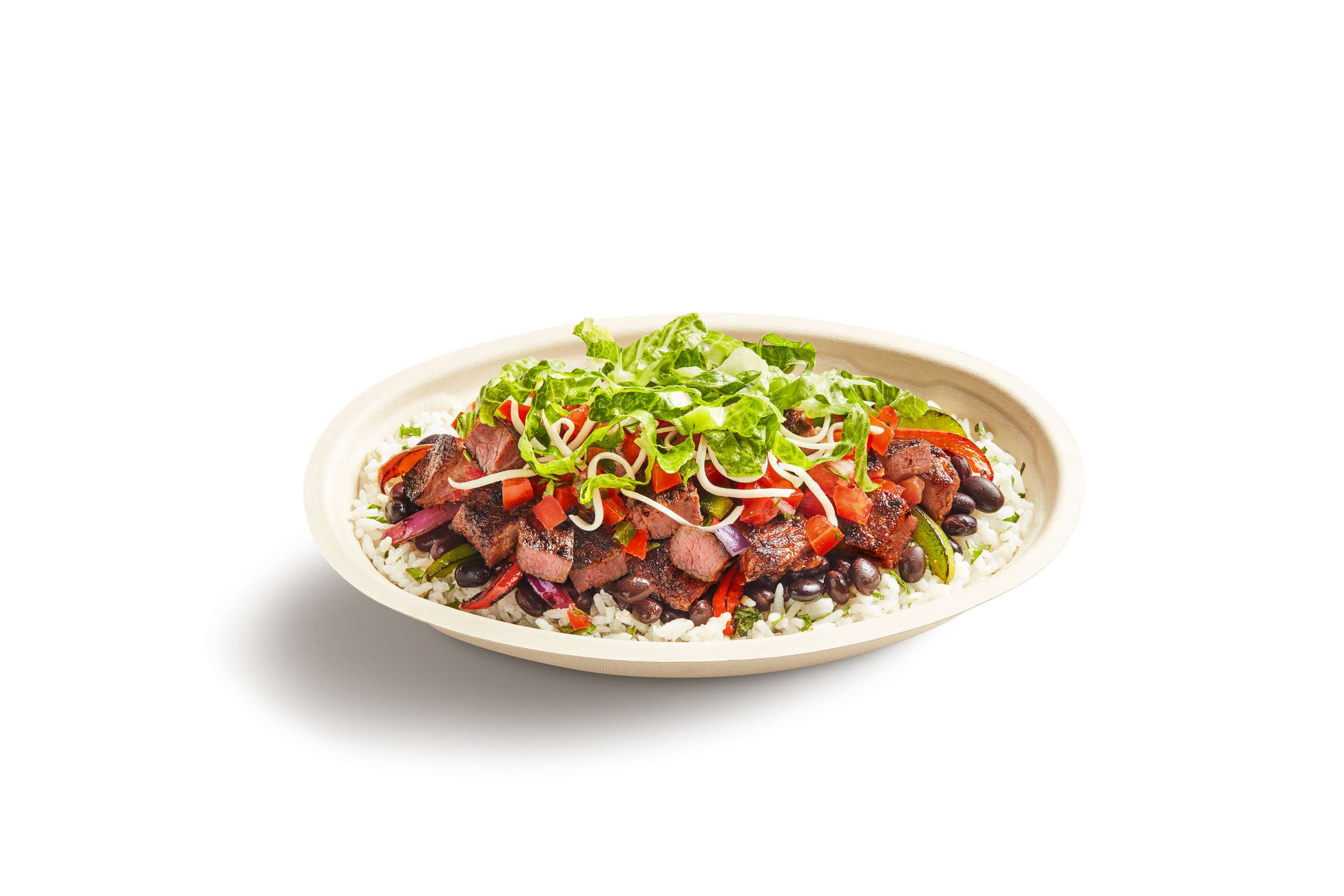
Chipotle reshapes loyalty with Rewards on Repeat, blending in-store promotions, staff incentives, and simpler redemption to boost traffic.
Apr 16, 2026

Photo by Salah Ait Mokhtar on Unsplash
A refined look at Papa Murphy’s strategy as MTY guides a cautious turnaround amid a crowded pizza landscape—digital play, local marketing, and a new Detroit-style offering.
Apr 16, 2026

Photo by Sergio Mena Ferreira on Unsplash
Mo’ Bettahs leaves Kansas City as it pivots to a PE-backed national expansion to Phoenix, Indianapolis, and Minneapolis.
Apr 16, 2026

Photo by Kate Trysh on Unsplash
Applebee’s O-M-Cheese Burger fuses spectacle with value, driving social buzz and foot traffic—a signal for the skillet-cheese moment in casual dining.
Apr 16, 2026

Photo by Diego Mattevi on Unsplash
GoTo Foods taps Misra and Lambert to harmonize digital momentum with disciplined development across seven brands, aiming for stronger guest experiences and franchisee economics.
Apr 16, 2026
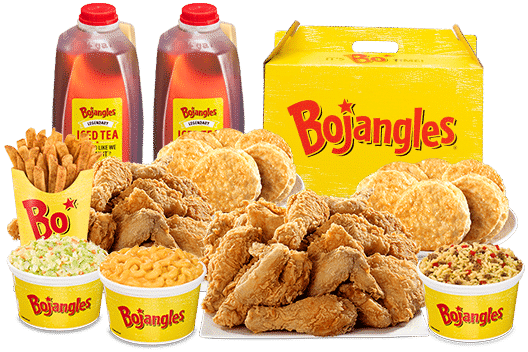
Bojangles launches Bo’s Chicken Rippers in an eight-week pilot, turning bites into a hands-on, sauce-forward experience with interactive, tear-apart slabs.
Apr 16, 2026
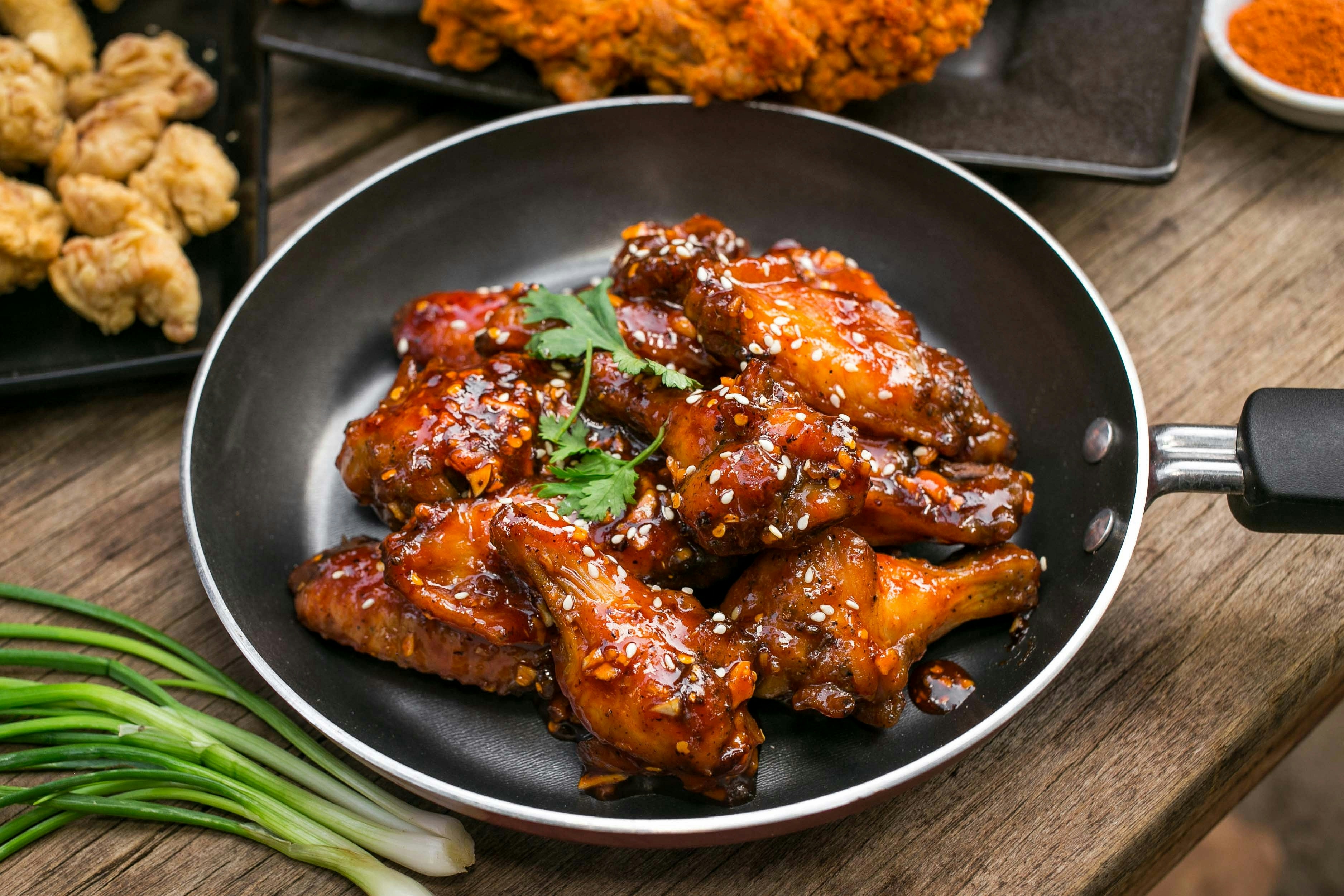
Photo by Jim Sosengphet on Unsplash
Popeyes teams with One Piece for a limited menu and merch drop, blending bold flavors with anime fandom to boost traffic and loyalty.
Apr 16, 2026
Photo by dedy kurniawan on Unsplash
A close look at Jersey Mike’s rapid expansion, leadership shift, and international push under Blackstone’s ownership.
Apr 16, 2026
The recent data on the US economy adding 256,000 jobs in December and its implications on employment and the hospitality sector.

The latest federal data release revealed a substantial addition of 256,000 jobs to the US economy in December, surpassing projections and signaling a positive trend in employment. The unemployment rate also saw a decline to 4.1%, indicating a strengthening labor market. Within the sector breakdown, leisure and hospitality experienced notable growth, adding 43,000 positions in December. Despite this growth, the average monthly job gain for the year stood at 24,000 in 2024, a notable decrease from the 47,000 witnessed in 2023.
The leisure and hospitality industry, a key player in job creation, particularly saw a significant boost with the addition of 29,800 jobs in eating and drinking establishments in December. This growth was a positive indicator, especially considering the challenges faced during the pandemic. The National Restaurant Association highlighted that this job surge represented the second consecutive month in 2024 where the sector added over 20,000 jobs, showcasing a promising recovery in the industry.
Looking at the year as a whole, 172,500 net new jobs were generated in the eating and drinking sector, indicating progress in recovering from pandemic-induced losses. However, this figure fell short by 136,500 jobs compared to 2023, underlining the ongoing effects of the pandemic on employment. Despite the industry surpassing its pre-pandemic employment levels by 1.4%, there exist disparities among segments. While quick-service and fast-casual establishments witnessed a 4% increase in employment, full-service restaurants lagged by 4% below pre-pandemic figures.
The job market revealed significant regional variations, with data showing that 24 states and the District of Columbia had fewer jobs in November 2019 compared to pre-pandemic levels. States like North Dakota, Maryland, Louisiana, Virginia, Vermont, and Oregon faced notable declines in employment. In contrast, 26 states recorded employment levels above pre-pandemic standards, with Nevada, Oklahoma, Utah, and Montana leading in job recovery. These regional differences highlight the uneven impact of the pandemic on the labor market.

While employment figures surged, the data also indicated a slowdown in wage growth, with average hourly earnings increasing at a reduced rate in December. Year-over-year wage growth stood at 3.8%, marking a modest pace since May 2021. The National Restaurant Association emphasized that wage growth has been gradually decelerating since reaching its peak in March 2022. These trends reflect a complex interplay between job creation, wage dynamics, and market recovery in the post-pandemic economic landscape.