Best Restaurant Marketing Ideas for 2026
This guide outlines restaurant marketing ideas that help operators attract nearby customers, convert demand faster, and strengthen long-term retention.
marketing ideas
Apr 16, 2026
This guide outlines restaurant marketing ideas that help operators attract nearby customers, convert demand faster, and strengthen long-term retention.
Apr 16, 2026

A clear host training process helps restaurants manage greetings, waitlists, reservations, seating decisions, and guest communication more consistently.
Apr 15, 2026
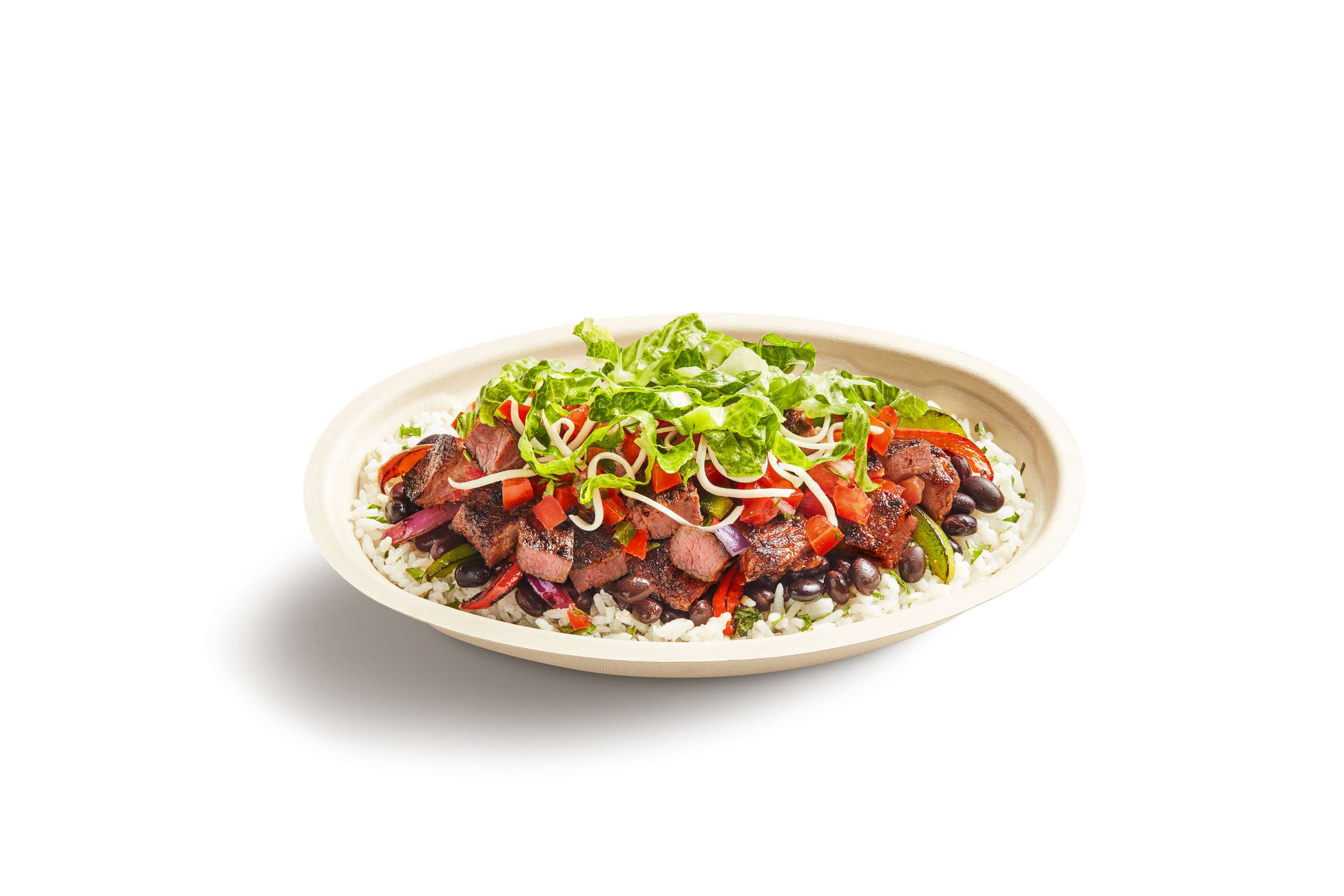
Chipotle reshapes loyalty with Rewards on Repeat, blending in-store promotions, staff incentives, and simpler redemption to boost traffic.
Apr 16, 2026
Photo by Salah Ait Mokhtar on Unsplash
A refined look at Papa Murphy’s strategy as MTY guides a cautious turnaround amid a crowded pizza landscape—digital play, local marketing, and a new Detroit-style offering.
Apr 16, 2026
Photo by Sergio Mena Ferreira on Unsplash
Mo’ Bettahs leaves Kansas City as it pivots to a PE-backed national expansion to Phoenix, Indianapolis, and Minneapolis.
Apr 16, 2026
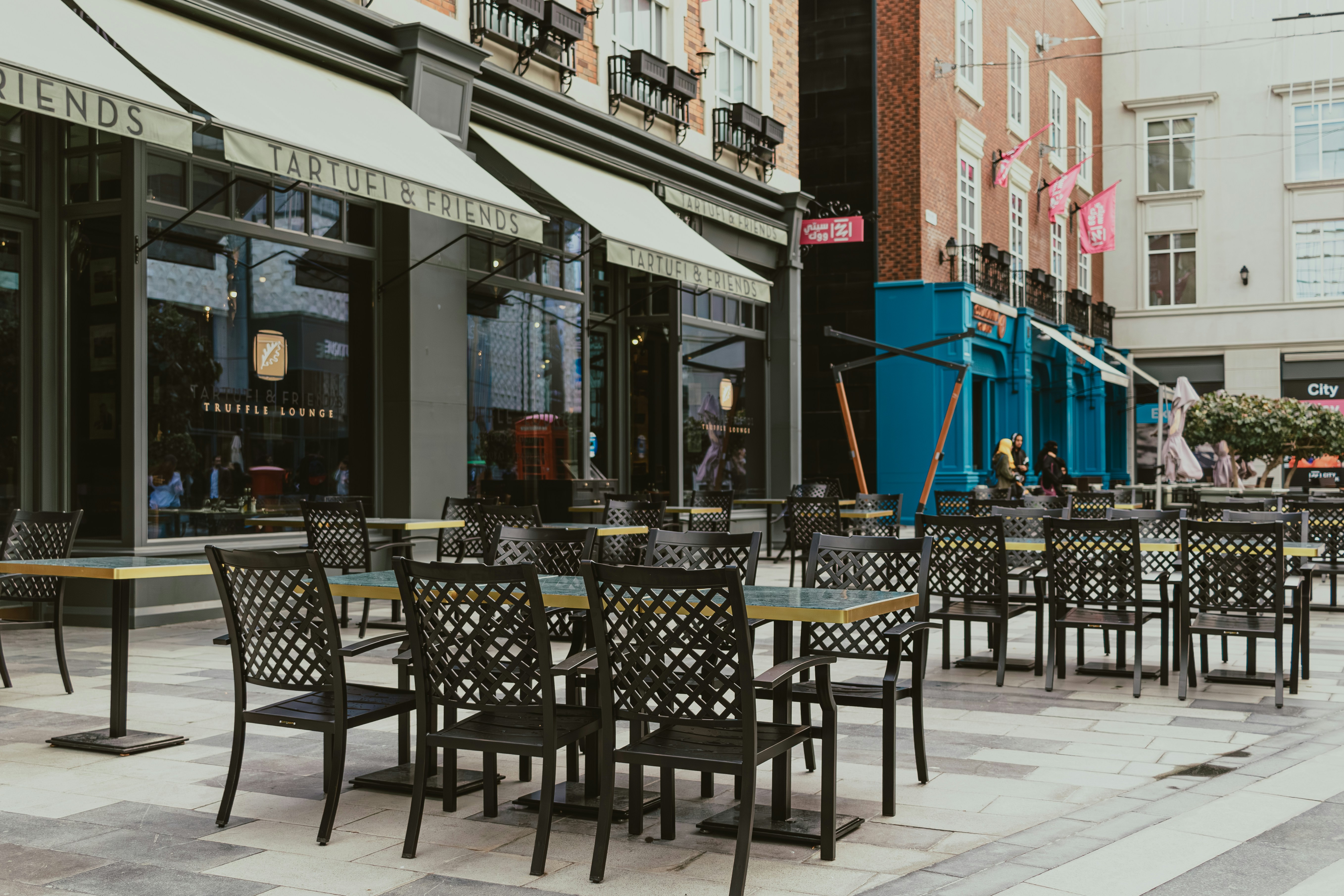
Photo by Kate Trysh on Unsplash
Applebee’s O-M-Cheese Burger fuses spectacle with value, driving social buzz and foot traffic—a signal for the skillet-cheese moment in casual dining.
Apr 16, 2026

Photo by Diego Mattevi on Unsplash
GoTo Foods taps Misra and Lambert to harmonize digital momentum with disciplined development across seven brands, aiming for stronger guest experiences and franchisee economics.
Apr 16, 2026
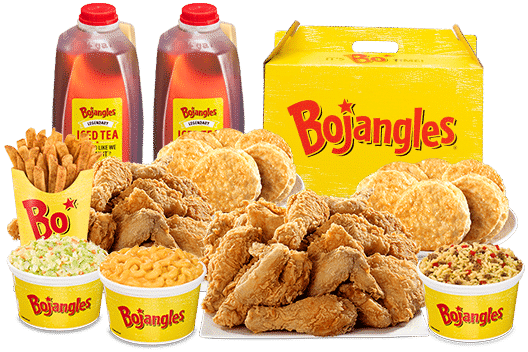
Bojangles launches Bo’s Chicken Rippers in an eight-week pilot, turning bites into a hands-on, sauce-forward experience with interactive, tear-apart slabs.
Apr 16, 2026
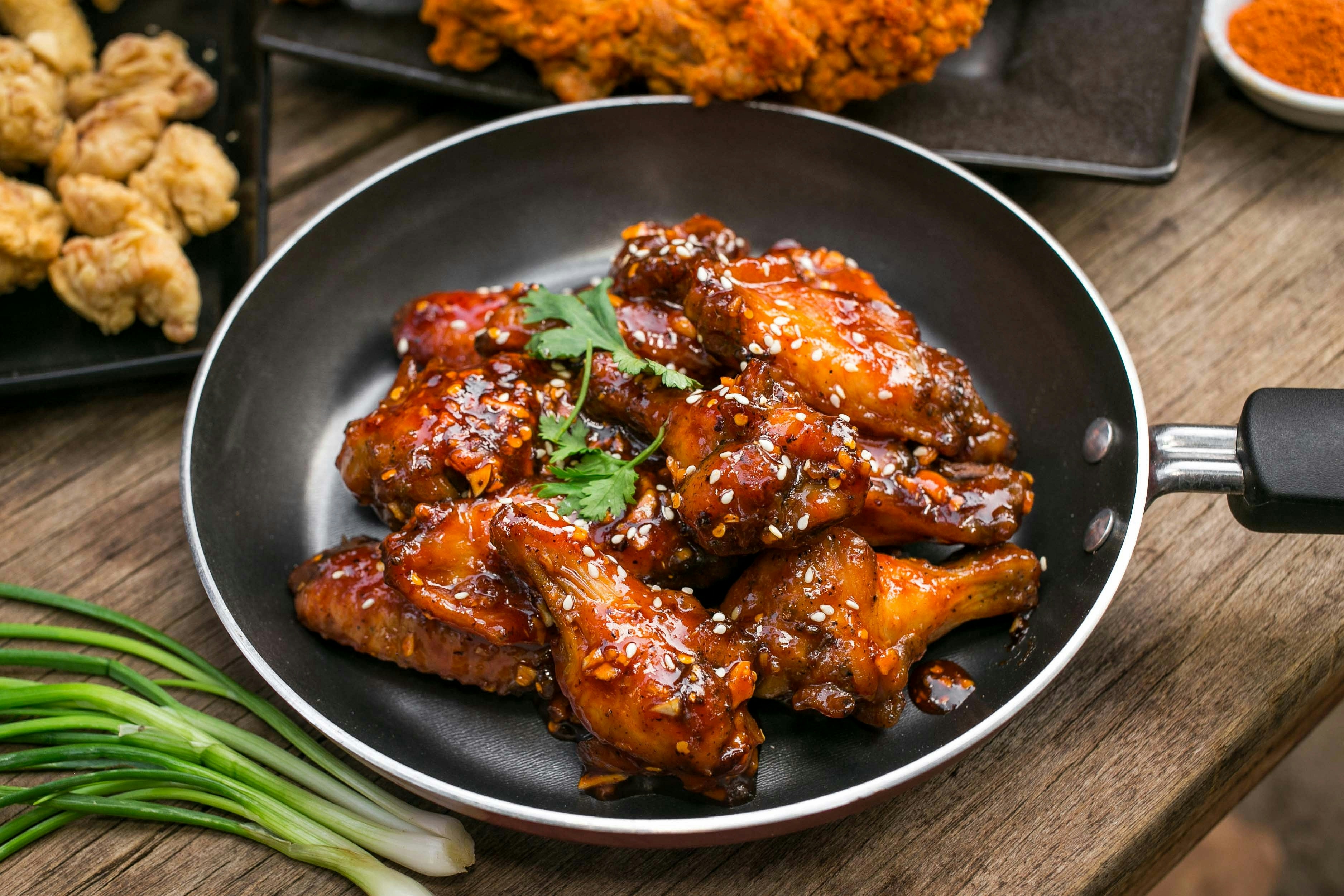
Photo by Jim Sosengphet on Unsplash
Popeyes teams with One Piece for a limited menu and merch drop, blending bold flavors with anime fandom to boost traffic and loyalty.
Apr 16, 2026
Photo by dedy kurniawan on Unsplash
A close look at Jersey Mike’s rapid expansion, leadership shift, and international push under Blackstone’s ownership.
Apr 16, 2026
Black Rock Coffee Bar’s Nasdaq debut raised $294 million and set a confident tone for disciplined, density-first expansion from 158 stores to 1,000 by 2035.
Photo by Tamara Gore on Unsplash
Black Rock Coffee Bar hit the public markets with energy to spare. On "September 12, 2025," the company listed on Nasdaq at a valuation of "roughly $1.27 billion" after shares jumped "approximately 32–38%" above the IPO price of "$20," ultimately trading near "$26.50 to $27.53." The raise was real money, too: "$294 million" came in through the sale of "14.7 million shares." For context, this marked the "first U.S. restaurant IPO since Cava in 2023." Big win—and a loud one. That pop wasn’t a standalone stunt. It arrived as the brand laid out a long-term target of "1,000" stores by "2035" from a base of "158" company-owned locations as of mid‑2025. The setup signals a capital-backed runway designed for a clear destination, not a vague hope. When a debut lands this clean and the expansion thesis is this specific, it sets a tone: the market expects disciplined steps, not wild swings. The key: investor momentum matched a plan with dates, numbers, and visible milestones. The message from the opening bell was simple—scale is the story, and the fuel is already in the tank. Analysis: The IPO’s pricing pop and proceeds amplify confidence in Black Rock’s growth plan, connecting market enthusiasm directly to a dated, measurable path toward "1,000" stores by "2035."
Black Rock’s map today is tight and intentional. As of mid‑2025, the company runs "158" company‑owned stores across "Oregon, California, Texas, Arizona, Colorado, Idaho, and Washington." Management plans to open "approximately 30" new stores in the current year, and points to a historical average growth rate of "20%" from 2020 through 2024. The company also described itself as the "largest fully company‑owned coffee retailer in the U.S.," keeping the playbook firmly in-house. There’s a discipline to the way they talk about white space—"ample white space in our existing markets to support this growth." That’s not scattershot expansion; it’s more like tightening a net. When you build where you already know the customers, the commute patterns, and the competition’s rhythms, the odds of consistency go up. It’s steady, not splashy—and in restaurants, that’s often what wins. This foundation matters. Scaling a company‑owned model can be bumpy, but it gives control over execution and culture. In a category where feel and pace drive morning routines, owning the operating details is a strategic choice, not just a finance decision. Analysis: The footprint and cadence reflect purpose—adding stores at a rate tied to a demonstrated "20%" trend while leaning into familiar markets to manage risk and preserve execution quality.

The route to "1,000 by 2035" isn’t a mystery—Black Rock is telling you how they’ll drive it. The roadmap leans on an "approximate 20%" annual growth rate consistent with 2020–2024 and commits to "a disciplined and methodical approach" to market entry. Translation: deepen presence in known areas first, prove density, then extend the edges. When a coffee brand chooses density over sprawl, operations get repeatable. Training models, product flows, store openings—each play becomes easier to run. This is where a company‑owned structure shines: you can replicate standards without negotiating variations across a patchwork of operators. That clarity turns a far-off milestone into year-by-year steps stakeholders can model. It reduces noise. It also keeps the team aligned on what matters: consistent service, tight unit execution, and communities that recognize the brand before the next ribbon cutting. Analysis: Emphasizing density lowers complexity and reinforces consistency, which strengthens the case that a long-range target like "1,000 by 2035" can be pursued through near-term, repeatable moves.
If you want the playbook in action, look at Phoenix. Black Rock opened its first Phoenix-area store in "2017" and built to "41" metro-area locations by late 2024, with "51" statewide by "December 2024." The run didn’t slow in 2025. A Peoria opening in "March" nudged the metro to "42" ("52" statewide), then Surprise in "April" bumped it again to "43" metro ("53" statewide). Grand openings there come with energy—"$2.00" medium drinks, locally themed giveaways, and a consistent design language that reads industrial modern without feeling cold. Layer on a mobile rewards relaunch aimed at loyalty and speed, and you can see how each store opening does more than add a dot on a map. It reinforces a loop: show up with a deal, deliver on the vibe, keep people in the ecosystem. This is density in real time. Phoenix demonstrates a rinse-and-repeat pattern—plant a flag, expand systematically, keep the brand cues consistent, and incentivize return visits. It’s not flashy; it’s effective. Analysis: The Phoenix arc—2017 to "43" metro sites by "April" 2025—illustrates a repeatable flywheel of openings, promotions, and loyalty that supports growth without diluting the guest experience.
Leadership ties the IPO’s reception to what guests feel in-store. CEO Mark Davis points to a community-forward identity and a physical footprint where "75%" of locations include dedicated seating—call them "lobbies"—that shape the experience. That’s paired with a relaunch of Black Rock Rewards across digital and mobile, connecting the in-store ambiance to the convenience people want. It’s not just talk. The numbers back it up: "same‑store sales surged to 10.9% in Q2 2025," more than double the prior year’s "3.9%" increase. When a brand can pair a room that welcomes you with a tap-friendly loyalty flow, performance tends to follow. The Phoenix openings show the front-end: promos, giveaways, design. The system-wide stats show the back-end: comp growth with momentum. That alignment—physical lobbies plus a software layer—keeps the proposition clear. Come in, settle in, or pick up quick and earn your way to the next drink. It’s modern coffee retail done with both warmth and efficiency. Analysis: The blend of "lobbies" and refreshed rewards links atmosphere to measurable results, helping explain the "10.9%" same-store surge and reinforcing the logic behind growth at scale.
Capital is oxygen for expansion, and Black Rock just took a deep breath. The IPO generated "$294 million" via "14.7 million" shares sold, giving the company financial flexibility to support its presence-led strategy. Management’s operating tempo remains familiar: "approximately 30" new stores this year, echoing the average "20%" annual growth rate achieved from 2020 through 2024. With "158" stores as of mid‑2025 and a goal of "1,000 by 2035," stakeholders can reasonably model net unit additions using the same cadence that got the brand here. That’s the appeal of a steady plan—you have a sense of how the math unfolds without guessing at a new play every quarter. Capital alone doesn’t guarantee disciplined execution. But when the growth rhythm matches the history, and the funds match the ambition, you get a path that feels predictable in the best way. Analysis: Funding plus a proven opening pace reduces uncertainty—money clears constraints, while a "20%" cadence ties future adds to demonstrated performance.
The brand isn’t just scaling; it’s signaling. Black Rock cites recognition as the Fastest‑Growing Private Company in Oregon and SW Washington in "2021" and a ranking as the "1,179th" fastest‑growing U.S. private company in "2023." These are badges, sure, but they also play into a bigger theme: momentum with roots. On the ground, localized touches matter. In metro Phoenix, launches featured market‑level elements—like limited‑edition Arizona stickers in Surprise—paired with the mobile rewards relaunch. It’s a one-two punch: a community wink and a utility upgrade. In a space where competitors often push aggressive franchised rollouts, Black Rock’s disciplined, company‑owned track stands out, backed by brand, unit economics, organizational culture, people, and infrastructure. That mix of neighborhood feel and operational rigor is how a coffee chain earns a daily habit. It’s not just the caffeine fix; it’s the experience that keeps you circling back. Analysis: Local activations and a company‑owned posture differentiate Black Rock in a crowded field, helping the brand build stickier relationships as it densifies selected markets.
Some pieces of the picture remain to be filled in. The company points to strengths in "unit economics" and highlights "ample white space," but specific market-by-market entries and detailed unit-level financials aren’t provided here. The Phoenix storyline shows how the model plays out over time—"2017," late 2024, early 2025—but the exact pace and sequence of future markets aren’t enumerated in this context. Even with those gaps, the frame is sturdy: a methodical model, "approximately 30" openings slated in the current year, and IPO proceeds of "$294 million" supporting the climb toward "1,000 by 2035." That’s enough to set checkpoints. Watch for disclosures on market selection, store‑level returns, and cadence updates. If those line up with the density-first promise—and the comps keep humming—the destination looks well within reach. The takeaway is simple and strong: scale can be smart. Build where you’re known, make each opening a local event, and keep loyalty close to the front of house. That’s the play. It’s not flashy; it’s repeatable—and repeatable wins. Analysis: The missing specifics create a clear monitoring list—market choices, unit returns, and rhythm—without disrupting the core thesis that a funded, density-led plan can carry "1,000 by 2035."