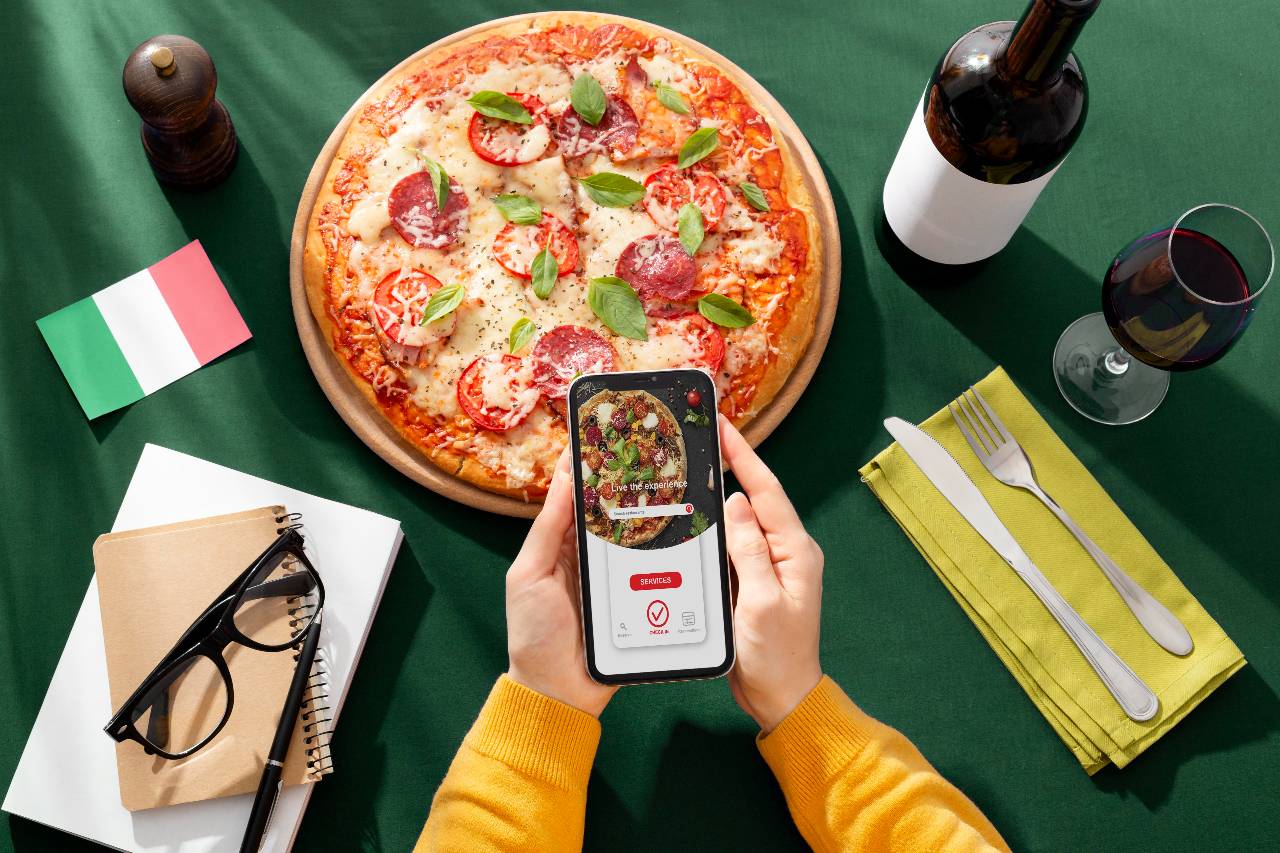
Best Restaurant Marketing Ideas for 2026
This guide outlines restaurant marketing ideas that help operators attract nearby customers, convert demand faster, and strengthen long-term retention.
marketing ideas
Apr 16, 2026
This guide outlines restaurant marketing ideas that help operators attract nearby customers, convert demand faster, and strengthen long-term retention.
Apr 16, 2026

A clear host training process helps restaurants manage greetings, waitlists, reservations, seating decisions, and guest communication more consistently.
Apr 15, 2026
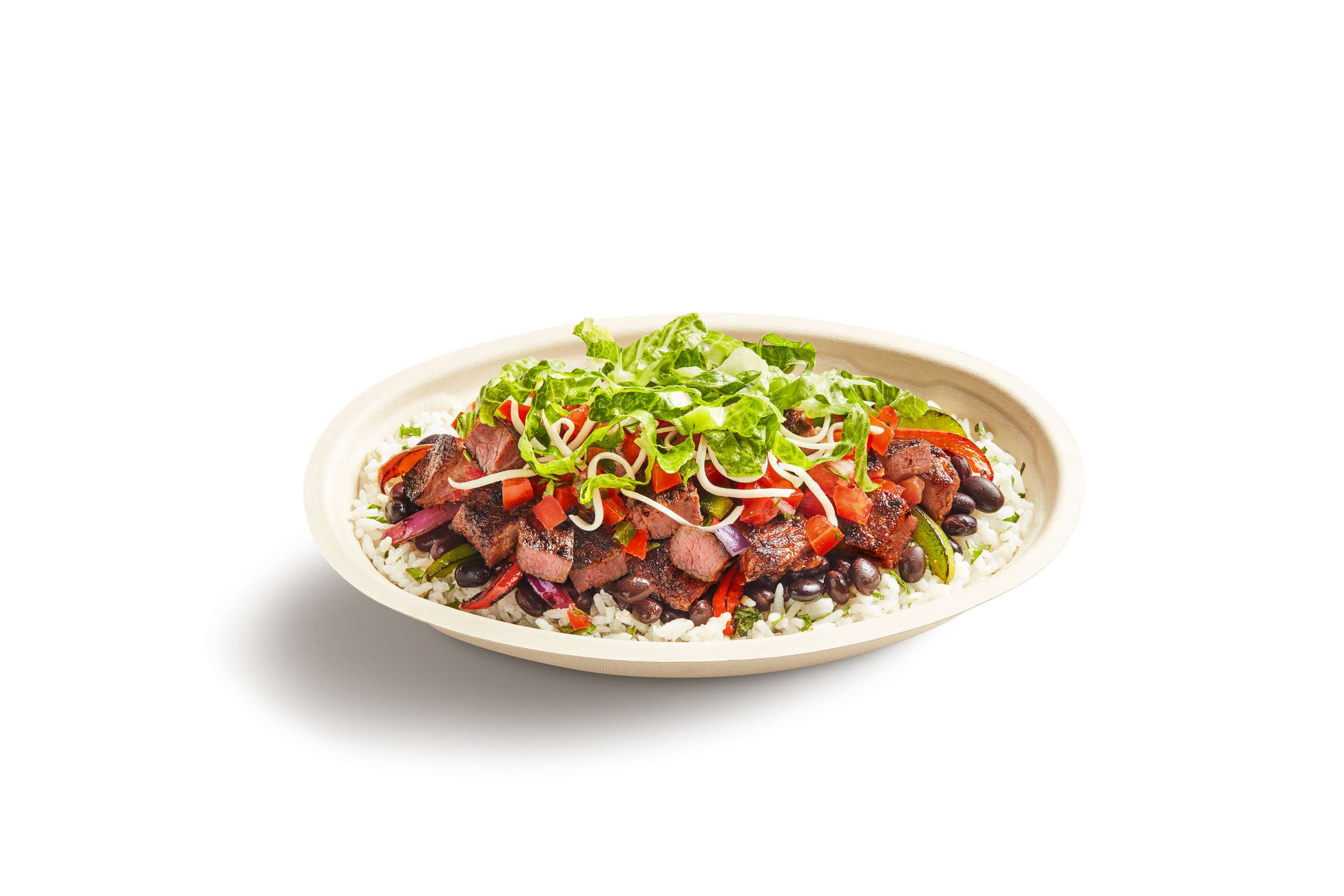
Chipotle reshapes loyalty with Rewards on Repeat, blending in-store promotions, staff incentives, and simpler redemption to boost traffic.
Apr 16, 2026
Photo by Salah Ait Mokhtar on Unsplash
A refined look at Papa Murphy’s strategy as MTY guides a cautious turnaround amid a crowded pizza landscape—digital play, local marketing, and a new Detroit-style offering.
Apr 16, 2026
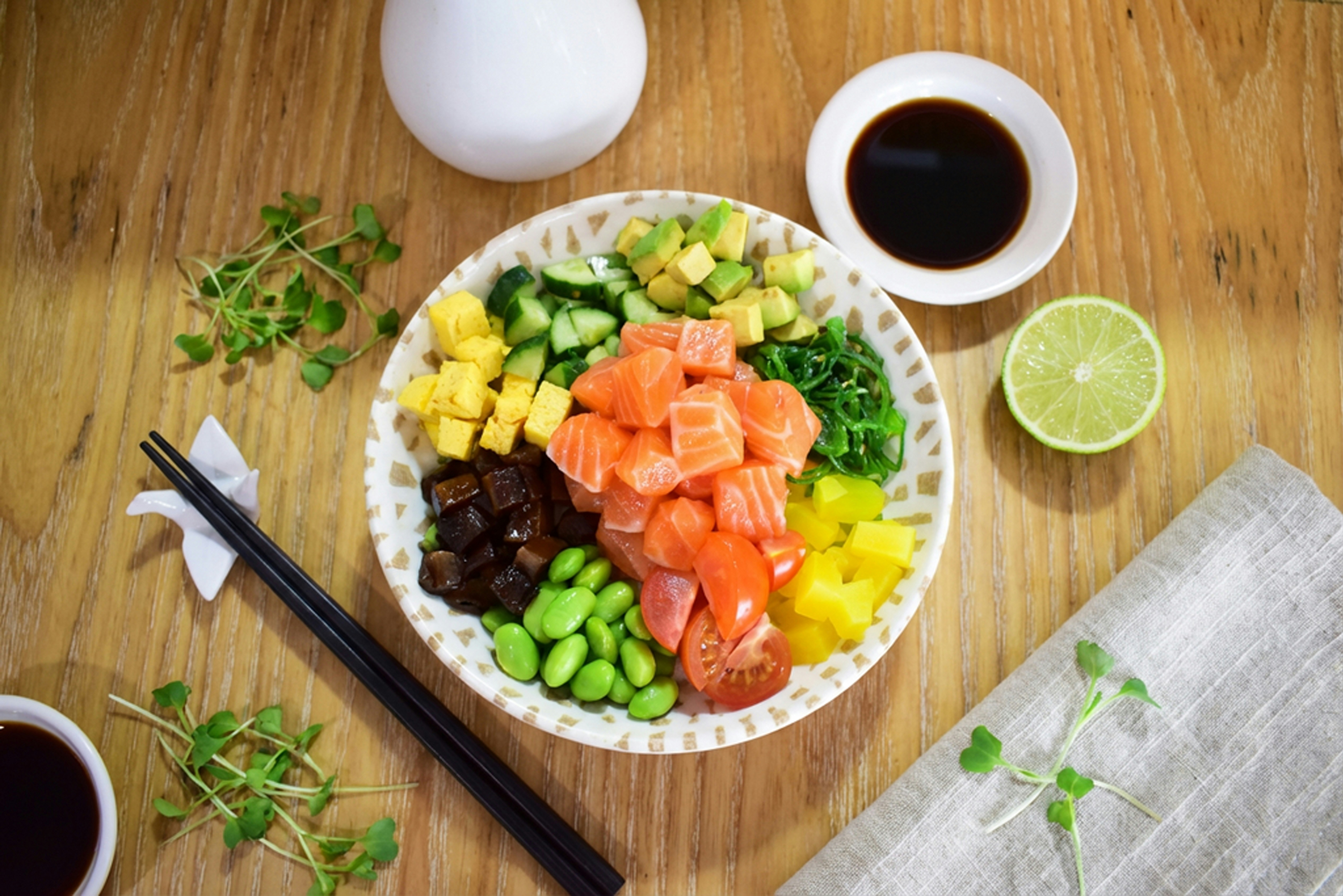
Photo by Sergio Mena Ferreira on Unsplash
Mo’ Bettahs leaves Kansas City as it pivots to a PE-backed national expansion to Phoenix, Indianapolis, and Minneapolis.
Apr 16, 2026

Photo by Kate Trysh on Unsplash
Applebee’s O-M-Cheese Burger fuses spectacle with value, driving social buzz and foot traffic—a signal for the skillet-cheese moment in casual dining.
Apr 16, 2026

Photo by Diego Mattevi on Unsplash
GoTo Foods taps Misra and Lambert to harmonize digital momentum with disciplined development across seven brands, aiming for stronger guest experiences and franchisee economics.
Apr 16, 2026
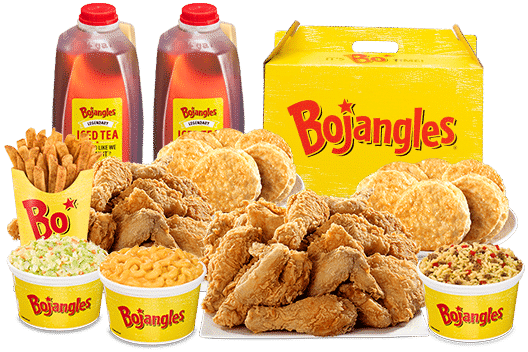
Bojangles launches Bo’s Chicken Rippers in an eight-week pilot, turning bites into a hands-on, sauce-forward experience with interactive, tear-apart slabs.
Apr 16, 2026
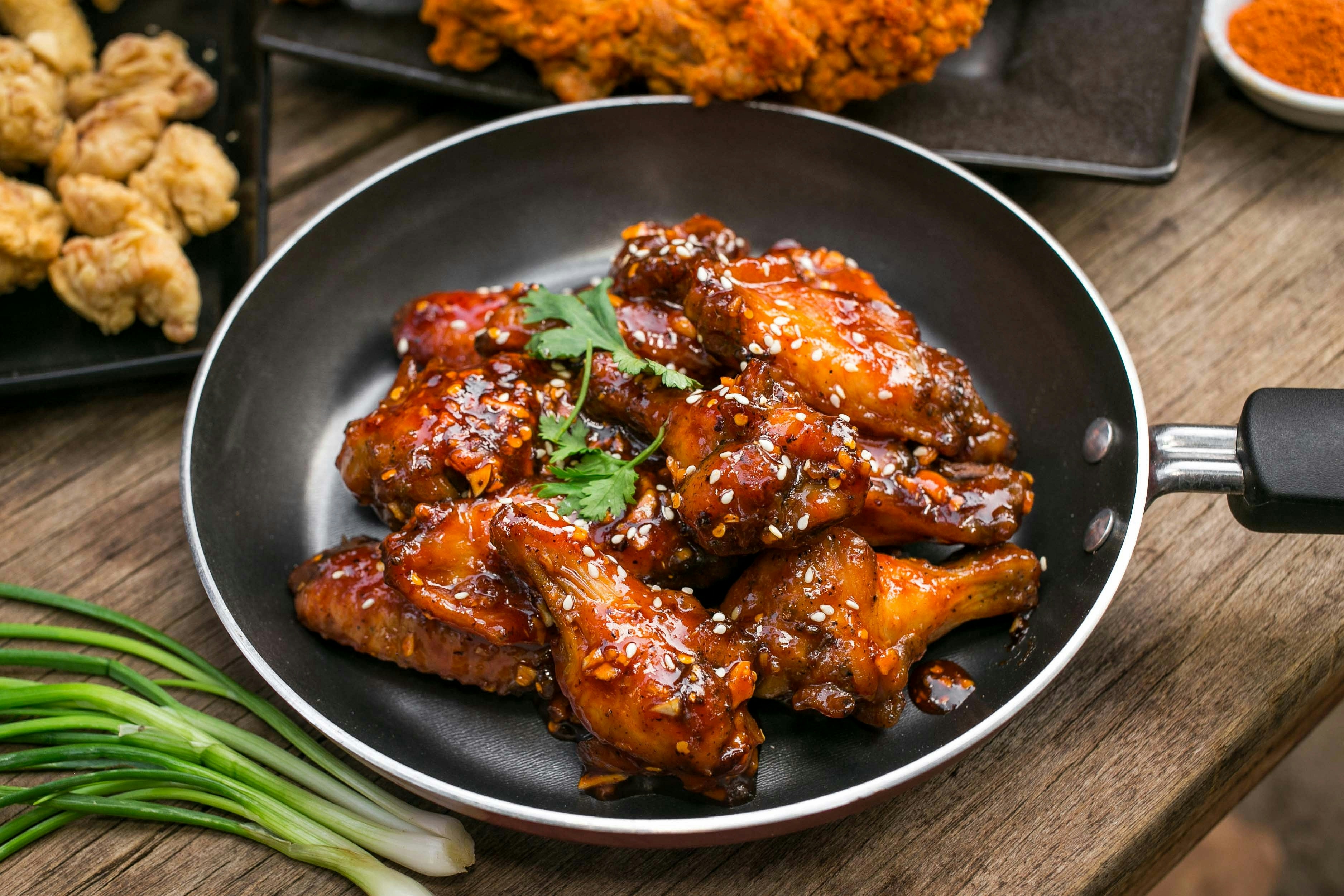
Photo by Jim Sosengphet on Unsplash
Popeyes teams with One Piece for a limited menu and merch drop, blending bold flavors with anime fandom to boost traffic and loyalty.
Apr 16, 2026
Photo by dedy kurniawan on Unsplash
A close look at Jersey Mike’s rapid expansion, leadership shift, and international push under Blackstone’s ownership.
Apr 16, 2026
Explore how leading restaurant brands like McDonald’s, Wingstop, and Chipotle appeal to Gen Z consumers through innovative marketing strategies and brand engagement.

Photo by Erik Mclean on Unsplash

Photo by Erik Mclean on Unsplash
Gen Z consumers are known for their lack of brand loyalty, which presents both a challenge and an opportunity for restaurant brands. While this demographic is not devoted to specific brands, they still engage with various establishments. The recent report on the most magnetic brands for Gen Z sheds light on the preferences of this influential consumer group. With Gen Z projected to hold significant spending power by 2030, understanding their behavior and catering to their preferences is crucial for restaurant success.

Photo by Erik Mclean on Unsplash
McDonald's continues to resonate with Gen Z consumers by tapping into popular culture through strategic collaborations and innovative marketing campaigns. By engaging with well-known brands like Genshin Impact and Crocs, McDonald's stays relevant and appealing to younger audiences. The chain's ability to create viral challenges, such as the Grimace Shake on TikTok, showcases its understanding of digital trends and consumer engagement.
Wingstop's rise in the Gen Z rankings is a result of its adaptation to younger consumers' preferences and digital habits. The introduction of chicken sandwiches, a popular choice for mobility and convenience, has significantly boosted Wingstop's appeal among the demographic. Emphasizing digital channels and strategic partnerships, such as the NBA collaboration, has further enhanced the brand's visibility and attracted new customers.
Photo by Erik Mclean on Unsplash
Raising Cane’s success in appealing to Gen Z lies in its straightforward menu and strategic expansion efforts. By focusing on a popular item like chicken tenders and expanding into iconic locations, Raising Cane’s has captured the attention of younger consumers. Collaborations with celebrities like Post Malone and Snoop Dogg have also helped elevate the brand's recognition and appeal.
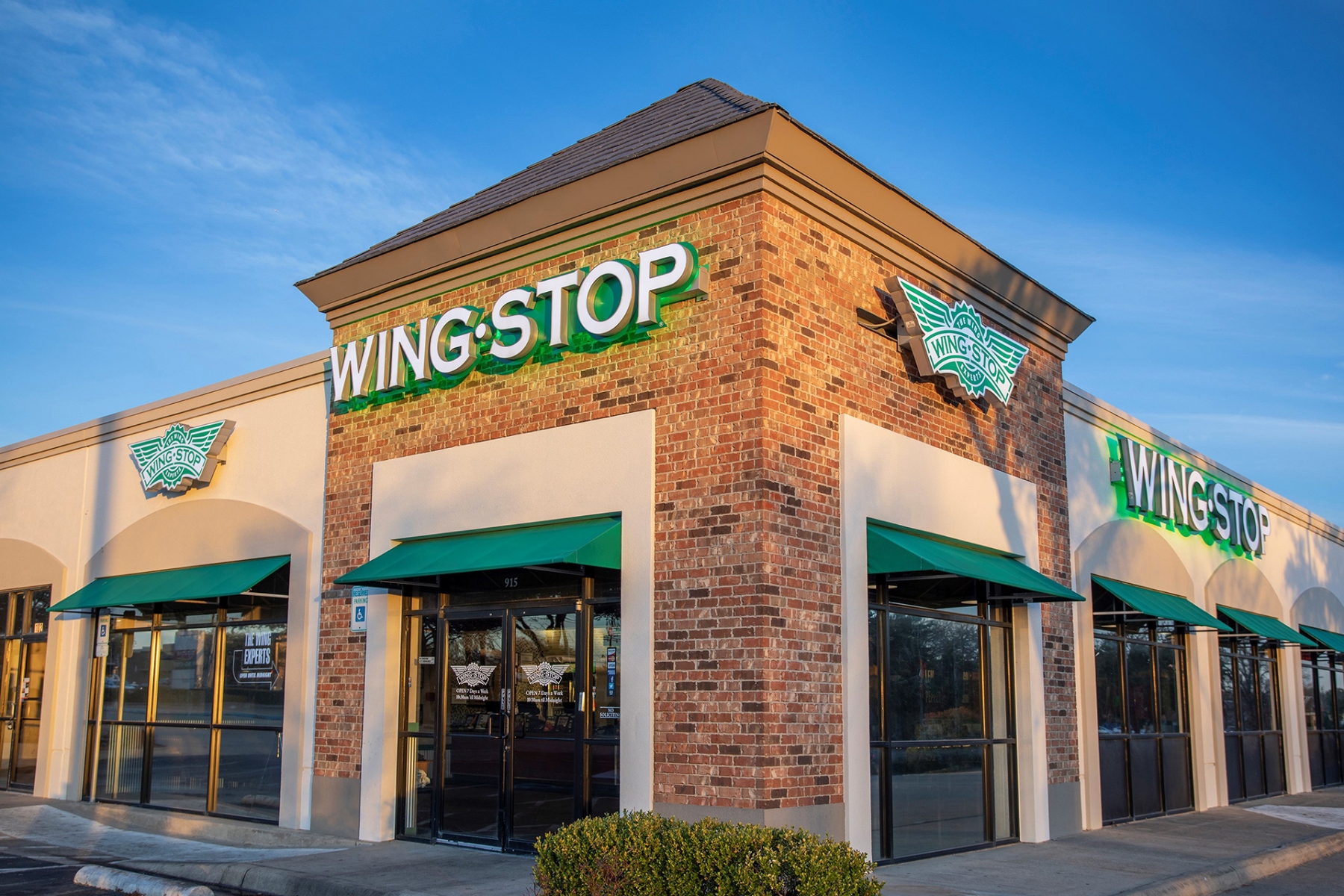
Photo by Erik Mclean on Unsplash
The emergence of Wingstop and Raising Cane’s in the Gen Z magnetism report highlights the growing competition within the chicken category for this demographic. As Gen Z accelerates chicken consumption trends, other brands like McDonald’s and Taco Bell are adjusting their menu offerings to prioritize chicken options. Chicken-centric brands align well with social gatherings, making them ideal choices for communal eating occasions among Gen Z consumers.
Photo by Erik Mclean on Unsplash
Chipotle's rise in the Gen Z rankings can be attributed to its strategic investments in gaming partnerships, social media collaborations, and promotional events. By engaging with influencers and leveraging popular trends like fantasy football, Chipotle maintains a strong connection with younger consumers. The brand's innovation in menu offerings, such as the Smoked Brisket comeback, demonstrates its ability to stay relevant and appealing to Gen Z.
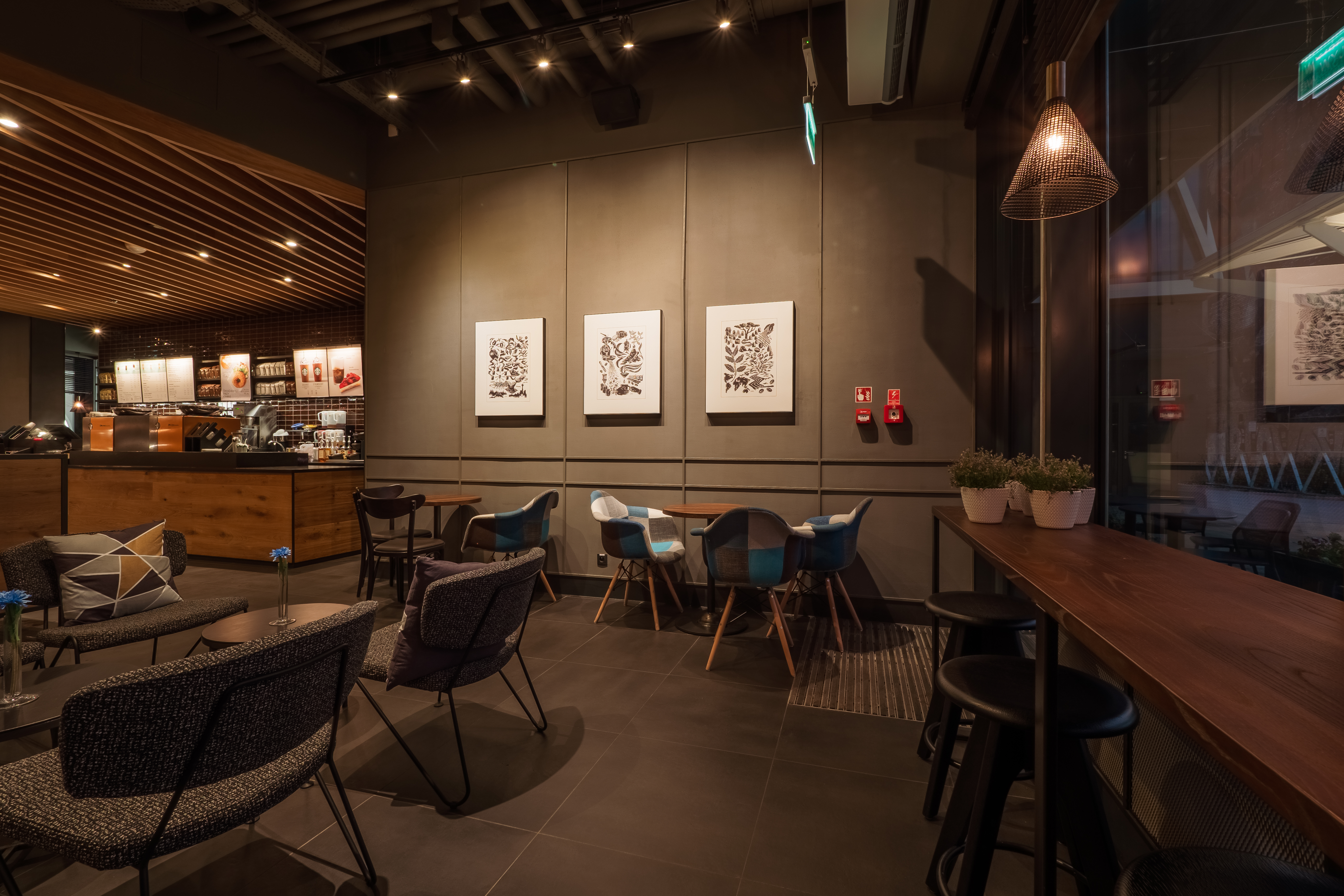
Photo by Erik Mclean on Unsplash
Starbucks' decline in the Gen Z rankings reflects the challenges faced by the brand in engaging younger consumers. To address this, Starbucks is focusing on revamping its marketing approach and simplifying its offerings to emphasize the overall brand experience. By repositioning itself as a welcoming coffeehouse environment, Starbucks aims to regain the favor of Gen Z customers and overcome recent sales obstacles.
The importance of user-generated content (UGC) in influencing Gen Z cannot be understated. Brands that resonate with this demographic prioritize authentic and genuine content over traditional influencer posts. By analyzing UGC themes and leveraging platforms like TikTok, brands can enhance their magnetism and appeal to Gen Z consumers effectively.
As Gen Z continues to shape consumer trends and spending habits, restaurant brands must adapt their strategies to resonate with this influential demographic. Utilizing digital channels, cultivating authentic brand experiences, and prioritizing simplicity and convenience in offerings are key factors for success. By understanding Gen Z preferences and behaviors, restaurant brands can position themselves as magnetic choices for this growing consumer segment.