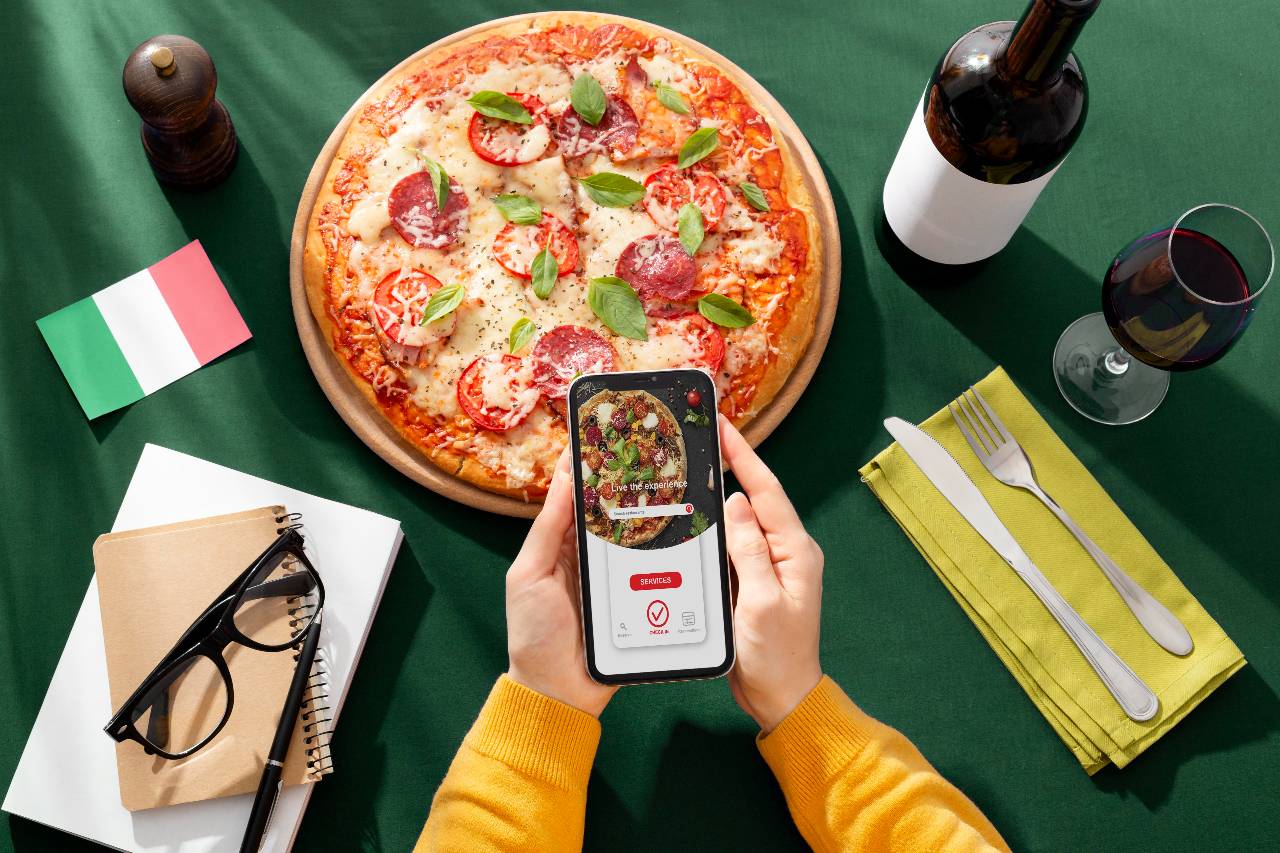
Best Restaurant Marketing Ideas for 2026
This guide outlines restaurant marketing ideas that help operators attract nearby customers, convert demand faster, and strengthen long-term retention.
marketing ideas
Apr 16, 2026
This guide outlines restaurant marketing ideas that help operators attract nearby customers, convert demand faster, and strengthen long-term retention.
Apr 16, 2026

A clear host training process helps restaurants manage greetings, waitlists, reservations, seating decisions, and guest communication more consistently.
Apr 15, 2026
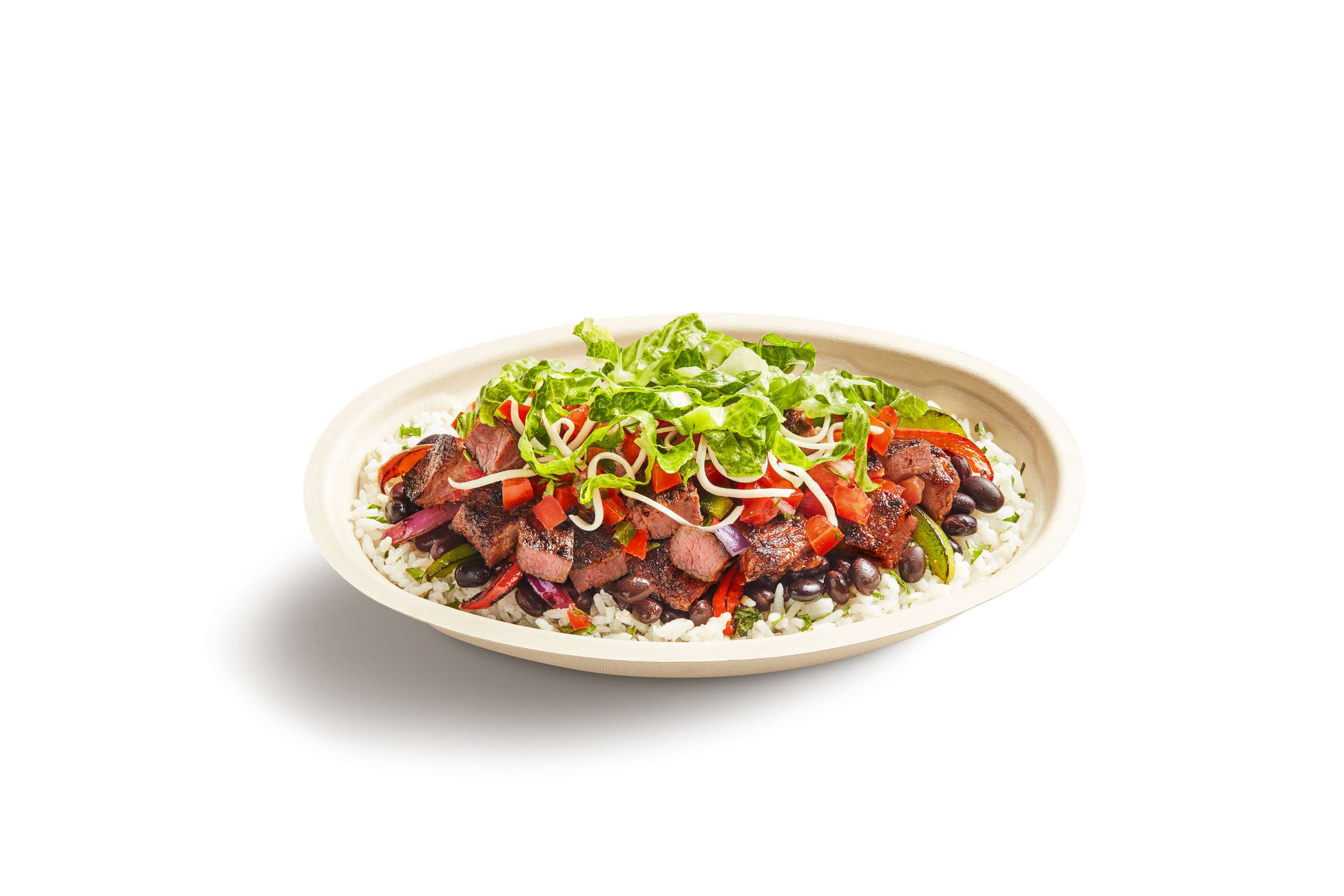
Chipotle reshapes loyalty with Rewards on Repeat, blending in-store promotions, staff incentives, and simpler redemption to boost traffic.
Apr 16, 2026
Photo by Salah Ait Mokhtar on Unsplash
A refined look at Papa Murphy’s strategy as MTY guides a cautious turnaround amid a crowded pizza landscape—digital play, local marketing, and a new Detroit-style offering.
Apr 16, 2026
Photo by Sergio Mena Ferreira on Unsplash
Mo’ Bettahs leaves Kansas City as it pivots to a PE-backed national expansion to Phoenix, Indianapolis, and Minneapolis.
Apr 16, 2026

Photo by Kate Trysh on Unsplash
Applebee’s O-M-Cheese Burger fuses spectacle with value, driving social buzz and foot traffic—a signal for the skillet-cheese moment in casual dining.
Apr 16, 2026

Photo by Diego Mattevi on Unsplash
GoTo Foods taps Misra and Lambert to harmonize digital momentum with disciplined development across seven brands, aiming for stronger guest experiences and franchisee economics.
Apr 16, 2026
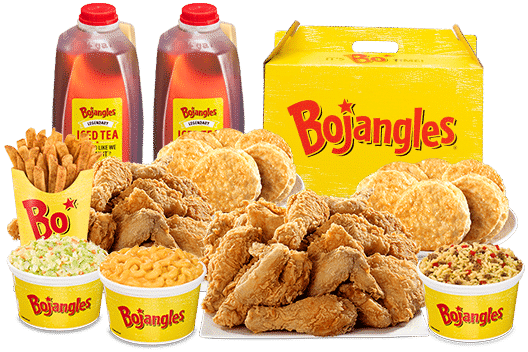
Bojangles launches Bo’s Chicken Rippers in an eight-week pilot, turning bites into a hands-on, sauce-forward experience with interactive, tear-apart slabs.
Apr 16, 2026
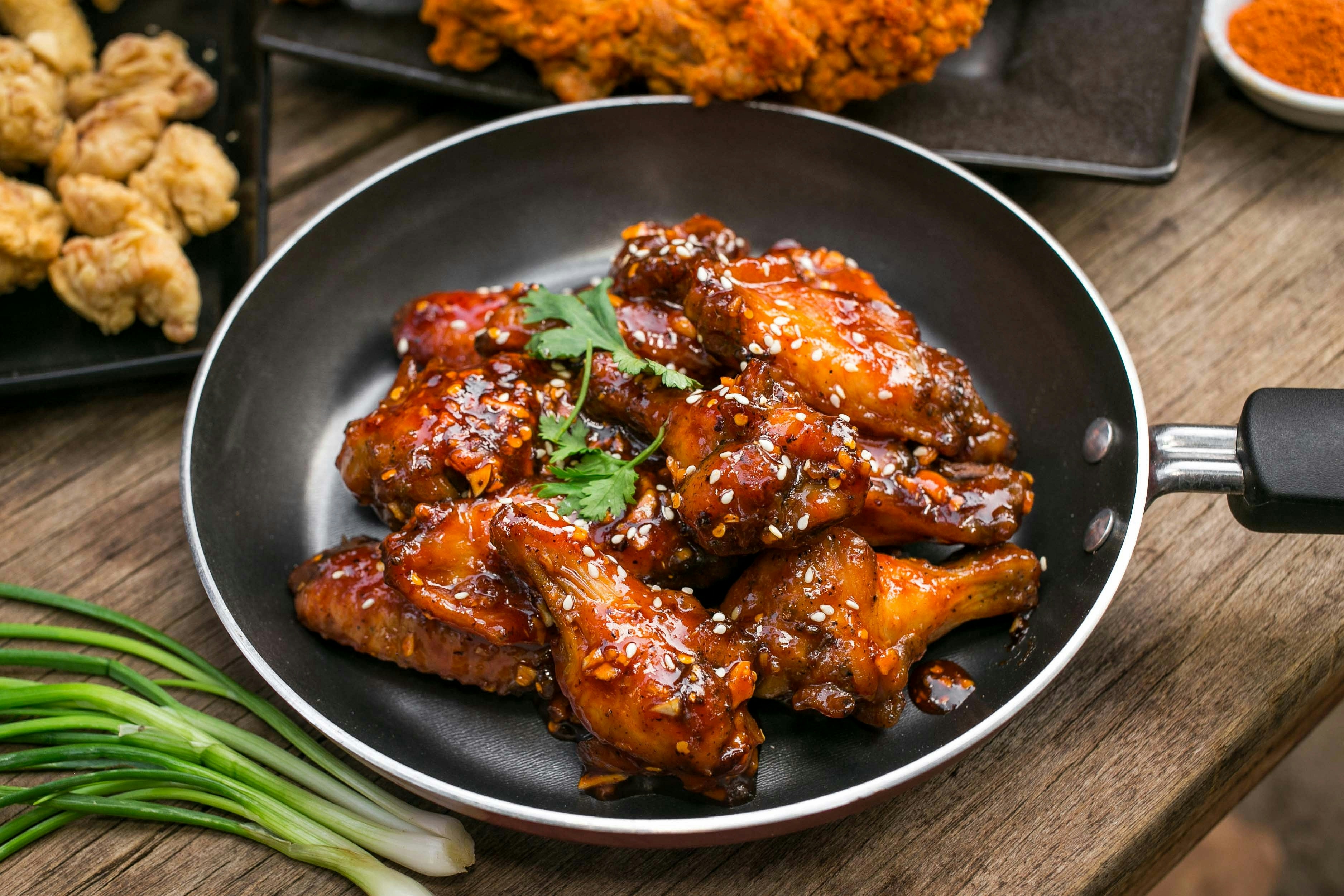
Photo by Jim Sosengphet on Unsplash
Popeyes teams with One Piece for a limited menu and merch drop, blending bold flavors with anime fandom to boost traffic and loyalty.
Apr 16, 2026
Photo by dedy kurniawan on Unsplash
A close look at Jersey Mike’s rapid expansion, leadership shift, and international push under Blackstone’s ownership.
Apr 16, 2026
The challenges faced by the restaurant industry in 2024, from inflation to bankruptcies, and the emergence of value strategies. Learn about consumer behavior shifts and what the future holds for 2025.
The year 2024 posed immense challenges for the restaurant industry, primarily due to historic inflation rates and significant shifts in consumer behavior. After enduring two years of rising menu prices, consumers drastically reduced their visits to restaurants towards the end of the previous year and the beginning of 2024. This sudden decline in foot traffic prompted restaurant brands to rethink their strategies to attract customers back through the doors.

To combat the decrease in consumer visits, restaurant brands initiated value strategies in the second quarter of 2024. This move marked the beginning of a full-fledged value war in the industry during Q3. Executives acknowledged the intricate consumer environment and devised various tactics to navigate through the challenging landscape without compromising profit margins excessively.
Simultaneously, 2024 witnessed a staggering number of restaurant bankruptcies, impacting both legacy brands and previously successful disruptors. Establishments such as TGI Fridays, Bucca di Beppo, and Red Lobster, alongside modern disruptors like World of Beer Bar & Kitchen and Tender Greens, faced financial turmoil. The issue extended to franchisees of well-known brands like Arby’s, Pizza Hut, and Dickey’s Barbecue Pit.
The pandemic led many restaurant concepts to accumulate debt as a means of survival, but as inflation soared and consumer visits dwindled, managing debt became increasingly challenging. Consumers' worsening financial outlook further exacerbated the situation, prompting a widespread struggle across all segments of the industry.
As the industry reflects on the trials of 2024, the upcoming year poses both opportunities and uncertainties. Despite the hardships faced, 2025 could herald a season of renewal for the restaurant sector. However, given the unforeseen challenges of the previous year, industry experts are cautious in making bold predictions for what lies ahead.