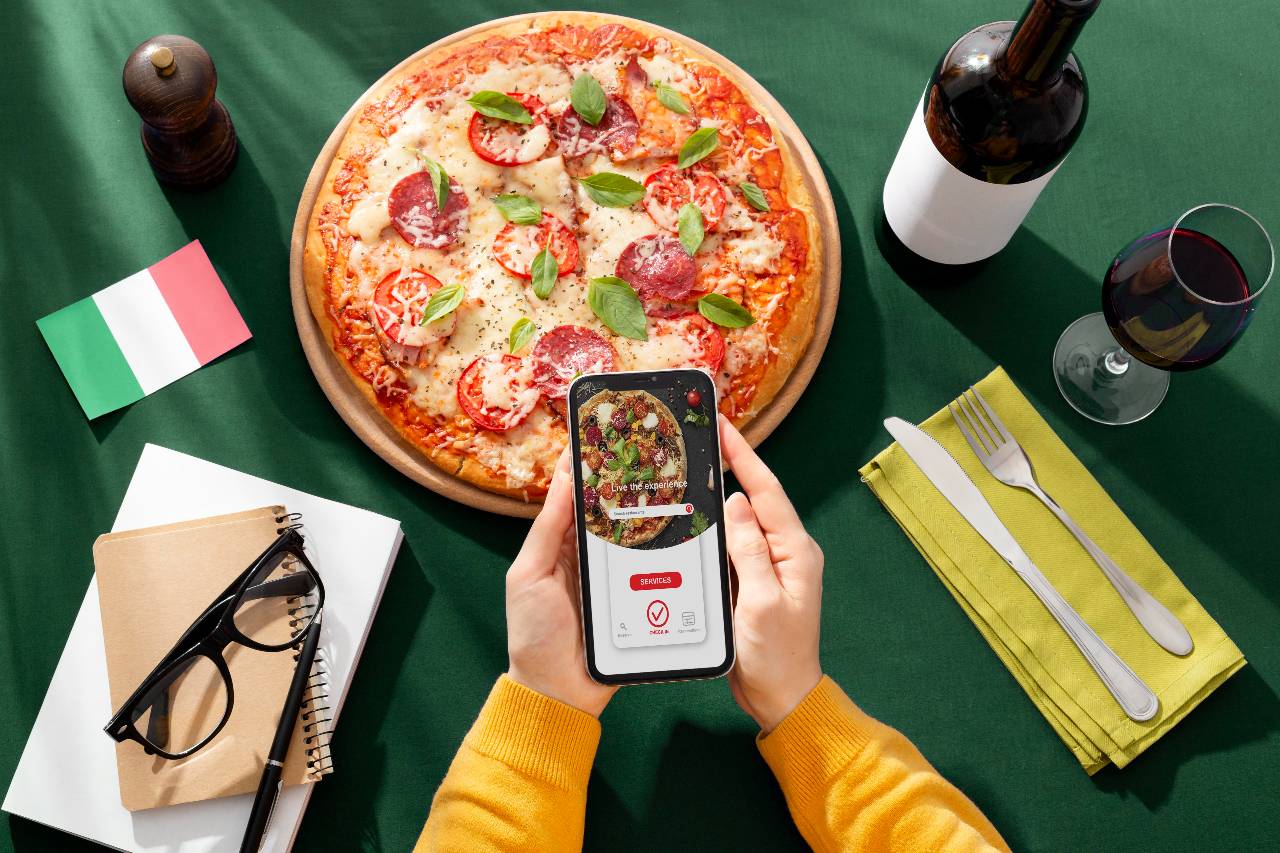
Best Restaurant Marketing Ideas for 2026
This guide outlines restaurant marketing ideas that help operators attract nearby customers, convert demand faster, and strengthen long-term retention.
marketing ideas
Apr 16, 2026
This guide outlines restaurant marketing ideas that help operators attract nearby customers, convert demand faster, and strengthen long-term retention.
Apr 16, 2026

A clear host training process helps restaurants manage greetings, waitlists, reservations, seating decisions, and guest communication more consistently.
Apr 15, 2026
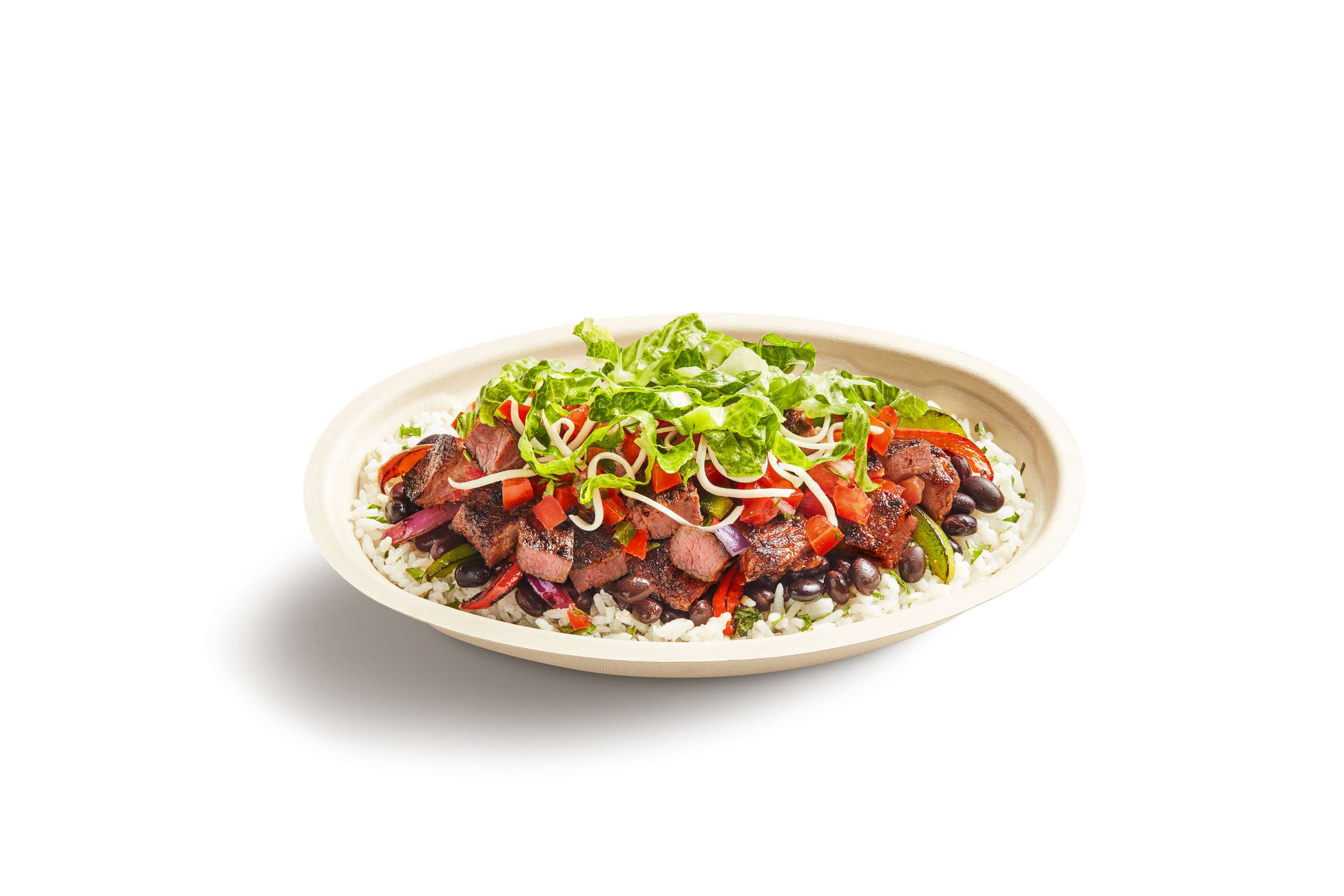
Chipotle reshapes loyalty with Rewards on Repeat, blending in-store promotions, staff incentives, and simpler redemption to boost traffic.
Apr 16, 2026

Photo by Salah Ait Mokhtar on Unsplash
A refined look at Papa Murphy’s strategy as MTY guides a cautious turnaround amid a crowded pizza landscape—digital play, local marketing, and a new Detroit-style offering.
Apr 16, 2026

Photo by Sergio Mena Ferreira on Unsplash
Mo’ Bettahs leaves Kansas City as it pivots to a PE-backed national expansion to Phoenix, Indianapolis, and Minneapolis.
Apr 16, 2026

Photo by Kate Trysh on Unsplash
Applebee’s O-M-Cheese Burger fuses spectacle with value, driving social buzz and foot traffic—a signal for the skillet-cheese moment in casual dining.
Apr 16, 2026

Photo by Diego Mattevi on Unsplash
GoTo Foods taps Misra and Lambert to harmonize digital momentum with disciplined development across seven brands, aiming for stronger guest experiences and franchisee economics.
Apr 16, 2026
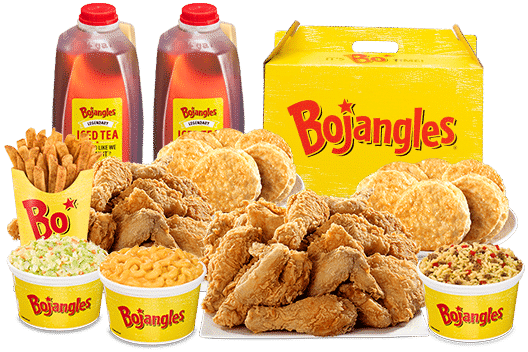
Bojangles launches Bo’s Chicken Rippers in an eight-week pilot, turning bites into a hands-on, sauce-forward experience with interactive, tear-apart slabs.
Apr 16, 2026
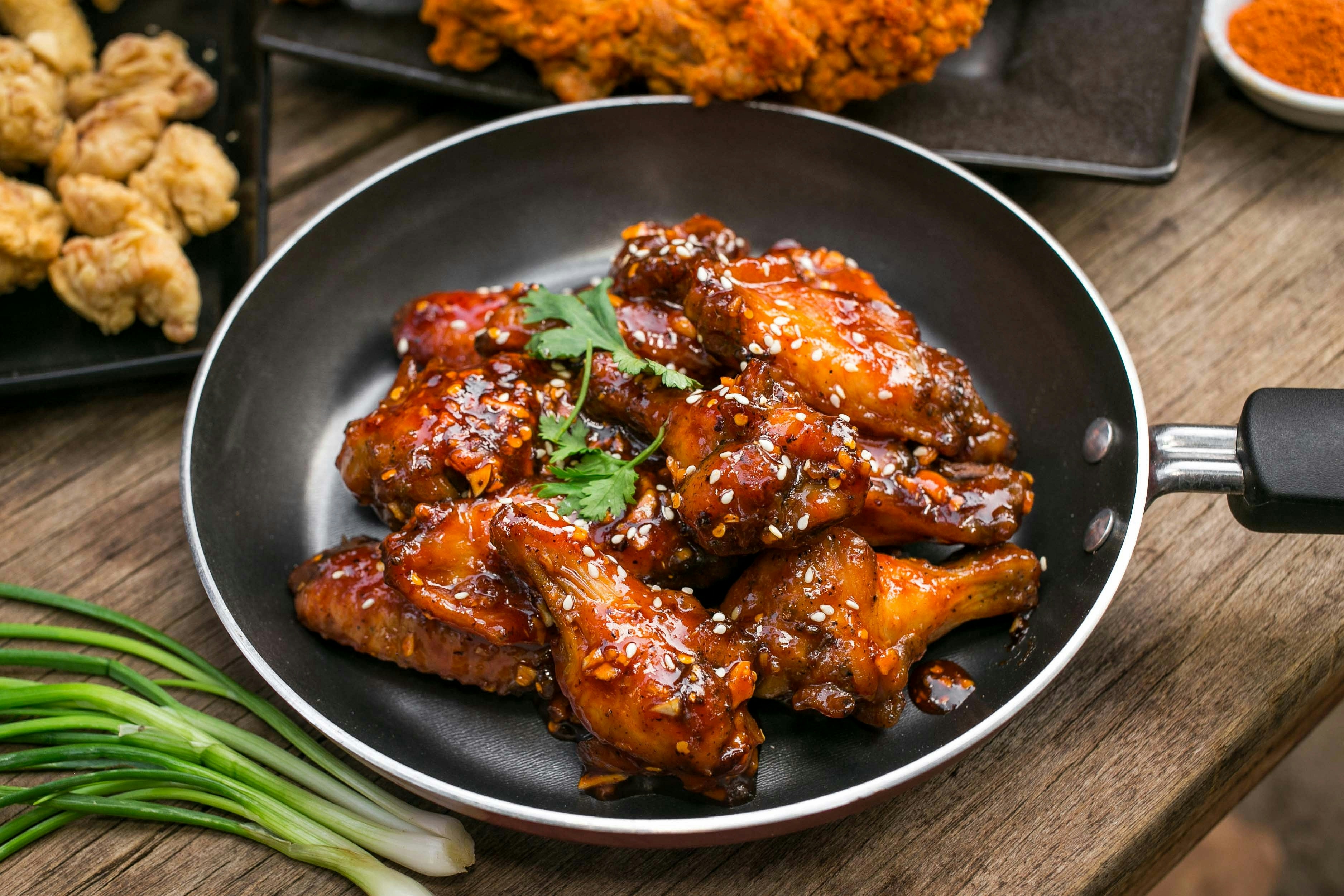
Photo by Jim Sosengphet on Unsplash
Popeyes teams with One Piece for a limited menu and merch drop, blending bold flavors with anime fandom to boost traffic and loyalty.
Apr 16, 2026
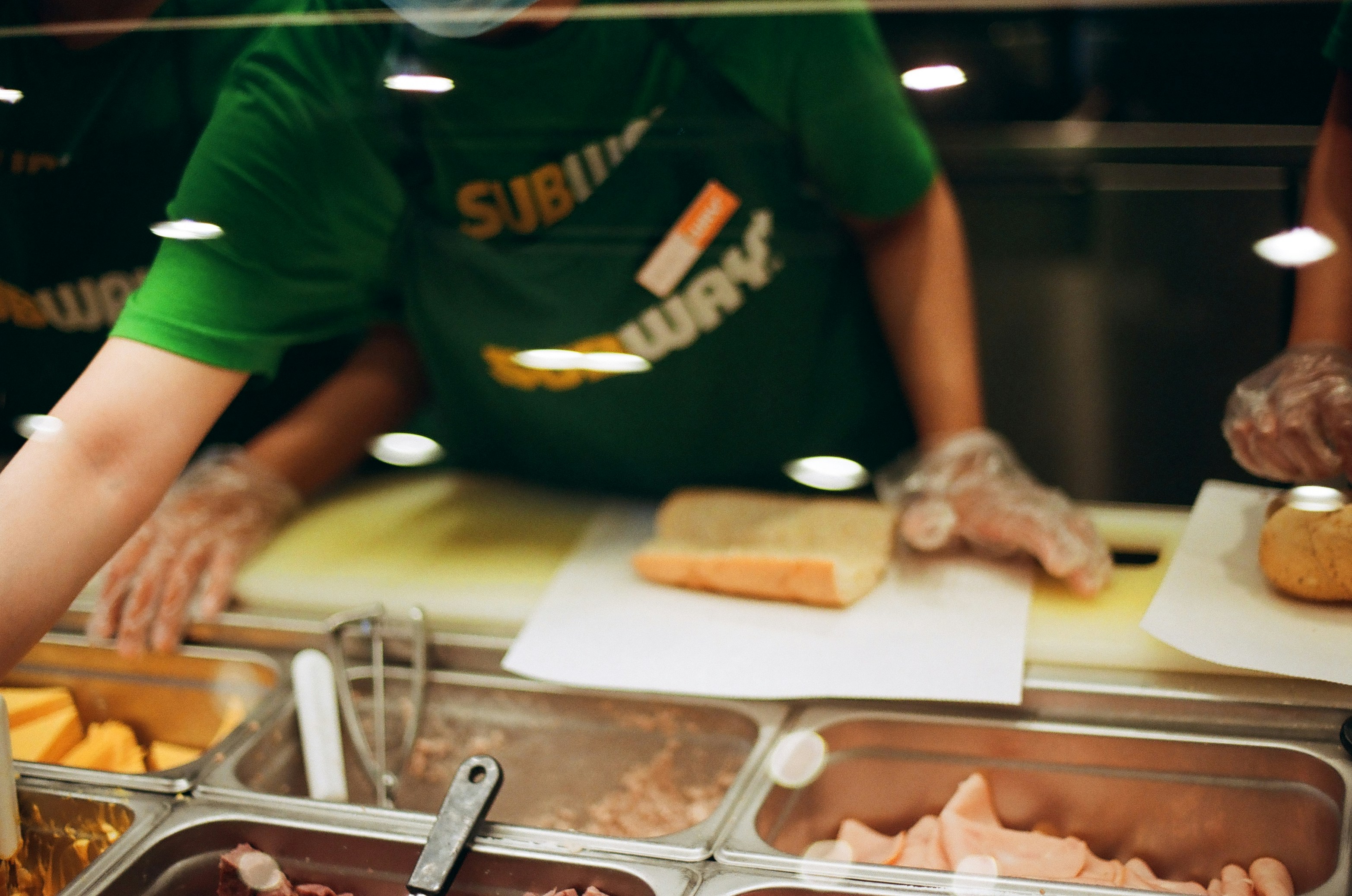
Photo by dedy kurniawan on Unsplash
A close look at Jersey Mike’s rapid expansion, leadership shift, and international push under Blackstone’s ownership.
Apr 16, 2026
Learn about Domino's Pizza's decision to transfer its stock exchange listing to the Nasdaq Global Select Market and how it impacts the company.
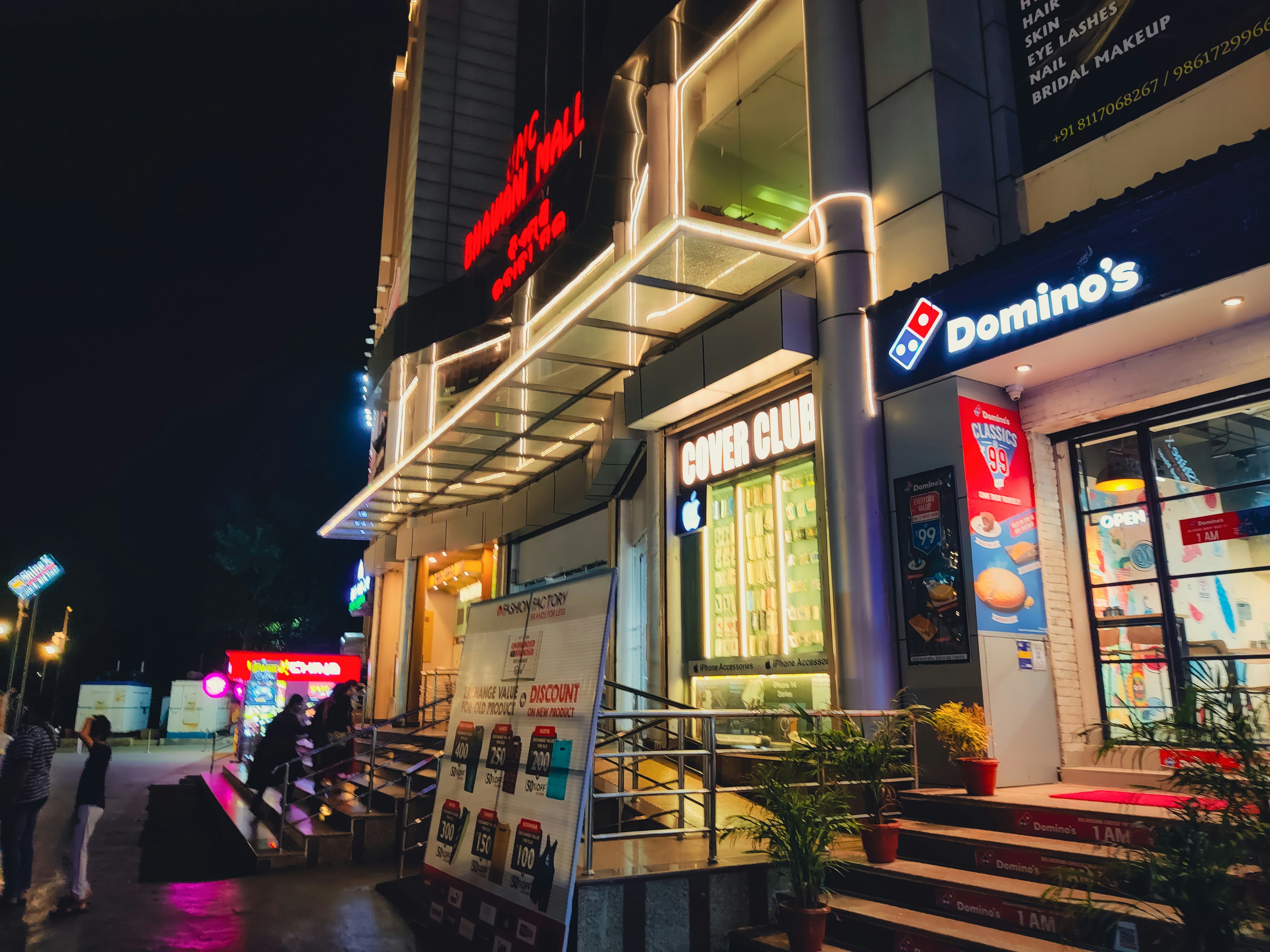
Photo by Adhitya Sibikumar on Unsplash
Domino's Pizza, established in 1960, has long been a staple in the food industry. In a strategic move, the pizza giant decided to switch its stock exchange listing from the New York Stock Exchange (NYSE) to the Nasdaq Global Select Market. This shift is set to take effect by the end of December, with trading commencing on January 2, 2025. By retaining its well-known 'DPZ' sticker symbol, Domino's aims to maintain its brand identity and recognition in the new market.
The decision to transfer to the Nasdaq likely stems from various factors, including cost-efficiency and market dynamics. While the NYSE is a venerable institution with a rich history dating back to 1792, the Nasdaq offers advantages such as lower costs for stock listings. This move aligns with Domino's strategic goals and may provide the company with enhanced visibility and accessibility to a different set of investors.
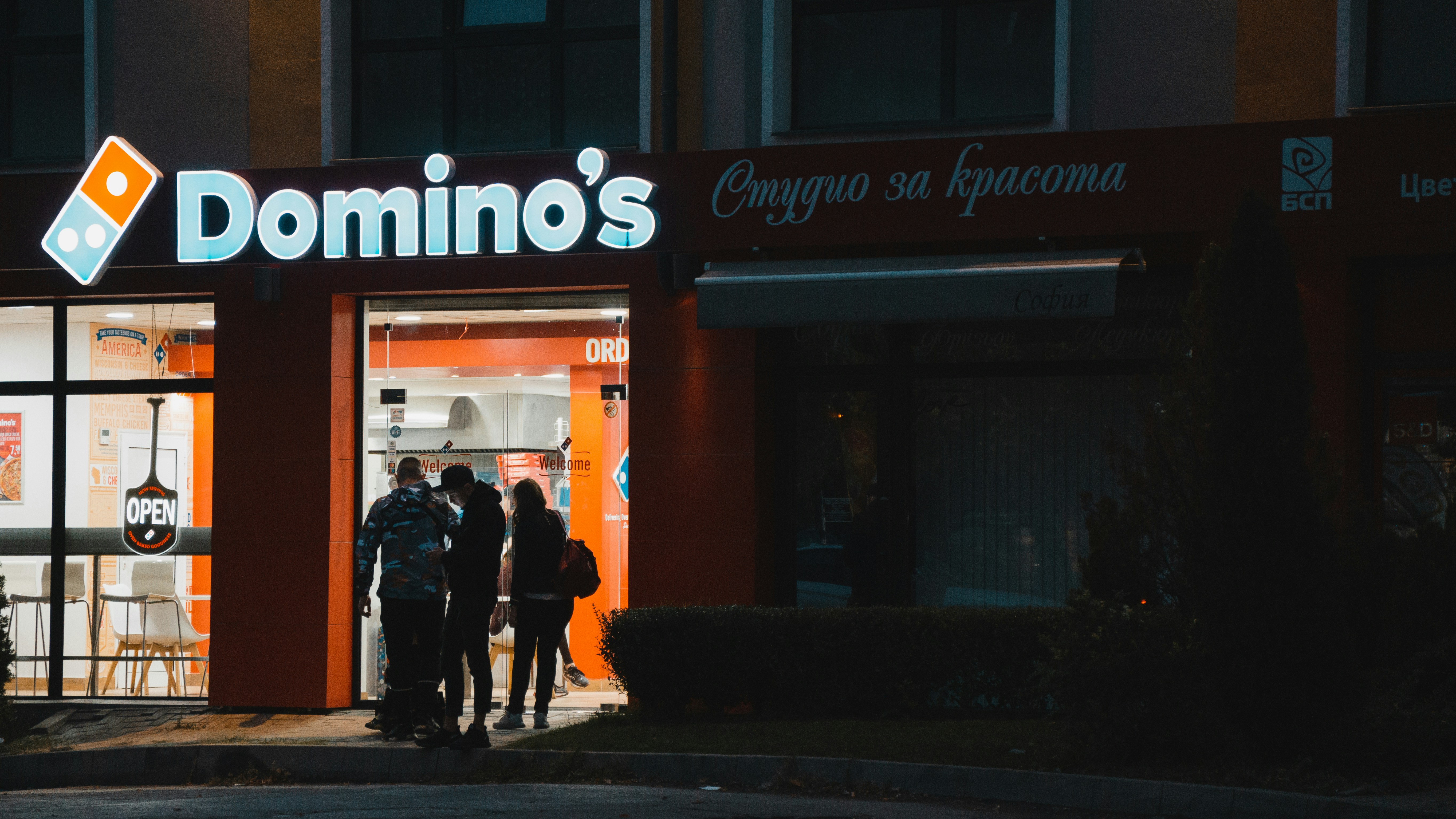
Photo by Adhitya Sibikumar on Unsplash
With a market cap valuation approaching $15.8 billion and a share price surpassing $454, Domino's has displayed remarkable growth and stability. The shift to the Nasdaq Global Select Market signifies a new chapter for the company as it seeks to leverage the opportunities presented by this transition. Investors and industry analysts will be closely observing how this move influences Domino's performance and market standing in the coming months.
Domino's is not the only restaurant chain navigating the stock market landscape. Other notable food industry players, like Bloomin’ Brands, Cheesecake Factory, and Papa John's, also trade on the Nasdaq. By joining this group, Domino's gains exposure to a different pool of investors and potential synergies within the industry. The shift from NYSE to Nasdaq could position Domino's favorably against its competitors and foster new growth opportunities.