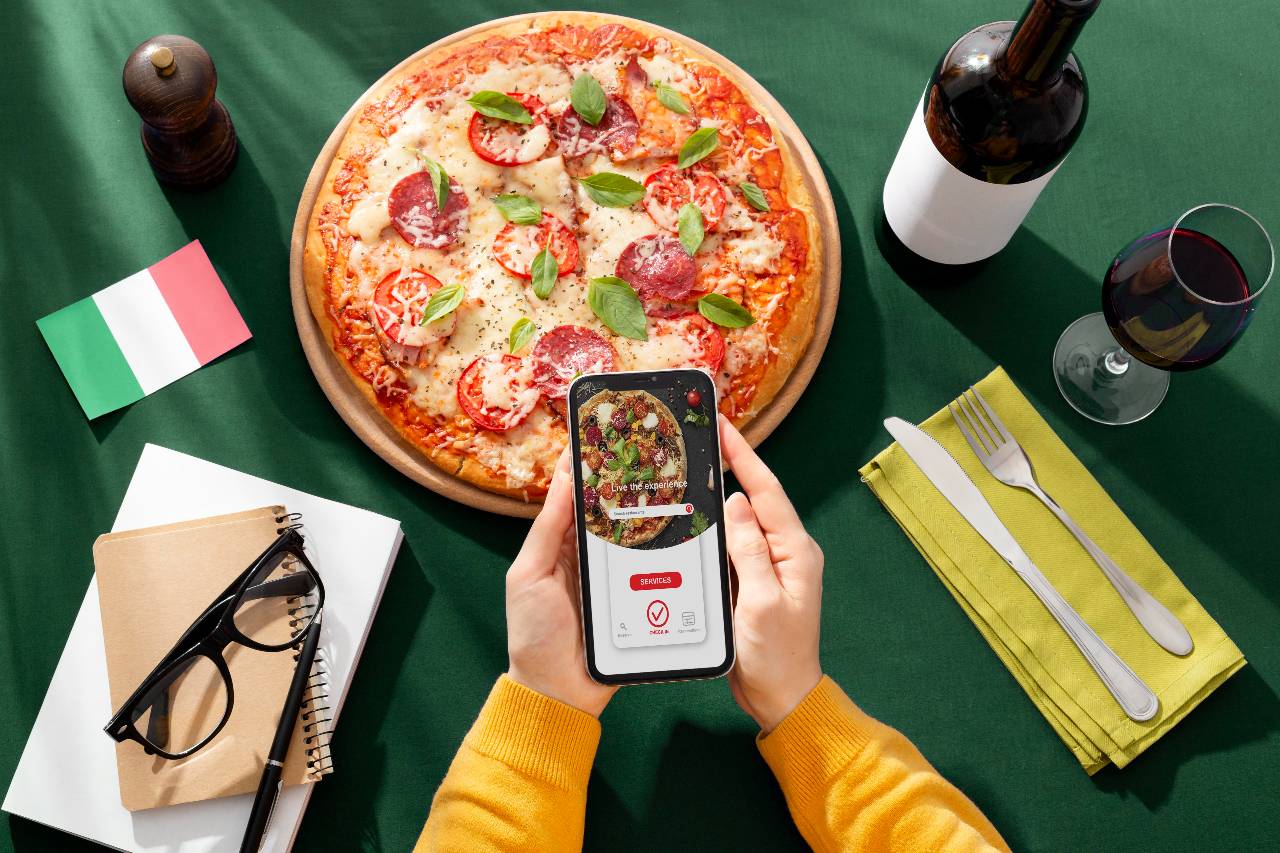
Best Restaurant Marketing Ideas for 2026
This guide outlines restaurant marketing ideas that help operators attract nearby customers, convert demand faster, and strengthen long-term retention.
marketing ideas
Apr 16, 2026
This guide outlines restaurant marketing ideas that help operators attract nearby customers, convert demand faster, and strengthen long-term retention.
Apr 16, 2026

A clear host training process helps restaurants manage greetings, waitlists, reservations, seating decisions, and guest communication more consistently.
Apr 15, 2026
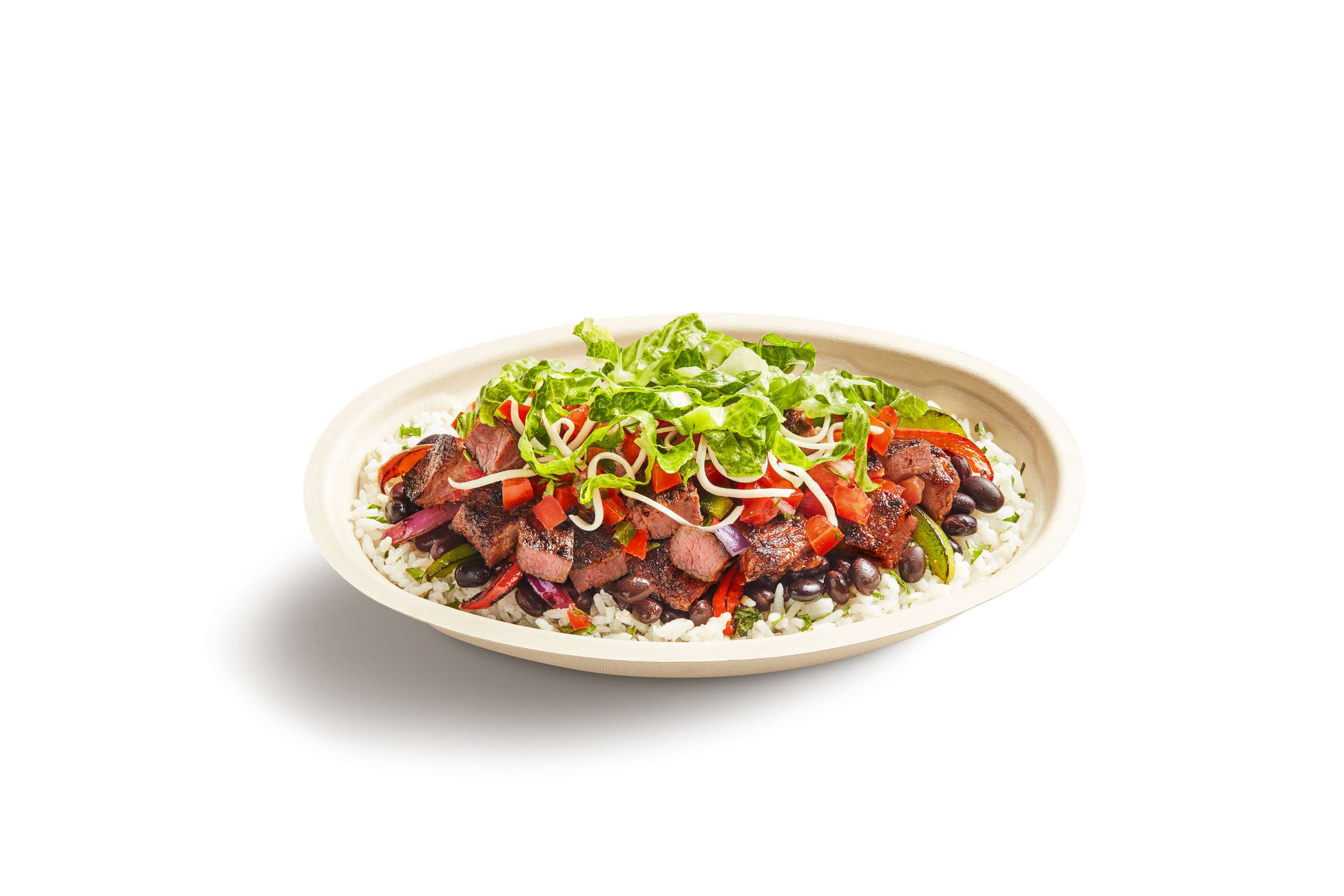
Chipotle reshapes loyalty with Rewards on Repeat, blending in-store promotions, staff incentives, and simpler redemption to boost traffic.
Apr 16, 2026

Photo by Salah Ait Mokhtar on Unsplash
A refined look at Papa Murphy’s strategy as MTY guides a cautious turnaround amid a crowded pizza landscape—digital play, local marketing, and a new Detroit-style offering.
Apr 16, 2026

Photo by Sergio Mena Ferreira on Unsplash
Mo’ Bettahs leaves Kansas City as it pivots to a PE-backed national expansion to Phoenix, Indianapolis, and Minneapolis.
Apr 16, 2026
Photo by Kate Trysh on Unsplash
Applebee’s O-M-Cheese Burger fuses spectacle with value, driving social buzz and foot traffic—a signal for the skillet-cheese moment in casual dining.
Apr 16, 2026

Photo by Diego Mattevi on Unsplash
GoTo Foods taps Misra and Lambert to harmonize digital momentum with disciplined development across seven brands, aiming for stronger guest experiences and franchisee economics.
Apr 16, 2026
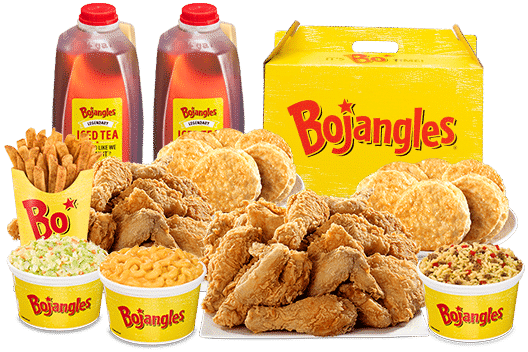
Bojangles launches Bo’s Chicken Rippers in an eight-week pilot, turning bites into a hands-on, sauce-forward experience with interactive, tear-apart slabs.
Apr 16, 2026
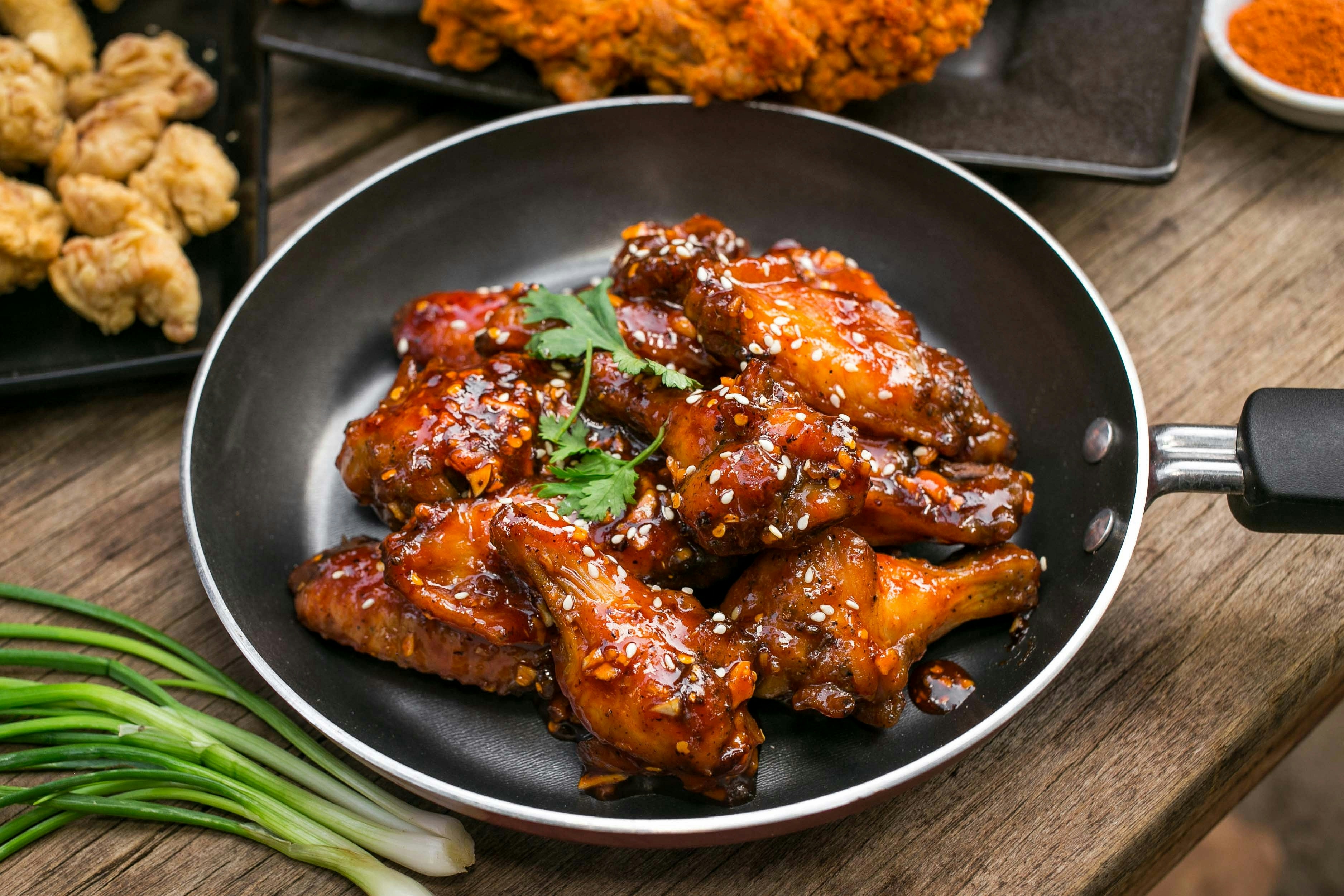
Photo by Jim Sosengphet on Unsplash
Popeyes teams with One Piece for a limited menu and merch drop, blending bold flavors with anime fandom to boost traffic and loyalty.
Apr 16, 2026
Photo by dedy kurniawan on Unsplash
A close look at Jersey Mike’s rapid expansion, leadership shift, and international push under Blackstone’s ownership.
Apr 16, 2026
Discover how Starbucks is prioritizing paying customers and enhancing the cafe experience through its new Coffeehouse Code of Conduct. Learn about the implementation, training for employees, and the impact on customer interactions.
.jpg)
Starbucks has recently announced the introduction of a Coffeehouse Code of Conduct across all its stores, emphasizing the prioritization of paying customers over individuals solely utilizing facilities like restrooms or Wi-Fi. This move aims to create a more welcoming environment for those patrons who visit Starbucks to enjoy the cafe experience or require amenities like restrooms during their stay.
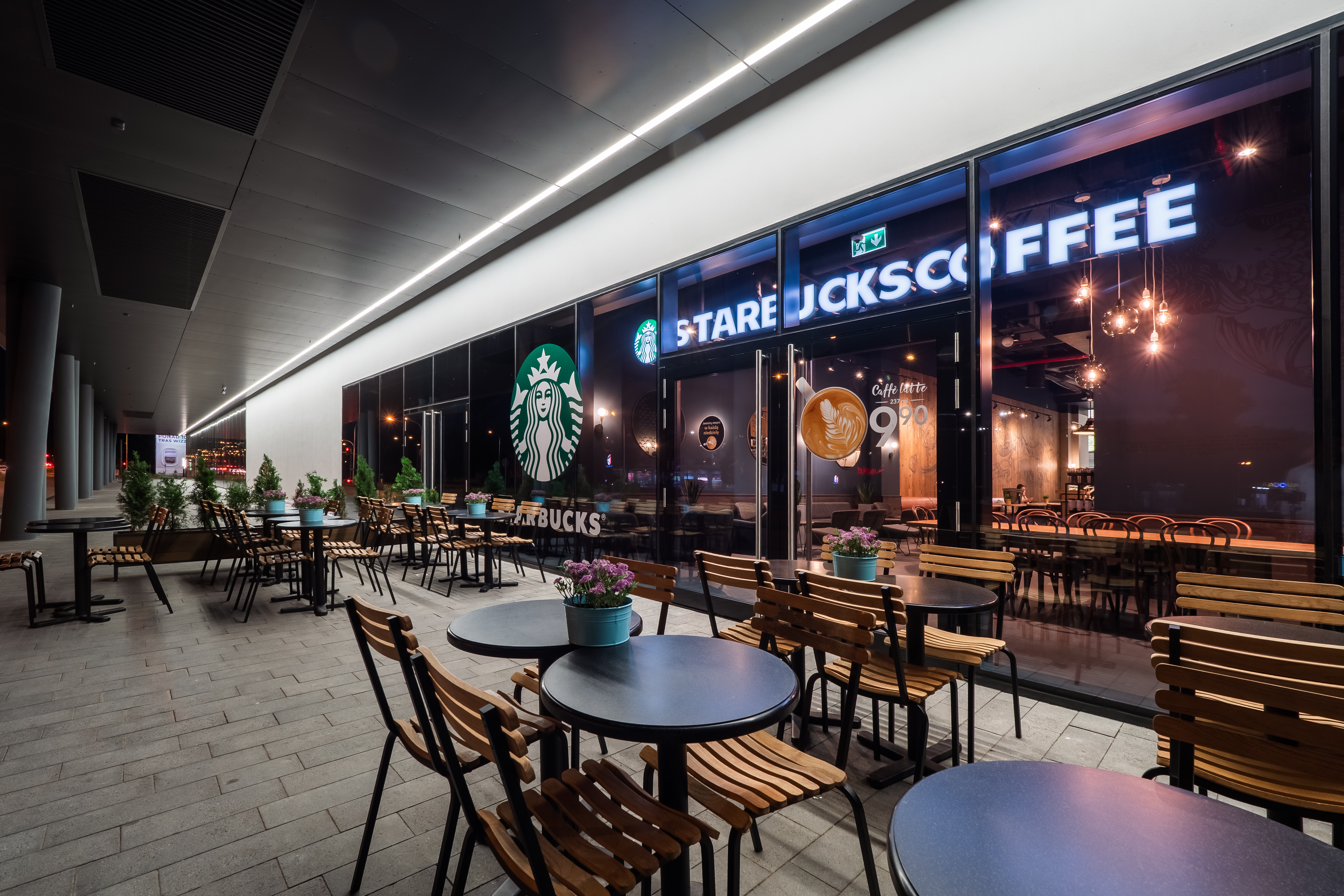
By implementing the Code of Conduct, Starbucks is aligning itself with industry standards and focusing on the comfort and satisfaction of its paying customers. Jaci Anderson, Starbucks' director of corporate communications, emphasized the importance of creating a better environment for everyone by setting clear expectations for behavior and space utilization within Starbucks' cafes, patios, and restrooms.
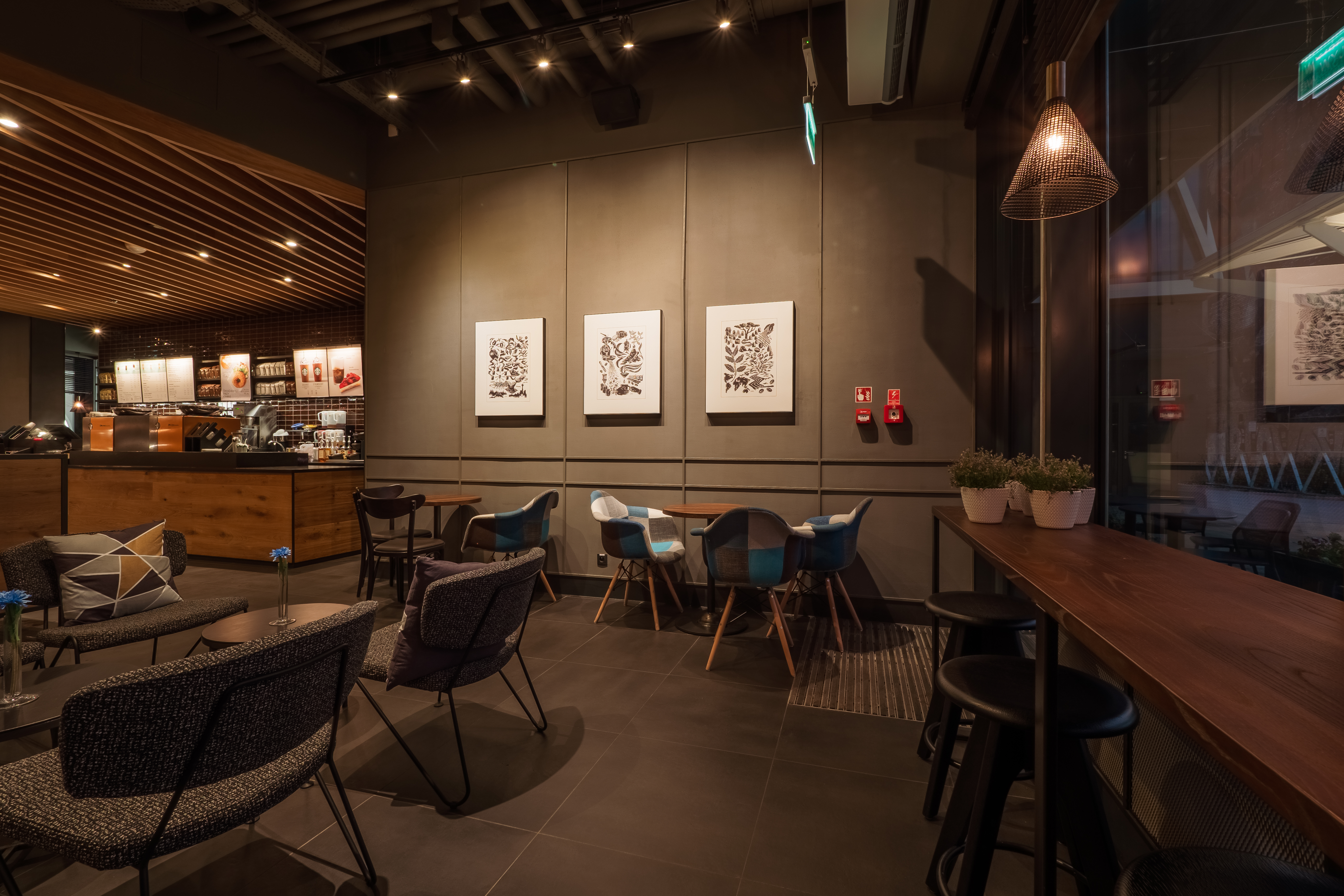
To ensure a smooth transition and enforcement of the new policy, Starbucks has detailed plans for training its employees. Workers will receive the necessary tools and guidance to manage customer interactions in adherence to the Code of Conduct. This training will empower employees to address any violations promptly and maintain a conducive environment for paying customers.
The introduction of the Coffeehouse Code of Conduct is expected to impact customer interactions positively by enhancing the overall experience for paying visitors. With a focus on customer satisfaction and comfort, Starbucks aims to create a space where patrons can enjoy their coffee and stay without disruptions caused by non-paying individuals using facilities without a purchase.
As part of its commitment to improving the cafe experience, Starbucks will be offering amenities such as ceramic mugs and refills on hot and iced coffee, aligning with its 'third place' strategy. These additions aim to further elevate the Starbucks experience for its customers, providing them with more options and enhancing their overall visit.

Starbucks has outlined a comprehensive timeline for training its employees and implementing the Code of Conduct. Store managers will be given dedicated time to prepare their teams and set up for the changes. Employee training sessions will address new workflows, service standards, and customer expectations, ensuring a seamless transition to the enhanced cafe environment.